
Stainless Steel Cutlery Replenishment Planning for B2B Brands
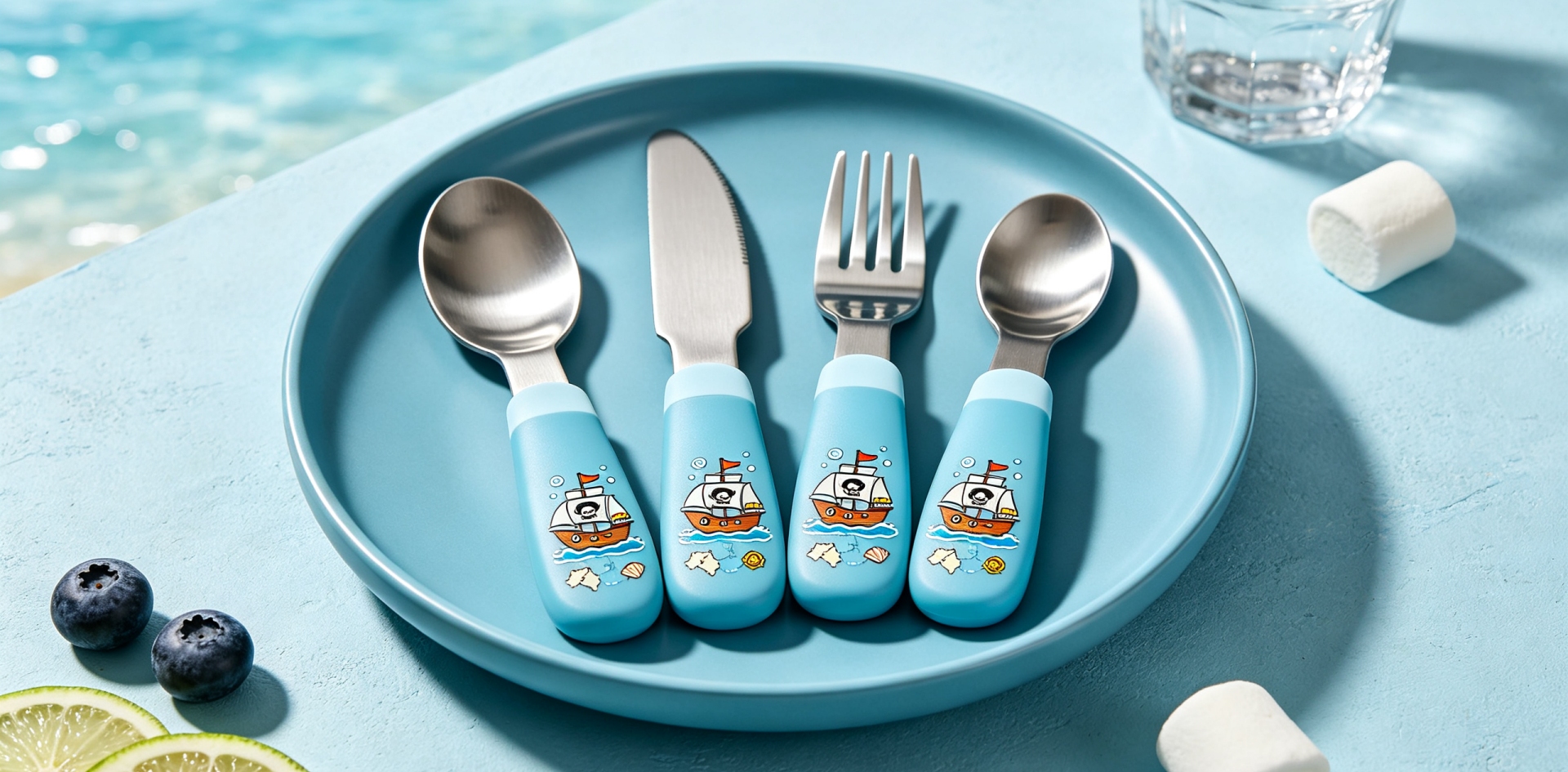
Stainless Steel Cutlery Replenishment Planning for B2B Brands
For B2B buyers, the first stainless steel cutlery order is only one part of the relationship with a factory. Once a product begins selling, the next challenge is keeping the same items available while preparing for future demand.
Replenishment orders can appear simple because the product has already been produced. In reality, repeat orders still require careful coordination. Product specifications, quantities, packaging, finishes and production references all need to remain consistent with the approved version.
For brands, distributors and wholesalers, a clear replenishment process can make repeat purchasing more predictable and help the factory prepare production more efficiently.
Start With the Approved Product Reference
A replenishment order should begin with the exact product reference used for the previous production.
This is particularly important when a buyer has several stainless steel knives, forks and spoons with similar designs. A product name alone may not be enough to identify the correct version.
The original product code, approved sample, drawing or specification can provide a much clearer reference.
For custom stainless steel cutlery, this information may include the material, dimensions, weight, finish, handle design and packaging requirements.
Keeping these details together helps both the buyer and factory confirm that the new order is based on the correct version.
Review Whether the Product Has Changed
Before placing a repeat order, buyers should check whether any product details have changed since the previous production.
A brand may have updated its packaging, changed a barcode, adjusted the set composition or introduced a new retail format. The cutlery itself may remain unchanged while other parts of the order are updated.
This distinction is useful because it prevents unnecessary changes to an established product while still allowing the commercial presentation to evolve.
For OEM and private label projects, the factory can review the current requirements against the previous production information before the next order is confirmed.
Separate Replenishment From New Product Development
Growing brands often need to replenish existing products while developing new ones at the same time.
These two activities should be clearly separated.
A replenishment order normally uses an approved product specification, while a new product may require design development, sampling and confirmation before mass production.
For example, a buyer may reorder an existing stainless steel dinner fork while also developing a new spoon for the same collection. Treating the two products as separate stages makes it easier to maintain supply of the established item without delaying the development of the new one.
This approach can be especially useful when a product range is expanding gradually.
Use Sales Information to Plan the Next Order
Replenishment does not always mean simply repeating the previous quantity.
A buyer may discover that certain products sell faster than others. One spoon may become a core product while a particular fork moves more slowly. The next order can then reflect actual purchasing patterns rather than automatically copying the original quantity ratio.
For distributors, this can also mean combining several customer requirements into one larger production order.
A professional stainless steel cutlery factory can review the required product mix and discuss how different models can be arranged within the production plan.
This gives buyers more flexibility when preparing a new bulk order.
Keep Finishes Consistent Across Reorders
Surface appearance can be particularly important for repeat orders.
When a stainless steel cutlery collection has a polished, matte or decorative finish, buyers generally expect the new production to remain visually consistent with the approved version.
This is why the finish should be included in the product specification rather than relying only on a general product name.
For colored or specially treated stainless steel cutlery, the production reference should be even clearer. The approved sample and relevant finish requirements can provide a useful basis for comparison during subsequent production.
A clear reference helps the factory understand what the buyer expects from the repeat order.
Check Packaging Before Replenishment
Packaging requirements can change even when the cutlery itself does not.
A retailer may update its outer box design, change the number of sets per carton or require a new label. A distributor may also want a different packing configuration for a specific customer.
Before confirming a replenishment order, buyers should therefore review:
Product packaging
Inner box quantity
Set composition
Labels
Barcodes
Carton configuration
Shipping marks
Any market-specific requirements
This small review can prevent an old packaging specification from being carried into a new shipment by mistake.
Maintain Continuity for Private Label Collections
Private label brands often depend on consistency because customers expect a product purchased today to look similar to the same product purchased later.
For stainless steel flatware, continuity can involve more than the basic shape. Handle proportions, surface finish, weight and set composition may all contribute to the appearance and use of the collection.
A factory with experience in private label production can keep the approved product information as a reference for subsequent orders.
Homefelt factory supports private label stainless steel cutlery production for B2B customers, including customized knives, forks, spoons and complete flatware sets.
This allows a brand to develop an established product line while continuing to place repeat orders according to its market demand.
Combining Replenishment With Product Expansion
A repeat order can also become an opportunity to expand the collection.
A customer may already purchase a dinner fork, dinner knife and tablespoon, then decide to add a teaspoon or another matching piece. Because the existing products are already established, the new item can be developed around the same overall collection direction.
The factory can review the existing references together with the new design requirements.
This helps maintain visual consistency while allowing the product range to grow.
For B2B brands, this can be more practical than starting an entirely separate collection every time a new item is required.
Preparing Information Before Requesting a Repeat Quote
A clear replenishment request does not need to be complicated.
Buyers can provide the existing product code, required quantity, desired shipment timing and any changes from the previous order.
If there are no changes, stating that the order should follow the previously approved specification can also help reduce unnecessary communication.
If changes are required, they should be identified separately so the factory can distinguish between the established product and the updated requirements.
This becomes increasingly useful when a buyer manages many SKUs.
Factory Support for Growing Replenishment Programs
As a B2B cutlery business grows, replenishment orders may become a regular part of purchasing.
At this stage, the factory relationship becomes important because the supplier needs to understand not only individual products but also the customer's broader collection.
Homefelt specializes in stainless steel knife, fork and spoon manufacturing for wholesale, OEM, ODM and private label customers. The factory can support both repeat production and the development of additional products according to customer requirements.
Product customization, packaging coordination and bulk manufacturing can be discussed as part of the same project, allowing buyers to manage established products while gradually introducing new ones.
Building a Practical Repeat-Order System
A reliable replenishment system does not require complicated procedures. The most important elements are accurate product references, approved specifications, clear quantities and communication of any changes.
When these details are maintained from one order to the next, both the buyer and factory have a stronger basis for continuing production.
For a growing stainless steel cutlery brand, this creates a useful balance between continuity and flexibility. Existing products can remain stable, while new knives, forks, spoons and sets can be introduced as market demand develops.
If you are preparing a stainless steel cutlery replenishment order, Homefelt can review your existing product references, quantities and updated requirements. Send your product list or previous specifications to ingrid@homefelt.net to discuss repeat production, customization or additional items for your next bulk order.
Stainless Steel Cutlery Replenishment
OEM Stainless Steel Flatware Production
Private Label Cutlery Manufacturing
Stainless Steel Cutlery Catalog Development for B2B Brands
Stainless Steel Cutlery Trade Show Samples for B2B Brands
Related Article



