
Stainless Steel Cutlery Replenishment Planning for OEM and Wholesale Buyers
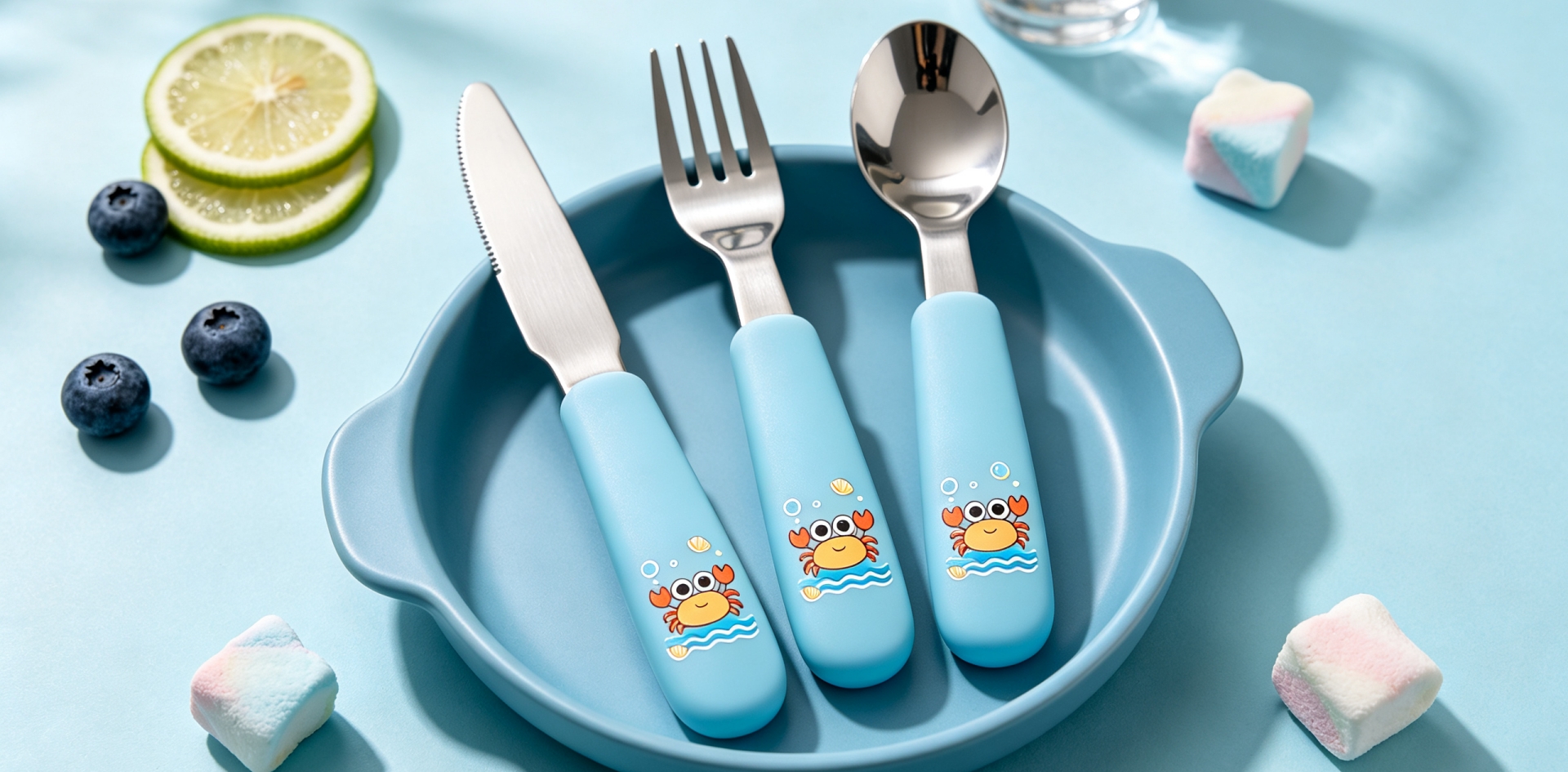
Stainless Steel Cutlery Replenishment Planning for OEM and Wholesale Buyers
For brands, distributors and wholesale businesses, stainless steel cutlery purchasing does not always end with the first bulk order. Once a knife, fork, spoon or flatware collection enters regular sales, the next challenge is keeping enough stock available without creating unnecessary inventory pressure.
This is where replenishment planning becomes part of supplier management.
A practical replenishment program connects previous order information, current inventory, expected demand and manufacturing requirements. When the supplier understands the purchasing pattern, repeat orders can become easier to organize and more predictable.
For B2B buyers, a stainless steel cutlery factory that can support both the initial order and subsequent replenishment can provide greater continuity throughout the product lifecycle.
Why Replenishment Planning Matters for Cutlery
Stainless steel cutlery is often purchased as a continuing product rather than a one-time item.
A distributor may regularly reorder popular spoons and forks. A private label brand may need additional flatware sets as retail sales increase. A hospitality supplier may require replacement quantities for ongoing customer projects.
In each case, waiting until inventory becomes critically low can create unnecessary pressure.
A better approach is to establish a practical replenishment reference based on previous purchasing and expected demand.
This does not require complicated forecasting. Even basic information such as previous order quantity, sales speed, current inventory and expected purchasing period can help buyers communicate more effectively with their supplier.
Using Previous Orders as a Reference
Historical purchasing information can be useful when preparing a new stainless steel cutlery order.
For example, a buyer may compare:
-
Previous order quantity
-
Actual consumption
-
Current inventory
-
Expected demand
-
Seasonal purchasing patterns
-
New customer requirements
-
Planned product expansion
The objective is not simply to repeat the previous order.
Instead, the information can help determine whether the next order should remain similar, increase, decrease or include additional products.
For a stainless steel cutlery manufacturer, receiving this information early can also make it easier to understand the customer's upcoming requirements.
Homefelt factory supports repeat OEM, ODM, wholesale and bulk orders for stainless steel knives, forks, spoons and flatware sets. Customers can discuss upcoming requirements with the factory before the next purchasing cycle is finalized.
Replenishment for Private Label Collections
Private label products require particular attention because the cutlery is connected with the customer's own brand.
If a branded flatware set becomes a regular product, the buyer may need to maintain continuity in product appearance, packaging and presentation.
A replenishment plan can therefore include more than the quantity of stainless steel cutlery required.
The buyer may also need to confirm:
-
Existing product reference
-
Approved product version
-
Packaging specification
-
Brand information
-
Quantity per package
-
Carton requirements
-
Delivery destination
Keeping these details connected to the repeat order can reduce unnecessary clarification.
Homefelt can coordinate stainless steel cutlery manufacturing and private label packaging according to the customer's established requirements, allowing repeat purchasing to follow the existing product program.
Balancing Inventory and Order Quantity
Replenishment planning is also about finding a practical balance.
Ordering too little may create frequent purchasing pressure. Ordering significantly more than needed can increase inventory and storage requirements.
For B2B buyers, the right quantity depends on the sales channel, product turnover, customer commitments and purchasing strategy.
A distributor may prefer more frequent orders for fast-moving products. Another buyer may consolidate several months of demand into one larger manufacturing program.
There is no single quantity that fits every business.
The manufacturer's role is to understand the buyer's purchasing pattern and provide a production solution that matches the project.
Homefelt works with wholesale and bulk customers and can discuss order quantities according to product requirements and manufacturing conditions.
Planning Replenishment Across Knives, Forks and Spoons
A complete flatware collection may not consume every item at the same rate.
For example, a buyer may sell more forks than table knives, or more teaspoons than tablespoons. Replenishment therefore does not always mean ordering the same quantity of every product.
A buyer can review individual product movement and identify which items need earlier replenishment.
This is especially useful for distributors managing several stainless steel cutlery products.
The purchasing plan can separate the products into categories such as:
Core products
Regularly replenished stainless steel cutlery items with stable demand.
Supporting products
Items that complete the collection but may move at a lower rate.
Project products
Products purchased for specific customers or temporary programs.
This approach gives the manufacturer a clearer picture of which products are expected to be reordered regularly.
When to Contact the Factory
One of the simplest ways to improve replenishment is to communicate with the factory before the next order becomes urgent.
A buyer does not necessarily need to wait until the inventory reaches a critical level.
Early communication can provide time to review product details, quantities, packaging and delivery requirements.
For a repeat stainless steel cutlery order, useful information may include:
-
Existing product reference
-
Estimated replenishment quantity
-
Required delivery period
-
Packaging requirements
-
Any product changes
-
Additional products being considered
This allows the supplier to understand whether the upcoming order is a straightforward repeat or part of a larger product update.
Homefelt can review these requirements and help customers prepare the next manufacturing program.
Replenishment and Product Updates
A repeat order can also be an opportunity to introduce controlled product improvements.
A buyer may want to maintain the existing collection while adding a new spoon, fork or knife model. Alternatively, packaging may need to be updated for a new market.
These changes should be clearly separated from unchanged products.
For example, an established private label spoon may remain unchanged while a new matching fork is developed for the next collection.
An experienced OEM or ODM manufacturer can manage the existing products and new development requirements within the broader supply relationship.
Homefelt provides product design, manufacturing, packaging and transportation as a one-stop service that can be adapted to different customer projects.
Supplier Experience for Long-Term Programs
Replenishment is easier when the supplier understands the customer's products over time.
A manufacturer that has already produced the customer's stainless steel cutlery can have a better understanding of the product references, packaging structure and purchasing requirements than a new supplier starting from the beginning.
Homefelt has 40 years of experience in the stainless steel cutlery business and has worked with well-known brands. Its capabilities cover OEM, ODM, private label, wholesale and large-volume production.
This experience supports customers who need more than a single shipment and are looking for a long-term stainless steel cutlery manufacturing partner.
Supporting Quality and Documentation
Repeat purchasing should also remain connected to appropriate quality and project documentation.
Homefelt has passed BSCI, SEDEX 4P, BRC and ISO9001-related requirements, with experience involving Disney audits. The company also holds FAMA and FSC certificates.
For each replenishment program, the applicable inspection, testing and certification requirements should be confirmed according to the customer's market and product needs.
The purpose is to keep the repeat supply consistent while ensuring the documentation matches the requirements of the individual project.
Building a More Predictable Supply Relationship
A good replenishment program is not simply about ordering more stainless steel cutlery.
It is about creating a repeat purchasing process that both the buyer and factory understand.
When product references, purchasing history, expected quantity, packaging and delivery requirements are communicated clearly, the next order can be prepared with fewer uncertainties.
For distributors, private label brands and wholesale buyers, this can make stainless steel knife, fork and spoon purchasing more manageable as the business grows.
Homefelt factory supports long-term OEM, ODM, private label and bulk stainless steel cutlery programs, with one-stop coordination from product development and manufacturing to packaging and transportation.
If you are preparing the next replenishment order for stainless steel spoons, forks, knives or flatware sets, send Homefelt your existing product references, estimated quantities and expected delivery requirements. The team can review the project and help prepare the next manufacturing plan.
Stainless Steel Cutlery Supplier Onboarding for OEM and Bulk Buyers
Stainless Steel Cutlery Purchase Orders for OEM and Bulk Manufacturing
Related Article



