
Stainless Steel Cutlery Retail Packaging Configuration for OEM and Private Label Orders
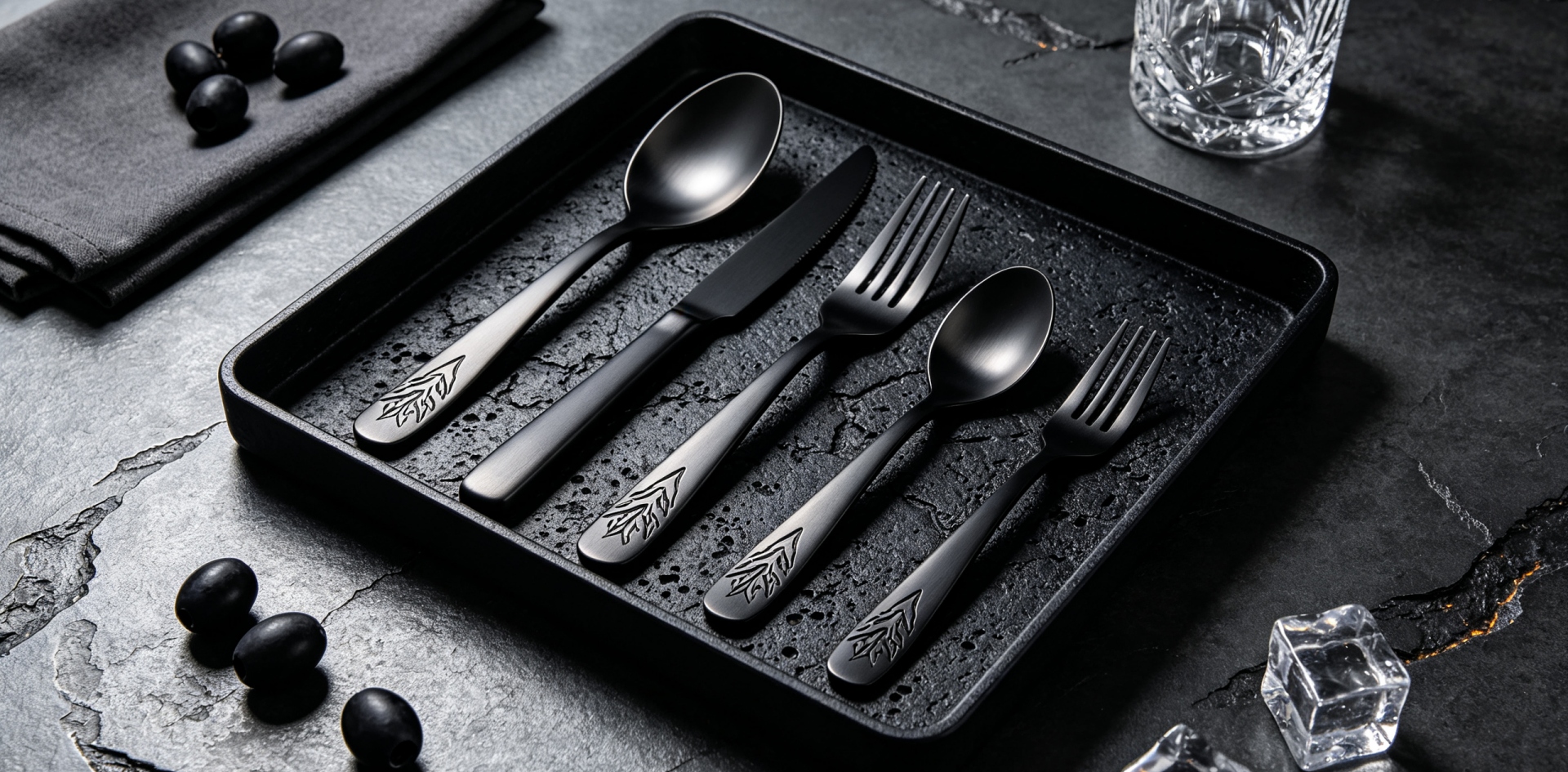
Stainless Steel Cutlery Retail Packaging Configuration for OEM and Private Label Orders
Retail packaging is an important part of a stainless steel cutlery product because it influences product protection, shelf presentation, storage efficiency and the customer's first impression. For importers, distributors, supermarket buyers and private label brands, choosing the right knives, forks and spoons is only one part of developing a successful retail-ready product. The packaging must also match the product dimensions, sales channel, brand positioning and shipping requirements.
Homefelt factory supports stainless steel cutlery OEM, ODM, wholesale and private label projects, helping B2B customers coordinate product specifications with packaging requirements. A clear packaging configuration at the beginning of a project can reduce repeated revisions, improve order communication and create a more consistent finished product.
Start with the Intended Sales Channel
Different retail channels require different packaging arrangements. A cutlery set displayed on a supermarket shelf may need a compact box with clear product visibility, while a premium gift set may require a rigid presentation box, protective insert and more detailed brand printing. Products supplied to online retailers may need additional protection against movement and handling during parcel delivery.
Before selecting a packaging format, buyers should identify how the product will be sold, displayed, stored and transported. Useful project details include the intended retail price range, target customer, number of pieces, packaging language, barcode requirements and expected shipping method.
For example, a distributor preparing a standard four-person tableware collection may prioritize compact packaging and efficient carton loading. A brand developing a premium collection may place greater emphasis on presentation, logo placement and the arrangement of individual pieces.
These requirements should be confirmed before the packaging design is finalized. Changing a box structure after the product layout has been approved can affect insert dimensions, printing artwork and outer carton measurements.
Match the Insert to the Actual Cutlery Dimensions
The packaging insert must hold every knife, fork and spoon securely without making removal difficult. A cavity that is too large may allow pieces to move during transportation, increasing the possibility of scratches. An insert that is too tight can make packing slower or create pressure marks on the product or protective wrapping.
The main dimensions to confirm include:
-
Overall length and maximum width of each cutlery piece
-
Handle shape, thickness and decorative features
-
Number and arrangement of knives, forks and spoons
-
Clearance between adjacent pieces
-
Insert material, thickness and cavity depth
-
Space required for protective film or individual sleeves
These measurements should come from approved production samples or confirmed technical drawings rather than approximate catalogue dimensions.
A practical development process is to arrange the actual cutlery pieces in the proposed insert, check that each item fits its assigned position, and then evaluate whether the complete package can be closed without excessive pressure. If the product includes colored finishes, polished surfaces or decorative handles, the insert should also minimize unnecessary contact between pieces.
Homefelt can coordinate packaging specifications with the customer's cutlery design, helping buyers review product arrangement before approving the final configuration.
Confirm Piece Count and Set Arrangement
Retail cutlery sets can contain different combinations of table knives, dinner forks, dinner spoons, teaspoons and serving pieces. The package artwork, insert layout and product description must all represent the same approved assortment.
For instance, a 16-piece set intended for four people may contain four knives, four forks, four dinner spoons and four teaspoons. This is only one possible configuration; the exact contents depend on the buyer's product plan.
Before bulk production, the buyer and factory should confirm the following information:
-
Total number of pieces in each retail unit
-
Name and quantity of every item
-
Product size and material specification
-
Placement of each piece in the insert
-
Any accessories or printed information included in the package
-
Whether the set is supplied as one retail unit or as multiple inner packs
A simple packing diagram can help purchasing, production, packaging and inspection teams work from the same information. It also gives the buyer a clear reference when checking samples and approving the finished set.
Choose Packaging Materials According to Project Needs
Packaging materials should be selected according to the product's weight, finish, selling price and distribution environment. Common options include printed paperboard boxes, rigid gift boxes, molded pulp inserts, paperboard dividers and suitable protective sleeves. The best choice depends on the balance between presentation, protection, cost and packing efficiency.
Paperboard packaging may suit everyday retail collections where compact storage and clear product information are priorities. Rigid boxes can support a more premium presentation, although they may require more storage space and affect shipping volume. Molded inserts or custom-cut dividers can help separate individual pieces, while sleeves provide an additional layer of surface protection when appropriate.
Buyers should review the complete package rather than judging materials independently. A visually attractive box may still be unsuitable if the insert does not hold the products securely or the closure cannot withstand routine handling.
Packaging material specifications should be documented, including material type, color, thickness where applicable, printing finish and insert construction. Where recycled or certified packaging materials are requested, the buyer should confirm the applicable documentation and product scope with the supplier before making claims on the retail package.
Plan Artwork, Logos and Product Information
Private label packaging often requires coordinated artwork across the front panel, side panels, insert cards and product labels. Logo size, color reproduction, product images, item descriptions and brand information should be reviewed together so that the finished package presents a consistent identity.
For OEM and ODM projects, buyers should provide clear artwork files, brand guidelines and required text before the packaging sample is prepared. The factory and buyer can then confirm printing dimensions, placement, color references and the location of any required product information.
Barcode and label requirements deserve particular attention. The barcode should have sufficient space and contrast for scanning, and its position should remain accessible after the package is assembled. If the product is sold in multiple markets, language requirements and local labeling rules should be checked for the intended destination.
A final artwork approval should identify the approved revision. This helps prevent outdated logos, incorrect product descriptions or superseded layouts from entering bulk production.
Evaluate Packaging Before Approving Bulk Orders
A packaging sample should be checked with the actual cutlery, not only as an empty box. Buyers can use a structured review to evaluate fit, appearance, assembly and handling performance.
First, verify that the number and type of cutlery pieces match the approved packing list. Next, inspect the insert to confirm that the pieces sit correctly and can be removed without damaging the finish. Check the box closure, printed artwork, labels and overall dimensions. Finally, evaluate whether the assembled package remains secure during reasonable handling.
For projects intended for parcel delivery or long-distance export, additional packaging tests may be appropriate. Depending on the distribution risk, buyers may request drop, vibration or compression testing of the packaged product. The applicable method and acceptance criteria should be agreed in advance; a test should not be described as passed unless supporting results are available.
Homefelt's project coordination can include review of cutlery specifications, packaging samples and agreed inspection documents. The exact scope should be confirmed for each order, particularly when a customer requires a specific test report or third-party inspection.
Calculate the Complete Packaging Cost
The retail box is only one element of the finished packaging cost. The total may include the insert, protective sleeves, printed materials, labels, assembly labor, individual retail cartons and export master cartons. For larger orders, buyers should compare packaging options based on the complete cost per retail unit rather than the price of the box alone.
Outer carton dimensions also influence warehouse handling and freight planning. A small change in retail box size can affect how many units fit into a master carton. Before finalizing the package, buyers should confirm the planned carton quantity, carton dimensions, gross weight and stacking requirements with the factory or logistics team.
If several cutlery collections share a similar box structure, a common packaging format may simplify purchasing and inventory management. However, standardization should not compromise product fit, protection or the presentation required for each range.
How Homefelt Supports OEM and Private Label Packaging Projects
Homefelt factory works with B2B buyers developing stainless steel knives, forks, spoons and complete cutlery sets for wholesale and branded retail programs. Packaging can be coordinated with product design, specifications, logo customization, sample approval and bulk production planning.
For an efficient quotation and development process, buyers should provide the intended set composition, target market, packaging style, artwork status, expected order quantity and any special testing or shipping requirements. If some details are not yet decided, the project can begin with a preliminary configuration and refine the specifications during sample development.
The factory's experience in stainless steel cutlery manufacturing supports discussions about product dimensions, finish options and set arrangements. Applicable business credentials and supporting documents can be reviewed according to the requirements of the specific project.
A well-defined packaging plan helps connect product quality with practical retail requirements. By confirming the product, insert, artwork, labeling and shipping configuration before mass production, buyers can reduce avoidable changes and prepare a more consistent product for their target market.
You May Be Interested In
Stainless Steel Cutlery Contract Specifications for Hospitality and Foodservice Buyers
Stainless Steel Cutlery International Distributor Planning for B2B Growth
Related Article



