
Stainless Steel Cutlery Sample to Order Supply for OEM and Bulk Buyers
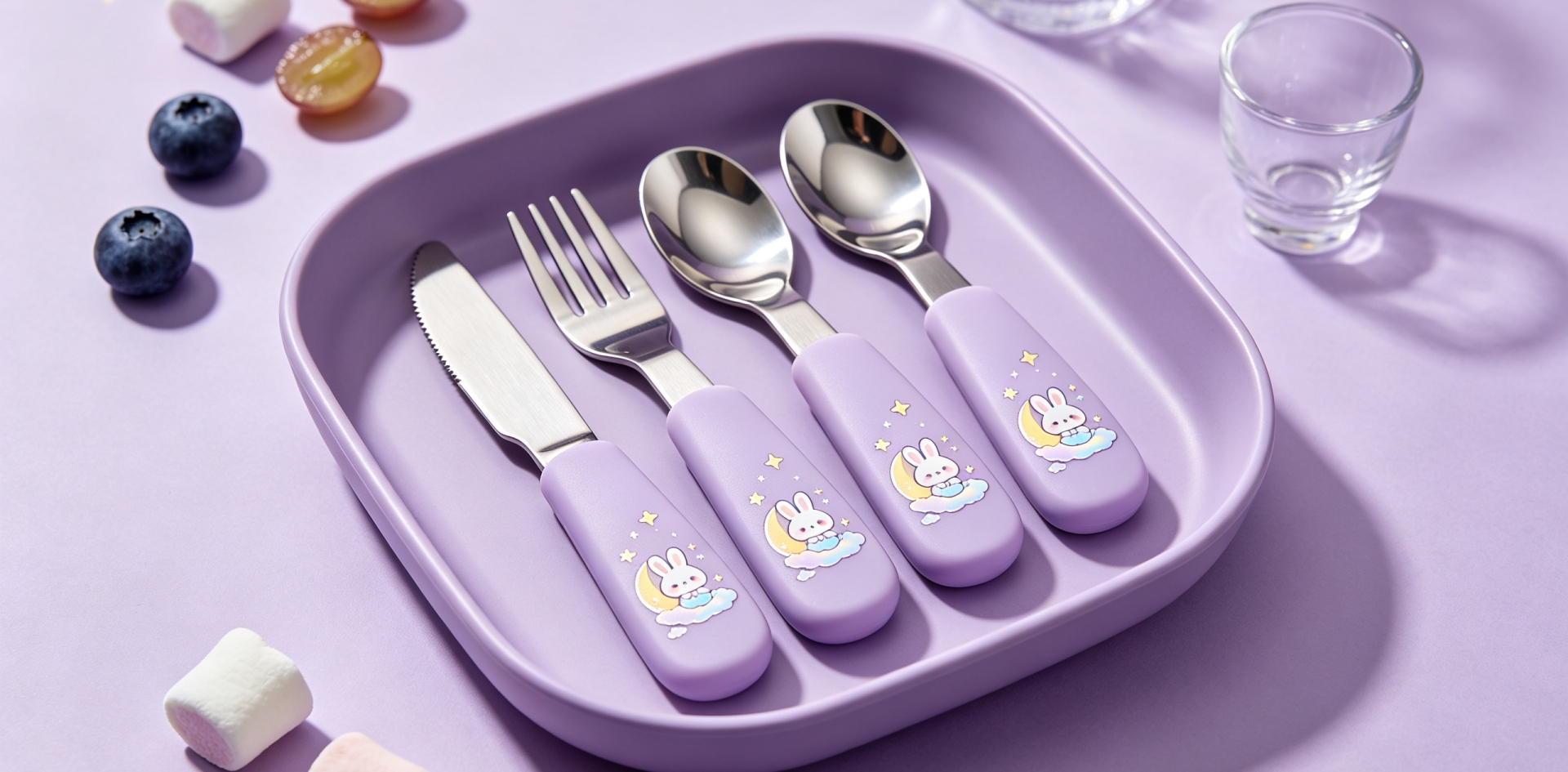
Stainless Steel Cutlery Sample to Order Supply for OEM and Bulk Buyers
For B2B cutlery buyers, a sample is often the point where product evaluation moves into a real purchasing decision. Buyers may need to compare several stainless steel spoons, forks and knives before selecting a collection for wholesale distribution, private label sales or commercial use.
However, approving a sample and producing a large order are two different stages. The supplier needs to understand the approved product accurately and then translate that requirement into stable bulk production. For buyers looking for a stainless steel cutlery factory, this transition is an important part of supplier evaluation.
Homefelt supports this process with stainless steel knife, fork and spoon manufacturing for OEM, ODM, private label, wholesale and bulk purchasing programs.
What Buyers Should Check During the Sample Stage
A useful cutlery sample should give the purchasing team enough information to evaluate the actual product rather than relying only on catalogue photographs.
Important points can include:
-
Stainless steel material and applicable specification
-
Overall product dimensions
-
Product weight
-
Surface treatment and appearance
-
Handle construction and visual details
-
Spoon, fork and knife proportions
-
Product marking requirements
-
Packaging method
-
Available customization options
-
Expected commercial order quantity
For a stainless steel flatware collection, it is also useful to compare the knife, fork and spoon as a group. Individual pieces may look attractive separately but should also form a coordinated collection when placed together on a table.
From Approved Sample to Production Specification
Once a buyer selects a sample, the next challenge is making sure the production team has a clear reference.
For OEM and ODM projects, the factory may need to confirm the product dimensions, material, surface treatment, packaging requirements and other specifications before mass production. This information becomes the working basis for the manufacturing team.
For example, a buyer may approve a stainless steel dinner spoon after checking its length, weight, bowl proportions and surface appearance. If the order later includes matching forks and knives, those pieces also need to be reviewed as part of the complete collection.
This stage is especially important for private label programs because the buyer may be planning to sell the products under its own brand. The approved product should therefore be clearly connected with the commercial specification used for production.
Why Factory Communication Matters
A sample is only useful when the factory can understand what the buyer has approved.
At Homefelt, customers can discuss product requirements directly around the stainless steel cutlery itself. Buyers can provide existing samples, product references, drawings or specific requirements, and the factory can review the information before moving toward bulk production.
The discussion may cover:
Product type: spoon, fork, knife or complete set
Material: selected stainless steel specification
Length: based on approved sample or required dimension
Weight: confirmed according to product design
Surface: polished, matte or other available treatment
Packaging: bulk, set packing or customized packaging
Order type: OEM, ODM, private label or wholesale
Quantity: according to project and replenishment requirements
The exact values should be confirmed for each product instead of assuming that one specification is suitable for every market.
Sample Approval for Different B2B Buyers
Different buyers use samples for different commercial purposes.
A distributor may need samples to present to downstream customers before placing a larger order. A private label brand may use the sample to approve its first collection. A foodservice supplier may compare several products before selecting a standard range.
For these buyers, the sample should help answer practical questions:
Does the product match the intended market position?
Are the knife, fork and spoon visually coordinated?
Does the specification meet the customer's purchasing requirements?
Can the factory support the required quantity?
Can the packaging be adapted to the sales channel?
Can the same product be supplied again when replenishment is needed?
These questions connect the sample stage with the eventual commercial order rather than treating sampling as an isolated activity.
Turning One Sample into a Complete Collection
A common B2B requirement is to start with one product and then develop a wider stainless steel cutlery collection.
For example, a buyer may initially evaluate a dinner spoon and later request a matching dinner fork, table knife and additional spoon types. In this situation, the factory needs to consider the collection as a whole.
Homefelt can support customers in developing coordinated stainless steel knife, fork and spoon programs. The factory's product experience helps buyers discuss specifications across multiple products while keeping the overall collection commercially practical.
This can be useful for OEM and ODM customers who want to build a differentiated flatware range instead of purchasing unrelated standard items.
Supporting Bulk Production After Approval
The value of a sample becomes clear when the project moves into bulk production.
Homefelt has around 40 years of experience in the stainless steel cutlery business and supports customers requiring wholesale and large-volume manufacturing. The factory has experience serving international buyers and can coordinate product manufacturing with packaging and transportation requirements.
For larger projects, customers can discuss the expected quantity and supply arrangement at the beginning. This allows the factory to understand whether the requirement involves a single bulk order, recurring purchasing or a broader private label program.
Certification and Factory Qualification
B2B buyers may also need supplier qualification information before moving from samples to an order. Homefelt has passed BSCI, SEDEX 4P, BRC, ISO9001 and Disney audit requirements, with FAMA and FSC certificates available for applicable business needs.
These materials can support a buyer's supplier review, while product samples, specifications and commercial discussions remain important parts of the purchasing decision.
One-Stop Service from Product to Shipment
A successful sample-to-order process does not end when the product is approved.
Depending on the project, Homefelt can coordinate product design, stainless steel cutlery manufacturing, packaging and transportation as a one-stop service. This gives B2B customers one factory partner for multiple stages of the purchasing process.
For OEM, ODM and private label buyers, this can also simplify communication when the product, packaging and shipment requirements need to be coordinated together.
Building a Repeatable Purchasing Program
For many wholesale and commercial buyers, the real objective is not one successful sample. It is establishing a product that can become part of a repeat purchasing program.
Once the buyer has confirmed the product requirements, the same collection can potentially support future orders, new market programs or additional sales channels. A factory that understands the original specification can become a more useful long-term supply partner.
Homefelt works with customers who need more than a single catalogue transaction. The goal is to provide a practical China-based service partnership covering product development, manufacturing, packaging and transportation, helping customers grow their stainless steel cutlery business over time.
If you already have a stainless steel cutlery sample, reference product or purchasing specification, you can send the details to ingrid@homefelt.net. Homefelt can review your requirement and discuss OEM, ODM, private label, wholesale or bulk production options.
Stainless Steel Cutlery Range for Distributors and Private Label Buyers
Restaurant Opening Stainless Steel Cutlery for OEM and Bulk Supply
Related Article



