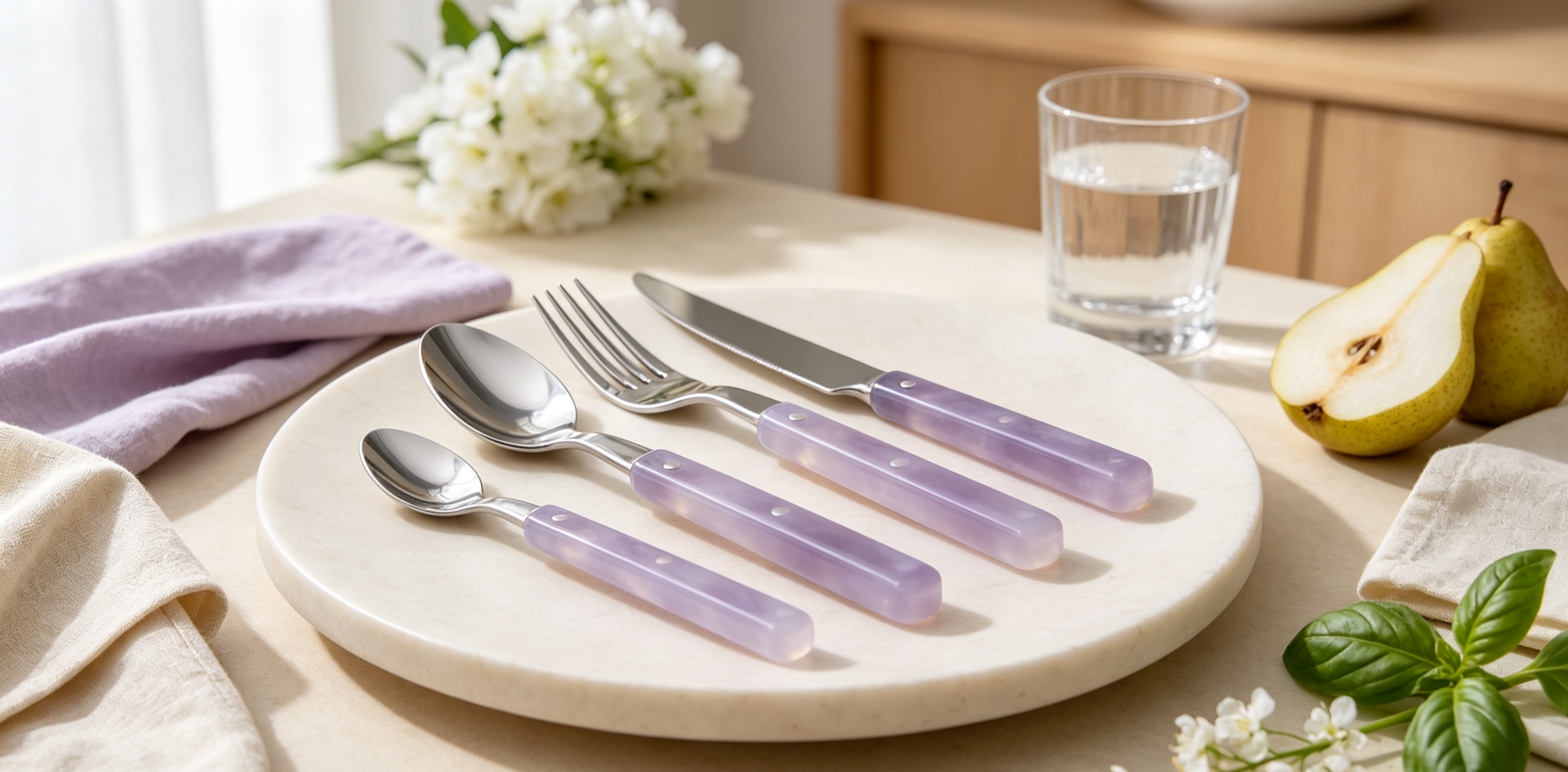
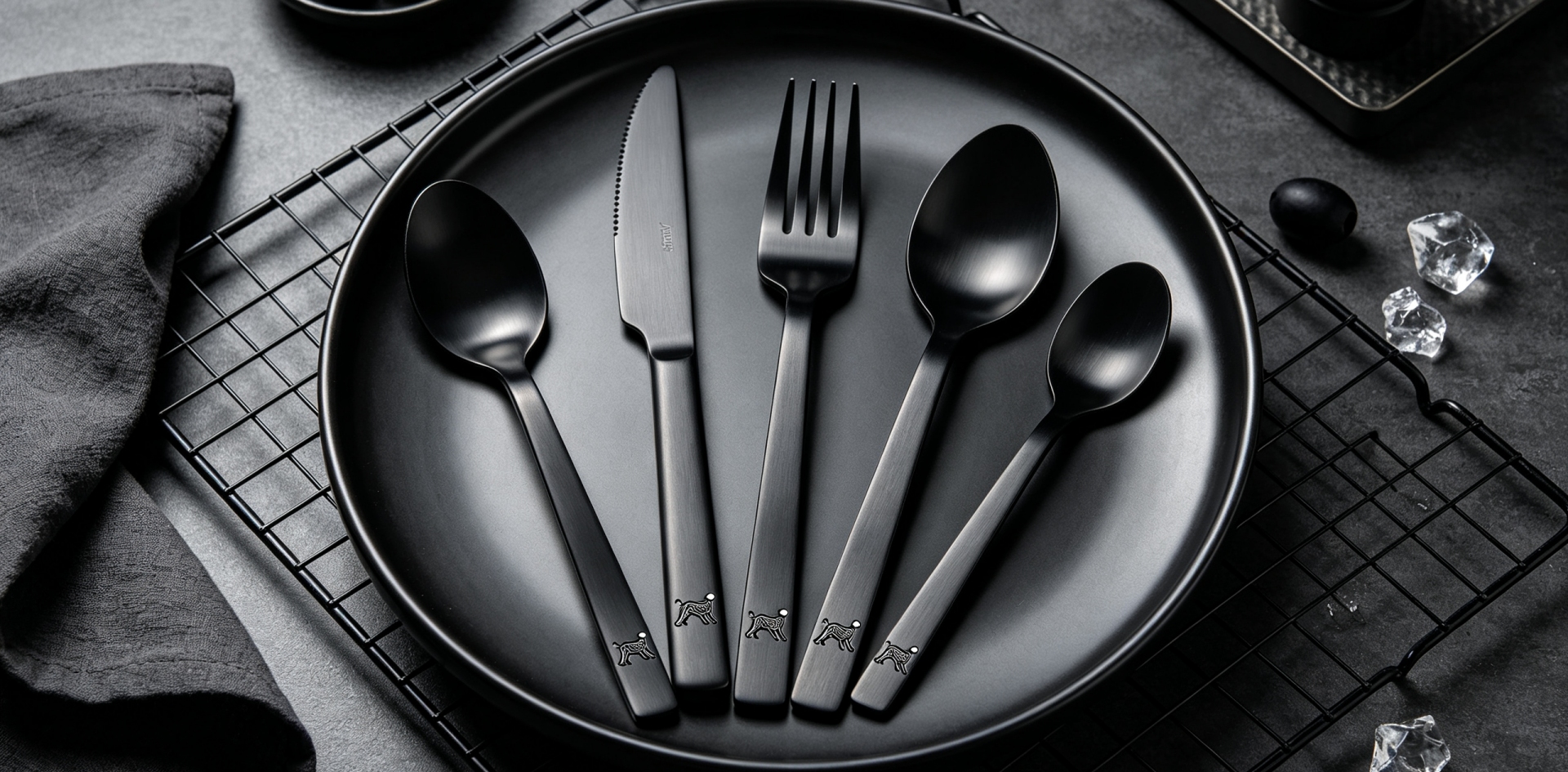
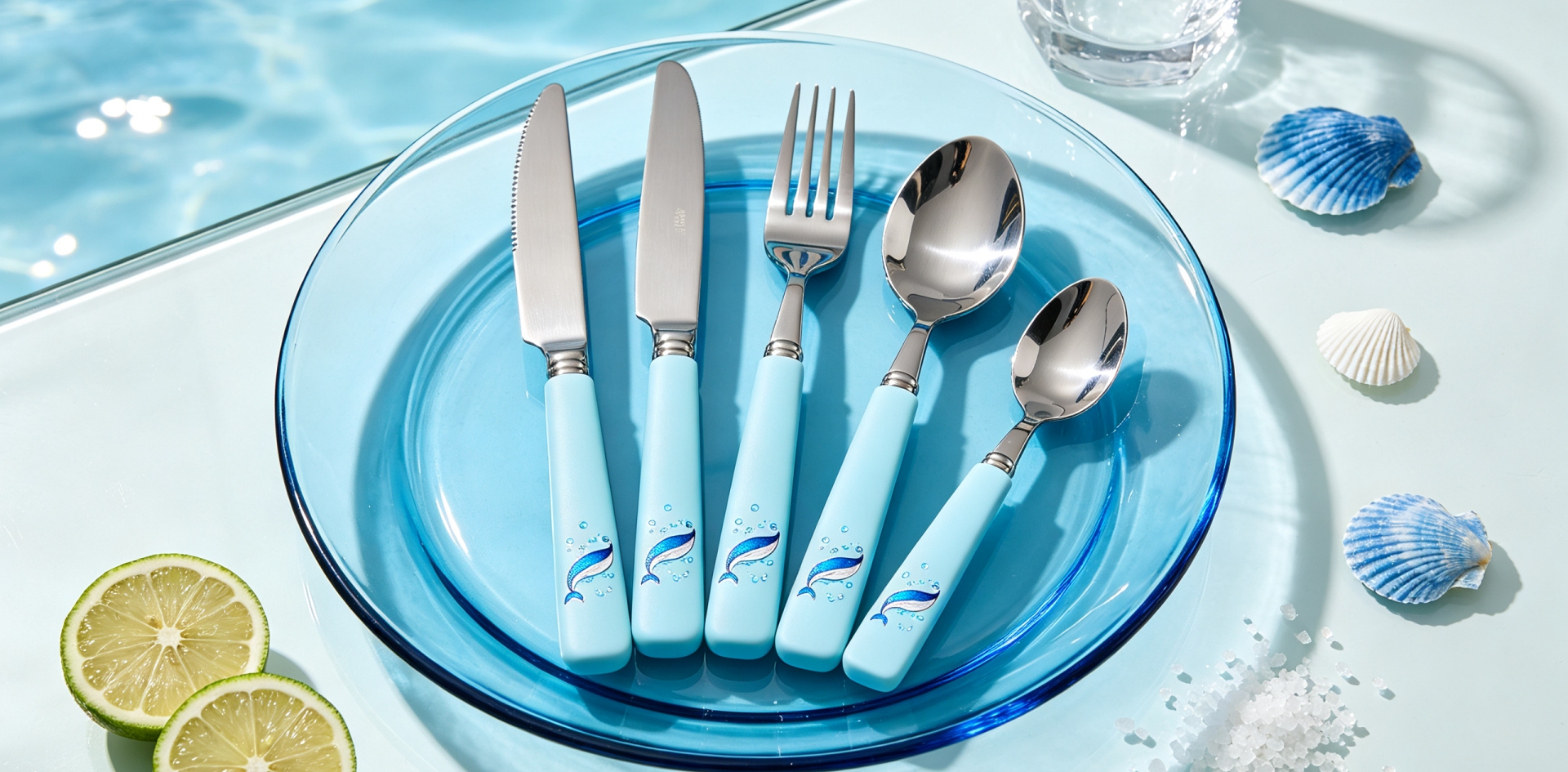
Stainless Steel Cutlery Manufacturer | A B2B Buyer’s Sourcing Guide
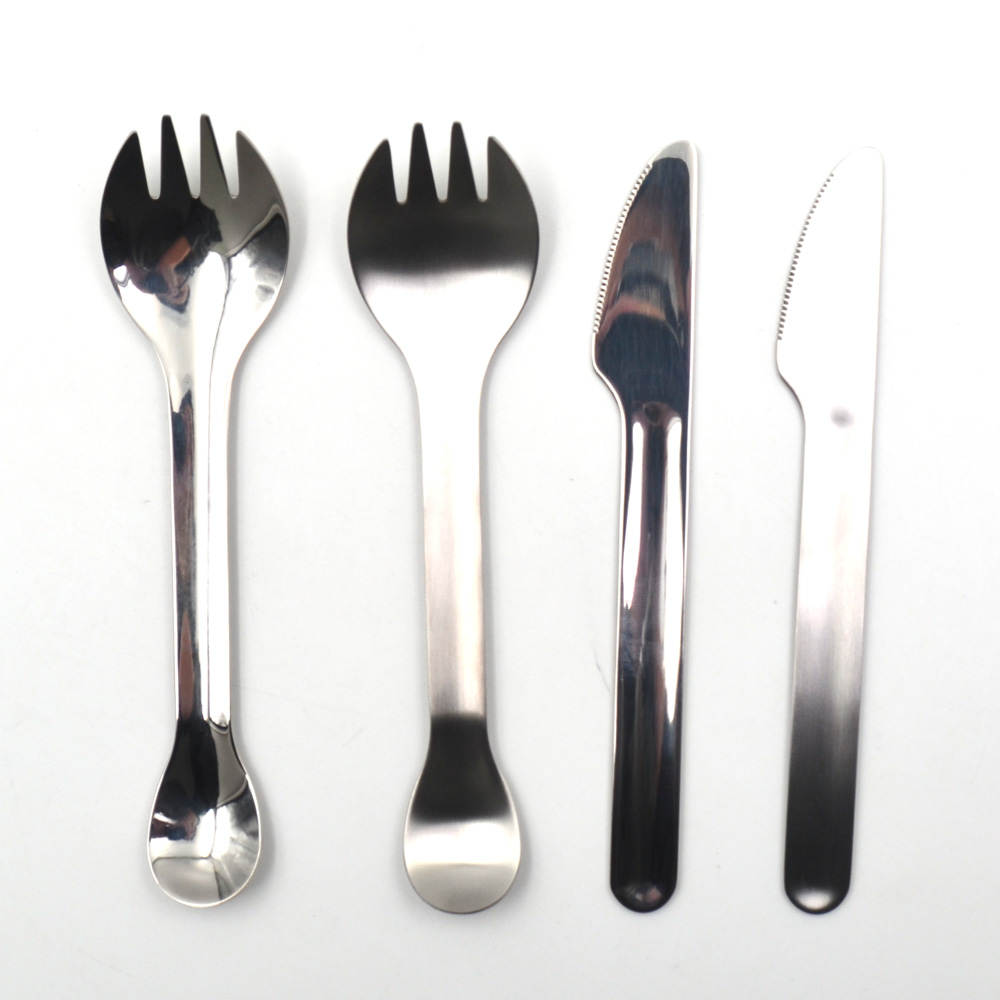
How to Use Chicago Cutlery Built-in Knife Sharpener
A dull knife can ruin the dining experience, making it harder to cut through food and increasing the risk of accidents in the kitchen. Fortunately, many high-quality knife sets, such as those from Homefelt, include a built-in knife sharpener that makes it easy to keep your knives in top condition. In this article, we’ll explore how to use a Chicago cutlery built-in knife sharpener and keep your knives sharp and ready for use.
What Is a Built-in Knife Sharpener?
A built-in knife sharpener is a convenient feature found in some knife sets. It’s designed to allow users to easily sharpen their knives between uses without the need for separate sharpening tools. This feature is particularly beneficial for keeping knives in optimal condition without the hassle of manual sharpening.
Steps to Use the Chicago Cutlery Built-in Knife Sharpener
Check the Sharpener Location: On Chicago cutlery sets that include a built-in sharpener, the sharpening mechanism is often located on the knife block. Familiarize yourself with the location to make the process easier.
Use the Correct Angle: When using the built-in sharpener, hold the knife at the proper angle—typically around 15 to 20 degrees. This ensures the edge of the knife is sharpened properly and uniformly.
Draw the Knife Through the Sharpener: With the knife held at the correct angle, gently draw it through the built-in sharpener. Be sure to move the blade from the base to the tip in a smooth, controlled motion. Repeat the process on both sides of the blade if necessary.
Check for Sharpness: After sharpening, test the knife by slicing through a piece of paper or a tomato. If the knife easily cuts through, it’s sharp and ready for use.
Why Choose Chicago Cutlery?
Chicago cutlery is renowned for its craftsmanship, and their built-in knife sharpeners make it easy to maintain your knives with minimal effort. If you are looking for a set that offers both style and functionality, consider the besteck szwarz or besteck wmf valencia, which come with built-in sharpeners to keep your blades in perfect condition. Homefelt, with over 30 years of experience in manufacturing high-quality kitchen tools, also offers a range of products designed to help you achieve the perfect dining experience.
Conclusion: Maintain Sharp Knives with Ease
Using a built-in knife sharpener, like the one in Chicago cutlery, ensures your knives are always ready for action. With regular sharpening, your cutlery will perform better, making food preparation easier and more enjoyable. For the best experience, choose high-quality products from Homefelt, such as besteck szwarz or besteck wmf valencia, to keep your kitchen tools in top shape.

Stainless Steel Cutlery Manufacturer: A Practical Sourcing Guide for B2B Buyers
Sourcing stainless steel cutlery is an important decision for wholesalers, distributors, retailers, hospitality suppliers and private label brands. While cutlery may appear to be a straightforward product, selecting the right manufacturing partner can have a significant impact on product quality, pricing, delivery and long-term supply.
For B2B buyers, the objective is usually not simply to find the lowest-priced spoon, fork or knife. A successful sourcing project needs to balance product specifications, manufacturing capability, customization, quality expectations, order quantities and long-term cooperation.
Working directly with a professional Stainless Steel Cutlery Manufacturer can give buyers a clearer understanding of how their products are made and how a customized order can be developed.
Define Your Cutlery Requirements Before Sourcing
A clear product requirement is one of the best starting points for any B2B sourcing project.
Before contacting manufacturers, buyers should determine what type of products they need and how the products will be sold.
The product range may include individual spoons, forks and knives, teaspoons, serving pieces or complete stainless steel flatware sets.
Other important requirements may include:
Stainless steel material
Product thickness
Product dimensions
Weight requirements
Handle design
Surface finish
Logo or branding
Packaging format
Estimated order quantity
Target market
Expected price range
Not every requirement needs to be finalized before contacting a supplier. However, providing basic information allows the manufacturer to understand the project more accurately.
If the buyer has product drawings, reference samples, photographs or existing specifications, these can also help communicate the intended product.
Finding a Manufacturer Rather Than a Trading Supplier
B2B buyers often encounter many companies when searching for stainless steel cutlery suppliers.
Some may be manufacturers, while others may operate primarily as trading companies or distributors.
The right choice depends on the buyer's project requirements.
For standard products, a trading supplier may sometimes be suitable. For custom cutlery, private label collections or long-term production, however, working directly with a Stainless Steel Cutlery Manufacturer can provide advantages.
A factory can generally communicate more directly about manufacturing requirements, product development, tooling, finishing and production arrangements.
Direct communication can also make it easier to discuss changes when a product needs to be customized.
This becomes particularly important when the project includes several SKUs or detailed product specifications.
Evaluating a Stainless Steel Cutlery Manufacturer
When comparing potential suppliers, buyers should look beyond product photographs and quoted prices.
A professional evaluation can include several areas.
Manufacturing experience is one important factor. A supplier with extensive experience in stainless steel cutlery is more familiar with the requirements involved in producing different product types.
Production capability is another consideration. Buyers should understand whether the supplier can support the required product range and customization requirements.
Quality management should also be evaluated. Consistent product specifications are particularly important for buyers planning repeat orders.
Communication is equally important. A supplier that understands product requirements and responds clearly can make the sourcing process much easier.
Finally, buyers should consider whether the manufacturer is suitable for long-term cooperation rather than only for one shipment.
Why Product Samples Matter in Cutlery Sourcing
Product samples provide B2B buyers with an opportunity to evaluate the actual cutlery before moving into larger production.
Photographs can show the general appearance of a product, but they cannot fully communicate weight, balance, handle feel or surface quality.
A sample can help buyers evaluate:
Overall shape
Dimensions
Weight
Handle proportions
Surface finish
Edge quality
Balance
Logo placement
Packaging presentation
For custom projects, samples are particularly useful because they provide a physical reference for the final product.
If changes are needed, they can be discussed before bulk production begins.
This can help reduce misunderstandings and unnecessary modifications later.
Sourcing Standard and Custom Cutlery
Not every B2B buyer needs a completely new product design.
Some buyers may simply want standard stainless steel cutlery with their own packaging or branding. Others may require customized handles, dimensions, finishes or complete product development.
A flexible manufacturer should be able to understand these different sourcing requirements.
Standard products can be suitable when speed and cost efficiency are priorities.
Custom products may be more appropriate when a retailer or brand wants to create differentiation in its market.
The right sourcing approach depends on the buyer's business model.
For example, a distributor may prefer established products that can be ordered repeatedly, while a private label brand may want a distinctive collection developed specifically for its customers.
Understanding Material and Product Specifications
Material is one of the basic considerations when sourcing stainless steel cutlery.
Buyers should clearly communicate their required stainless steel specification and confirm that the supplier can manufacture according to it.
However, material is only one part of the final product.
Thickness, forming, polishing, surface treatment and product construction can also influence the finished cutlery.
Two products made from stainless steel can have very different appearances and user experiences depending on their construction and finishing.
For this reason, B2B buyers should evaluate the complete product rather than selecting a supplier based only on material terminology.
Finishing Options for Different Market Requirements
The surface finish can significantly change the appearance of stainless steel flatware.
Polished products can provide a bright and classic appearance, while matte or other finishing approaches can create a more contemporary look.
The appropriate finish depends on the target market and product positioning.
For everyday household products, buyers may prefer a practical finish that fits a broad customer base.
For premium tableware, appearance and surface refinement may receive greater attention.
For hospitality applications, consistency across a large quantity of products can be particularly important.
Discussing the desired finish during the sampling stage helps both sides establish a clear reference before bulk production.
Considering Order Quantities and Future Demand
Order quantity is another important part of the sourcing process.
A buyer may have an initial forecast based on current sales, but future demand can change as the product enters the market.
When evaluating suppliers, it can therefore be useful to consider both the initial order and potential repeat orders.
A manufacturer suitable for long-term cooperation should be able to understand the buyer's expected development path.
For example, a brand may initially launch one spoon and fork collection and later add matching knives, teaspoons or complete flatware sets.
Choosing a supplier that can support product expansion can make future sourcing more efficient.
Packaging and Export Requirements
For B2B cutlery buyers, packaging is closely connected with logistics and sales channels.
Wholesale shipments may require protective bulk packaging, while retail products may need individual or set packaging.
The packaging format should protect the products during transportation while also meeting the buyer's commercial requirements.
Buyers should communicate packaging expectations as early as possible, especially when customized packaging is required.
Packaging may involve product quantities, branding, labels, barcodes and other information required for the intended market.
Including packaging requirements in the initial sourcing discussion helps prevent unexpected changes before shipment.
Comparing Supplier Quotes Correctly
Price is naturally an important part of B2B sourcing, but comparing quotations requires attention to what is actually included.
Two suppliers may quote different prices because their product specifications are different.
The comparison should consider factors such as material, thickness, weight, finishing, packaging, branding and order quantity.
A lower unit price may not represent better value if the product does not meet the buyer's quality requirements.
Likewise, a higher quotation may include additional customization or packaging that another supplier has excluded.
For this reason, buyers should compare equivalent specifications rather than simply comparing the numbers on two quotation sheets.
Communication During the Sourcing Process
Clear communication can make a significant difference in a custom cutlery project.
Buyers should provide detailed information where possible and ask manufacturers to confirm important specifications.
When discussing a product, it is useful to confirm:
What material will be used?
What are the product dimensions?
What thickness is required?
What finish will be applied?
How will the logo be handled?
What packaging is required?
What quantity is expected?
Will samples be provided before production?
How will repeat orders follow the approved specifications?
These questions help create a clearer understanding before an order is placed.
For international B2B buyers, clear communication also reduces the risk of misunderstandings caused by different terminology or expectations.
Building a Direct Factory Relationship
A successful sourcing relationship can become more valuable over time.
After completing the first project, the buyer and manufacturer become more familiar with product specifications, packaging requirements and quality expectations.
This can make repeat orders easier to manage.
The buyer may also be able to introduce additional products without beginning the sourcing process from the beginning.
For growing brands and distributors, this type of relationship can provide a more stable foundation for expanding a stainless steel tableware range.
A manufacturer that understands the buyer's existing products can also become a useful partner when new products are being considered.
Why Experience Matters When Sourcing Stainless Steel Cutlery
Stainless steel cutlery manufacturing involves many details that may not be obvious from a finished product.
Production experience helps manufacturers understand how product specifications, forming, finishing, quality control and packaging work together.
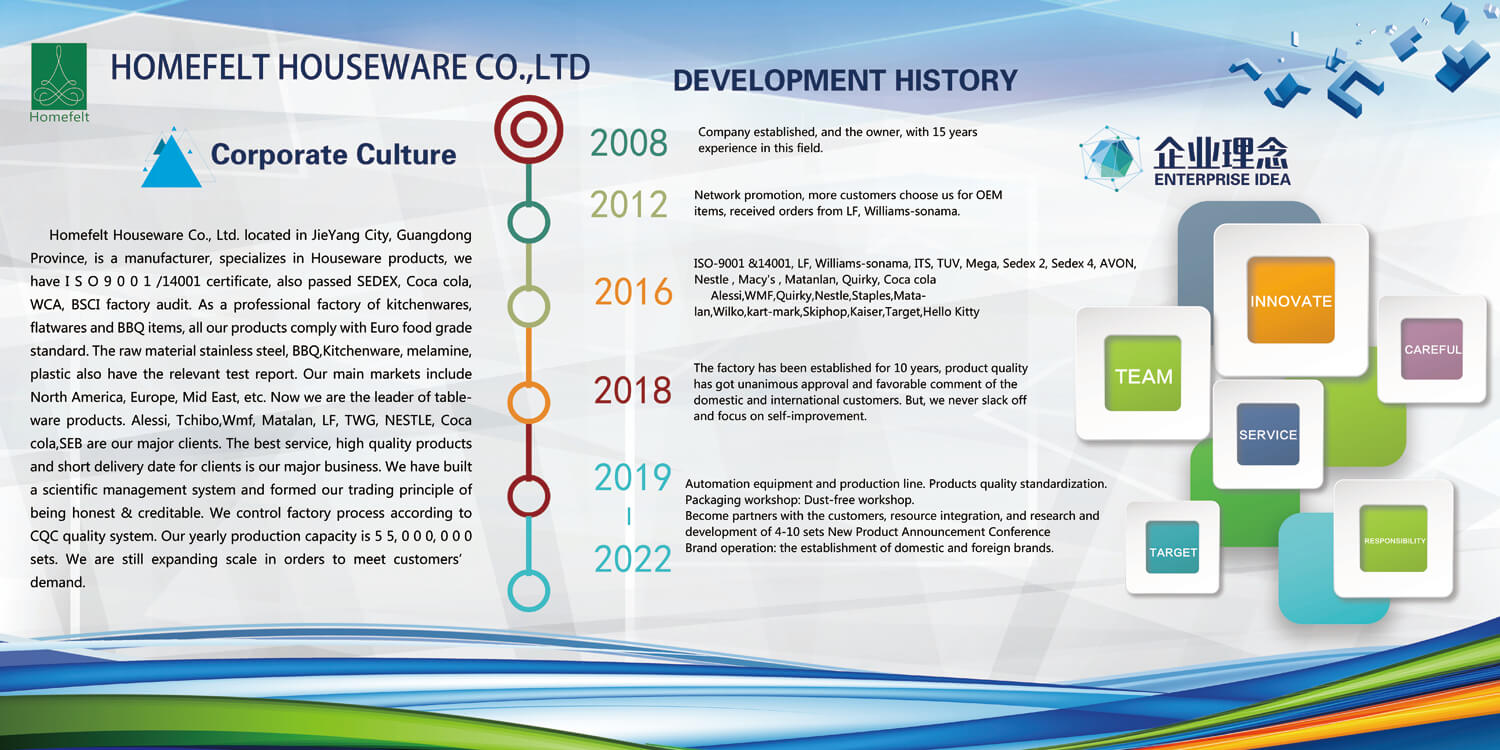
Homefelt has more than 40 years of experience in stainless steel cutlery manufacturing and has worked with international brands and B2B buyers. The company provides OEM, ODM and customized stainless steel cutlery solutions for different business requirements.
For buyers who are looking for a long-term manufacturing partner, experience can be particularly valuable when the project involves customized products or multiple product categories.
The goal is to create a sourcing relationship that works beyond the first order.
A Better Way to Approach Cutlery Sourcing
Successful B2B sourcing starts with a clear understanding of the product and the business objective.
Instead of choosing a supplier based only on a product photograph or the lowest quotation, buyers can evaluate manufacturing experience, product capability, customization options, quality expectations, communication and future supply potential.
The process can then follow a practical sequence:
Define the product requirements.
Identify suitable manufacturers.
Compare product and production capabilities.
Request samples.
Confirm specifications.
Review branding and packaging.
Evaluate the quotation based on equivalent requirements.
Approve the final product.
Move into bulk production.
Plan for repeat orders and future product expansion.
This approach gives both the buyer and manufacturer a clearer framework for cooperation.
Whether the requirement is a standard stainless steel spoon or a fully customized private label flatware collection, the sourcing process becomes more manageable when expectations are established early.
For wholesalers, distributors, retailers and brands, selecting the right Stainless Steel Cutlery Manufacturer is ultimately about creating a dependable supply relationship that supports both the current order and future business growth.
If you are currently sourcing stainless steel cutlery, preparing your product specifications and expected quantity is a good first step. You can then share your requirements with an experienced manufacturer for product evaluation, sampling and quotation.
The right supplier should not only provide a competitive product, but also understand your market, your specifications and your plans for future orders.
You May Be Interested In
Looking for a Stainless Steel Cutlery Manufacturer for Your Next Order? Request a Factory Quote
Need Help Sourcing Custom Stainless Steel Cutlery? Send Your Requirements
Comparing Cutlery Suppliers for Your Brand? Contact Our Manufacturing Team
Need Stainless Steel Flatware Samples Before a Bulk Order? Start Your Project
Looking for a Direct Cutlery Factory Supplier? Get in Touch With Us
Need OEM Cutlery for Your Wholesale Business? Request a Quote
Want to Source Custom Spoons, Forks and Knives? Send Your Product Details
Looking for a Long-Term Stainless Steel Tableware Supplier? Contact Our Factory
Need a Manufacturer for Your Private Label Cutlery Collection? Start an Inquiry
Ready to Source Stainless Steel Cutlery for Your Business? Send Your Requirements Today
How Long Does Compostable Cutlery Take to Decompose
How to Shine Stainless Steel Cutlery
Related Article