
Stainless Steel Cutlery Supplier Transition for OEM and Bulk Orders
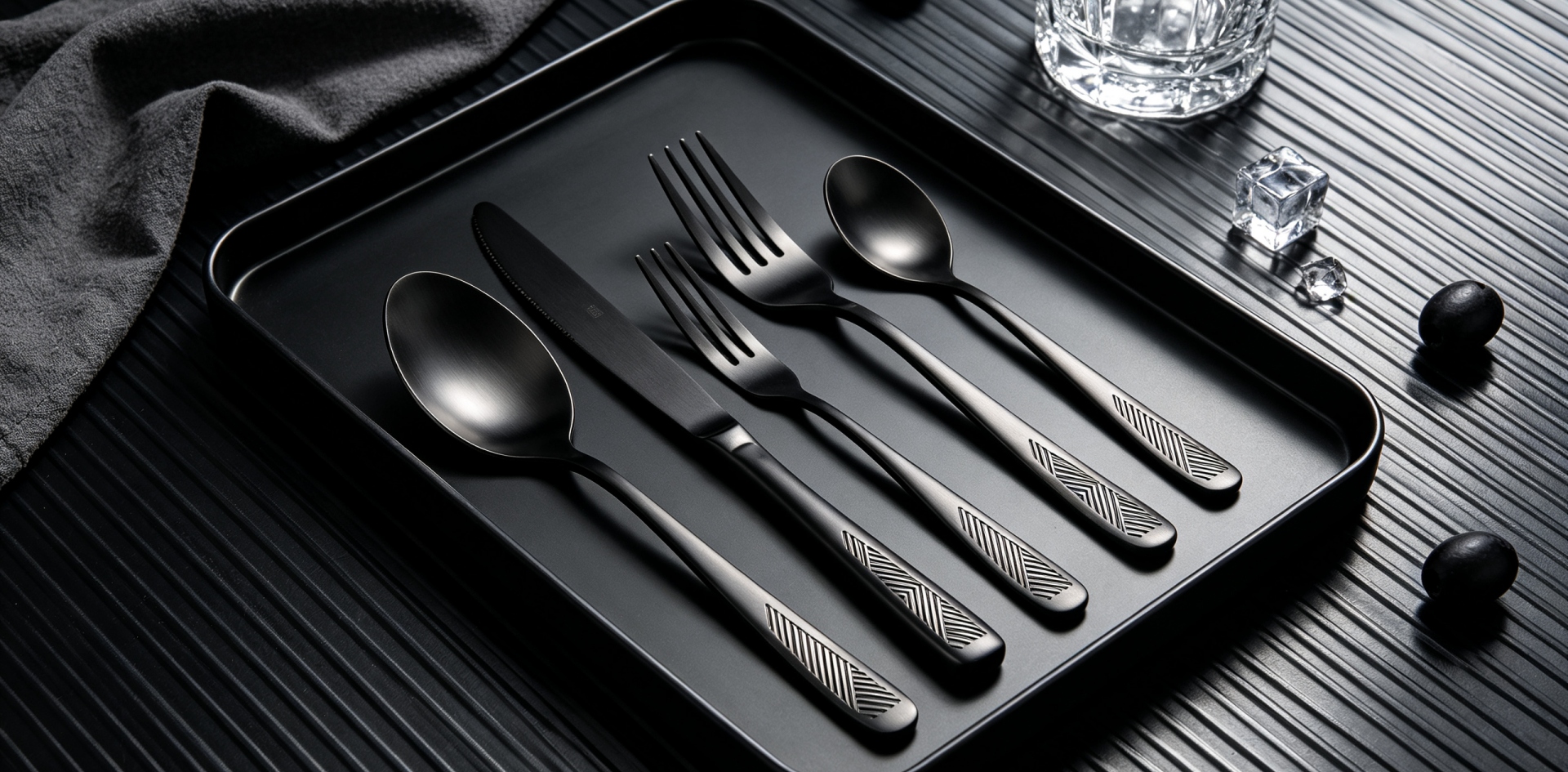
Stainless Steel Cutlery Supplier Transition for OEM and Bulk Orders
Changing or adding a stainless steel cutlery supplier is an important decision for brands, distributors and wholesalers. The objective is not simply to find another factory with a lower quotation. A new supplier needs to understand the existing product requirements, production expectations, packaging system and purchasing plan.
For buyers managing established stainless steel spoons, forks, knives or flatware sets, a smooth supplier transition can help reduce unnecessary disruption while creating opportunities for better product development and long-term cooperation.
Homefelt factory works with international B2B customers on OEM, ODM, private label, wholesale and bulk stainless steel cutlery projects, providing manufacturing, product design coordination, packaging and transportation as a one-stop service.
When Should a Buyer Consider a New Supplier?
There are many reasons for reviewing a stainless steel cutlery supplier.
A buyer may be expanding into new markets, increasing order volumes, developing private-label products or looking for a factory with stronger cutlery specialization. In other situations, the existing supplier may no longer match the buyer's required product range or service model.
Some buyers also prefer to have more than one qualified manufacturing source for their important products.
The reason can be different for every company, but the evaluation process should remain focused on practical supply capability.
Understanding the Existing Product Requirements
Before moving an established product to a new manufacturer, the buyer should first organize the available product information.
This can include:
-
Existing product samples
-
Product drawings or specifications
-
Stainless steel material requirements
-
Dimensions and approximate weight
-
Surface treatment
-
Packaging configuration
-
Branding requirements
-
Current order quantities
-
Expected future volume
-
Inspection or testing requirements
Having this information available gives the new supplier a clearer starting point.
For Homefelt, a physical reference sample, drawing or detailed product description can be used to understand the customer's existing requirements before discussing production options.
The goal is to avoid changing important product characteristics simply because the manufacturing source has changed.
Comparing Suppliers Beyond Unit Price
Price is naturally an important part of B2B purchasing, but it should not be the only comparison point.
For stainless steel cutlery, buyers should also consider whether the supplier understands the product category, can support the required order volume and has experience with international customers.
Other useful evaluation points include:
-
Manufacturing specialization
-
Product development capability
-
OEM and ODM experience
-
Private-label support
-
Production capacity
-
Packaging coordination
-
Inspection procedures
-
Export experience
-
Communication efficiency
-
Transportation support
A supplier that can coordinate several of these areas may provide greater value over the full purchasing cycle than a supplier selected only because of the initial quotation.
Why a Specialized Cutlery Factory Matters
Stainless steel cutlery has many product-specific requirements. A factory specializing in knives, forks, spoons and flatware can communicate directly with buyers about these products without treating cutlery as a secondary product category.
Homefelt has focused on stainless steel cutlery manufacturing for decades. The factory supports products including stainless steel spoons, forks, knives and complete flatware sets.
This specialization is useful when a customer needs to transfer an existing product, develop a related item or prepare a larger wholesale order.
Instead of starting every discussion from a general manufacturing perspective, the buyer can communicate directly about the cutlery itself.
OEM and ODM During Supplier Transition
Changing suppliers does not always mean reproducing an existing product exactly.
Some buyers use a supplier transition as an opportunity to improve an existing collection. Others may want to maintain their current products while developing additional OEM or ODM items with the new factory.
This creates two possible approaches.
For an OEM project, the buyer can provide established specifications, drawings or samples for manufacturing reference.
For an ODM project, the buyer may provide a target market, design direction or general concept and work with the factory to develop a suitable product.
Homefelt can support both approaches depending on the customer's requirements and level of product development.
Private Label and Branding Continuity
For private-label buyers, supplier changes also need to consider branding.
The stainless steel cutlery itself is only one part of the commercial product. Packaging, labels, set configurations and presentation may all need to remain consistent with the brand's existing market identity.
A new manufacturer therefore needs to understand the complete product requirement rather than only the physical cutlery.
Homefelt can coordinate private-label production together with packaging requirements so that product manufacturing and presentation can be discussed as part of one project.
This is especially useful for wholesalers and brands that need to maintain a consistent product identity across repeated orders.
Bulk Production After Qualification
Once a new supplier has been evaluated, the next challenge is moving toward regular production.
The buyer may begin with a limited production project before increasing order volume. During this stage, both sides can establish practical communication around product requirements, packaging, inspection and shipment.
For a specialized factory, this process also provides an opportunity to understand the customer's purchasing habits and long-term expectations.
Homefelt supports wholesale and large-volume stainless steel cutlery production and can work with customers as their order requirements develop.
One-Stop Support for the Supply Process
Supplier transition becomes more complicated when product manufacturing, packaging and transportation are handled by completely separate parties.
Homefelt provides one-stop support covering product design coordination, stainless steel cutlery manufacturing, packaging and transportation.
This allows customers to communicate their requirements through one factory and coordinate the major stages of the order from product development to shipment.
For international buyers, this can make the purchasing process easier to manage, especially when the order contains several stainless steel cutlery products or customized packaging.
Experience Behind the Manufacturing Service
Homefelt has 40 years of experience in the stainless steel cutlery business and has worked with international customers on different OEM, ODM, wholesale and bulk projects.
The factory's experience with stainless steel spoons, forks, knives and flatware sets helps the team understand the practical requirements involved in transferring an existing product or developing a new one.
Long-term manufacturing experience is particularly useful when the buyer's requirements are not limited to a standard catalog product.
The factory can communicate with the customer about product design, specifications, packaging and shipment requirements as one connected project.
Factory Qualifications and Supporting Documents
Supplier evaluation may also require factory qualification and supporting documentation.
Homefelt has passed BSCI, SEDEX 4P, BRC and ISO9001 requirements, as well as Disney audit requirements. FAMA and FSC certifications are also available within the relevant business and documentation system.
Depending on the customer's market and project, applicable product specifications, inspection records and testing documents can be discussed during supplier evaluation.
The purpose is to give buyers a practical understanding of both manufacturing capability and the documentation available for their specific project.
Building a More Stable Long-Term Partnership
The ideal result of a supplier transition is not simply completing the first order. It is establishing a manufacturing relationship that can support future purchasing requirements.
As the buyer's business develops, the factory may need to support larger quantities, new products, updated packaging or additional private-label collections.
Homefelt aims to become a long-term China service partner for customers rather than only a source for one purchase. The factory can provide OEM, ODM, private-label, wholesale and bulk stainless steel cutlery manufacturing together with product design, packaging and transportation support.
If you are considering changing suppliers, adding a second manufacturing source or moving an existing stainless steel cutlery project to a specialized factory, you can send your current product information, samples, specifications and estimated order quantity to Homefelt.
The team can review the requirements and discuss a suitable manufacturing solution based on your actual purchasing needs.
Exclusive Stainless Steel Cutlery for Distributors and OEM Programs
Stainless Steel Cutlery Line Expansion for OEM and Wholesale Growth
Related Article



