
Stainless Steel Cutlery Surface Finish Options for Custom Collections
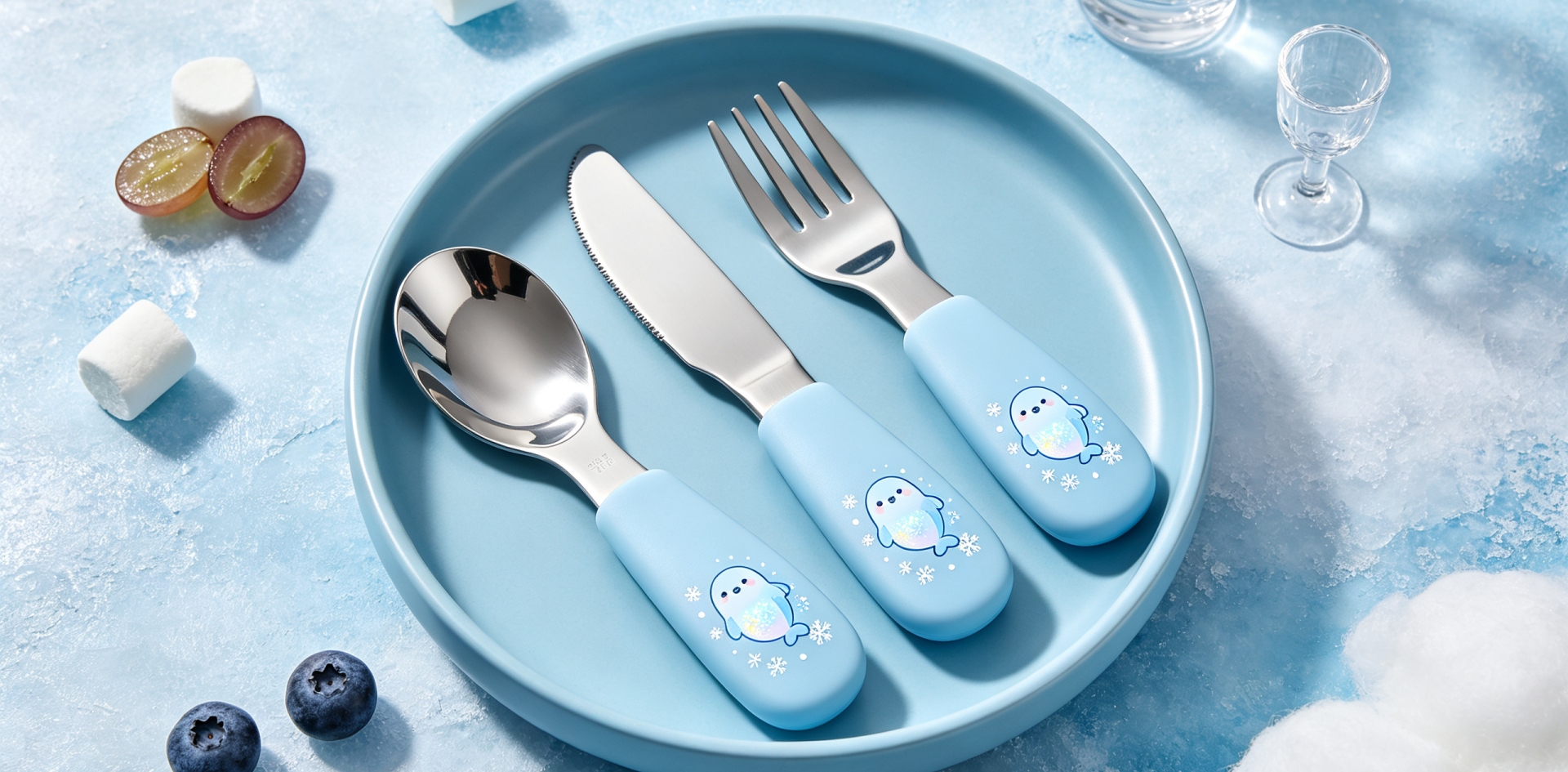
Stainless Steel Cutlery Surface Finish Options for Custom Collections
The surface finish of stainless steel cutlery can significantly change the appearance of a spoon, fork or knife.
Two products made from similar stainless steel materials can create very different visual effects depending on whether the surface is highly reflective, softly brushed or finished with a more matte appearance.
For B2B buyers, surface finish is therefore more than an aesthetic detail. It can influence how a product fits into a collection, how it matches a brand's positioning and how the finished cutlery is presented to customers.
Homefelt factory specializes in stainless steel knives, forks, spoons and complete flatware sets for international wholesale, OEM, ODM and private label projects. With more than 40 years of experience in stainless steel cutlery manufacturing, Homefelt can support customers in selecting and developing suitable product finishes for different projects.
Why Surface Finish Matters
When a buyer develops a new cutlery collection, the first consideration may be the handle or overall shape.
However, once the product design has been established, the surface finish can have a strong influence on the final appearance.
A reflective finish can emphasize clean lines and polished surfaces.
A brushed or satin finish can create a softer visual effect.
A matte appearance can give a collection a more understated style.
The appropriate choice depends on the product design and the market in which the cutlery will be sold.
Mirror Finish Stainless Steel Cutlery
Mirror finishing creates a bright and highly reflective surface.
It is commonly selected when the buyer wants the stainless steel cutlery to have a polished and refined appearance.
For a complete collection, mirror finishing can create a strong visual connection between the spoon, fork and knife.
It can also highlight the shape of the handle and other design details.
When selecting a mirror finish for a custom project, buyers can discuss the expected appearance with the manufacturer and confirm the result during sample approval.
Satin and Brushed Finishes
Satin and brushed finishes provide a different visual effect from highly polished surfaces.
The surface generally appears softer and less reflective, which can suit product collections with a modern or understated design direction.
For B2B projects, the finish can be selected according to the overall product concept.
A simple handle design combined with a satin finish may create a different appearance from the same handle with a highly reflective finish.
For this reason, buyers should evaluate the finish together with the complete product rather than selecting it independently.
Matte Appearance for Modern Flatware Collections
Some stainless steel cutlery projects require a more contemporary visual style.
A matte appearance can be considered when the customer wants the product to look less reflective and more restrained.
The final effect depends on the product design, material and finishing requirements.
For a private label collection, the surface finish can also be coordinated with packaging and other products in the same range.
This can help create a more consistent visual presentation across the complete product line.
Matching the Finish Across Spoon, Fork and Knife
A complete flatware collection usually contains several different pieces.
A typical combination may include:
-
Table spoon
-
Table fork
-
Table knife
-
Dessert spoon
-
Teaspoon
Although each product has its own functional structure, the surface finish should normally be coordinated.
If the spoon has a highly polished surface while the fork and knife have a noticeably different appearance, the collection may not look visually consistent.
For custom projects, the finish can therefore be confirmed as a collection specification.
This is especially important for private label brands and retailers selling complete cutlery sets.
Surface Finish and Handle Design
The relationship between handle design and surface treatment should also be considered.
A decorative handle may require a finish that highlights its shape.
A minimalist handle may work with either a polished or softer surface depending on the intended product positioning.
For OEM and ODM projects, buyers can provide drawings, product images or reference samples to communicate their preferred appearance.
Homefelt can then discuss the appropriate production requirements before sample confirmation.
Surface Finish and Product Positioning
Different B2B customers may have different expectations.
A retail brand may want a distinctive appearance that separates its product from standard flatware.
A restaurant supplier may prefer a practical collection with a consistent finish across multiple products.
A distributor may require several styles for different customer groups.
The surface finish should therefore be considered together with the target market, product design and expected price positioning.
There is no single finish that is suitable for every cutlery project.
Confirming Finish Requirements Before Production
Surface finish should be clearly defined before mass production.
A specification can include the selected finish, reference sample, product photographs and other relevant requirements.
For customized products, sample approval is particularly useful because it allows the buyer to evaluate the actual appearance before a large production run.
Once the finish has been approved, the agreed specification can become part of the production reference for future orders.
This can help maintain consistency when the customer reorders the same product.
Customizing the Finish for a Private Label Project
Private label customers often want their cutlery to have a clear visual identity.
In addition to handle design and logo customization, surface treatment can contribute to that identity.
The buyer can combine:
-
Custom handle design
-
Selected stainless steel material
-
Specific surface finish
-
Logo customization
-
Coordinated spoon, fork and knife designs
-
Customized packaging
Together, these elements can create a more complete private label product.
For customers planning a longer product range, the same design language can also be applied to additional cutlery pieces.
OEM and ODM Surface Finish Development
For OEM projects, customers may already know the required finish and provide a reference product or approved sample.
For ODM projects, the buyer may need help determining which finish works best with the proposed design.
The factory can discuss the product concept, target market and expected appearance before the final specification is confirmed.
This is particularly useful when a customer is developing a new collection and does not yet have a complete technical specification.
One-Stop Cutlery Customization
Surface finish is only one part of a complete B2B cutlery project.
Homefelt can also support customers with product design, material selection, dimensions, handle customization, logo requirements, packaging, bulk production and shipping arrangements.
This one-stop approach allows customers to discuss the product and its commercial requirements together.
For example, a private label brand can discuss its cutlery design, surface finish, logo and retail packaging within the same project.
A distributor can provide its required product specifications and quantity and discuss a suitable production solution.
A restaurant supplier can communicate the requirements for a complete collection and coordinate the related packaging and delivery arrangements.
Supporting Long-Term Product Consistency
For B2B customers, consistency is important when the same product is reordered.
If a stainless steel spoon, fork or knife becomes part of a customer's regular product range, future production should follow the approved design and finish.
This is why clear specifications and sample approval can be valuable during product development.
Homefelt's long experience in stainless steel cutlery manufacturing allows the factory to work with customers on both individual products and larger product programs.
The goal is to help customers establish a practical product specification that can support future bulk orders.
From Product Design to Shipment
A customized cutlery project can involve many stages beyond selecting a surface finish.
Homefelt can provide one-stop support covering:
-
Product design
-
Stainless steel cutlery customization
-
OEM and ODM manufacturing
-
Private label development
-
Sample confirmation
-
Packaging coordination
-
Bulk production
-
Shipment arrangements
Customers can choose the level of service according to their own situation.
If you already have a finished product specification, the factory can work according to your requirements.
If you only have a product image, sample or general concept, you can also contact the team to discuss the development process.
How to Develop Custom Stainless Steel Cutlery Set Combinations
Stainless Steel Cutlery Functional Design for Custom B2B Collections
Related Article



