Stainless Steel Flatware Handle Transition for OEM and Custom Orders
Stainless Steel Flatware Handle Transition for OEM and Custom Orders
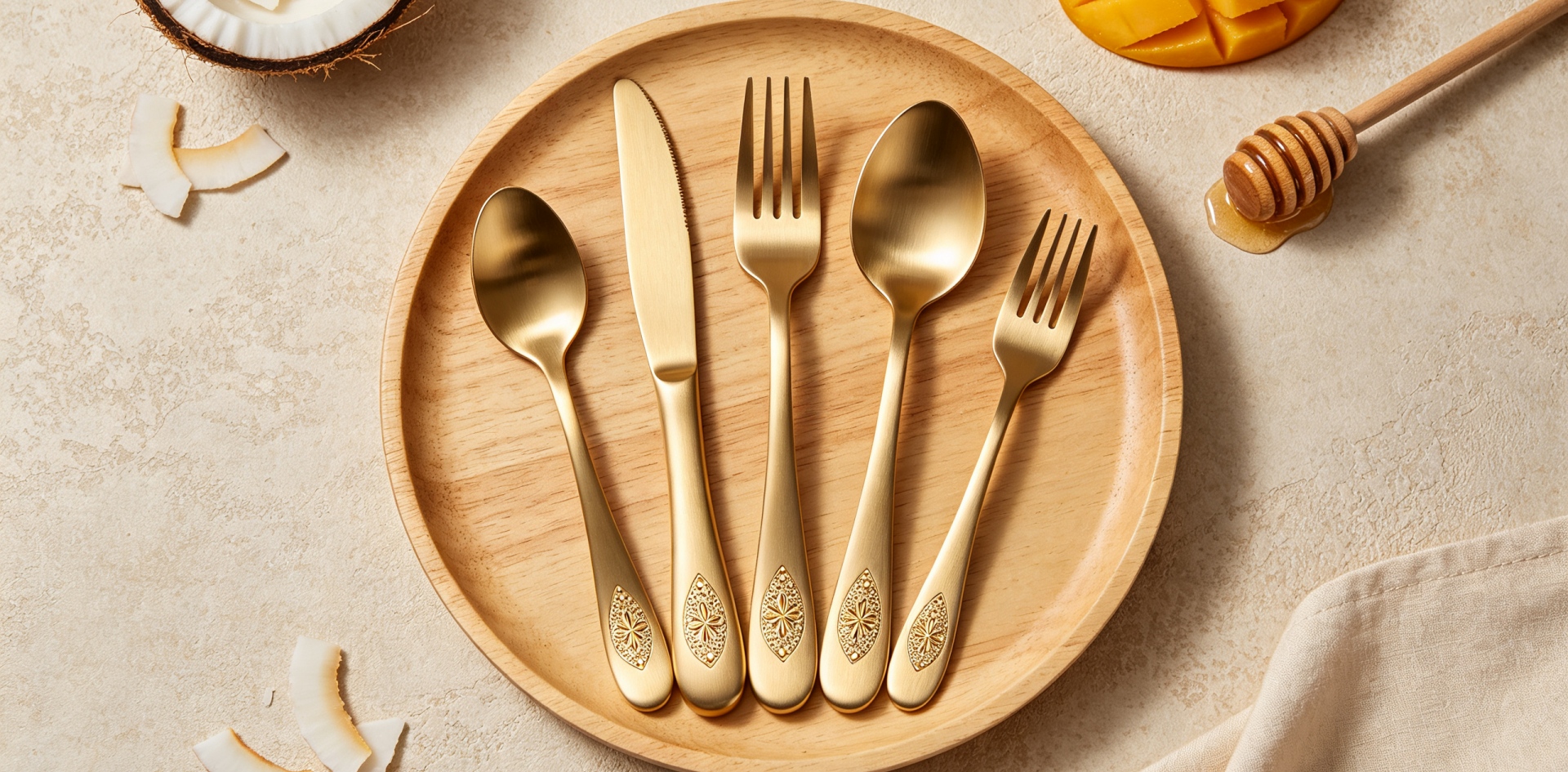
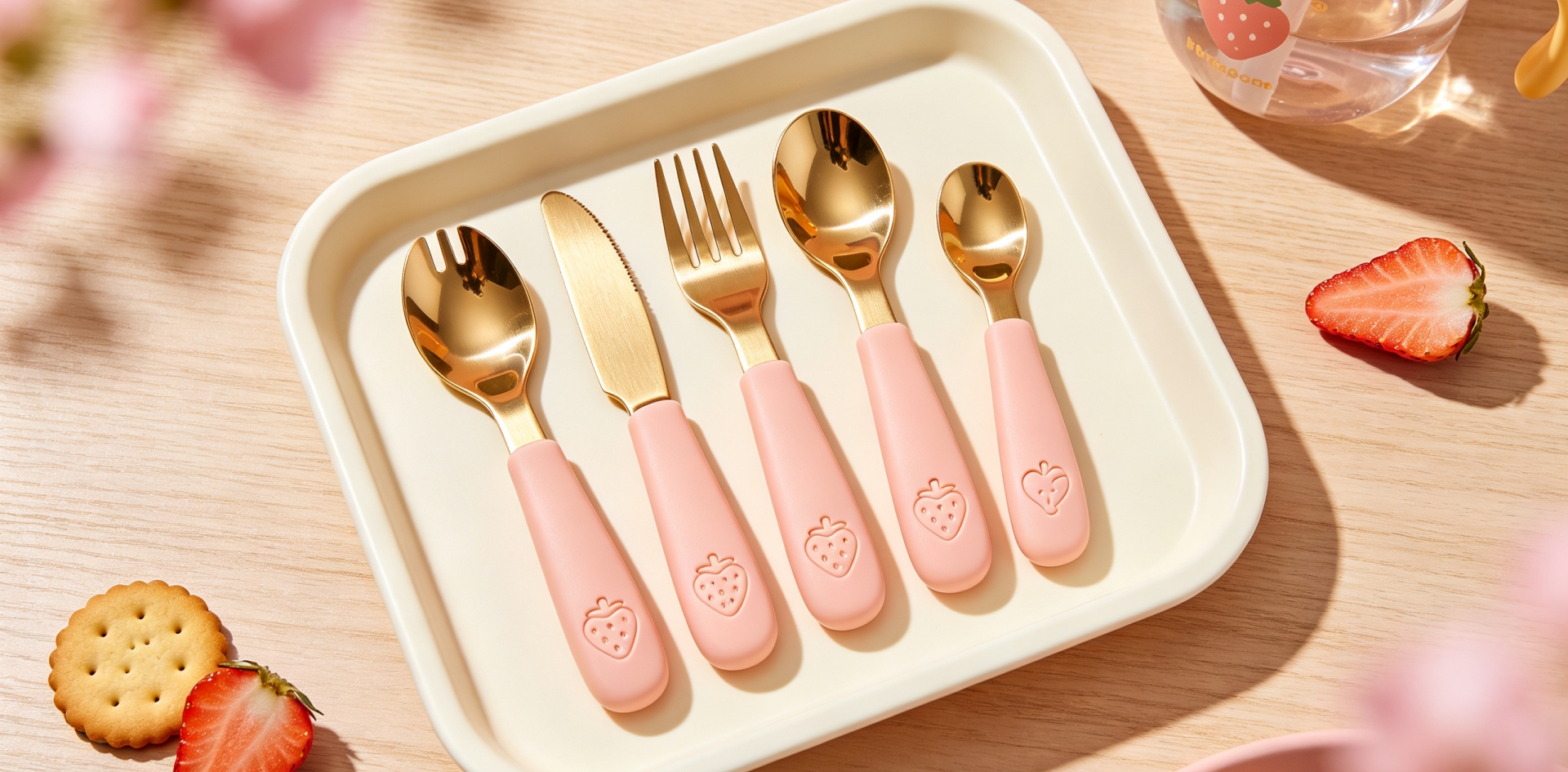
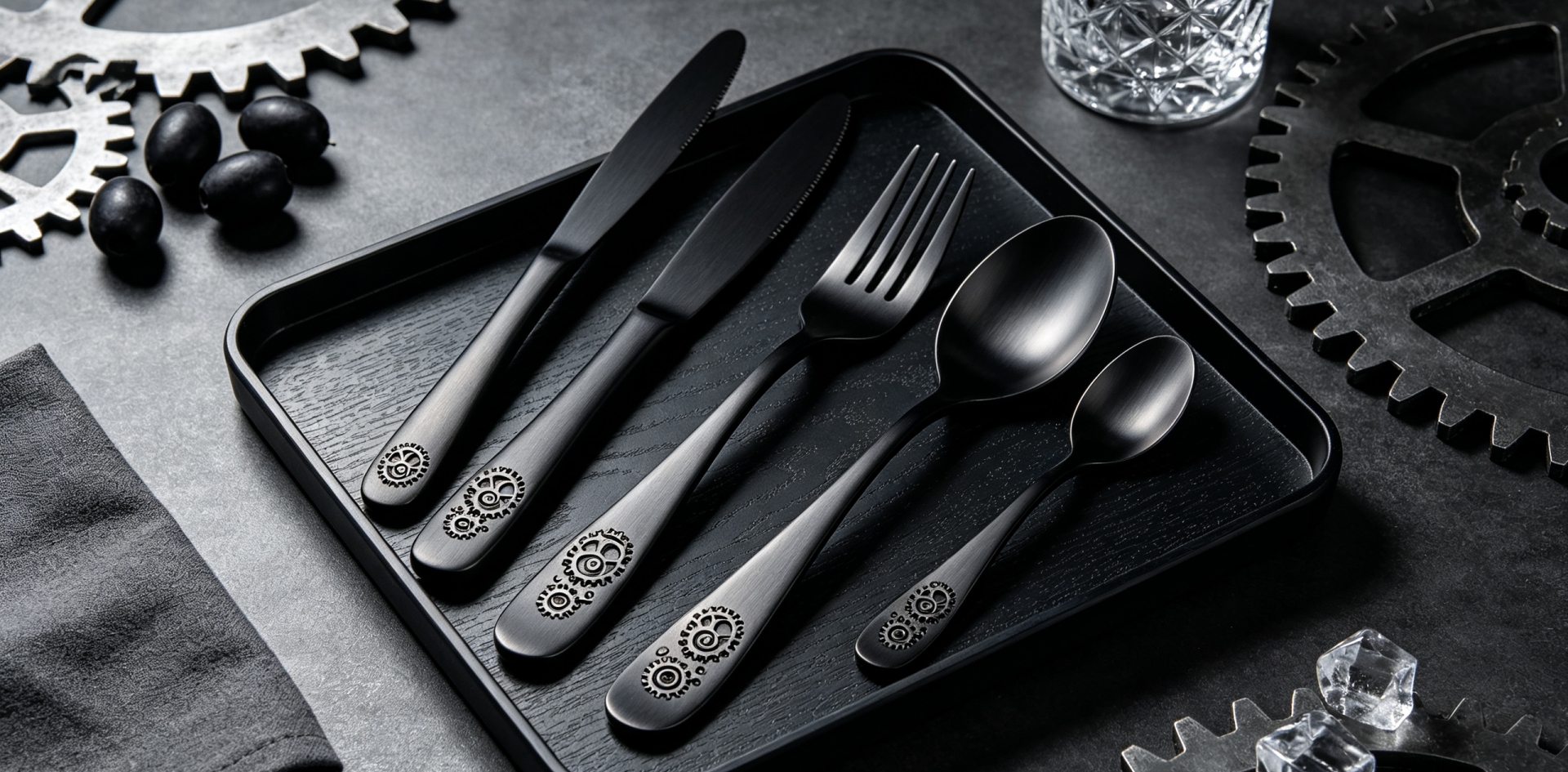
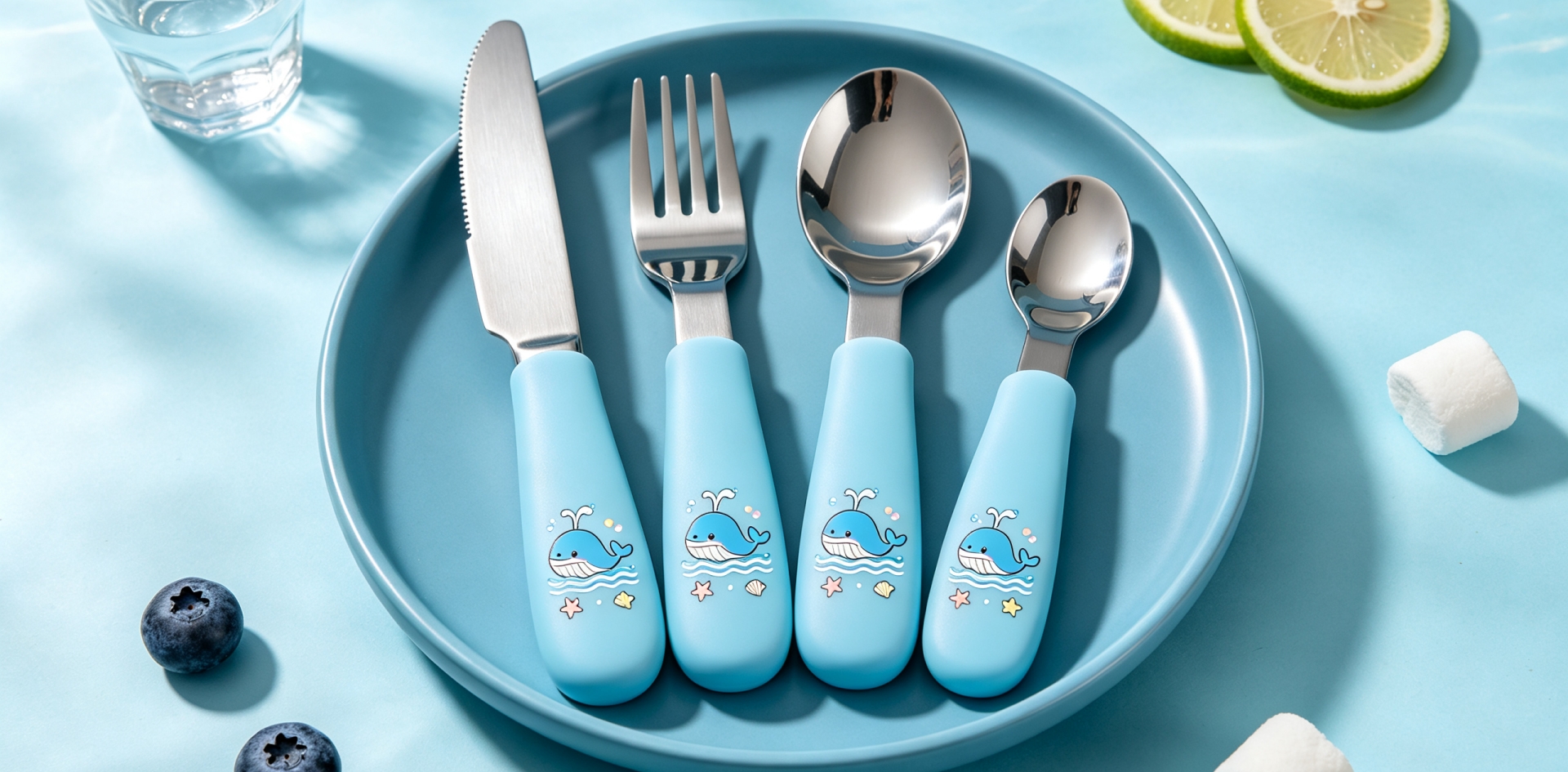
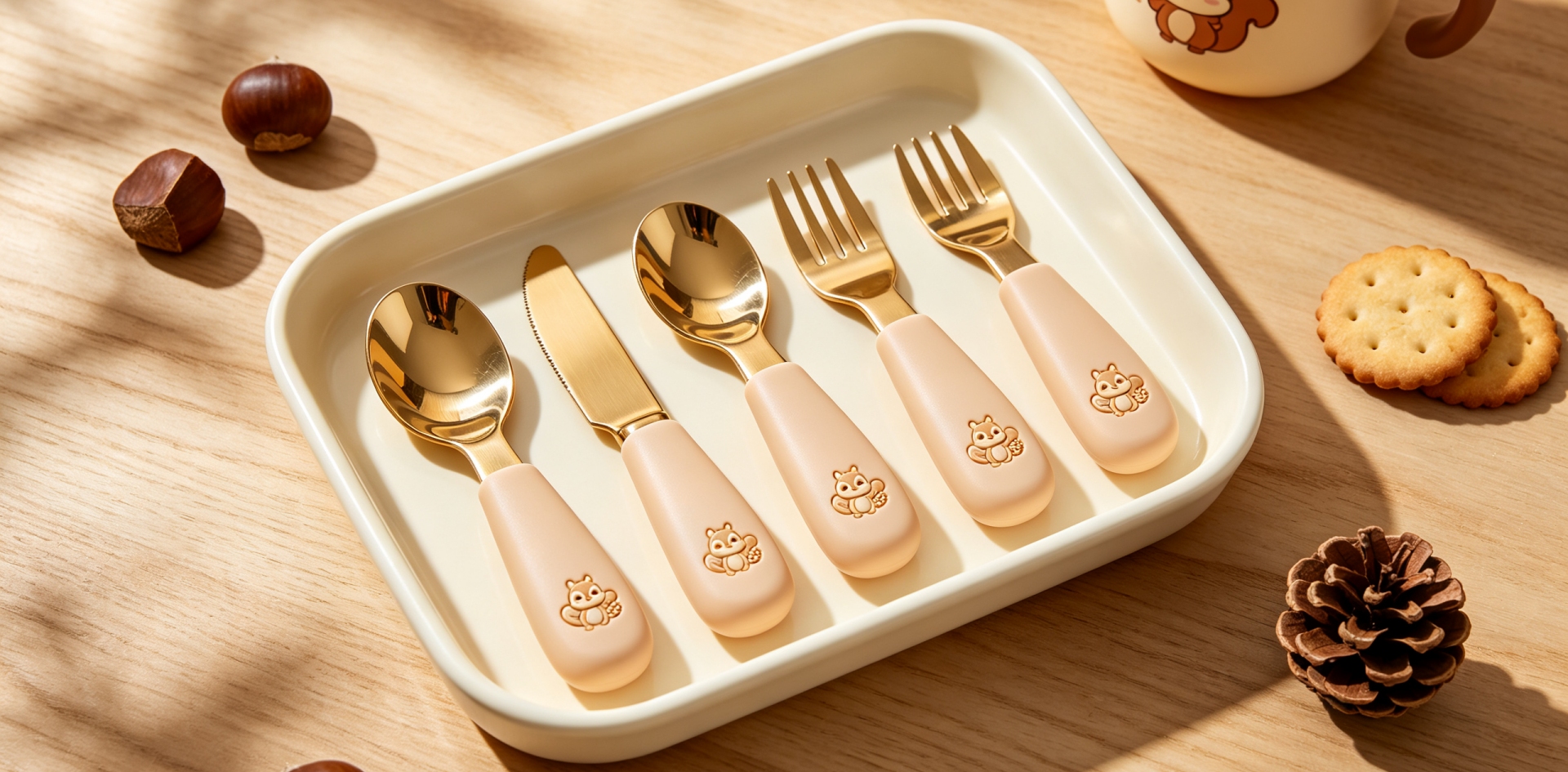
The transition between the handle and working end is one of the most noticeable connection areas on stainless steel flatware. On a spoon, it connects the handle to the bowl. On a fork, it links the handle with the fork head. On a table knife, it creates the visual and functional connection between the handle and blade area.
For B2B buyers developing OEM or private label flatware, this transition deserves attention because it affects the overall appearance of the product and the way the design flows from one section to another.
A successful transition should look intentional, remain consistent during production and fit the intended product design.
Homefelt factory specializes in stainless steel knives, forks and spoons and provides OEM, ODM, private label, wholesale and bulk manufacturing services for international customers.
What Is the Handle Transition Area?
The handle transition is the section where the main handle gradually or directly connects to the working portion of the flatware.
It can be relatively narrow, broad, curved, straight or shaped with a distinct visual step.
Although the area may occupy only a small portion of the product, it has an important role in connecting two different geometries.
A well-planned transition can make the product appear more continuous and balanced. An unsuitable transition may make the handle look disconnected from the spoon bowl, fork head or knife blade.
For customized flatware, this area should therefore be considered during the initial design stage.
Why the Transition Matters in Flatware Design
Stainless steel cutlery is viewed as a complete object rather than as separate components.
When a customer looks at a spoon, the eye naturally follows the handle toward the bowl. The same applies to forks and knives.
The transition area helps determine whether this visual movement feels smooth and intentional.
For private label brands, this can become part of the product identity. A distinctive transition may help a collection look different from standard flatware while remaining practical for manufacturing.
The design should balance visual character with production requirements.
Different Requirements for Knives, Forks and Spoons
The transition cannot always be identical across the three main flatware pieces.
A spoon connects to a curved bowl. A fork connects to a head containing multiple tines. A knife connects to a blade with a different functional geometry.
Because these working ends are different, the transition needs to be evaluated for each product.
For a coordinated collection, however, the visual language can remain consistent.
For example, the same general transition concept may be adapted to the knife, fork and spoon while allowing each product to maintain its own functional geometry.
This is particularly useful when developing private label collections.
Transition Shape and Visual Continuity
A transition may be created through gradual widening, narrowing, curvature or a defined change in surface direction.
The selected approach affects how the product looks from different angles.
A narrow transition can create a more delicate visual effect. A broader connection can make the product appear more substantial.
The important point for B2B development is that the transition should be defined intentionally rather than being left as an accidental result of production.
Homefelt can review this area together with the overall product drawing and reference sample during OEM and ODM development.
Manufacturing Considerations
The transition area also needs to be suitable for forming and finishing.
If the geometry changes too abruptly, production may become more complicated. If the connection is too complex, maintaining consistent results across a large production batch may require additional process control.
For this reason, product design and manufacturing should be considered together.
A professional stainless steel cutlery manufacturer can help identify whether a proposed transition is practical before the project moves into mass production.
This can save time during sampling and reduce unnecessary modifications later.
What Buyers Should Define
When developing a customized stainless steel flatware product, buyers can specify:
-
Handle width
-
Handle thickness
-
Working-end dimensions
-
Transition length
-
Transition shape
-
Curvature
-
Surface finish
-
Connection appearance
-
Overall product proportions
-
Sample acceptance requirements
These details provide a clearer reference for product development.
A technical drawing is useful for dimensions, while a physical reference sample can communicate the desired visual transition more effectively.
Sample Development Before Bulk Production
The transition area is particularly suitable for physical sample evaluation.
A buyer can hold the sample, inspect it from different angles and compare the handle with the working end.
If adjustments are needed, the design can be modified before the bulk order is confirmed.
Once the customer approves the final sample, the agreed design becomes the reference for mass production.
This process is valuable for OEM and private label projects because the buyer and factory have a shared physical standard.
Consistency Across Large Orders
In large-volume stainless steel cutlery production, consistency is just as important as the initial design.
If the handle transition varies between pieces, the collection may look uneven even when the overall dimensions are close.
This is particularly visible when the products are displayed together in retail packaging, hotel service or restaurant table settings.
Homefelt has extensive experience in stainless steel cutlery manufacturing and works with international customers on OEM, ODM, wholesale and bulk orders.
For repeat production, maintaining the approved transition design helps ensure that future batches remain aligned with the original collection.
Experience Supporting Customized Collections
Homefelt factory focuses on stainless steel knives, forks, spoons and flatware sets.
The factory has experience working with well-known brands and supporting customized product development. This practical experience helps customers move from a product concept to a manufacturable specification.
For a new collection, Homefelt can discuss the relationship between handle design, transition area, working-end shape and overall product appearance before sampling.
This is especially useful when a buyer wants a distinctive private label product rather than a standard catalog item.
Factory Qualifications and Documentation
B2B customers may also evaluate a manufacturer's quality management and supporting qualifications.
Homefelt has passed BSCI, SEDEX 4P, BRC, ISO9001 and Disney audits, and has FAMA and FSC certificates.
Supporting testing and certification documents can be discussed according to the specific requirements of the project.
For customized product development, however, the approved drawing and physical sample remain the primary references for confirming the final product.
OEM, ODM and One-Stop Customization
Homefelt supports OEM, ODM and private label stainless steel cutlery manufacturing for wholesalers, distributors and brands.
Customers can customize the handle transition, product geometry, surface finish and other design details according to their target market.
Homefelt can also provide one-stop service covering product design, manufacturing, packaging and transportation.
Instead of using a fixed solution for every project, the factory can create an exclusive service package according to the customer's actual requirements, order volume and product positioning.
This allows customers to manage customized flatware development through one experienced manufacturing partner.
A Practical Approach to Handle Transition Design
The handle transition may be a small part of a stainless steel fork, spoon or knife, but it can have a strong influence on the finished appearance.
For B2B buyers, defining the transition early, evaluating a physical sample and establishing a clear production specification can make customized manufacturing more efficient.
Homefelt factory specializes in stainless steel cutlery and provides OEM, ODM, private label, wholesale and large-volume production. With one-stop support from product design to manufacturing, packaging and transportation, Homefelt aims to become a reliable China service provider and grow together with customers through long-term cooperation.
Stainless Steel Flatware Handle Thickness for OEM and Bulk Manufacturing
Stainless Steel Flatware Handle Profile for OEM and Private Label Orders
Related Article