
Stainless Steel Flatware Heat Resistance for OEM and Commercial Use
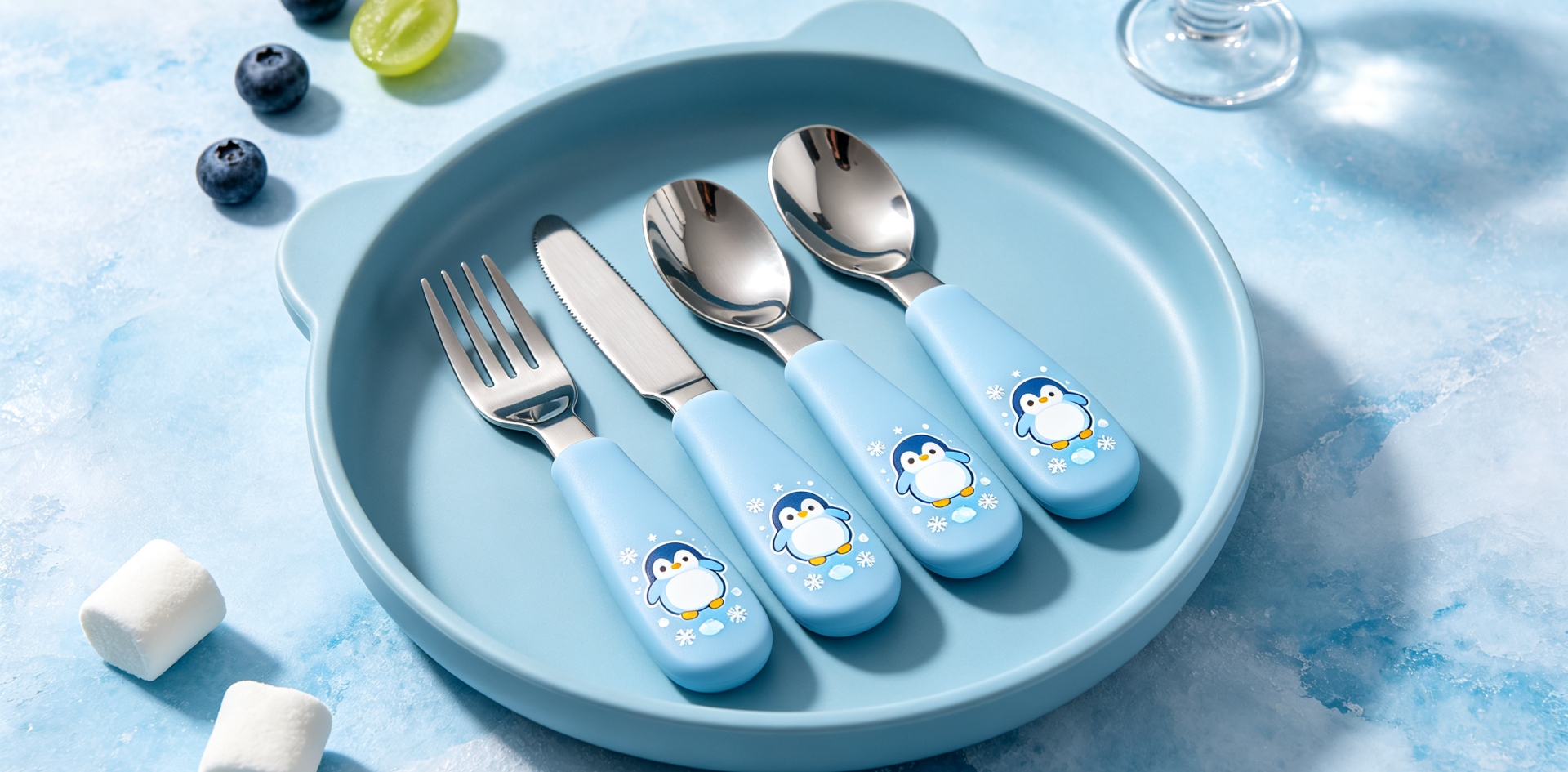
Stainless Steel Flatware Heat Resistance for OEM and Commercial Use
Stainless steel knives, forks and spoons are frequently used with hot food, heated dishes and high-temperature washing environments. For B2B buyers, understanding how stainless steel flatware performs under different temperature conditions can help when developing products for restaurants, hotels, catering businesses, distributors and private label brands.
Heat resistance is not simply about whether a piece of cutlery can contact hot food. The material, product construction, surface condition and intended application all influence how the finished product should be evaluated.
Homefelt factory specializes in stainless steel cutlery manufacturing and provides OEM, ODM, private label and bulk production services for international customers.
Why Heat Performance Matters in Stainless Steel Cutlery
Unlike disposable tableware, stainless steel flatware is normally designed for repeated use. During its service life, a spoon may be used with hot soup, a fork may contact freshly prepared food, and a table knife may be placed beside hot dishes.
Commercial environments can create even more demanding conditions. Cutlery may move repeatedly between food service, washing and storage within a single working day.
For this reason, B2B buyers should consider the expected temperature environment when defining a stainless steel flatware specification.
The objective is not to select a product simply because it is made from stainless steel. The complete product should be matched with its intended application.
How Stainless Steel Behaves Around Heat
Stainless steel is widely selected for cutlery because it can withstand the temperatures normally encountered in food-service applications without the material characteristics associated with many plastic alternatives.
However, temperature can still influence the way a finished product behaves.
When exposed to heat, metals can expand slightly. Repeated temperature changes can also create different conditions from ordinary room-temperature handling. In practical cutlery applications, these effects need to be considered together with the product's dimensions, material specification and manufacturing process.
For standard food-service use, the key question is usually whether the selected material and finished product are appropriate for the customer's intended operating conditions.
A professional manufacturer should therefore understand the application before recommending a product specification.
Heat Conditions for Different Flatware Applications
Different customers may expose stainless steel flatware to different temperature environments.
Household cutlery is generally used with hot and cold food under normal daily conditions. Restaurant and hotel flatware may experience much more frequent transitions between food service and washing.
Catering operations can involve intensive handling and repeated cycles throughout the day. Commercial buyers may therefore place greater importance on consistent product performance across large quantities.
When developing a private label collection, the target market should be considered before the final specification is confirmed.
A factory experienced in B2B cutlery production can use the customer's application information to help determine suitable product parameters instead of treating every project as a standard catalogue order.
Material Selection for Hot-Food Service
Material selection remains an important part of developing stainless steel flatware for hot-food applications.
The buyer should confirm the stainless steel specification together with product thickness, dimensions and intended use. The material should be appropriate for the expected environment while also providing the manufacturing characteristics required for forming and finishing.
For a complete knife, fork and spoon collection, consistency between products is also important. A coordinated range should have clear material and production requirements so that the final pieces meet the same overall product standard.
Homefelt can discuss material requirements with customers during the development stage and help establish a practical specification before sample approval.
Heat and Flatware Surface Appearance
Temperature exposure can also be considered together with surface appearance.
Stainless steel flatware is often selected partly for its clean metallic appearance. For private label and hospitality products, maintaining a consistent appearance across a complete collection is important.
The product specification should therefore consider the relationship between the stainless steel material, surface treatment and intended temperature environment.
This does not mean that every customer requires the same surface specification. A commercial collection and a premium retail collection may have different appearance priorities.
The appropriate approach is to define the product according to its actual market position and usage conditions.
Parameters B2B Buyers Can Confirm
When purchasing stainless steel flatware for hot-food or commercial applications, buyers can confirm several product details before placing a bulk order:
-
Stainless steel material specification
-
Product thickness
-
Knife, fork and spoon dimensions
-
Intended food-service environment
-
Expected temperature conditions
-
Washing requirements
-
Surface appearance requirements
-
Sample approval standards
-
Production quantity
-
Packaging and transportation requirements
These details give the manufacturer a clearer understanding of the project.
For OEM and ODM development, customers can also provide reference samples, drawings or existing specifications. The factory can then evaluate the requirements before preparing the production sample.
Experience in Commercial Flatware Projects
In large B2B projects, product performance requirements are often connected with other purchasing conditions.
A hotel group may require a coordinated collection for multiple locations. A restaurant supplier may need large quantities of matching knives, forks and spoons. A private label brand may require a customized product together with branded packaging.
In each situation, the manufacturer needs to understand the complete project rather than focusing on only one product characteristic.
Homefelt has extensive experience in stainless steel cutlery manufacturing and has worked with well-known brands. The factory can support customers from product development and sample confirmation through bulk production, packaging and transportation.
This experience helps turn a general product idea into a practical manufacturing specification.
Factory Quality and Supporting Documentation
For international B2B buyers, product requirements should be supported by appropriate factory management and documentation.
Homefelt has passed BSCI, SEDEX 4P, BRC, ISO9001 and Disney audits, and has FAMA and FSC certificates. Depending on the project, customers can discuss relevant testing and supporting documents with the factory.
For buyers, this information can form part of the supplier evaluation process alongside product samples, specifications and production capability.
OEM, ODM and Private Label Production
Heat-related requirements can be considered from the beginning of an OEM or ODM project.
Homefelt provides customized stainless steel knife, fork and spoon manufacturing for wholesale buyers, distributors and private label brands. Customers can discuss their target market, product requirements and expected application before confirming the final specification.
The factory can also provide a one-stop service covering product design, manufacturing, packaging and transportation. This allows different parts of the project to be coordinated through one manufacturing partner.
For customers with special requirements, Homefelt can develop an exclusive service package according to their actual situation, helping simplify communication from initial product development to final delivery.
Choosing the Right Stainless Steel Flatware Factory
Heat resistance is one of many product characteristics that should be considered when selecting stainless steel cutlery for commercial use. More importantly, the manufacturer should be able to connect material selection with actual application conditions and consistent mass production.
For B2B buyers, an experienced factory can provide more value than a simple catalogue supplier. Product specifications can be discussed in advance, samples can be reviewed before production, and the agreed requirements can then be applied to bulk manufacturing.
Homefelt factory focuses on stainless steel knives, forks, spoons and complete flatware collections. With OEM, ODM, private label, wholesale and large-volume production capabilities, Homefelt aims to become a reliable China service provider and grow together with long-term customers.
Stainless Steel Flatware Magnetic Response for OEM and Wholesale Buyers
Stainless Steel Flatware Hardness Performance for OEM and Bulk Manufacturing
Related Article



