
Stainless Steel Fork Head Length for Custom B2B Cutlery
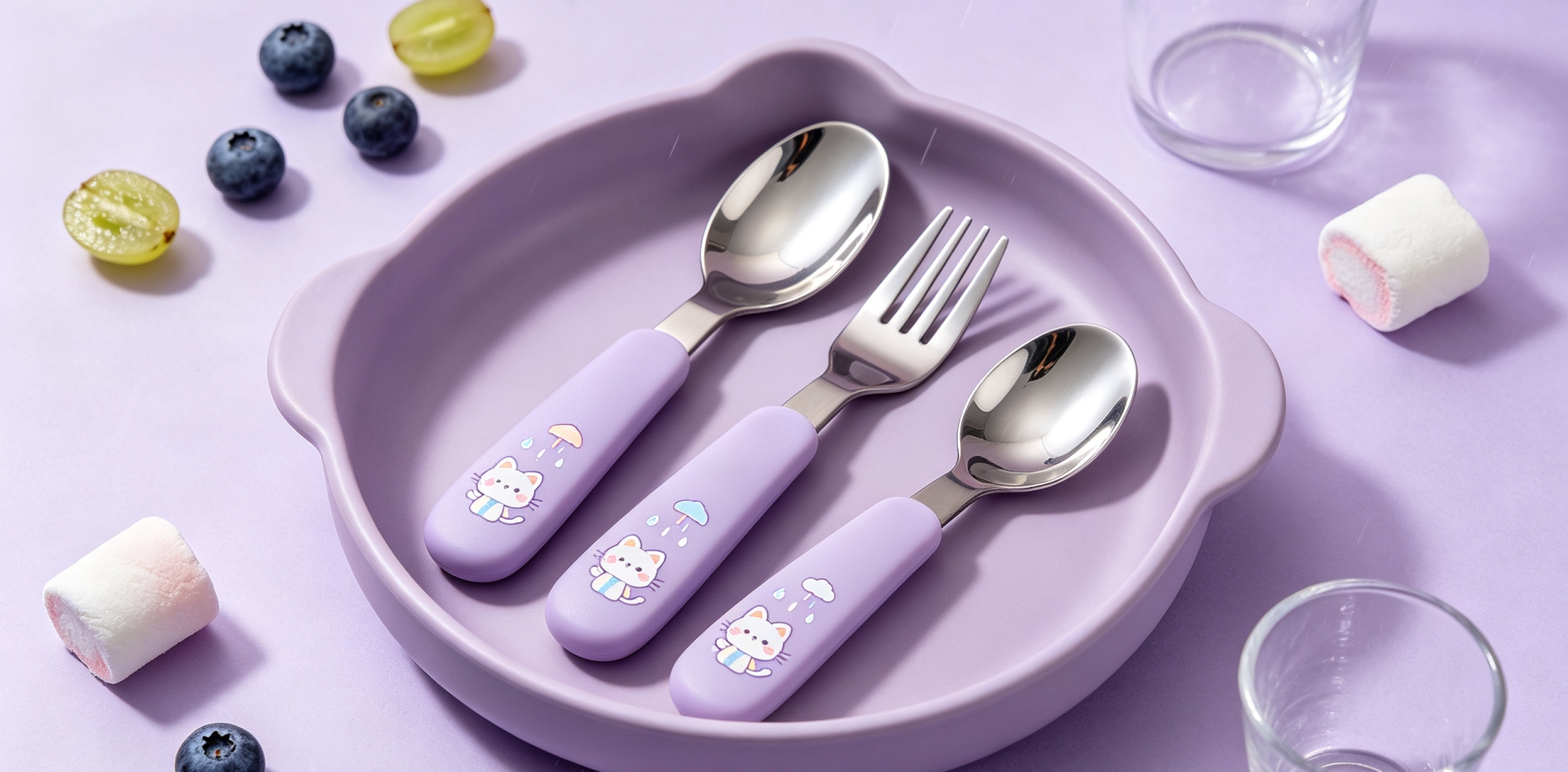
Stainless Steel Fork Head Length for Custom B2B Cutlery
The head of a stainless steel fork is the main functional section containing the tines, but its length also plays an important role in the overall appearance of the product. A longer or shorter fork head can change the relationship between the tines, neck and handle, even when the total fork length remains similar.
For B2B customers developing custom stainless steel cutlery, fork head length is therefore an important product dimension to consider alongside tine design and handle proportions.
A well-proportioned fork head can make the complete stainless steel fork look balanced and intentional, while an unsuitable proportion can make the head appear too dominant or too small compared with the handle.
What Is Stainless Steel Fork Head Length?
Fork head length refers to the length of the functional head section of the fork, extending from the front tine area toward the transition into the neck.
It is different from the total fork length. The total length includes the head, neck and handle, while head length focuses specifically on the fork's functional front section.
This distinction is useful when developing custom stainless steel forks because two forks can have the same overall length while using different head-to-handle proportions.
Fork Head Length and Overall Proportion
The relationship between head length and handle length strongly influences the visual character of a stainless steel fork.
A longer head can give the fork a more elongated appearance. A shorter head can make the handle appear more prominent.
Neither proportion is suitable for every design. The appropriate relationship depends on the intended product style, fork size and tine configuration.
When developing a custom stainless steel fork, buyers can evaluate:
-
Overall fork length
-
Fork head length
-
Fork head width
-
Tine length
-
Tine spacing
-
Neck length
-
Handle length
-
Handle width
These dimensions should work together rather than being selected independently.
Head Length and Tine Proportion
The tines occupy a significant part of the fork head, so tine length needs to be considered together with head length.
If the tines occupy most of the available head length, the fork can have a stronger functional appearance. If the head includes a longer transition area around the tines, the design can look more substantial.
The relationship between tine length and head length can also influence the visual balance of the fork.
For OEM and ODM stainless steel fork projects, these proportions can be adjusted according to the customer's desired product appearance and functional requirements.
Head Length and Fork Neck
The rear section of the fork head transitions into the neck before reaching the handle.
The length of the head therefore affects where this transition begins.
A longer head can create a more extended front section, while a shorter head places the neck closer to the tine area.
This relationship should be considered together with the shoulder and neck design.
A controlled transition can make the stainless steel fork appear continuous from the tines through to the handle.
For custom stainless steel flatware, the head, neck and handle can be developed as one connected product structure.
Head Length and Fork Handle
The handle is usually the largest non-functional visual area of a stainless steel fork. Its proportion relative to the head can strongly affect the overall design.
A long handle combined with a compact head can create a different appearance from a shorter handle paired with an elongated head.
For this reason, head length should not be changed without reviewing the handle proportion.
When a customer wants a particular stainless steel fork appearance, the complete outline can be evaluated first and then divided into appropriate head and handle dimensions.
This approach helps maintain a more balanced final product.
Different Fork Designs Use Different Head Proportions
Stainless steel forks can have many different designs.
A compact fork may use a relatively short head. A larger dinner fork may require a longer functional section. A modern flatware design may intentionally emphasize a long, clean silhouette.
The head length can therefore be part of the visual identity of the product.
For B2B customers developing private-label stainless steel cutlery, this provides an additional design element that can distinguish their fork from standard products.
A small change in head proportion can make the finished product look noticeably different without changing its basic function.
Fork Head Length and Head Width
Length should also be considered together with width.
A long but narrow fork head creates a different visual impression from a long and wide head. Similarly, a short and wide head can look more substantial than a short and narrow one.
This means that head length alone does not determine the final appearance.
For custom stainless steel fork development, length and width can be adjusted together to achieve the intended head proportion.
The relationship with the tines should also remain clear so that the functional section does not look visually crowded or unnecessarily large.
Evaluating the Fork From the Front
A front view is particularly useful for evaluating fork head length.
When the stainless steel fork is placed on a flat surface, the relationship between head, neck and handle becomes easy to compare.
Buyers can also place the fork beside the corresponding stainless steel spoon and knife to see whether the three pieces have similar visual weight.
The spoon naturally has a bowl instead of tines, and the knife has a blade, so their functional sections will not be identical. However, their overall proportions can still be coordinated.
This is useful when developing a complete stainless steel flatware collection.
Evaluating Fork Head Length on a Sample
A physical sample provides a clearer understanding of proportion than a drawing alone.
When holding the sample, buyers can see how the head length relates to the handle. Looking at the fork from different angles also helps reveal whether the transition into the neck is appropriate.
If the head appears too long or too short, adjustments can be discussed before the final stainless steel fork specification is confirmed.
For OEM and ODM projects, this type of product refinement can help turn an initial concept into a practical finished design.
Maintaining Consistent Fork Head Length
Once the final stainless steel fork design has been approved, the head length should remain consistent during production.
Differences in head length can affect the appearance of multiple forks when they are arranged together.
For customers who reorder the same product, maintaining the approved head-to-handle relationship also helps preserve the original product design.
A confirmed sample and detailed product specification can provide a useful reference for repeated production.
Coordinating Fork Head Length Across a Collection
A complete stainless steel cutlery collection may contain several different fork styles. While each fork can have its own function and dimensions, related proportions can help maintain a consistent collection identity.
For example, different fork models may use related head-to-handle ratios or similar transition principles.
The same design thinking can be applied when coordinating the fork with a stainless steel spoon and knife.
This creates a collection where each product remains individually functional while sharing a recognizable visual direction.
Homefelt Custom Stainless Steel Fork Development
Homefelt provides stainless steel cutlery customization for B2B customers, including stainless steel forks, knives, spoons and complete flatware sets.
For custom fork projects, customers can discuss head length, head width, tine configuration, neck proportions, handle dimensions and other product details. These elements can be developed together to create the desired stainless steel fork profile.
Homefelt supports OEM and ODM stainless steel cutlery development based on customer drawings, reference samples or product concepts. When customers need a complete cutlery collection, matching stainless steel knives, forks and spoons can also be developed around a coordinated product style.
According to the customer's requirements, Homefelt can provide a dedicated service package covering product design and customization, together with related packaging, transportation and other one-stop services.
For long-term cooperation, customers can continue developing additional stainless steel cutlery products while maintaining established designs. Homefelt can support ongoing product customization and development so both sides can grow together through continued cooperation.
Fork head length may seem like a simple measurement, but it affects the relationship between the tines, neck and handle. When this dimension is considered together with the other parts of the stainless steel fork, it becomes easier to create a balanced and recognizable product.
Stainless Steel Spoon Bowl Bottom for Custom B2B Cutlery
Stainless Steel Spoon Bowl Rim for Custom B2B Cutlery
Related Article



