
Stainless Steel Fork Tine Spacing Consistency for B2B Cutlery
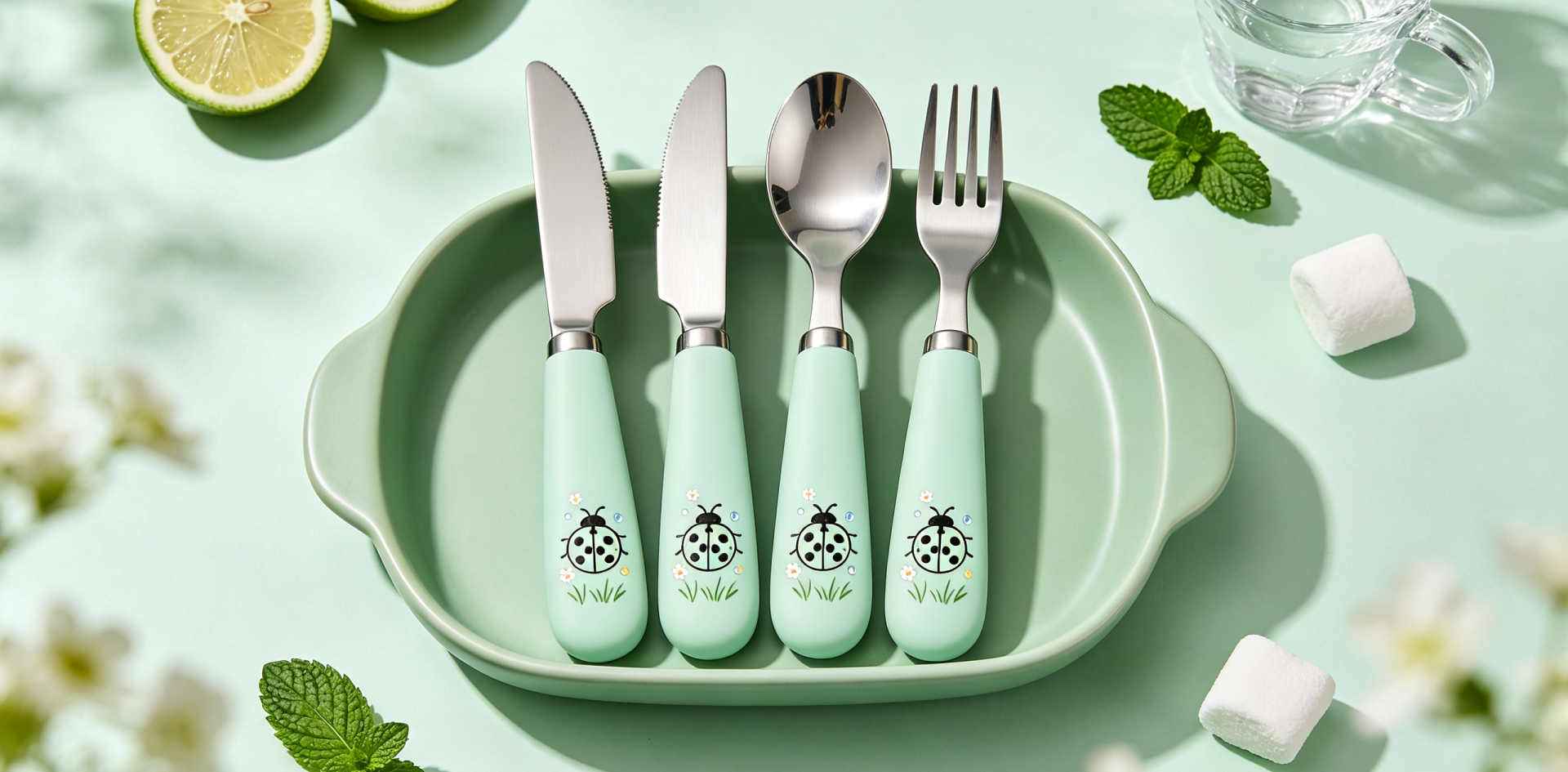
Stainless Steel Fork Tine Spacing Consistency for B2B Cutlery
When buyers develop a stainless steel cutlery collection, the fork may appear to be a relatively simple product compared with other tableware items. However, the shape and consistency of the fork tines can have a noticeable effect on the appearance of the finished product.
For B2B buyers, fork tine spacing is not simply a small design detail. It forms part of the overall geometry of the fork and can influence visual consistency between pieces, the appearance of a complete cutlery set and the reproduction of a custom design during bulk production.
For wholesalers, distributors, hospitality suppliers and private label brands, defining this detail clearly during product development can make sample approval and future repeat orders easier.
What Fork Tine Spacing Means
Fork tine spacing refers to the distance and relationship between the individual tines of a stainless steel fork.
The exact arrangement depends on the fork design. A four-tine table fork may have a different proportion and spacing from a smaller dessert fork or a specialized commercial fork.
There is therefore no single spacing standard that applies to every stainless steel fork.
For custom B2B projects, the important requirement is consistency with the approved design. The number of tines, their width, length, spacing and overall shape should work together as one product structure.
A manufacturer should understand these requirements before mass production begins.
Why Tine Consistency Matters
A single fork may not reveal differences easily when viewed independently. When several identical forks are placed side by side, however, variations in the tine area can become much more noticeable.
For commercial buyers purchasing large quantities, this can affect the visual consistency of the collection.
The fork head is also one of the most recognizable parts of the product. If the tines appear unevenly spaced or have noticeably different proportions, the entire fork can look different from the approved sample.
For a private label brand, consistent reproduction is especially important because the same design may be reordered several times.
Tine Shape and Overall Fork Design
Spacing should not be evaluated separately from tine shape.
The tines can be narrow, broad, rounded or shaped according to the intended design. Their length and width influence the visual proportion of the fork head.
The area between the tines also contributes to the appearance of the product.
For example, two forks may have the same number of tines but look very different because their tine widths, gaps and head proportions are different.
When developing a custom stainless steel fork, buyers should therefore review the complete head design rather than specifying spacing alone.
The Relationship Between Tines and the Fork Neck
The transition between the fork head and neck is another useful reference point.
The tines form the front section of the product, while the neck connects the head to the handle. These areas should maintain the intended proportions of the approved design.
If the fork head is changed without considering the neck and handle, the final product may lose the visual balance originally intended by the buyer.
This is particularly relevant when a fork is being developed as part of a complete stainless steel cutlery collection.
The fork should coordinate with the corresponding spoon and knife while maintaining its own functional structure.
Using an Approved Sample as a Reference
For OEM and ODM cutlery projects, physical samples can provide a useful reference for evaluating tine consistency.
During sample approval, buyers can examine several pieces rather than looking at only one fork.
Place the forks together and compare the head sections. Look at the tine tips, spaces between the tines, outer edges and relationship between the head and neck.
The purpose is not necessarily to identify microscopic differences. Instead, the goal is to confirm that the overall design can be reproduced consistently.
Once the buyer approves the sample, the reference can be carried into the production stage.
Tine Spacing in Different Fork Sizes
A stainless steel cutlery collection may contain several fork sizes.
A standard table fork, dessert fork and smaller specialty fork may all use different dimensions. Even within the same collection, the number and proportions of the tines may change according to the product's intended size.
This means buyers should avoid applying one specification to every fork in a collection.
Each model can have its own product drawing, dimensions and approved sample.
A clear model-by-model reference helps the manufacturer understand which requirements belong to each product.
Checking Forks During Bulk Production
Bulk production requires consistency across a much larger number of pieces than sample development.
For this reason, inspection should consider multiple forks from the production batch.
A buyer or manufacturer can compare the head shape, tine alignment, spacing and overall proportions against the approved product reference.
This type of inspection is particularly useful for customized forks because the production target is based on a specific customer design rather than a generic market product.
When a product is expected to be reordered, maintaining the same reference also helps reduce unnecessary differences between purchasing cycles.
Why This Matters for Private Label Flatware
Private label customers often invest considerable effort in creating a recognizable cutlery collection.
The handle may carry a custom design or logo, while the spoon, fork and knife share a common visual language.
Small structural differences can become more obvious when the pieces are displayed together.
For this reason, private label development should consider both major design elements and smaller product details.
A well-defined fork specification can include the number of tines, tine dimensions, spacing, head width, overall length and relationship to the handle.
This gives the manufacturer a clearer target during sample development and production.
Building a Fork Product Specification
A practical stainless steel fork specification can include several key details:
-
Product model
-
Stainless steel material
-
Overall length
-
Fork head length
-
Head width
-
Number of tines
-
Tine width
-
Tine spacing
-
Tine length
-
Neck dimensions
-
Handle dimensions
-
Product thickness
-
Product weight
-
Surface finish
-
Logo requirements
-
Packaging requirements
-
Approved sample reference
Not every project requires the same level of technical detail. The appropriate specification depends on the complexity of the design and the buyer's quality requirements.
The main purpose is to make the product expectations clear before bulk production.
Coordinating Forks With Spoons and Knives
A complete cutlery collection should look coordinated without making every piece identical.
For example, a buyer may choose a particular handle profile and surface finish for the entire collection. The fork head can then be designed to complement the spoon bowl and knife blade.
The dimensions of each product can remain different because each utensil has a different structure.
For B2B customers, this collection-level approach can be useful when developing products for restaurants, hotels, catering suppliers, distributors and private label retail programs.
Custom Fork Development With Homefelt
Homefelt factory supports B2B stainless steel cutlery projects covering spoons, forks, knives and complete cutlery sets.
For custom stainless steel forks, buyers can provide a reference sample, product drawing, image or basic product concept. Requirements such as dimensions, tine design, handle shape, finish, branding and packaging can then be discussed during product development.
Homefelt provides OEM/ODM and private label services as well as wholesale and large-volume production.
The factory has 40 years of experience in the stainless steel cutlery business and has worked with international customers and well-known brands.
For buyers developing a new collection, the objective is to establish a clear product reference that can be used from sampling through bulk production and future repeat orders.
What Buyers Should Confirm Before a Bulk Order
Before approving a large stainless steel fork order, buyers can confirm the physical sample together with the main specifications.
Check the number and shape of the tines. Compare their spacing and overall proportions. Review the relationship between the fork head, neck and handle. Confirm the surface finish and any branding requirements.
If the order includes several fork models, each model should have its own approved reference.
This can make production communication more precise and reduce the possibility of different models being interpreted in the same way.
Conclusion
Tine spacing is a small but visible part of stainless steel fork design. For B2B projects, the most important point is not using one universal spacing standard, but reproducing the intended geometry of each approved fork model consistently.
By reviewing tine shape, spacing, head proportions and the relationship with the handle, buyers can establish a clearer product standard for custom development.
For wholesalers, distributors, hospitality suppliers and private label brands, these details become increasingly important when large quantities are produced or the same design is reordered over time.
If you are developing custom stainless steel forks or a complete cutlery collection, contact Homefelt factory at ingrid@homefelt.net to discuss your product specifications, OEM/ODM requirements, private label project or bulk production needs.
You May Be Interested In
Stainless Steel Spoon Bowl Symmetry for Consistent B2B Production
Stainless Steel Table Knife Blade Straightness for Consistent B2B Cutlery
Related Article



