
Stainless Steel Knife Blade Length for B2B Custom Cutlery
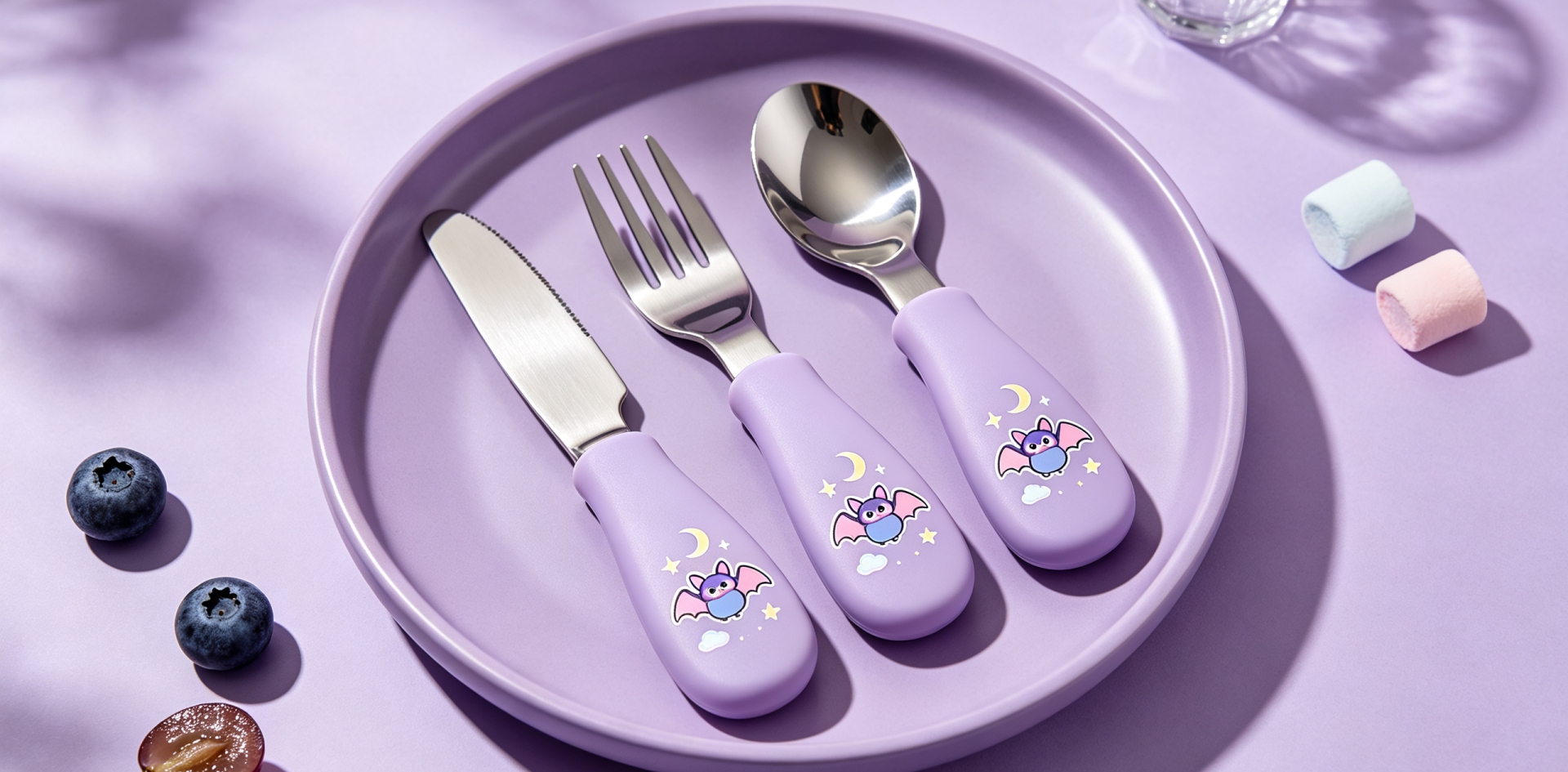
Stainless Steel Knife Blade Length for B2B Custom Cutlery
Blade length is an important specification when developing a stainless steel table knife, yet it is often considered only after the overall knife shape has already been decided. In reality, blade length influences the visual proportion, handling characteristics and functional relationship between the blade and handle.
For B2B buyers developing custom stainless steel cutlery, selecting the right blade length can help create a knife that looks balanced and performs consistently within the intended product concept.
A table knife is made up of several connected elements, and the blade should be considered together with the handle, overall knife length and cutting section.
Why Blade Length Matters
The length of the blade determines how much of the knife is dedicated to the working section. A longer blade can create a more elongated and substantial appearance, while a shorter blade can give the product a more compact visual character.
The difference can be noticeable even when two knives have similar overall lengths because the handle-to-blade relationship changes.
For custom stainless steel knives, blade length should therefore be selected according to the complete product silhouette rather than treated as an isolated measurement.
Blade Length and Overall Knife Proportion
The relationship between blade length and handle length is one of the most visible aspects of a table knife.
If the blade occupies a larger proportion of the total length, the knife can appear more functional and substantial. If the handle occupies more of the overall length, the product can create a different visual balance.
For a coordinated stainless steel cutlery collection, the knife should also relate visually to the accompanying fork and spoon. Although the three pieces have different working sections, their overall proportions can still follow a common design concept.
This is particularly important for private label collections where the visual relationship between individual pieces contributes to the identity of the complete set.
Blade Length and Cutting Movement
Blade length can also influence the way a knife is used.
A suitable working length provides enough blade area for the intended cutting movement while keeping the knife manageable in the hand. The actual cutting behavior also depends on the blade profile, edge geometry, material and thickness, so blade length should not be evaluated independently.
For a custom project, the complete blade specification can be reviewed together to ensure that the selected length fits the intended knife design.
Different Blade Length Concepts
There is no universal blade length that applies to every stainless steel table knife.
A compact knife concept may use a shorter working blade to create a more controlled and lightweight appearance. A more substantial table knife may use a longer blade to create a stronger overall silhouette.
Some collections may also use different blade lengths within the same product family for different knife styles. In these cases, maintaining a consistent design language becomes important so that the products still appear related.
For B2B product development, the choice should follow the intended use and overall design rather than simply copying a standard dimension.
Blade Length and Handle Relationship
When changing blade length, the handle should be considered at the same time.
Increasing the blade length without reviewing the handle can alter the balance of the complete knife. Similarly, reducing the blade length can make the handle appear visually dominant.
A manufacturer developing a custom stainless steel knife can review these relationships during sample development. This allows the buyer to assess the complete product before confirming the final specification.
For OEM and ODM projects, this type of adjustment is useful when a standard knife design needs to be modified to match a particular collection.
Blade Length Across a Cutlery Collection
A knife does not have to copy the dimensions of the fork or spoon, but the pieces should maintain a coordinated visual relationship.
The overall length of each item, the position of the handle and the size of the working section all contribute to how the collection looks when placed together.
For example, a long knife blade paired with very compact forks and spoons may create a different visual impression from a collection designed around more moderate proportions.
For this reason, blade length is best finalized as part of the complete cutlery design.
Custom Blade Length for OEM and ODM Projects
B2B buyers may have their own target blade length based on an existing product, reference sample or design drawing.
If the buyer is creating a completely new product, the manufacturer can also discuss the relationship between blade length, total knife length and handle dimensions during development.
A reference sample is especially useful when the buyer wants to reproduce a particular proportion. The sample provides a physical basis for evaluating the blade-to-handle relationship before moving toward production.
Once the specification is confirmed, the approved blade length can become part of the product's technical reference for future orders.
Maintaining Blade Length Consistency
For bulk stainless steel knife production, consistency in blade length is important because variations can become noticeable when many pieces are placed together.
A stable blade specification helps maintain the appearance of the approved product and keeps the relationship between blade and handle consistent.
This is also important for repeat orders. When a B2B customer reorders the same knife, maintaining the established blade length helps preserve continuity between production batches.
Blade Length and Private Label Design
Private label cutlery does not always require a completely unusual knife shape. Sometimes a carefully selected proportion can create enough distinction for a collection.
Blade length can be one of those controlled details. Combined with the handle design, surface finish, material and other knife specifications, it can contribute to a recognizable product profile.
For brands developing a collection, this allows the knife to have its own character while remaining visually coordinated with the matching fork and spoon.
Homefelt Factory for Custom Stainless Steel Knives and Cutlery
Homefelt factory specializes in stainless steel knives, forks, spoons and complete cutlery sets for B2B customers. The factory supports OEM, ODM, private label and wholesale production for customized stainless steel flatware.
For a custom table knife, buyers can discuss blade length together with overall knife length, handle design, material, finish and other product specifications. Drawings, reference samples and existing product concepts can be used during development.
Homefelt can also coordinate customized knives with matching forks and spoons to create a complete stainless steel cutlery collection based on the buyer's requirements.
Stainless Steel Fork Tine Cross Section for B2B Cutlery
Stainless Steel Cutlery Handle Texture for B2B Custom Designs
Related Article



