
Stainless Steel Spoon Bowl Depth and Shape: A Guide for B2B Buyers
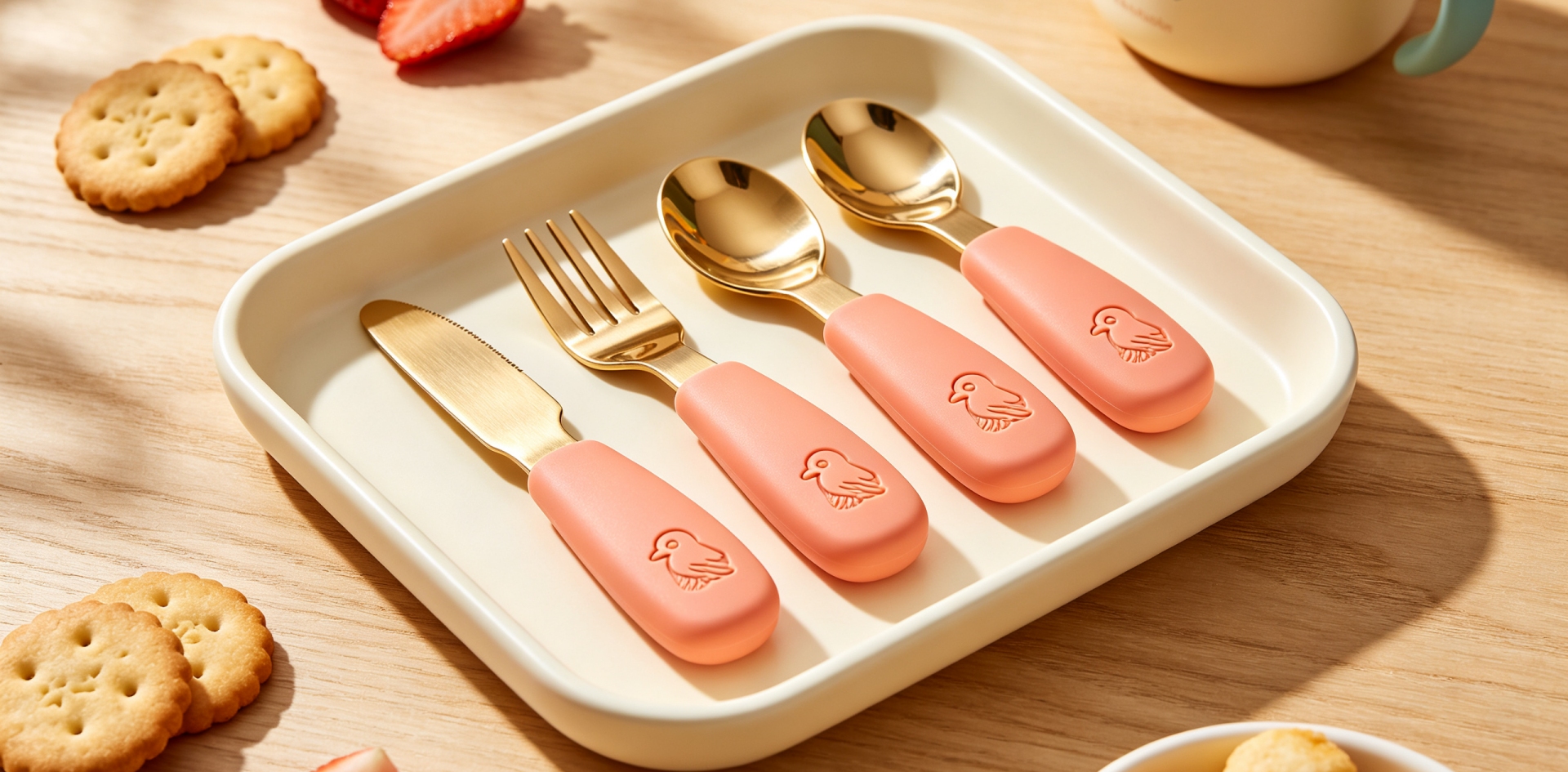
Stainless Steel Spoon Bowl Depth and Shape: A Guide for B2B Buyers
When developing a stainless steel spoon for retail, hospitality or private label distribution, the bowl deserves as much attention as the handle. Its depth, width, curvature and overall shape influence how the spoon looks, what it is suitable for and how customers experience the product.
For B2B buyers, these details can help distinguish one spoon design from another. A spoon intended for soup may require a different bowl profile from one designed for desserts or everyday dining. Selecting the right shape at the beginning can help create a product that better matches the intended market.
Why Spoon Bowl Design Matters
The bowl is the functional part of a spoon that holds food. Its shape affects capacity, proportions and the relationship between the bowl and handle.
Two spoons made from similar stainless steel materials can have noticeably different appearances because of their bowl geometry.
For product developers, important considerations include:
-
Bowl depth
-
Bowl width and length
-
Curvature of the bowl
-
Rim outline
-
Transition from bowl to handle
-
Overall product proportions
These characteristics should be considered together rather than adjusted independently. A deeper bowl, for example, may require a different width or curvature to maintain balanced proportions.
Understanding Bowl Depth
Bowl depth refers to the distance between the upper rim and the lowest point of the spoon's inner surface.
A deeper bowl generally creates more space for holding liquids or semi-liquid foods, while a shallower bowl may suit applications where a flatter profile is preferred.
There is no universal depth that works for every stainless steel spoon. The appropriate specification depends on the intended use, overall dimensions and design direction.
Deeper Bowl Designs
Deeper bowls may be suitable for certain soup-serving applications and other uses that benefit from greater holding capacity.
For buyers, the key is to evaluate the bowl together with its width and length. Depth alone does not determine how much a spoon can hold.
Shallower Bowl Designs
Shallower bowls can create a more refined or streamlined appearance. Depending on their dimensions, they may be appropriate for desserts, tasting applications or specific dining concepts.
For premium tableware collections, a shallow profile may also complement a minimalist design.
However, the bowl should remain practical for its intended use. Visual appearance should not be the only consideration.
Matching Bowl Shape to the Application
Different food applications can call for different spoon profiles.
Everyday Dining
A general-purpose dining spoon should offer a practical balance between capacity, comfort and appearance. Buyers often benefit from evaluating the spoon alongside the matching fork and knife.
Soup and Liquid Foods
For soup applications, the bowl's depth, curvature and overall capacity become particularly important. The transition between the bowl and handle should also work with the intended design.
Desserts
Dessert spoons may use more compact proportions or a shape that complements the presentation of cakes, fruit and other desserts.
Specialty Tableware
Some brands may require distinctive bowl outlines to differentiate their collections. These designs can be developed around a specific product concept or customer preference.
For a custom project, it helps to explain the intended application before discussing detailed dimensions with the manufacturer.
Bowl Width and Curvature Work Together
Depth is only one part of the design.
A wide bowl with moderate depth can have a different appearance and capacity from a narrow bowl with a similar depth. Curvature also affects the transition between the center and the rim.
When reviewing a spoon design, buyers should consider:
-
Whether the bowl looks proportionate to the handle
-
Whether its outline fits the product concept
-
Whether the curvature is consistent
-
Whether the rim follows the intended shape
-
Whether the overall design suits the intended food application
A balanced design is usually easier to incorporate into a coordinated cutlery collection.
How Bowl Design Influences Brand Positioning
Product geometry can contribute to the identity of a tableware brand.
A simple, rounded bowl may suit a classic everyday collection. A more elongated profile can create a contemporary appearance, while a distinctive outline may help a premium product stand out.
For B2B customers, the objective is not simply to choose the most unusual design. The shape should be appropriate for the intended customer and commercial positioning.
A practical approach is to compare several reference designs before finalizing the preferred direction.
Developing a Custom Stainless Steel Spoon
For OEM and ODM projects, buyers may begin with an existing product, a drawing, a photograph or a new concept.
The manufacturer can then review the proposed bowl shape alongside the handle design and overall dimensions.
A useful product specification may include:
| Design item | Information to confirm |
|---|---|
| Product type | Table spoon, soup spoon, dessert spoon or specialty spoon |
| Bowl length | Agreed measurement in millimeters |
| Bowl width | Agreed measurement in millimeters |
| Bowl depth | Defined measurement or approved sample |
| Overall length | Total spoon length |
| Handle design | Shape, proportions and decorative details |
| Surface finish | Selected finish for the collection |
| Reference | Technical drawing or approved sample |
The values should be established for the individual project rather than copied from a different spoon design.
Where exact bowl geometry is important, a technical drawing and physical sample can provide complementary references.
Sample Review Before Production
A sample gives buyers an opportunity to evaluate the complete spoon rather than judging its dimensions on paper alone.
During review, consider the bowl's proportions, appearance, intended use and relationship to the handle.
If the spoon is part of a larger collection, compare it with the matching pieces to ensure the design language remains consistent.
Any changes to the bowl should be discussed before the product specification is finalized. This helps avoid confusion about which design should be followed during bulk manufacturing.
Coordinating Bowl Design Across a Cutlery Collection
Brands developing multiple spoon styles may want a recognizable relationship between them.
For example, table spoons, dessert spoons and tea spoons can use different bowl proportions while sharing a similar handle design and finish.
The goal is to maintain a coherent collection without forcing every spoon to have identical geometry.
When the project also includes knives and forks, the handle design and overall appearance can be coordinated across all three product categories.
This approach can help retailers and distributors build a more organized product range.
How Homefelt Supports Custom Cutlery Development
Homefelt is an experienced stainless steel cutlery manufacturer serving international B2B customers with spoons, forks, knives and complete flatware sets. Its services include OEM, ODM, private label manufacturing, wholesale and large-volume production.
For buyers developing a new spoon, the project can start with an existing design or an initial concept. Product requirements can then be discussed according to the intended application, target market and brand positioning.
Homefelt can also coordinate related requirements such as product design, packaging and transportation as part of a customized service arrangement.
This one-stop approach is useful for buyers who need more than a standard product and want a manufacturing partner that can support the wider project.
A Practical Checklist for B2B Buyers
Before confirming a stainless steel spoon design, consider the following questions:
-
What food or dining application is the spoon intended for?
-
Should the bowl be deep, shallow, wide or elongated?
-
Does the bowl shape suit the overall spoon dimensions?
-
Is the design consistent with the brand's product positioning?
-
Will the spoon be sold individually or as part of a set?
-
Does the bowl coordinate with the matching cutlery?
-
Are the key dimensions recorded in the product specification?
-
Has the sample been reviewed and approved?
Answering these questions gives the manufacturer a clearer understanding of the project and helps buyers communicate their expectations.
Conclusion
Stainless steel spoon bowl depth and shape influence both function and visual identity. The right design depends on the intended application, overall dimensions and the position of the product within a tableware collection.
For importers, distributors and private label brands, defining these details early can make product development more focused and help establish a clear manufacturing reference.
Homefelt supports customized stainless steel spoon and complete cutlery projects for B2B customers. If you have a drawing, reference sample or new product idea, contact the factory to discuss suitable specifications, customization options and a service plan tailored to your project.
You May Be Interested In
-
Stainless Steel Spoon Handle Design for Private Label Collections
-
Custom Stainless Steel Spoon Development for OEM and ODM Projects
-
Stainless Steel Cutlery Design Coordination for Complete Sets
-
Stainless Steel Spoon Bowl Capacity and Application Planning
-
Homefelt Stainless Steel Cutlery Manufacturing for B2B Buyers
Stainless Steel Spoon Handle Design: Comfort, Balance and B2B Product Development
Stainless Steel Cutlery Order Forecast Accuracy for OEM and Wholesale Buyers
Related Article



