
Stainless Steel Spoon Bowl Depth Specification for B2B Orders
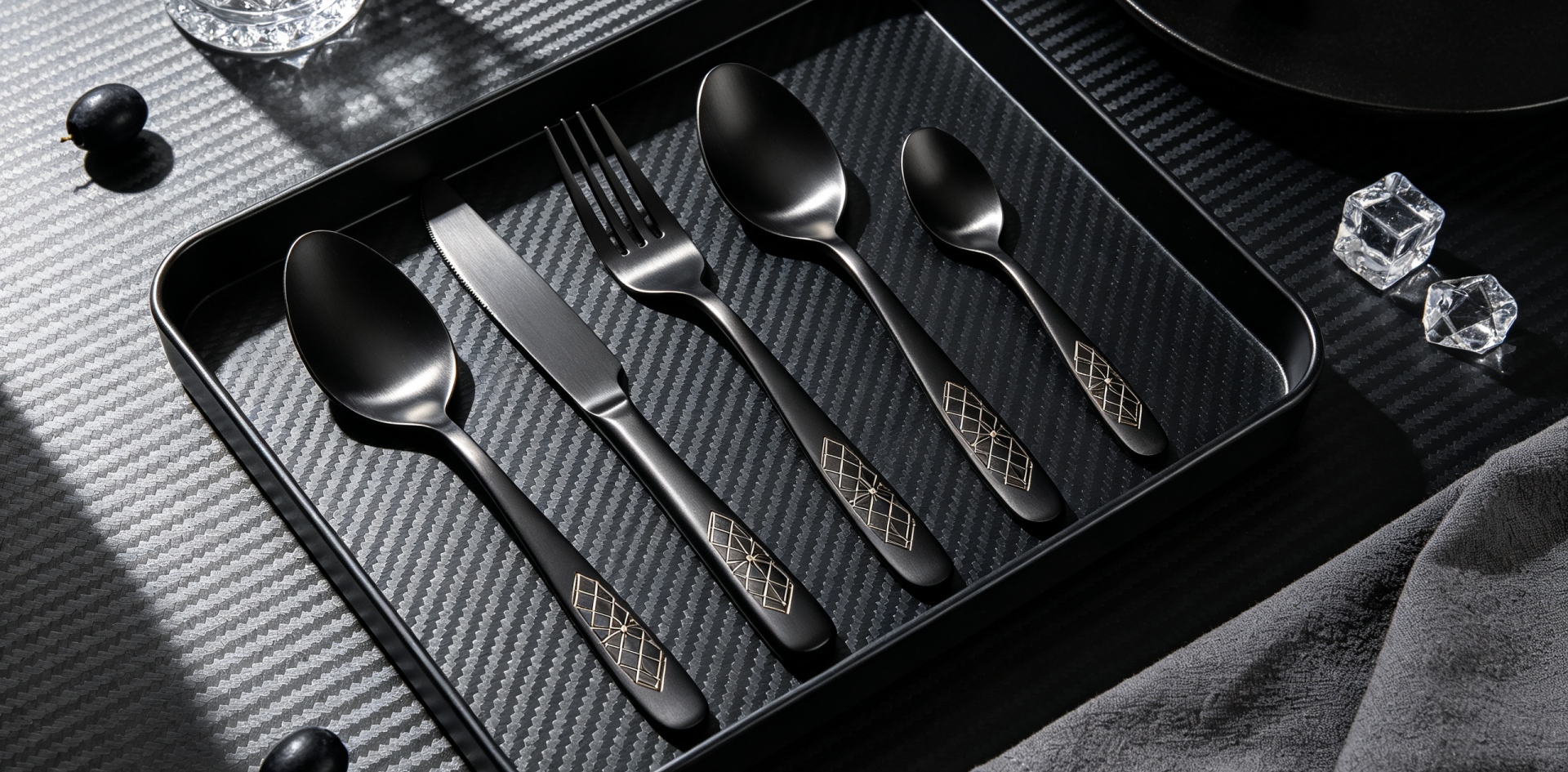
Stainless Steel Spoon Bowl Depth Specification for B2B Orders
When buyers source stainless steel spoons for wholesale, hospitality or private label projects, product specifications often begin with material, length, thickness and handle design. However, the depth of the spoon bowl is another product detail that can influence the overall shape and positioning of the finished spoon.
Bowl depth is not simply a visual characteristic. It forms part of the three-dimensional structure of the spoon and needs to correspond with the overall bowl length, width and handle proportions.
For B2B buyers developing customized stainless steel spoons, defining this detail clearly can help the manufacturer reproduce the intended product more consistently from sample development to bulk production.
What Is Stainless Steel Spoon Bowl Depth?
Spoon bowl depth refers to the vertical depth of the formed bowl compared with its surrounding rim or reference surface.
The actual depth can vary according to the product design. A shallow spoon and a deeper spoon can have similar overall lengths but create very different visual proportions.
Different applications may also require different bowl profiles.
A standard dining spoon, dessert spoon or specialty spoon can each have its own dimensions and shape. Therefore, there is no single bowl depth that is appropriate for every stainless steel spoon.
For custom B2B production, the important factor is matching the depth to the approved product design.
Why Bowl Depth Matters in Product Development
A spoon is a three-dimensional product. Looking only at length and width does not fully describe its shape.
Two spoons can have similar dimensions when measured from above but appear different from the side because their bowl profiles are different.
Bowl depth can therefore be considered together with:
-
Bowl length
-
Bowl width
-
Bowl depth
-
Overall spoon length
-
Handle dimensions
-
Bowl-to-handle transition
-
Product thickness
-
Overall product proportions
These details work together to create the final appearance of the spoon.
For a B2B buyer, establishing these characteristics before mass production can make the product specification much clearer.
Bowl Depth and Spoon Proportion
The relationship between bowl depth and the rest of the spoon is important.
A relatively shallow bowl may create a flatter, more contemporary visual appearance. A deeper bowl may produce a different three-dimensional profile.
Neither approach is automatically better. The appropriate design depends on the product concept, target market and intended use.
For private label brands, the selected bowl profile may also need to coordinate with the design language of the rest of the collection.
This is why bowl depth should be discussed as part of the complete spoon design rather than as an isolated measurement.
Why a Physical Sample Is Useful
A physical stainless steel spoon sample allows buyers to evaluate the actual bowl profile.
Measurements can provide useful information, but they do not always communicate the complete visual relationship between the bowl, rim and handle.
When reviewing a sample, buyers can observe the spoon from the top and side. They can compare the bowl profile with the approved design and evaluate whether the overall proportions feel correct.
For OEM and ODM projects, this provides an opportunity to make adjustments before large-volume production begins.
Once the sample is approved, it can become an important reference for the production order.
Comparing Multiple Spoon Samples
When possible, buyers should compare several pieces of the same model rather than evaluating only one spoon.
Place the spoons together and compare their bowl profiles from the same viewing angle.
Look at the relationship between bowl depth, bowl width and the centerline. Also compare the transition from the bowl into the handle.
The purpose is to determine whether the intended design can be reproduced consistently.
This type of comparison can be particularly useful for new custom products where the buyer is establishing a product standard for future orders.
Bowl Depth for Different Spoon Models
A stainless steel cutlery collection may contain several spoon models.
A table spoon, dessert spoon and teaspoon can have different overall dimensions and bowl proportions.
Even when they share a common handle design, their bowls may require different specifications.
For this reason, buyers should avoid using one general bowl specification for an entire collection.
Each model can have its own:
-
Product code
-
Overall length
-
Bowl dimensions
-
Bowl depth
-
Handle dimensions
-
Thickness
-
Weight
-
Surface finish
-
Approved sample
This model-by-model approach makes production communication easier when a collection contains multiple sizes.
Bowl Depth and Handle Transition
The area where the spoon bowl transitions into the handle can influence the overall appearance of the product.
A bowl with a particular depth needs to connect naturally with the neck and handle according to the intended design.
If one area is changed without considering the others, the spoon may look different from the original concept.
During custom development, buyers can therefore review the entire side profile of the spoon.
This is especially useful for modern flatware designs where smooth transitions and clean proportions are important visual characteristics.
Creating a Clear Spoon Specification
A B2B product specification does not need to be unnecessarily complicated.
For a custom stainless steel spoon, buyers can provide:
-
Product model
-
Stainless steel material
-
Overall length
-
Bowl length
-
Bowl width
-
Bowl depth
-
Handle length
-
Handle dimensions
-
Product thickness
-
Product weight
-
Surface finish
-
Logo requirements
-
Packaging requirements
-
Approved sample reference
A product drawing can provide additional information when the bowl has a distinctive shape.
If the buyer already has a physical sample, it can also be supplied as a reference for product development.
The factory can then evaluate the requirements and determine the appropriate production approach.
Bowl Depth and Quality Consistency
For a small sample quantity, differences in product shape may be difficult to notice.
For a large B2B order, however, consistency becomes much more important.
A production batch may contain thousands of stainless steel spoons. If the bowl profile varies significantly between pieces, the difference can become visible when products are arranged together or packed as a set.
For this reason, the approved sample and confirmed product specifications can be used as references during production inspection.
Multiple pieces can be compared to ensure that the overall product remains consistent with the agreed design.
Why This Matters for Private Label Cutlery
Private label brands often invest in creating a distinctive product collection.
The handle, bowl shape and surface appearance may all be selected to create a specific market position.
When the same product is reordered, the buyer normally expects it to remain visually consistent with the original collection.
A clearly documented bowl specification can support this requirement.
Homefelt factory supports private label stainless steel cutlery projects and can work with buyers on customized spoons, forks, knives and complete flatware sets.
The service can be adjusted according to the customer's requirements, whether the project starts from an existing product or a new design concept.
OEM and ODM Spoon Development
OEM and ODM cooperation can provide different levels of customization.
An OEM customer may already have a detailed design and mainly require a capable manufacturing partner.
An ODM customer may begin with a product idea, reference image or general market direction and need more support during development.
For either type of project, bowl depth can be included in the product specification when it is relevant to the design.
Homefelt provides OEM, ODM and private label manufacturing for stainless steel cutlery, together with wholesale and large-volume production.
This allows buyers to discuss product development and manufacturing requirements with one supplier.
One-Stop Service for Custom Cutlery Projects
A B2B cutlery project often involves more than manufacturing the stainless steel spoon itself.
Depending on the customer's situation, the project may include product design, sample development, branding, packaging and transportation arrangements.
Homefelt can provide a one-stop service approach and develop a customized service package according to the customer's actual requirements.
For example, a customer with an existing design may mainly need production, packaging and shipping support. Another customer may need help developing the product concept before moving into sampling.
The service can therefore be adjusted according to the customer's business model, sales channel and project requirements.
Experience and Product Development
Homefelt has more than 40 years of experience in stainless steel cutlery manufacturing and serves B2B customers with stainless steel knives, forks, spoons and flatware sets. The company website also identifies OEM/ODM and private label manufacturing as part of its service capabilities.
For buyers, manufacturing experience is valuable when a product requires detailed specifications.
A manufacturer familiar with stainless steel cutlery can help connect product dimensions with practical production requirements, allowing buyers to develop a clearer specification before committing to a large order.
The goal is not simply to produce a spoon that looks acceptable in a sample. It is to establish a product reference that can be reproduced consistently.
Certifications and Quality Documentation
For international B2B buyers, factory qualifications and quality documentation can also be part of supplier evaluation.
Homefelt's published company information lists BSCI, SEDEX 4P, BRC and ISO 9001 audits, as well as Disney audit experience and FAMA and FSC certifications.
For a specific project, buyers can discuss which certificates, audit documents, inspection records or product testing information are relevant to their purchasing requirements.
This provides a more complete basis for evaluating both the product and the manufacturing partner.
Supporting Long-Term Customer Growth
A B2B stainless steel cutlery project is often more than one purchase order.
A successful spoon design may later be extended into matching forks, knives, additional spoon sizes or complete cutlery sets.
When the original product specifications and samples are clearly maintained, these new products can be developed with a stronger connection to the original collection.
Homefelt aims to work with customers as a long-term manufacturing partner rather than only supplying a single order.
The service can grow together with the customer's business, from an initial product concept to larger wholesale programs and additional customized products.
What Buyers Should Confirm Before Ordering
Before placing a bulk order for customized stainless steel spoons, buyers can confirm the following:
-
Stainless steel material
-
Overall product dimensions
-
Bowl length and width
-
Bowl depth
-
Handle design
-
Product thickness
-
Product weight where required
-
Surface finish
-
Logo or branding requirements
-
Approved physical sample
-
Packaging requirements
-
Quantity and shipping requirements
Having these details confirmed before production can reduce misunderstandings and provide a clearer reference for future repeat orders.
Conclusion
Stainless steel spoon bowl depth is a specific product parameter that can influence the three-dimensional appearance and overall proportions of a spoon.
For B2B buyers, it should be considered together with bowl length, width, handle design and the complete product profile. A physical sample can help confirm the intended result before bulk production.
For wholesalers, distributors, hospitality suppliers and private label brands, a clear specification and approved sample can also support consistency when the same product is reordered.
Homefelt factory provides stainless steel spoon, fork, knife and flatware customization, including OEM, ODM, private label, wholesale and large-volume production. Customers can also discuss product design, packaging and transportation as part of a customized one-stop service package.
If you are developing a new stainless steel spoon, complete cutlery collection or private label flatware project and need more detailed information, send your product requirements, drawings or reference samples to ingrid@homefelt.net. We can discuss the appropriate product specifications, customization options, packaging, transportation and production plan according to your situation.
You May Be Interested In
Stainless Steel Fork Head Width Specification for B2B Cutlery
Stainless Steel Spoon Bowl Symmetry for Consistent B2B Production
Related Article



