
Stainless Steel Spoon Bowl Design: Size, Depth & Capacity for B2B Orders
Stainless Steel Spoon Bowl Design: Size, Depth & Capacity for B2B Orders
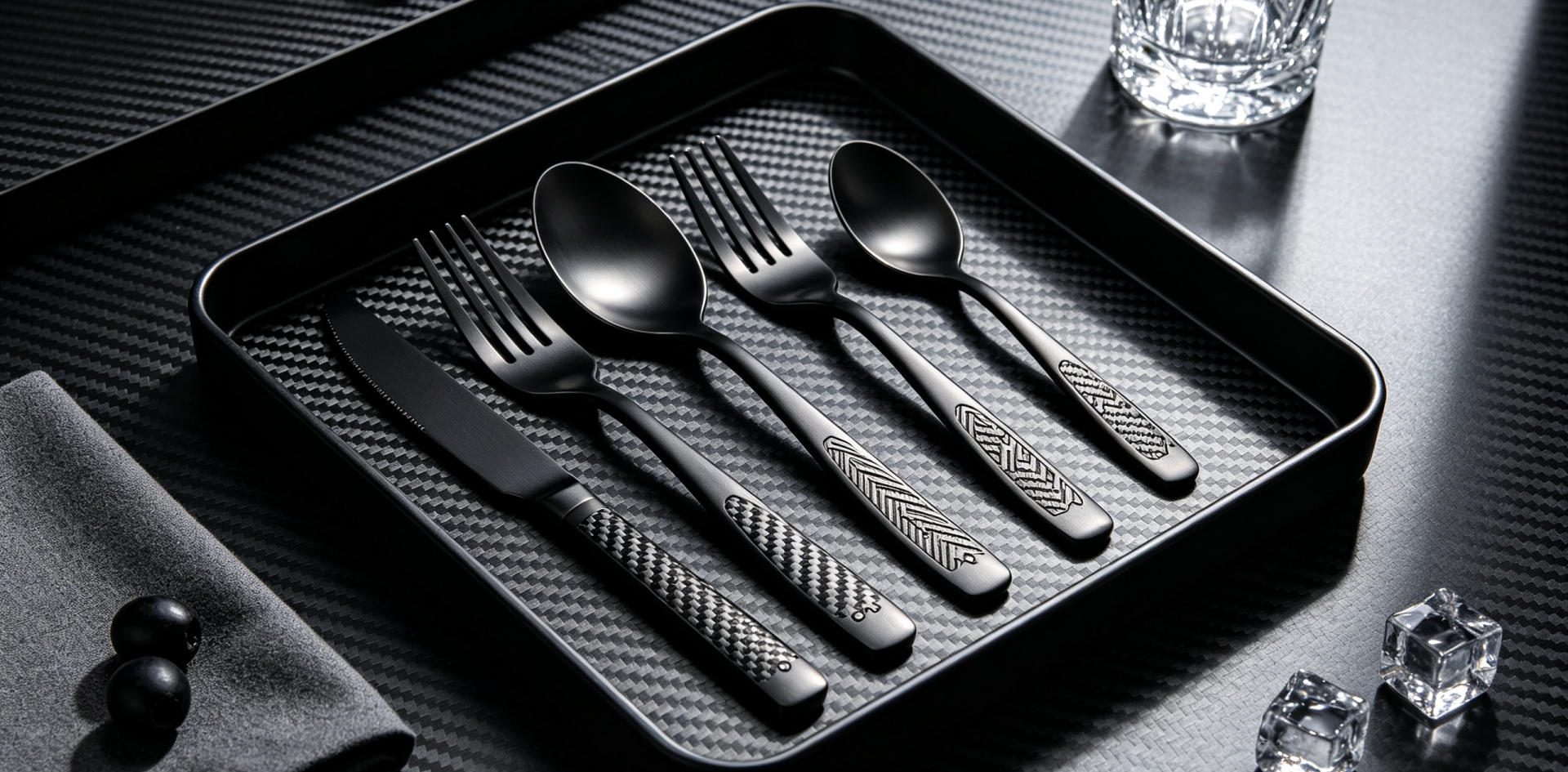
When purchasing stainless steel spoons for wholesale, foodservice, retail or private label projects, buyers often focus first on the material, handle design and surface finish. However, the bowl of the spoon is equally important because its dimensions influence the appearance, handling and practical use of the finished product.
For a professional stainless steel cutlery manufacturer, spoon bowl design is not simply a matter of making the bowl larger or smaller. Length, width, depth, curvature, weight and the relationship between the bowl and handle all need to work together.
For B2B buyers developing a new stainless steel spoon collection, understanding these specifications can make communication with a factory more efficient and help reduce unnecessary changes before bulk production.
Spoon Bowl Dimensions That Buyers Should Confirm
A stainless steel spoon can be described by several basic dimensions.
Typical specifications may include overall length, bowl length, bowl width, bowl depth and product weight. Depending on the project, buyers may also need to confirm the shape and curvature of the bowl.
The overall length determines how the spoon fits with other pieces in a flatware collection. The bowl dimensions influence the visual proportion of the product, while depth affects how much food or liquid the spoon can hold.
For example, a compact spoon designed for a children's collection will normally require a different proportion from a larger spoon intended for restaurants, hotels or general foodservice use.
A B2B specification sheet can therefore include:
-
Overall spoon length
-
Bowl length
-
Bowl width
-
Bowl depth
-
Product weight
-
Handle dimensions
-
Stainless steel material
-
Surface finish
-
Logo or branding requirements
-
Packaging requirements
These details provide the factory with a clearer reference for sampling and production.
Why Bowl Depth Matters
Bowl depth is an easily overlooked specification.
Two stainless steel spoons may have a similar overall length and width but still provide a different user experience because their bowl depths are different.
A relatively shallow bowl may create a lighter and more open appearance. A deeper bowl can provide a different carrying capacity and may be more suitable for products intended for soups, desserts or other specific applications.
The correct choice depends on the product's intended market rather than one universal standard.
For wholesalers and distributors, it is useful to define the intended application before selecting the final specification. A spoon for general tableware may require a different bowl profile from one developed for hospitality, foodservice or a specialized retail collection.
This is where communication between the buyer and manufacturer becomes important.
How Bowl Shape Influences the Finished Spoon
Bowl shape is not only about depth.
The transition from the bowl to the handle, the curvature of the sides and the shape of the front end all contribute to the overall appearance of the spoon.
A well-proportioned spoon should look consistent when placed beside the matching fork and knife.
For a complete flatware collection, buyers can compare:
| Specification | What Buyers Can Evaluate |
|---|---|
| Bowl length | Overall proportion and usable area |
| Bowl width | Visual size and serving characteristics |
| Bowl depth | Capacity and handling |
| Handle length | Overall balance |
| Product weight | Hand feel and collection consistency |
| Bowl curvature | Shape and functional characteristics |
| Surface finish | Visual appearance |
| Edge finishing | Smoothness and final product feel |
These parameters can be confirmed during sample development before the project enters mass production.
Choosing Spoon Specifications for Different B2B Projects
The ideal spoon specification depends on the sales channel and product positioning.
A retailer developing a general household flatware collection may prefer a balanced proportion that works across everyday dining applications.
A restaurant or hospitality supplier may need a more substantial spoon with a consistent weight and appearance across a complete knife, fork and spoon range.
A private label brand may have its own design language and require a customized bowl shape that matches a specific handle.
For OEM and ODM projects, the buyer does not necessarily need to start with a fully developed technical drawing. A photograph, physical sample, reference product or basic design concept can provide a starting point for discussion.
The manufacturer can then review the requested dimensions, material, finish and production requirements and help establish a practical specification.
Material and Weight Should Be Considered Together
The spoon bowl cannot be considered separately from the material and overall product construction.
Stainless steel grade, thickness, dimensions and forming requirements can all influence the final weight and feel of the spoon.
For a B2B order, buyers should therefore avoid evaluating only one specification in isolation.
A sample should ideally be reviewed as a complete product.
Check whether the spoon has the expected weight, whether the bowl and handle look proportionate, whether the curvature matches the approved design and whether the spoon sits naturally with the matching knife and fork.
Once these points are confirmed, the approved sample can become an important reference for future production.
Homefelt Factory for OEM and ODM Spoon Projects
Homefelt is an experienced stainless steel cutlery manufacturer and supplier serving B2B customers worldwide. Its product range includes stainless steel spoons, forks, knives and complete flatware sets, with OEM, ODM and private label manufacturing support.
For a customized spoon project, customers can discuss product dimensions, bowl proportions, material, weight, surface finish, handle design, logo requirements and packaging according to their market requirements.
This flexible approach is useful for different types of buyers.
A wholesaler may need a stable specification for a large-volume order. A distributor may want a complete collection with matching spoon, fork and knife proportions. A private label brand may need a new spoon design that fits its existing product identity.
Instead of providing the same solution to every customer, Homefelt can develop a service package around the actual requirements of each project.
From Product Design to Bulk Production
A successful cutlery project often involves more than manufacturing the spoon itself.
Homefelt can provide a one-stop service covering product development, customization, packaging and transportation. Customers can discuss their product requirements with the factory and establish a service package based on their project situation.
For example, a customer may already have a spoon drawing and only require manufacturing and private label packaging. Another customer may have a general concept but need support with product proportions, sample development and packaging before moving into bulk production.
This makes the service adaptable to different stages of product development.
For large-volume orders, maintaining the confirmed product specification is especially important. The approved sample, dimensions, weight, finish and packaging information can provide a reference for production and future repeat orders.
Experience Behind B2B Cutlery Manufacturing
Homefelt states that it has more than 40 years of experience in stainless steel cutlery manufacturing and 17 years as an Alibaba Gold Supplier. The company also lists BSCI, SEDEX 4P, BRC and ISO 9001 audits, as well as Disney audit, FAMA and FSC credentials.
For B2B customers, these credentials provide supporting information when evaluating a long-term manufacturing partner.
The company also lists experience serving international brands and provides OEM, ODM and private label manufacturing for wholesalers, distributors, retailers and other commercial buyers.
For a new spoon or complete flatware project, buyers can combine this manufacturing experience with a clearly defined product specification.
A Practical Checklist Before Requesting a Spoon Quotation
Before contacting a stainless steel spoon manufacturer, buyers can prepare the following information:
-
Spoon type and intended application
-
Overall length
-
Bowl length and width
-
Bowl depth or preferred bowl profile
-
Stainless steel material
-
Approximate product weight
-
Handle design
-
Surface finish
-
Logo or private label requirements
-
Packaging and estimated order quantity
If some specifications are not yet confirmed, buyers can also send a reference sample, drawing or product photograph.
The factory can use the available information as the starting point for discussing the design and quotation.
This can be particularly useful for OEM and ODM projects where the buyer wants to create a differentiated stainless steel spoon rather than simply purchase an existing product.
Building a Long-Term Flatware Collection
A spoon is often only one part of a complete flatware collection.
Once the spoon specification is confirmed, the same design language can be extended to matching forks and knives. Bowl proportions, handle dimensions, surface treatment and overall weight can be coordinated so the complete collection has a consistent appearance.
For brands and distributors, this approach can make it easier to develop multiple products around one collection concept.
Homefelt can support customers from individual stainless steel spoon projects to complete knife, fork and spoon collections, including OEM, ODM, private label, wholesale and bulk production requirements.
The goal is not simply to manufacture a product, but to help customers establish a practical product specification and a stable supply relationship as their business develops.
You May Be Interested In
Stainless Steel Flatware Weight & Balance for Wholesale Cutlery
Stainless Steel Cutlery Set Size Coordination for OEM B2B Projects
Related Article



