
Stainless Steel Spoon Bowl and Handle Alignment for OEM Production
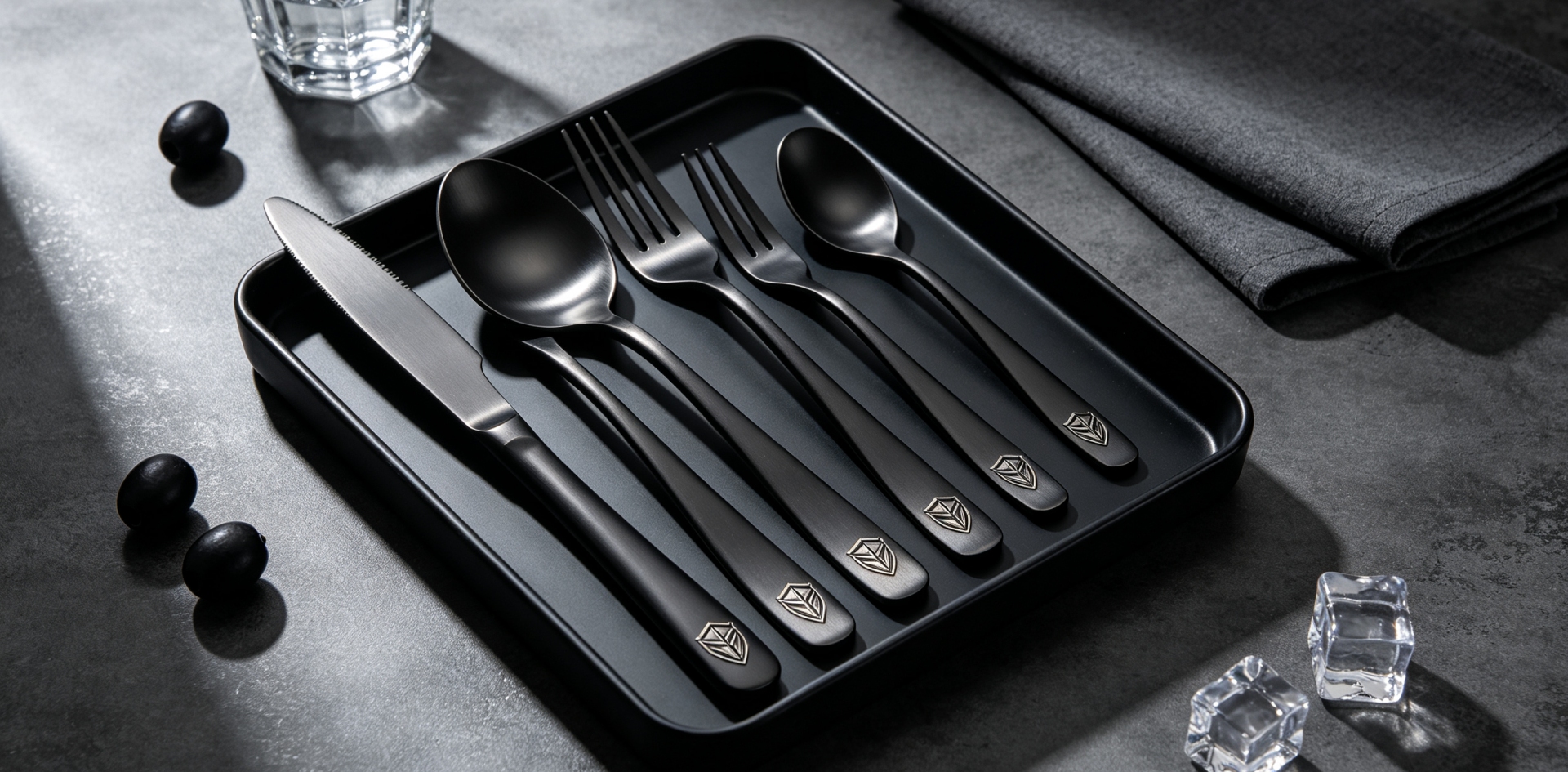
Stainless Steel Spoon Bowl and Handle Alignment for OEM Production
When developing stainless steel spoons for wholesale, hospitality, retail or private label markets, buyers often focus on material, dimensions and surface appearance. Another practical detail is the alignment between the spoon bowl and handle.
This connection influences how the spoon looks when placed on a table, how consistently it matches the other pieces in a flatware collection, and how accurately the approved sample can be reproduced during bulk manufacturing.
For OEM and ODM projects, bowl-to-handle alignment is therefore worth defining during product development rather than leaving it entirely to the final production stage.
Homefelt factory specializes in stainless steel knives, forks and spoons and supports OEM, ODM, private label, wholesale and large-volume production. The factory can work with customer drawings, samples and product concepts to establish practical specifications before bulk manufacturing begins.
Why Spoon Alignment Matters in a Flatware Collection
A stainless steel spoon consists of several visually connected areas. The bowl provides the functional end of the product, while the handle establishes much of its overall visual identity.
If the connection between these areas is not consistent, the finished collection can appear less coordinated even when the individual pieces meet their basic dimensional requirements.
For B2B buyers, this becomes especially noticeable when multiple spoons are placed together or when the spoon is displayed alongside matching forks and knives.
Consistent alignment helps create a more uniform appearance across a production batch and supports the visual consistency expected from a commercial flatware collection.
Defining the Alignment During Product Development
When a customer develops a new stainless steel spoon, the factory needs more than a general reference such as “classic spoon” or “modern spoon.”
A useful product specification can include the overall length, bowl dimensions, handle dimensions, material information and the relationship between the bowl and handle.
The customer may provide a physical sample, technical drawing or product image. These references give the factory a starting point for understanding the intended appearance.
During sampling, the buyer can then review the complete spoon rather than judging individual dimensions separately.
This process is particularly useful for private label projects because the customer may want the spoon to have a specific visual identity that remains consistent across future orders.
Alignment and Matching Knife and Fork Designs
A spoon normally forms part of a larger stainless steel cutlery collection.
When the customer also needs a matching knife and fork, the spoon should be considered together with the other pieces. The goal is not for every dimension to be identical, but for the three products to look like they belong to the same collection.
For example, the visual centerline and overall direction of the spoon can be reviewed alongside the corresponding fork and knife. This helps the factory understand the customer's design language before final specifications are confirmed.
Homefelt can develop or manufacture stainless steel knives, forks and spoons as a coordinated project, allowing buyers to discuss the collection with one factory.
What Buyers Should Review in a Sample
During sample approval, B2B buyers can review several practical points.
First, place several samples together and compare the bowl-to-handle relationship. This can make small differences easier to identify.
Second, place the spoon beside the matching fork and knife. The complete set often reveals whether the design looks visually coordinated.
Third, compare the sample with the customer's original drawing or reference product. If a specific alignment was part of the original concept, it should be confirmed before mass production.
Finally, record the approved sample and product specifications as the reference for future manufacturing.
This approach gives both the buyer and factory a clear starting point for production.
Consistency During Bulk Manufacturing
Once a spoon sample has been approved, the same product specification needs to be maintained during bulk production.
For distributors and private label brands, consistency becomes particularly important when products are reordered. A customer may purchase the same spoon several times over a period of months or years, and the new production should continue to match the established collection.
Factory production experience is valuable here because the approved sample needs to be translated into repeatable manufacturing requirements.
Homefelt supports customers from sampling through bulk stainless steel cutlery production, helping maintain a defined product reference throughout the project.
Suitable for Different Commercial Programs
Different buyers may have different requirements for stainless steel spoons.
A restaurant supply distributor may require a dependable collection for repeated wholesale purchasing. A hotel supplier may need matching knives, forks and spoons for a complete table setting. A private label brand may require a distinctive spoon design that can be used consistently across its product range.
These applications can lead to different product specifications.
Rather than applying one standard spoon design to every customer, an OEM factory can review the intended market, existing collection and purchasing requirements before confirming the final specification.
This makes the product development process more practical for B2B buyers.
OEM and ODM Stainless Steel Spoon Manufacturing
For customers who already have drawings or samples, Homefelt can manufacture according to confirmed requirements.
For customers who have only a concept, the factory can also participate in product development and help convert the concept into a practical stainless steel spoon specification.
OEM projects can include customized dimensions and product details. ODM projects can begin with suitable existing production capabilities and be developed toward the customer's target collection. Private label customers can combine customized spoons with matching knives, forks and branded packaging.
This flexibility allows different types of buyers to use the same manufacturing partner for different levels of customization.
Product Specifications and Factory Experience
A professional B2B cutlery project normally requires clear product information.
Depending on the order, the specification may include material, dimensions, product weight, finishing requirements, packaging information and approved samples. Supporting factory qualifications and testing documents can also be reviewed during supplier evaluation.
Homefelt has extensive experience in stainless steel cutlery manufacturing and has passed BSCI, SEDEX 4P, BRC, ISO9001 and Disney audits. The factory also holds FAMA and FSC certifications for applicable requirements.
For customers, these materials provide additional supplier information while the approved product specification remains the main reference for each individual order.
One-Stop Service for Stainless Steel Cutlery
For international B2B customers, product manufacturing is only one part of the purchasing process.
Homefelt provides one-stop service covering product design, manufacturing, packaging and transportation. The service can be adapted according to the customer's project, target market and order requirements.
A buyer can discuss customized stainless steel spoons together with matching knives and forks, packaging and shipping arrangements through one coordinated service process.
This is useful for wholesale distributors, hospitality suppliers, commercial buyers, private label brands and customers planning large-volume orders.
Building a Consistent Cutlery Collection
A small design detail can become important when thousands of pieces are produced for the same collection.
For stainless steel spoons, the relationship between the bowl and handle contributes to the overall visual consistency of the product. Defining this relationship clearly during sampling can make communication easier and provide a useful reference for future production.
Homefelt aims to support customers beyond a single order by providing manufacturing experience, OEM and ODM development, private label support and one-stop service.
For international buyers looking for a long-term China stainless steel cutlery partner, the factory can help develop products according to specific requirements and support repeat bulk production as the customer's business grows.
Stainless Steel Flatware Presentation for OEM and Wholesale Collections
Stainless Steel Fork Head Width for OEM and Private Label Collections
Related Article



