How Spoon Bowl Shapes Suit Different Serving Applications
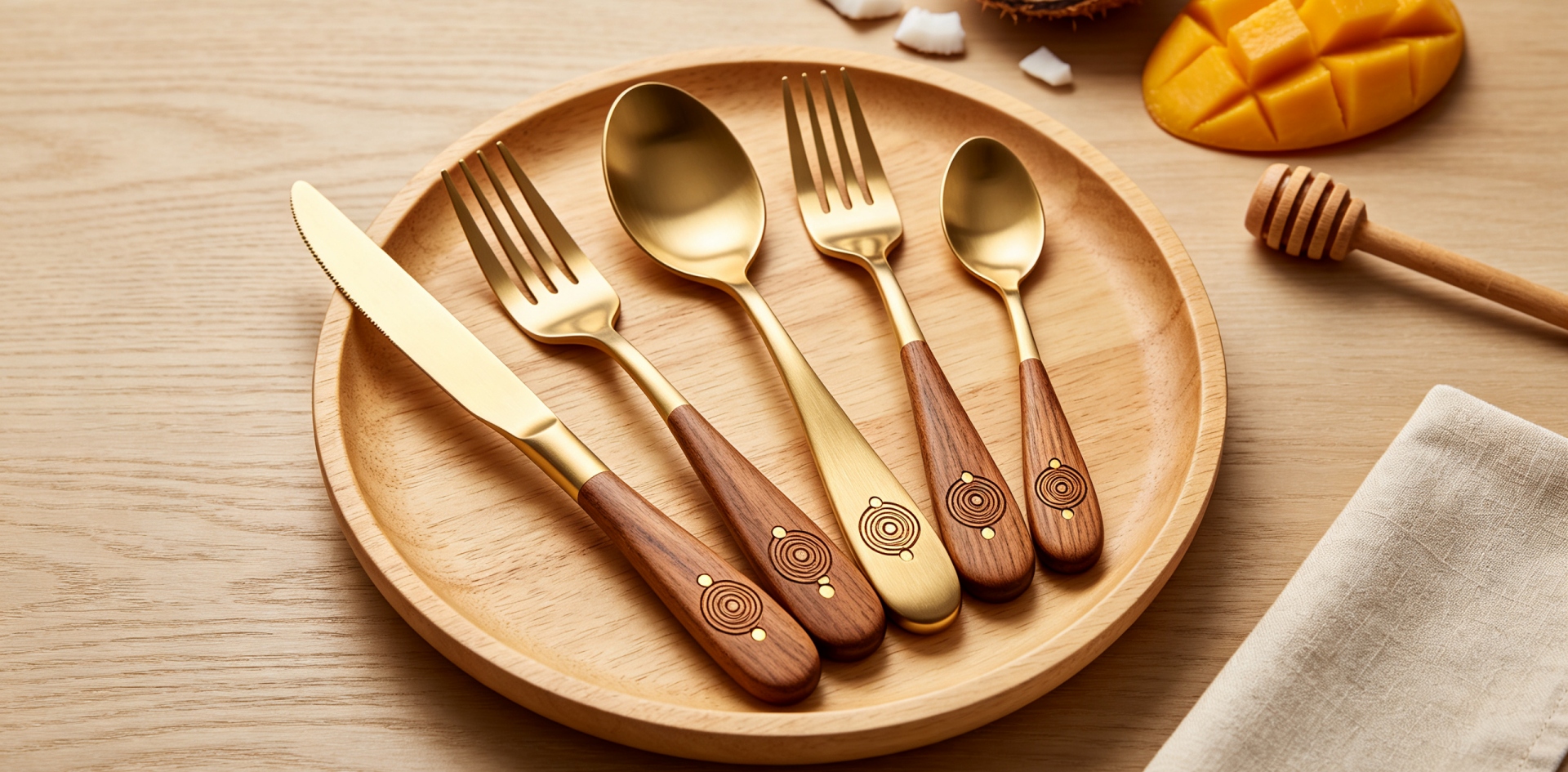
How Spoon Bowl Shapes Suit Different Serving Applications
The bowl is one of the most recognizable features of a stainless steel spoon, but its shape also influences how the product performs in everyday use. A spoon designed for soup may have different functional priorities from one intended for desserts, tasting portions or serving dishes. For importers, distributors and private label brands, understanding these differences helps build a more suitable product range for the target market.
Homefelt factory specializes in stainless steel cutlery, including spoons, forks, knives and coordinated flatware collections. When selecting spoon models for a wholesale program, buyers should consider the intended application alongside appearance, material, finish and overall product specifications.
Why Bowl Shape Matters
A spoon bowl is not simply a decorative element. Its outline, depth, curvature and edge profile influence how food is collected, carried and served. These characteristics also affect the visual identity of a cutlery collection.
A deeper bowl may be appropriate when a product is intended for liquid foods, while a shallower profile may suit certain desserts or tasting applications. A broad bowl can create a distinctive appearance, but the final design should remain practical for its intended use.
No single bowl shape is ideal for every application. Buyers should assess the complete spoon design rather than choosing by appearance alone.
Matching Spoon Bowl Shapes to Common Applications
Soup and Liquid-Food Spoons
Soup spoons generally prioritize a bowl profile that can hold an appropriate portion of liquid. The depth, width and curvature work together to influence capacity and how comfortably the spoon can be used.
For a wholesale order, buyers should identify the intended market and serving context. A spoon for everyday household dining may have different design priorities from one selected for a specialized tableware collection.
When reviewing samples, assess whether the bowl holds a practical amount of liquid and whether its edges feel comfortable during normal use. Product dimensions and capacity should be confirmed with the supplier rather than estimated from photographs.
Dessert Spoons
Dessert spoons serve a variety of foods, including pudding, cake, yogurt and fruit. Depending on the intended use, buyers may prefer a compact bowl, a more rounded outline or a profile that complements the design of the accompanying cutlery.
For retailers, the visual relationship between dessert spoons and other utensils can be important. Consistent handle styling and surface finish help maintain a coordinated appearance, while the bowl shape can distinguish the spoon's intended role within the collection.
Buyers developing a range for multiple markets should clarify whether the product will be sold individually, in a mixed set or as part of a broader tableware assortment.
Teaspoons and Small Serving Spoons
Teaspoons are commonly used for stirring beverages and handling small portions. Their bowl proportions should support the intended use without making the product appear oversized or unbalanced.
Small serving spoons may look similar in photographs but can have different practical purposes. Buyers should confirm whether a model is intended for individual dining, condiment service or shared dishes. Product names alone may not fully explain these differences.
Specialty and Tasting Spoons
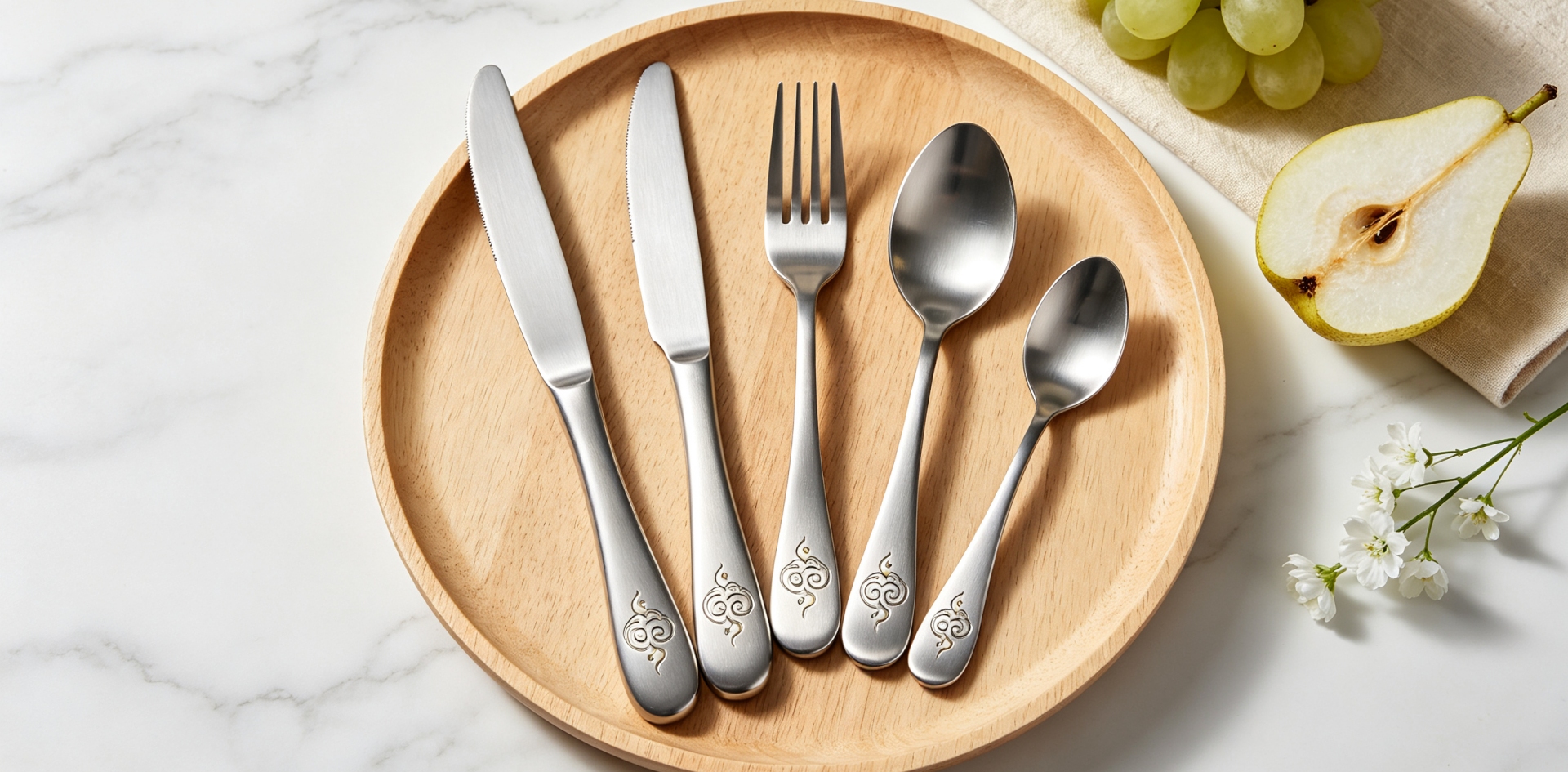
Specialty spoons may use distinctive bowl outlines to suit a particular presentation style or product concept. For example, a tasting spoon may prioritize a compact profile and a clean appearance, while a specialty dessert spoon may emphasize a more unusual silhouette.
These products can help retailers and hospitality suppliers differentiate their assortments. However, a distinctive shape should be evaluated for practical use, ease of cleaning and compatibility with the intended dining setting before it becomes part of a large production order.
Which Product Parameters Should Buyers Confirm?
Bowl shape should be evaluated together with measurable specifications. When requesting a quotation from a stainless steel spoon manufacturer, buyers can provide or request the following information:
-
Total spoon length.
-
Bowl length and maximum width.
-
Bowl depth or curvature details where relevant.
-
Stainless steel grade.
-
Material thickness and unit weight.
-
Handle shape and overall balance.
-
Surface finish and edge quality.
-
Intended use and required product configuration.
These details help distinguish products that look similar but may perform differently. For custom projects, a reference sample, drawing or annotated photograph can help communicate the intended bowl profile.
If capacity is important, ask the supplier how it is measured and whether the figure refers to a level fill or another defined method. This makes comparisons more meaningful across different spoon designs.
Evaluating Bowl Shape During Sample Review
A photograph can communicate the outline of a spoon, but it cannot fully demonstrate its usability. Before confirming a large order, buyers should review a physical sample when practical.
Start by checking the bowl's symmetry and whether the shape matches the approved drawing or reference. Inspect the edges and surface for visible defects. Then evaluate the spoon in its intended application, paying attention to comfort, balance and ease of use.
For a product range with multiple bowl shapes, compare samples under the same conditions. Record comments by model number and identify which features require adjustment. This creates a clearer basis for communicating changes to the factory.
The approved sample and final specifications should be aligned before bulk production begins. If the bowl profile changes during development, related dimensions and product images may also need to be updated.
Building a Commercial Spoon Range Around Applications
For distributors and importers, selecting several functional categories can make a product catalog easier for customers to navigate. A range might include everyday dining spoons, soup spoons, dessert spoons and selected specialty designs, depending on demand in the target market.
The objective is not to offer the largest possible number of models. It is to choose products with clear purposes and specifications that sales teams can explain accurately.
Buyers should also consider how each spoon fits with the rest of the cutlery collection. Handle design, finish and overall styling can provide visual consistency, even when bowl shapes differ according to use.
Homefelt can discuss spoon model selection, OEM/ODM customization, wholesale requirements and coordinated cutlery development. Product design, packaging and transportation can also be considered together according to the needs of each project.
Work With Homefelt on Your Spoon Requirements
If you are sourcing stainless steel spoons for retail distribution, private label development or a wholesale program, begin by identifying the intended application, preferred bowl shape, target price range and estimated order quantity.
Homefelt factory can help review suitable product options and clarify the specifications needed for a quotation. Buyers can email ingrid@homefelt.net with reference images, drawings or project requirements to discuss available models and customization possibilities.
A well-matched bowl shape helps make a spoon suitable for its intended purpose while giving buyers a clearer basis for product selection and range development.
You May Be Interested In
Stainless Steel Spoon Quotation: Key Cost Factors for B2B Buyers
Stainless Steel Spoon Sample Approval: A Guide for B2B Buyers
Related Article