
Stainless Steel Spoon Design Feasibility Before Mass Production
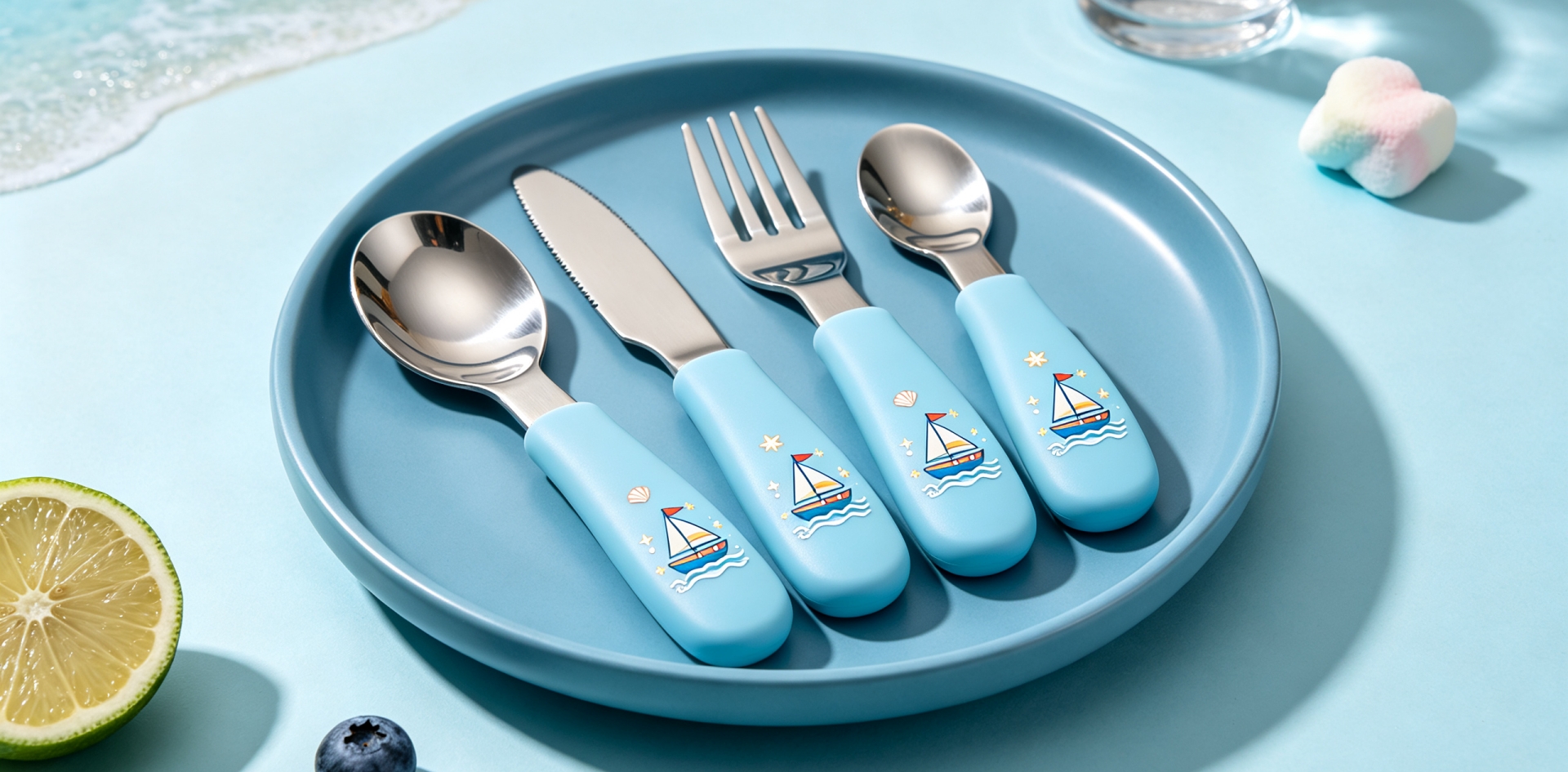
Stainless Steel Spoon Design Feasibility Before Mass Production
A stainless steel spoon design may look straightforward in a drawing or product photograph, but turning a concept into a repeatable manufactured product requires more than an attractive appearance. Bowl geometry, handle proportions, material thickness, decorative details, and finishing requirements can all affect production feasibility.
For importers, distributors, and private label brands, reviewing these factors before mass production helps identify potential difficulties while design changes are still manageable. It also gives the buyer and manufacturer a shared basis for discussing product performance, appearance, cost, and production requirements.
Homefelt supports B2B stainless steel spoon and flatware projects through OEM/ODM manufacturing, customized product development, wholesale supply, and bulk production coordination.
Start With the Intended Product Requirements
Before evaluating a new spoon design, buyers should define its intended application and the characteristics that matter most. A teaspoon for a coordinated retail set may have different priorities from a serving spoon designed for frequent handling.
The initial design brief should identify:
-
Intended product type and application.
-
Target dimensions and approximate weight.
-
Required stainless steel grade.
-
Bowl and handle design.
-
Surface finish and decorative details.
-
Expected order quantity.
-
Target price range and packaging format.
These details help the manufacturer understand which features are essential and where alternatives may be considered.
For example, if a buyer wants a distinctive handle pattern but also needs the spoon to remain within a particular weight range, both requirements should be evaluated together. Reviewing each feature separately may overlook how one design decision affects another.
Evaluate Bowl Geometry and Handle Proportions
The spoon bowl and handle determine much of the product's appearance and usability. Their proportions should be assessed as a complete design rather than as independent elements.
For the bowl, relevant factors include length, width, depth, curvature, and edge profile. A change in bowl geometry may affect the appearance of the spoon and its suitability for the intended use.
For the handle, buyers should review overall length, width, thickness, cross-section, and decorative features. A handle that appears elegant in a two-dimensional image may feel different when produced at full scale.
The transition between the bowl and handle also deserves attention. The shape should be consistent with the design concept and should not introduce unwanted edges or visible irregularities.
A technical drawing with clearly identified dimensions provides a more reliable starting point than a photograph alone. If important proportions remain uncertain, a physical sample can help the buyer assess the design before approving production.
Check Material and Thickness Compatibility
Material selection influences the spoon's appearance, weight, forming requirements, and cost. The specified stainless steel grade should match the buyer's product requirements and intended market.
Thickness also needs to be considered in relation to the design. A very thin section may not deliver the intended feel, while increasing thickness throughout the product may add unnecessary weight and material cost.
The correct approach is to define the required product characteristics first and then review whether the proposed material and thickness can support them.
Where a design includes unusually narrow sections, deep contours, or pronounced decorative details, the manufacturer may need to evaluate whether the intended geometry is practical for the available production process.
Any proposed alternative should be documented and approved rather than introduced as an unconfirmed change.
Review Decorative Patterns and Surface Finishing
Decorative handles can help a cutlery collection establish a distinctive visual identity. However, the level of detail affects the design's manufacturing requirements and final appearance.
Buyers should assess whether the proposed pattern is sufficiently clear at the actual product size. Fine lines, small recesses, and intricate relief features may appear more prominent in enlarged drawings than they do on a finished spoon.
Surface finishing should also be considered during design development. Mirror polishing, brushed effects, and other finishes create different visual characteristics and may emphasize different surface variations.
A design intended for a highly reflective finish should be evaluated under suitable lighting using an actual sample where possible. This allows the buyer to judge the combined effect of the geometry, decorative details, and surface treatment.
The goal is to establish a realistic appearance standard that can be communicated clearly to the manufacturing team.
Identify Tooling and Production Considerations Early
Some spoon designs can be adapted from an existing product platform, while others may require more substantial development. The difference can influence project cost, preparation time, and the information needed before production begins.
A customized handle profile, distinctive decorative pattern, or significantly altered bowl shape may require additional tooling or process evaluation. Buyers should ask the manufacturer to clarify which parts of the design are standard and which require new development.
Before confirming the project, discuss:
-
Whether existing production tooling can be used.
-
Which design features may require new tooling.
-
Whether the proposed dimensions are practical.
-
What sample or prototype stages are needed.
-
Which technical files must be approved.
-
How design revisions will be managed.
These questions are especially important for large-volume orders, because a design adjustment after mass production begins may affect both cost and schedule.
Tooling requirements and associated charges should be confirmed for the specific project rather than estimated from the appearance of the product alone.
Use Prototype Review to Validate the Design
A prototype or pre-production sample helps reveal details that may not be obvious from a drawing. It allows the buyer to evaluate actual proportions, handling comfort, visual balance, surface appearance, and construction details.
A structured review should compare the sample with the agreed requirements. Record any dimension that needs adjustment, any appearance feature that differs from the design, and any detail that should be clarified before approval.
For a new stainless steel spoon, the review may include:
-
Overall length and key dimensions.
-
Bowl shape and depth.
-
Handle proportions and decorative details.
-
Surface finish and edge condition.
-
Unit weight where specified.
-
Compatibility with the intended packaging.
-
Any agreed functional or material requirements.
The sample review should end with a clear decision: approved, approved with documented changes, or requiring another sample.
If changes are requested, the revised design should be identified by a new drawing or revision record. This helps prevent the approved sample and production instructions from referring to different versions.
Balance Design Ambition With Commercial Requirements
A more elaborate design is not always the most suitable choice for a wholesale program. Buyers need to consider how design complexity relates to the target selling price, order volume, and intended customer group.
Additional decoration, special finishing, or non-standard dimensions may increase production requirements. These features may be worthwhile when they create meaningful differentiation, but they should be evaluated against the commercial objective.
One useful approach is to separate essential design features from optional ones. Essential features define the product's identity or required performance. Optional features may be adjusted if they create disproportionate cost or manufacturing difficulty.
This approach allows the buyer and manufacturer to discuss alternatives without losing sight of the original product concept.
Prepare a Clear Design Approval Package
Before moving into bulk manufacturing, buyers should retain the approved technical drawing, material requirements, finish reference, sample status, and packaging details. All files should identify the relevant product model and revision.
The approval package should also record any agreed deviations from the initial design. If a particular dimension or decorative detail has been changed, the updated information should replace outdated instructions in the production file.
For repeat orders, the same approved references can help maintain consistency. If the buyer later requests a design update, the supplier should assess the change and confirm the revised requirements before implementing it.
Develop Your Stainless Steel Spoon Design With Homefelt
Homefelt works with wholesale buyers and private label brands on stainless steel spoons, forks, knives, and coordinated flatware sets. OEM/ODM support can help customers evaluate existing designs, develop customized products, and coordinate packaging for larger production programs.
To begin a project, share your product drawings, reference images, target dimensions, material requirements, estimated order quantity, and intended price range. If the design is still at the concept stage, identify the features that must remain unchanged and those that can be adjusted.
Homefelt provides one-stop coordination for product design, customized packaging, and transportation according to each customer's needs. For a discussion about your stainless steel spoon project, email ingrid@homefelt.net with your design information and project requirements.
You May Be Interested In
Stainless Steel Spoon Finish Matching Across Coordinated Cutlery Ranges
Stainless Steel Spoon Carton Quantity and Case Pack Planning for Wholesale Orders
Related Article



