Stainless Steel Spoon Design Trends for Modern Tableware Collections
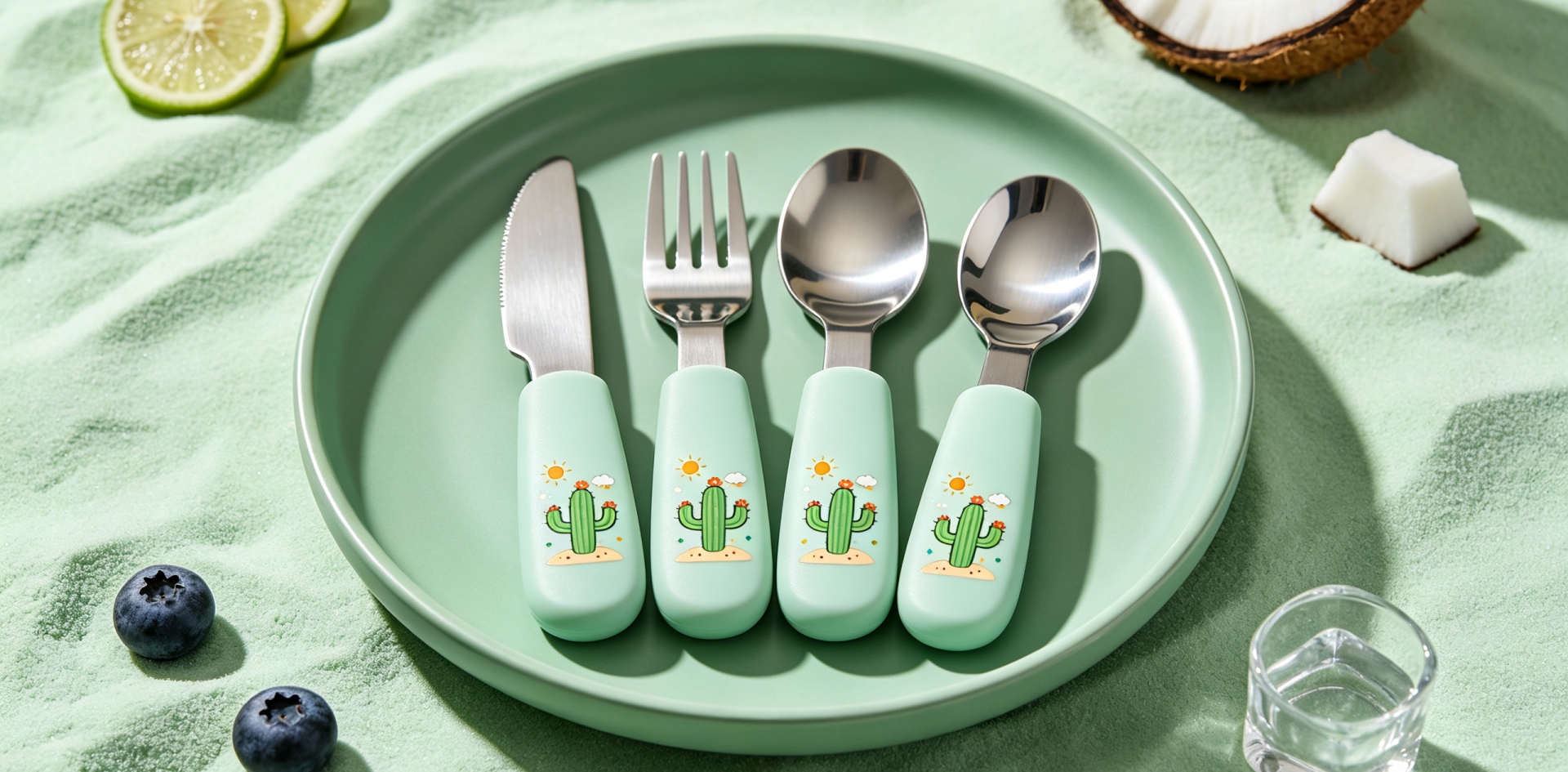
Stainless Steel Spoon Design Trends for Modern Tableware Collections
Stainless steel spoon design plays an important role in how consumers perceive a tableware collection. For retailers, distributors and private label brands, a spoon is not simply a functional dining tool. Its shape, proportions, handle details and finish can help define the overall character of a product range.
As tableware collections expand across different price points and customer preferences, buyers increasingly need designs that combine everyday practicality with a recognizable visual identity. A successful stainless steel spoon should work well on the table while fitting naturally into the wider collection.
For B2B buyers, understanding current design directions can help when selecting products for a new range or developing a distinctive private label collection.
1. Minimalist Designs With Clean Lines
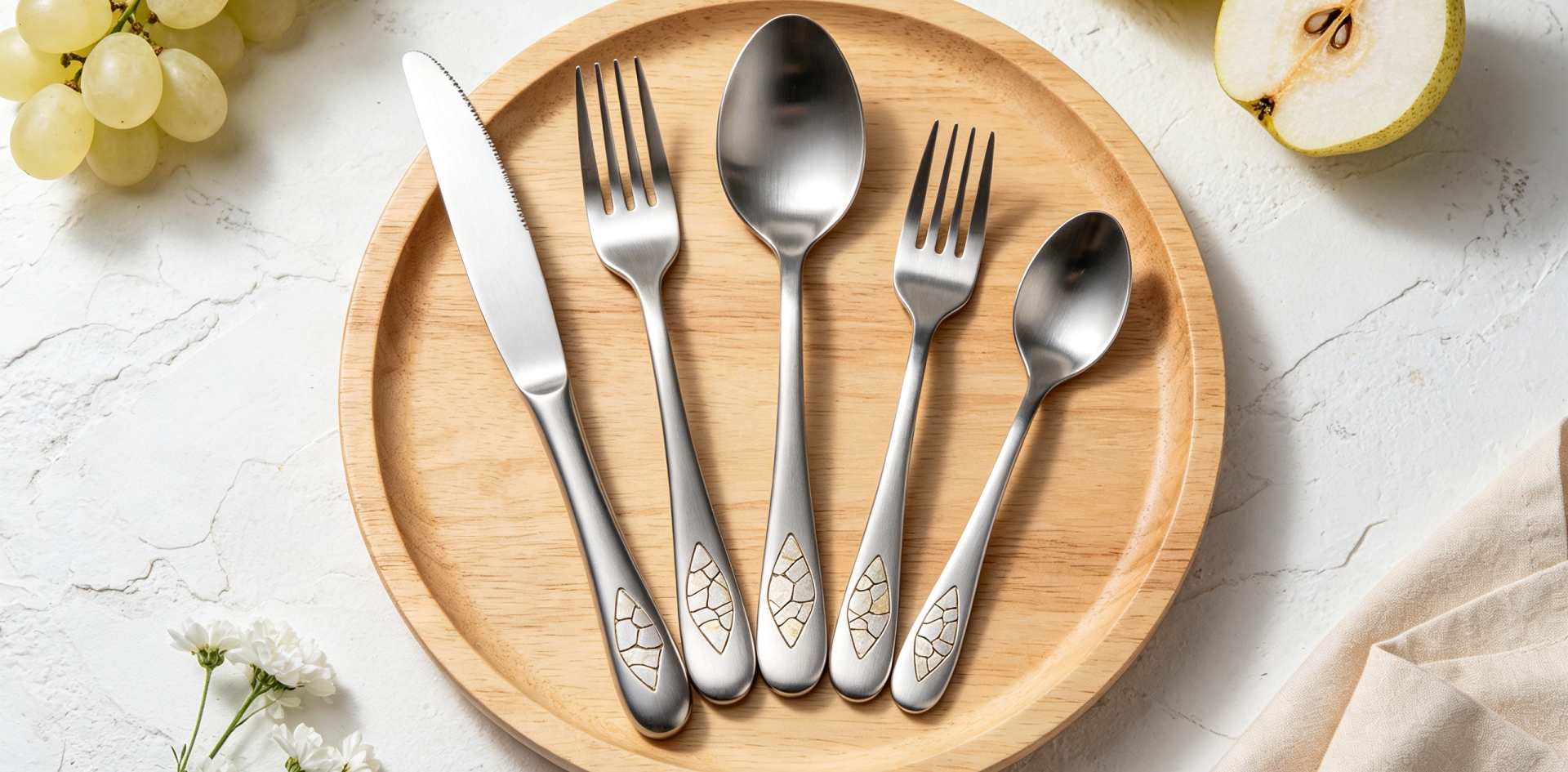
Minimalist design remains a useful direction for contemporary tableware. Simple outlines, balanced proportions and limited decoration allow stainless steel spoons to coordinate with many types of plates and dining accessories.
Typical characteristics include:
-
Straightforward handle shapes
-
Smooth transitions between the handle and bowl
-
Limited decorative detailing
-
Balanced proportions
-
Clean, polished surfaces
For distributors, minimalist spoons can be suitable for broad product ranges because they do not depend on a narrow decorative theme.
They can also be incorporated into coordinated knife, fork and spoon collections without making the overall design feel visually crowded.
2. Handle Shapes That Create Product Identity
The handle is one of the most recognizable elements of a stainless steel spoon.
Even when two products use similar materials and finishes, different handle designs can give them distinct appearances.
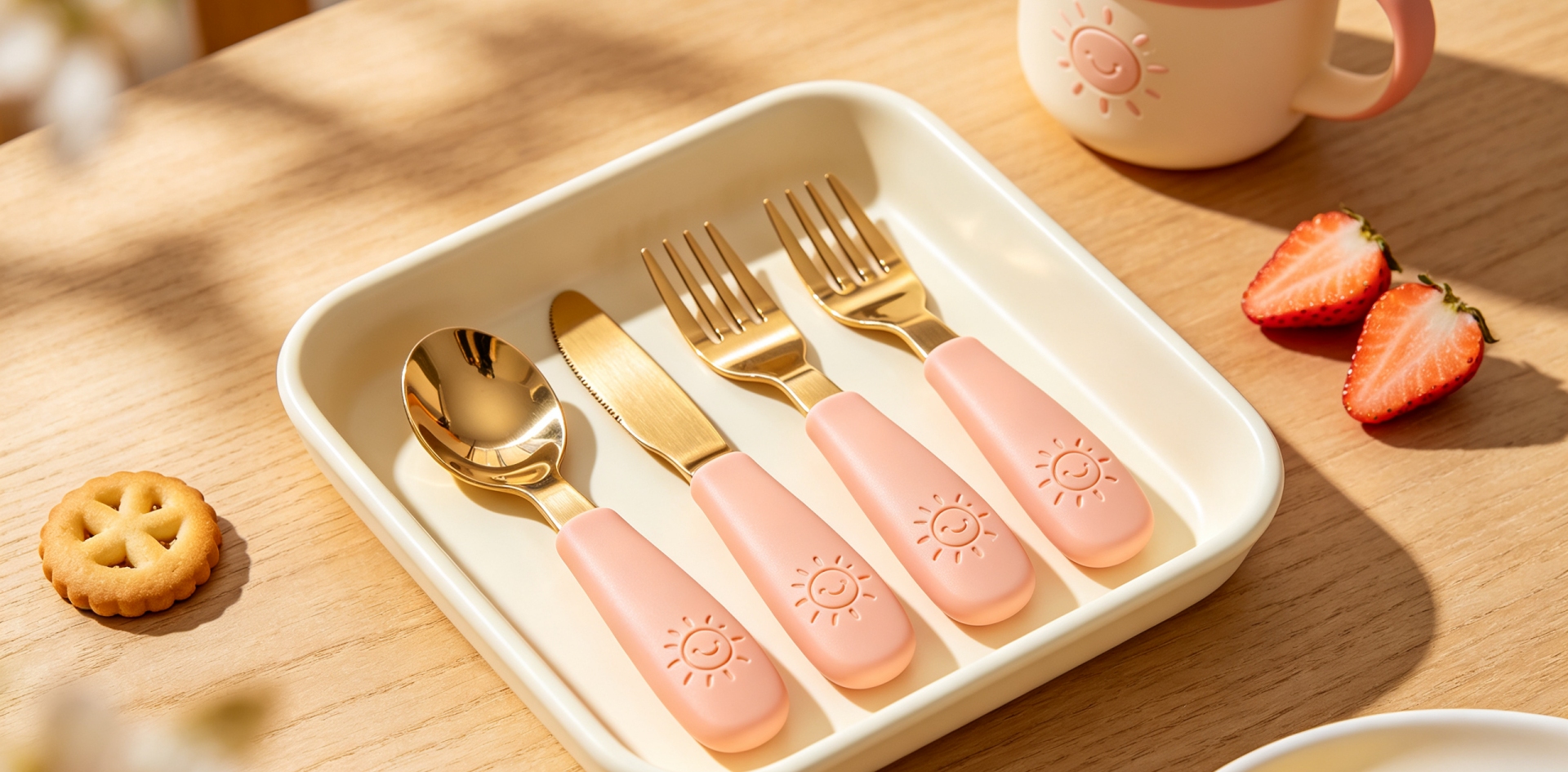
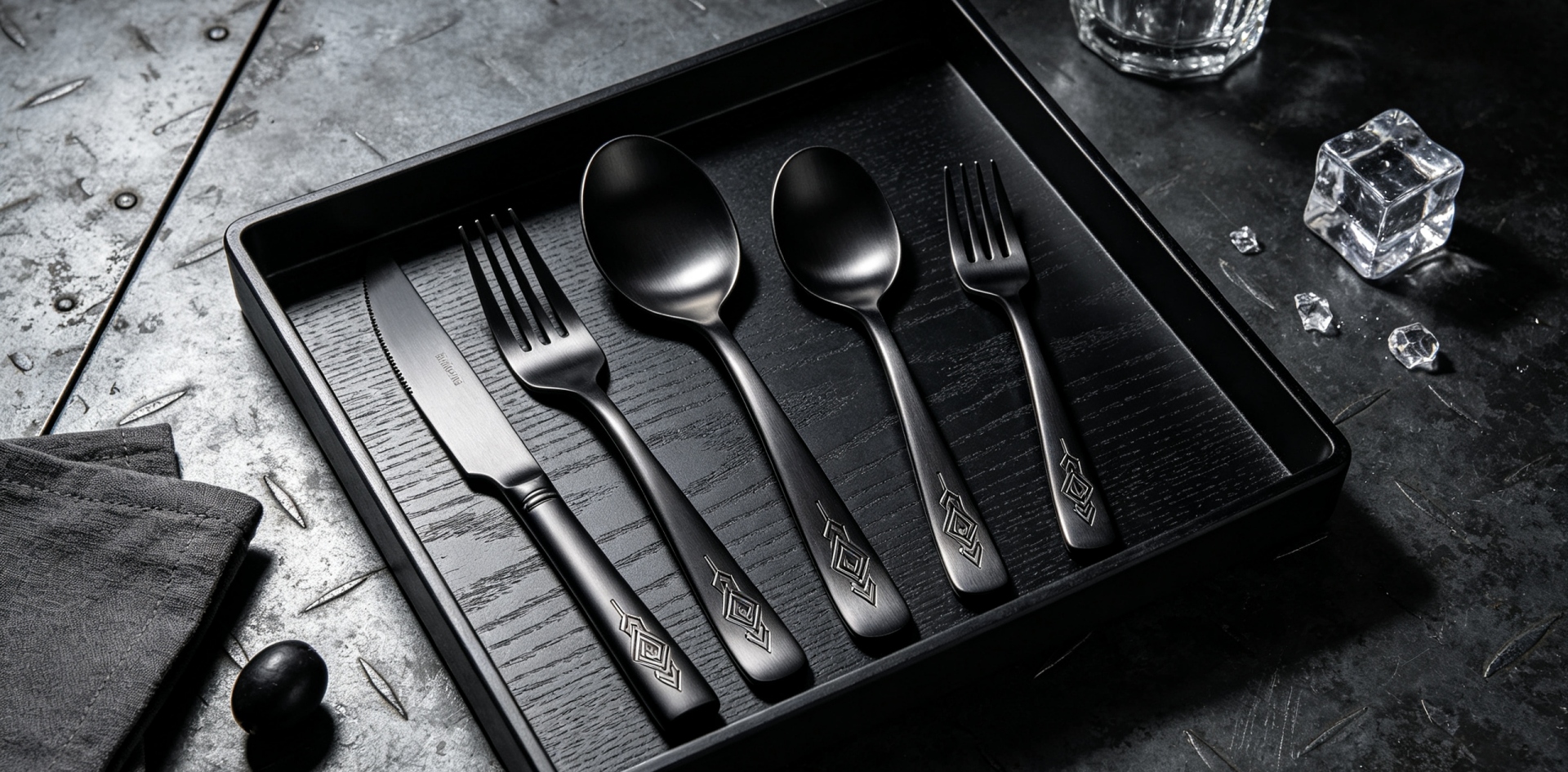
Popular design directions include slim handles, gently tapered profiles, rounded ends and geometric shapes. Some collections use subtle curves to create a softer appearance, while others use straight edges for a more architectural style.
When comparing handle options, B2B buyers should consider both appearance and usability.
A visually distinctive handle should still feel comfortable in the hand and maintain suitable proportions relative to the spoon bowl.
For a coordinated collection, the handle design should also work across different spoon sizes and matching cutlery pieces.
3. Surface Finishes and Visual Character
The surface finish can change the overall impression of a stainless steel spoon without changing its basic shape.
Mirror-polished finishes create a bright, reflective appearance that can suit classic or formal tableware.
Satin finishes offer a softer visual effect and may work well with contemporary product collections.
Brushed finishes can create a more understated appearance, depending on the brushing direction and surface consistency.
For B2B product development, the key is to select a finish that matches the target market and the rest of the collection.
A premium-looking spoon does not necessarily require an elaborate design. Sometimes a simple shape combined with a carefully selected finish creates a stronger result.
4. Rounded and Geometric Design Directions
Spoon silhouettes can communicate different design personalities.
Rounded contours often create a softer, more traditional impression. Geometric profiles, straighter handle edges and more defined transitions can produce a contemporary appearance.
Neither direction is universally better. The choice depends on the brand's positioning and the intended customer.
For example, a classic tableware range may benefit from gentle curves, while a modern lifestyle collection may use cleaner geometry.
During product selection, buyers should examine the spoon alongside matching forks and knives. A coordinated design language makes the complete collection feel intentional rather than assembled from unrelated pieces.
5. Proportion Matters More Than Decoration
Decorative details may attract attention, but overall proportion often has a greater effect on the product's appearance.
The relationship between handle length, bowl size and overall shape determines whether a spoon looks balanced.
A long, slender handle can create an elegant impression. A broader handle may feel more substantial. A compact design can suit casual dining or smaller table settings.
For buyers developing a product range, it is useful to compare several proportions before confirming the final design.
Sample evaluation should consider:
-
Overall length
-
Bowl-to-handle ratio
-
Handle width
-
Visual balance
-
Comfort during use
-
Compatibility with matching cutlery
These details help buyers distinguish meaningful design improvements from purely decorative changes.
6. Coordinated Collections for Retail Brands
A stainless steel spoon is often more commercially useful when it belongs to a complete collection.
Retail brands may need table spoons, dessert spoons and tea spoons that share a consistent appearance. They may also require matching forks and knives for complete cutlery sets.
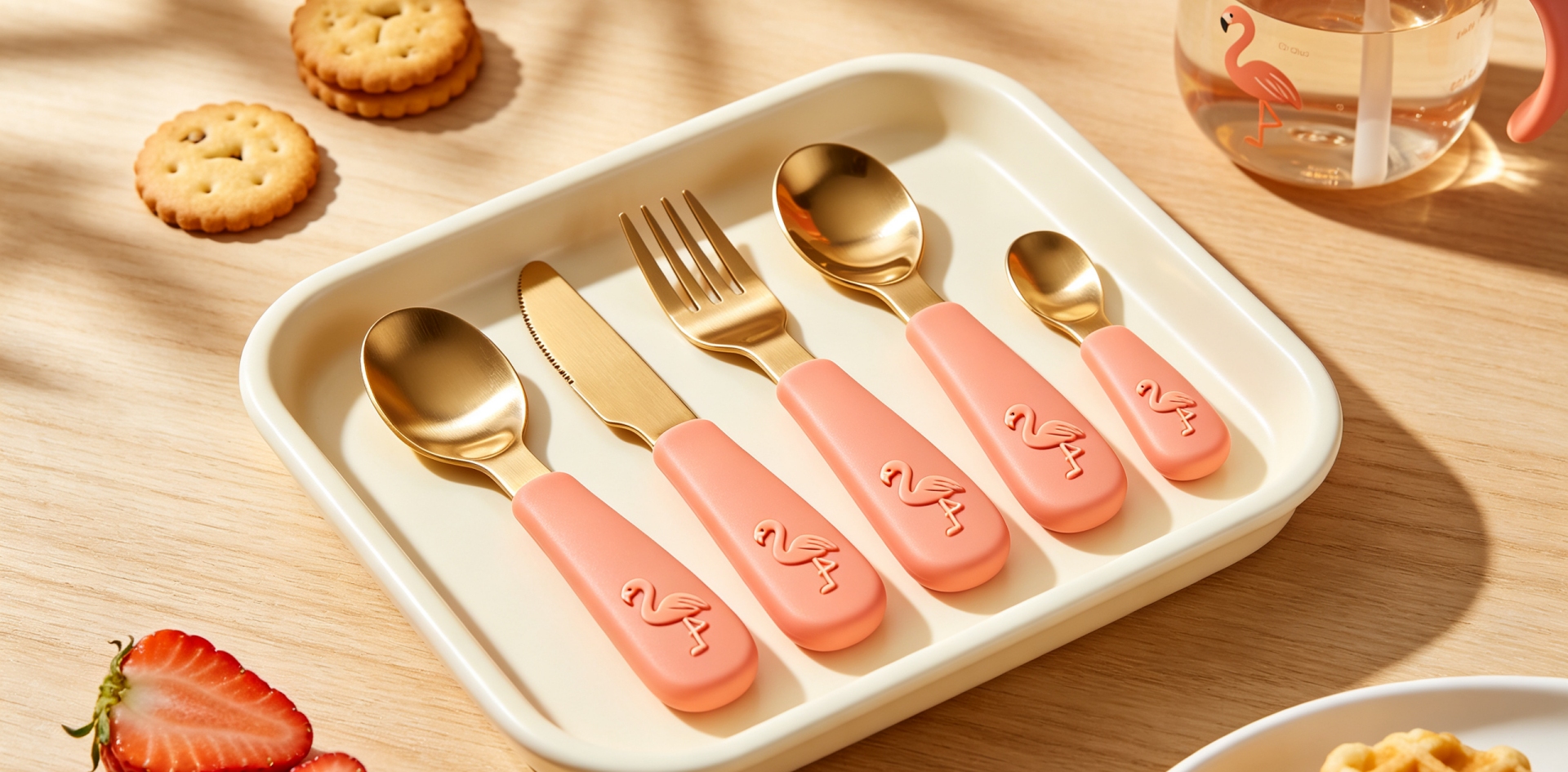
A coordinated collection can use the same handle concept and finish across multiple products while adjusting each item to its intended function.
This creates several advantages for product presentation:
-
A recognizable visual identity
-
Consistent catalog photography
-
More cohesive retail displays
-
Easier expansion into matching products
-
A clearer story for the collection
For private label buyers, these details can help establish a distinct product range without requiring every item to have a completely different design.
7. Choosing Designs for Different Customer Groups
Different customer groups may respond to different design characteristics.
Mass-market retailers often need versatile styles that appeal to a wide audience.
Premium tableware brands may prefer distinctive proportions and refined finishing.
Lifestyle retailers may focus on contemporary shapes that coordinate with modern home settings.
Distributors serving multiple markets may benefit from a balanced portfolio containing classic, minimalist and more decorative options.
Before selecting a design, buyers should consider the retail environment, expected customer preferences and the role of the product within the wider assortment.
Design selection becomes more effective when it is based on a clear market purpose rather than personal preference alone.
8. Practical Considerations During Design Development
An attractive concept still needs to work as a manufactured product.
During development, the spoon's shape, handle proportions and surface finish should be evaluated together. Small changes to the handle or bowl can influence both appearance and usability.
Buyers should also consider whether the chosen design can be reproduced consistently across the required product range.
For example, a handle with a distinctive outline may need careful control of its shape and finish to maintain a consistent appearance across spoons, forks and knives.
Homefelt supports B2B customers in stainless steel cutlery manufacturing, including product development for different market requirements. Buyers can discuss their preferred design direction, product applications and matching collection needs when preparing a new project.
9. Building a Balanced Product Portfolio
Not every product in a catalog needs to follow the same design trend.
A well-organized portfolio can include several distinct directions:
Classic designs for customers who prefer familiar tableware.
Minimalist designs for modern everyday dining.
Contemporary geometric designs for brands seeking a more distinctive appearance.
Decorative designs for collections with a stronger visual theme.
This structure helps distributors serve different customer groups while maintaining a manageable product range.
It also allows a brand to test a new design direction without replacing its entire existing collection.
10. A Practical Design Selection Checklist
Before approving a stainless steel spoon design, B2B buyers can review the following questions:
-
Does the design match the intended customer group?
-
Are the handle and bowl proportions visually balanced?
-
Is the spoon comfortable to hold?
-
Does the surface finish suit the collection?
-
Can the design coordinate with matching forks and knives?
-
Is the style sufficiently distinct from other products in the range?
-
Can the design be reproduced consistently?
-
Does the product fit the intended retail price positioning?
-
Can the collection be expanded with additional spoon types?
-
Does the final sample reflect the intended design accurately?
A structured review helps buyers choose products that are attractive, practical and commercially relevant.
Conclusion
Stainless steel spoon design is shaped by the relationship between form, function, finish and market positioning. Minimalist silhouettes, carefully designed handles, balanced proportions and coordinated finishes can all contribute to a successful tableware collection.
For B2B buyers, the most effective approach is to select a design direction that matches the target market and works across the wider cutlery range.
Homefelt helps international customers develop stainless steel cutlery products around their project requirements. Whether a buyer is expanding an existing catalog or planning a new collection, clear design goals can make product selection and development more focused.
You May Be Interested In
-
Stainless Steel Spoon Handle Styles for Different Tableware Collections
-
Stainless Steel Spoon Surface Finishes for Retail Product Ranges
-
Stainless Steel Spoon Product Development for Private Label Brands
-
Matching Stainless Steel Spoons, Forks and Knives for Retail Collections
-
Stainless Steel Cutlery Design Ideas for International Tableware Brands
Stainless Steel Spoon Replacement Planning for Long-Term B2B Supply
How Better Supplier Communication Improves Stainless Steel Cutlery Orders
Related Article