Stainless Steel Spoon Sample Approval: A Guide for B2B Buyers
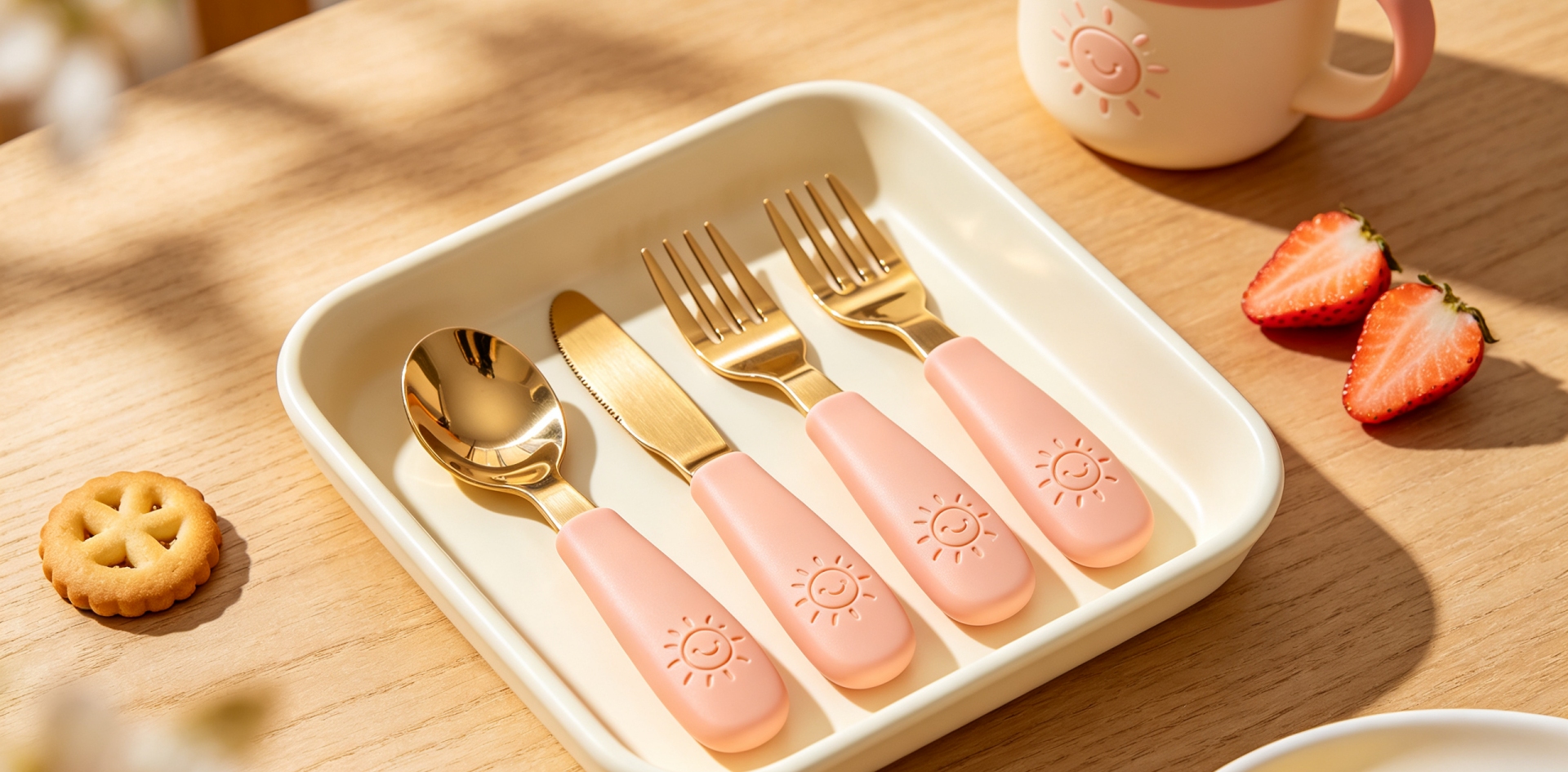
Stainless Steel Spoon Sample Approval: A Guide for B2B Buyers
Before launching a new stainless steel spoon or placing a large production order, B2B buyers need to confirm that the proposed product matches their expectations. A sample provides an opportunity to evaluate the actual spoon, compare it with the product specification and identify changes before production moves forward.
For importers, retailers, distributors and private label brands, an organized sample approval process can prevent misunderstandings and make communication with the manufacturer more efficient.
The purpose is not simply to decide whether a spoon looks attractive. It is to confirm that the product is suitable for its intended market and can be manufactured according to clearly defined requirements.
Why Sample Approval Matters
Product descriptions and digital images are useful during initial discussions, but they cannot fully communicate the feel, proportions and surface appearance of a physical spoon.
A sample allows buyers to examine details that may be difficult to judge on a screen.
These include:
-
Overall shape and proportions
-
Handle comfort
-
Bowl dimensions
-
Unit weight
-
Surface finish
-
Edge quality
-
Logo placement, where applicable
-
Coordination with matching knives and forks
For a new product, sample evaluation helps confirm the design direction. For an existing product, it can help verify that the proposed item matches the buyer's expectations before an order is confirmed.
Step 1: Prepare a Clear Product Brief
The sample process starts with the buyer's requirements.
Before requesting a sample, provide as much relevant information as possible. This helps the manufacturer understand what needs to be developed and reduces unnecessary revisions.
A useful product brief may include:
Product name: Stainless Steel Spoon
Intended application: Everyday dining, retail tableware or another defined use
Target market: The country or customer group for which the product is intended
Material: Agreed stainless steel specification
Dimensions: Preferred length, bowl size and other required measurements
Finish: Mirror, satin, brushed or another specified finish
Design: Reference images, drawings or an existing product sample
Branding: Logo artwork and placement, if required
Packaging: Individual, bulk or retail packaging requirements
Estimated quantity: Expected order volume
Not every project requires a completely new design. Buyers can also use an existing manufacturer design as a starting point and request specific adjustments.
Step 2: Check the Spoon's Dimensions
Dimensions should be reviewed against the approved product specification.
For a stainless steel spoon, the main measurements may include overall length, bowl length, bowl width and handle width. Depending on the project, buyers may also specify thickness or unit weight.
A simple specification table can make these details easier to compare.
| Parameter | What to Confirm |
|---|---|
| Overall length | Total length of the spoon |
| Bowl length | Length of the spoon bowl |
| Bowl width | Width at the widest point |
| Handle width | Width of the handle at the specified location |
| Thickness | Measurement at the agreed reference point |
| Unit weight | Weight of one finished spoon |
| Finish | Approved surface appearance |
The actual values should be defined by the buyer and manufacturer for the particular design. Generic measurements should not replace the requirements of a specific project.
When checking a sample, use the same measurement method and reference points that will be used in the final specification.
Step 3: Evaluate Shape and Comfort
A spoon may meet its stated dimensions but still feel different from what the buyer expected.
The handle profile, bowl shape and transition between these areas all influence the user experience.
During evaluation, consider whether:
-
The handle feels comfortable to hold
-
The spoon feels balanced during use
-
The bowl shape suits the intended application
-
The handle proportions match the design reference
-
The spoon coordinates with other cutlery pieces
If the sample feels too heavy, too light or uncomfortable, record the specific concern rather than giving only general feedback.
For example, instead of saying that a handle feels wrong, identify whether its width, thickness, curve or overall length needs adjustment.
Clear feedback makes product revisions easier to understand.
Step 4: Review Surface Finish and Appearance
Surface finish can influence the overall impression of a stainless steel spoon.
Mirror-polished surfaces create a bright, reflective look, while satin and brushed finishes offer different visual effects.
During sample review, buyers should compare the actual surface with the intended design.
Look for consistent polishing, visible scratches, uneven areas and differences between the handle and bowl.
For a collection containing several spoon sizes, check whether the finish appears consistent across the products.
If the spoon will carry a logo, evaluate the logo and finish together. A mark that looks clear in artwork may appear different when applied to a reflective metal surface.
Step 5: Compare the Sample With the Original Reference
For repeat orders or product extensions, comparison with an existing item can be especially useful.
Place the new sample beside the approved reference and compare the major characteristics.
These may include dimensions, weight, handle shape, bowl proportions, finish and logo placement.
Photographs can help document differences, but physical comparison is valuable when subtle changes in shape or surface appearance matter.
If a deviation is acceptable, record the revised requirement. If it is not acceptable, explain which feature needs correction.
This creates a shared reference for the next sample or production stage.
Step 6: Review Branding and Packaging
When the project includes private label branding, sample approval should cover more than the spoon itself.
Check the logo artwork, placement, orientation and overall clarity. Confirm that the branding is consistent with the approved design.
If retail packaging is included, review the packaging sample as part of the product presentation.
Consider whether the spoon fits properly, whether the product arrangement is clear and whether the packaging communicates the correct product information.
For a cutlery set, confirm that the included spoons, forks and knives match the intended combination.
Product and packaging approval should be coordinated so that changes in one do not create problems for the other.
Step 7: Give Specific Feedback
Sample revisions are often more efficient when feedback is organized by item.
A practical review record can use the following format:
| Item | Observation | Required Action |
|---|---|---|
| Handle | Wider than the approved drawing | Confirm revised width |
| Bowl | Shape differs from reference | Adjust bowl profile |
| Finish | Surface appears uneven | Review finishing |
| Logo | Placement is too close to the handle edge | Confirm new position |
| Packaging | Product arrangement is unclear | Revise the layout |
These examples illustrate how feedback can be documented; actual observations should come from the buyer's sample inspection.
Whenever possible, attach annotated photographs or a marked-up drawing to show the exact area that needs attention.
Step 8: Approve the Final Sample
Once the required changes have been completed, review the revised sample against the updated specification.
Approval should identify the exact version being accepted. If several revisions have been made, the final sample should be clearly distinguished from earlier versions.
The buyer and manufacturer should retain the approved reference and record any agreed details that affect production.
For example, the approved record may identify the product code, dimensions, finish, branding, packaging and revision date.
This is particularly important when a project contains multiple spoon designs or matching cutlery items.
Step 9: Connect Approval With Bulk Production
Sample approval should provide a clear reference for the production order.
Before production begins, confirm that the purchase order and product specification match the approved sample.
Any changes made after approval should be communicated and accepted by the relevant parties before they are incorporated.
For larger orders, buyers should also agree on how the finished products will be checked against the approved requirements.
This helps prevent a situation in which the sample is correct but the production order follows a different or incomplete specification.
How Homefelt Supports Sample Development
Homefelt manufactures stainless steel cutlery for international B2B customers and supports projects involving product selection, customized designs and coordinated tableware collections.
For buyers developing a stainless steel spoon, the sample process can begin with an existing design, a technical drawing or a product reference supplied by the customer.
The project requirements can then be discussed before the sample is evaluated and approved. Where needed, product design, branding and packaging can be coordinated as part of a one-stop service approach.
To discuss a sample request, buyers can email ingrid@homefelt.net with the product reference, preferred specifications, estimated quantity and any relevant drawings or photographs.
Sample Approval Checklist
Before approving a stainless steel spoon sample, confirm the following:
-
The correct product design has been reviewed.
-
Dimensions match the agreed specification.
-
Unit weight has been checked where required.
-
The handle and bowl proportions are acceptable.
-
Surface finish meets the agreed appearance.
-
Branding details have been reviewed, if applicable.
-
Packaging has been checked, if included.
-
All requested revisions have been completed.
-
The final sample version is clearly identified.
-
The production order references the approved requirements.
A structured checklist helps purchasing teams make decisions consistently and gives the manufacturer a clearer production reference.
Conclusion
Stainless steel spoon sample approval is an important step between product concept and bulk production. By defining requirements early, measuring the sample carefully, giving specific feedback and retaining an approved reference, B2B buyers can reduce avoidable misunderstandings.
For importers, retailers, distributors and private label brands, a well-managed sample process also provides a practical foundation for repeat orders and future product development.
Homefelt welcomes inquiries about stainless steel spoon samples, customized cutlery and coordinated product collections. Share your requirements and questions by email to discuss the next step for your project.
You May Be Interested In
Stainless Steel Spoon Branding: Logo Placement for Private Label Products
Related Article