Stainless Steel Spoon Finish Color Consistency for Bulk Orders
Stainless Steel Spoon Finish Color Consistency for Bulk Orders
Why Color Consistency Matters in Stainless Steel Cutlery
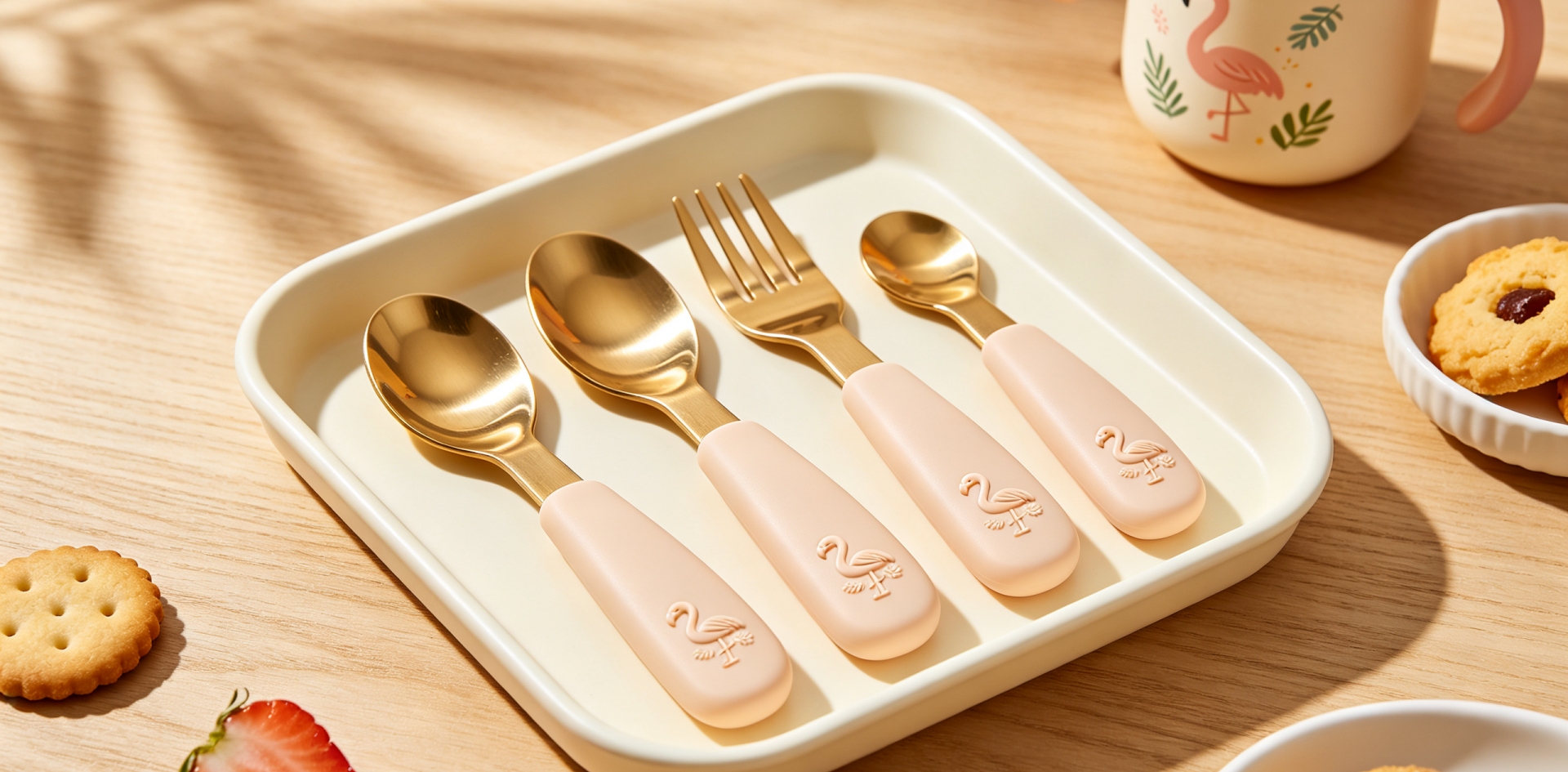
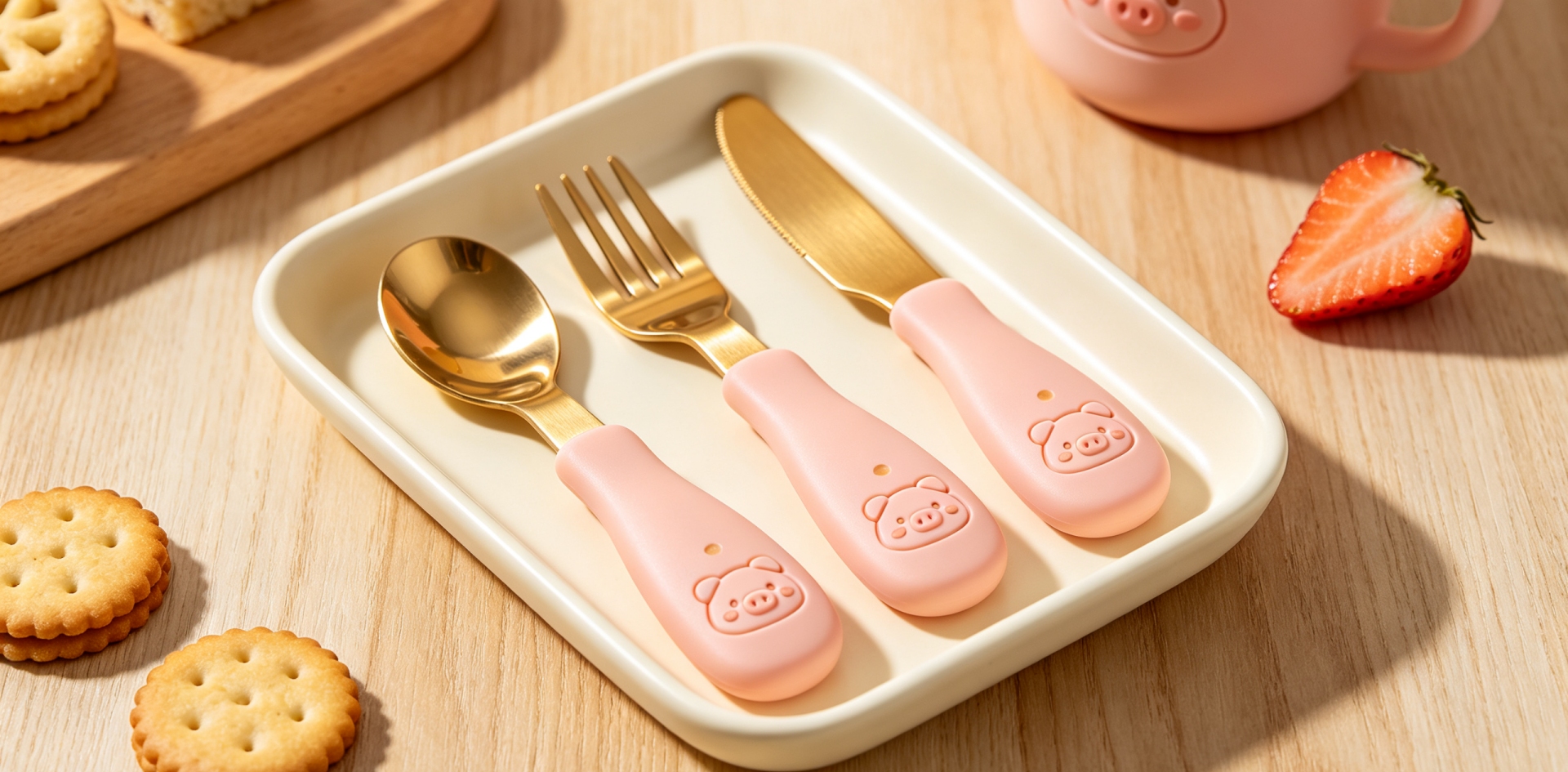
For stainless steel spoons with colored or decorative finishes, consistent appearance is an important part of product quality. Gold, black, and other colored finishes can help a cutlery collection stand out, but visible differences between individual pieces may affect the overall presentation. When spoons are packed together in a retail set or displayed alongside matching forks and knives, even subtle color variations can become noticeable.
For importers, wholesalers, and private-label brands, the challenge is to make sure the finished products remain close to the approved color reference throughout bulk production. A product description that simply says “gold finish” or “black finish” may not be detailed enough to communicate the exact appearance expected.
Homefelt supports B2B stainless steel cutlery projects where finish selection, product design, and production consistency need to be coordinated. Establishing a clear color reference and inspection method before manufacturing helps buyers and suppliers evaluate the same product against consistent expectations.
What Causes Color Differences Between Spoon Finishes?
Color variation can occur for several reasons. The appearance of a finished stainless steel spoon depends not only on the selected finish but also on the surface beneath it, the finishing method, and the conditions under which the product is viewed.
1. Different Surface Finishing Methods
Mirror-polished, brushed, and other surface finishes reflect light differently. As a result, two spoons may appear to have different shades even when the intended color is similar.
A highly reflective gold spoon may look brighter under direct lighting, while a brushed gold spoon may appear softer because its surface scatters light differently. Buyers should therefore compare products with the same specified finish rather than judge color independently of surface texture.
2. Variations in the Finishing Process
Colored finishes may be produced through different coating or surface-treatment technologies. Each system has its own process requirements, and the final appearance can be influenced by process control and the condition of the base surface.
The finish specification should identify the intended system where necessary, not just the visible color. If the production method changes, the resulting appearance and applicable performance requirements should be reviewed before the revised finish is approved.
3. Product Geometry
Spoon handles often include curves, raised patterns, recessed details, or changes in width. These features affect how light reaches and reflects from the surface.
A curved handle may look darker from one viewing angle and brighter from another. This does not necessarily indicate a production defect. Consistent inspection conditions are essential for distinguishing natural reflection differences from actual color variation.
4. Differences Between Production Batches
When a customer orders the same spoon repeatedly, the new shipment should remain consistent with the approved product reference. If finish settings, materials, or process conditions change, the visual result may also change.
For repeat orders, keeping the approved sample, finish specification, and relevant production records helps the buyer and manufacturer compare new products with the original requirements.
How to Establish a Reliable Color Reference
A reliable color reference is more useful than a general color name alone. Words such as gold, champagne, black, or silver can describe a broad range of appearances, so the parties should define the intended result as clearly as possible.
Use an Approved Physical Sample
A physical sample allows buyers to assess the color, surface reflection, and overall appearance together. It is particularly useful for reflective stainless steel products, where a digital image may not accurately reproduce the finished color.
The sample should represent the intended production finish. If the customer approves a prototype and the finish is later changed, the revised sample should be reviewed and approved separately.
Record the Finish Details
The product specification should identify the finish type and any relevant coating or treatment requirements. Where a project uses a defined color reference or an instrumental measurement method, the applicable reference and measurement conditions should be documented.
A color code alone may not fully describe a metallic or highly reflective surface. The physical sample and finish specification should work together to establish the intended appearance.
Define How Samples Will Be Compared
Color comparisons should take place under consistent lighting and viewing conditions. Differences in light source, angle, surrounding colors, and surface orientation can affect the perceived appearance of a stainless steel spoon.
The inspection method should therefore specify the conditions used to compare samples. This makes it easier to determine whether a difference is significant or mainly caused by the viewing environment.
How to Inspect Color Consistency in Bulk Production
A practical inspection procedure combines visual comparison with documented criteria. For projects that require numerical color evaluation, suitable measuring equipment and an agreed method may also be necessary.
Step 1: Confirm the Product and Finish
Identify the spoon model, surface finish, and approved reference sample. If a cutlery collection includes several shapes or sizes, confirm whether the same finish requirements apply to every item.
Different geometries can reflect light differently, so the inspection plan should account for the actual product design.
Step 2: Standardize Inspection Conditions
Use the agreed lighting environment, product orientation, and viewing method. Avoid comparing one sample under direct lighting with another in a different environment.
For reflective finishes, inspect more than one angle where appropriate. This helps identify persistent color differences without confusing them with normal changes in reflection.
Step 3: Compare Representative Samples
Select samples according to the agreed inspection plan and compare them with the approved reference. Look for noticeable differences in shade, brightness, surface appearance, or consistency between individual pieces.
The comparison should include products from different parts of the production batch when the inspection plan requires it. This can help identify whether a variation is isolated or affects a broader portion of the order.
Step 4: Use Instrumental Measurement When Required
For projects with defined numerical color limits, the parties may agree to use an appropriate color measurement method. The equipment, measurement location, surface condition, and evaluation criteria should be established in advance.
Highly reflective or curved surfaces can complicate color measurement. The method should therefore be suitable for the actual finish and product geometry. Instrumental readings should be interpreted according to the agreed procedure rather than treated as universally comparable numbers.
Step 5: Record and Review Deviations
Document the sample identification, inspection conditions, observed differences, and acceptance decision. If a result falls outside the agreed criteria, review the evidence and determine whether further inspection or corrective action is required.
For repeat orders, retaining records helps compare the current production with the approved reference and provides a clearer basis for discussing any change in appearance.
Setting Practical Acceptance Criteria
Color acceptance criteria should be specific enough to support consistent decisions without requiring every product to appear identical under every possible lighting condition.
For a customized stainless steel spoon order, buyers and manufacturers can agree on:
-
The approved physical color sample.
-
The specified finish type and relevant treatment details.
-
Inspection lighting and viewing conditions.
-
The permitted degree of visible color variation.
-
Whether instrumental measurement is required.
-
Sampling quantity and inspection records.
-
Procedures for handling nonconforming samples.
-
Requirements for matching spoons with corresponding forks and knives.
The actual limits should be agreed for the product and finish. A decorative premium collection may have tighter visual requirements than a utility-focused product, but those expectations should be documented before mass production begins.
It is also important to distinguish color consistency from coating adhesion, abrasion resistance, and corrosion resistance. A product that matches the approved color does not automatically meet every performance requirement associated with its finish. Each requirement should be evaluated using an appropriate method when applicable.
Matching Spoon Colors Across a Coordinated Cutlery Set
Many B2B customers purchase spoons as part of a coordinated collection that includes forks and knives. In these projects, color consistency must be considered across different product shapes, not only between identical spoons.
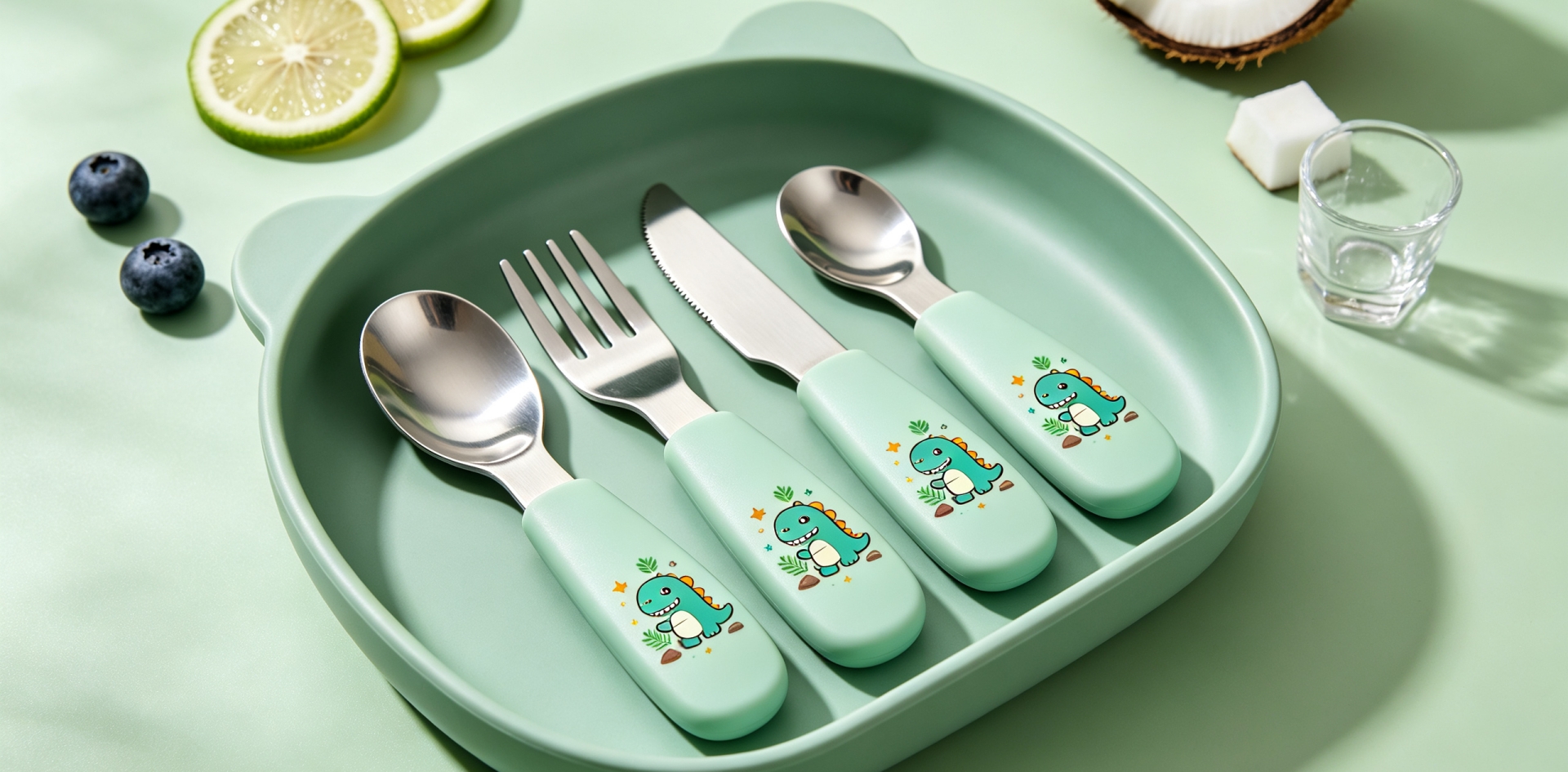
The same finish may appear different on a broad spoon handle, a narrow fork handle, and the blade or handle of a knife because their geometries and reflective surfaces differ. Buyers should review the complete collection together before approving the final appearance.
A coordinated approval process can include a representative sample of each item, a shared finish specification, and an agreed method for comparing the products. Where the collection uses multiple sizes or styles, each relevant version should be included in the review.
This approach is particularly useful for retailers and private-label brands that need the entire cutlery set to look coherent when presented in one package.
Maintaining Consistency Across Repeat Orders
For distributors and importers, a successful first order is not enough if subsequent shipments have a noticeably different appearance. Repeat-order planning should preserve the approved finish reference and record any changes to the product or finishing requirements.
Before a repeat order begins, confirm whether the original sample, finish type, and acceptance criteria remain valid. If the customer requests a new shade or surface treatment, treat it as a controlled product change and approve the revised reference before production.
Clear documentation reduces the risk of different teams interpreting a color name in different ways. It also makes it easier to investigate complaints and compare new samples with earlier shipments.
How Homefelt Supports Customized Stainless Steel Spoon Orders
Homefelt works with B2B customers on stainless steel spoons and coordinated cutlery ranges, including OEM, ODM, and customized projects. Product discussions can cover handle design, material specifications, surface finishes, packaging, and order quantities.
For colored or decorative finishes, buyers can share a physical sample, reference image, preferred finish, and any specific acceptance requirements. The final color reference and inspection arrangements should be confirmed for the particular project before bulk production begins.
Homefelt also provides one-stop coordination for product design, customized packaging, and transportation planning according to customer requirements. Any requested certifications or test reports should be confirmed for the relevant product and finishing system rather than assumed to apply to every finish.
Before approving a large order, buyers should confirm the finish reference, inspection method, acceptance criteria, and requirements for matching coordinated cutlery items. These details help establish a common basis for quality evaluation and future replenishment.
Conclusion
Color consistency is an important consideration when sourcing stainless steel spoons with decorative finishes. A clear physical reference, consistent inspection conditions, suitable measurement methods, and documented acceptance criteria help buyers evaluate finished products more reliably.
For bulk and repeat orders, maintaining the approved finish specification is just as important as selecting the initial color. It gives buyers and manufacturers a shared reference and helps preserve the visual identity of a coordinated cutlery collection.
To discuss a customized stainless steel spoon, request a quotation, or review finish requirements for a wholesale order, contact Homefelt at ingrid@homefelt.net. Share your reference sample, preferred finish, product details, and estimated quantity to begin the discussion.
You May Be Interested In
Stainless Steel Spoon Logo Legibility Inspection for Bulk Orders
Stainless Steel Spoon Handle Coating Adhesion Testing for Bulk Orders
Related Article