
Stainless Steel Spoon Finishes: Polished, Satin, Brushed and More
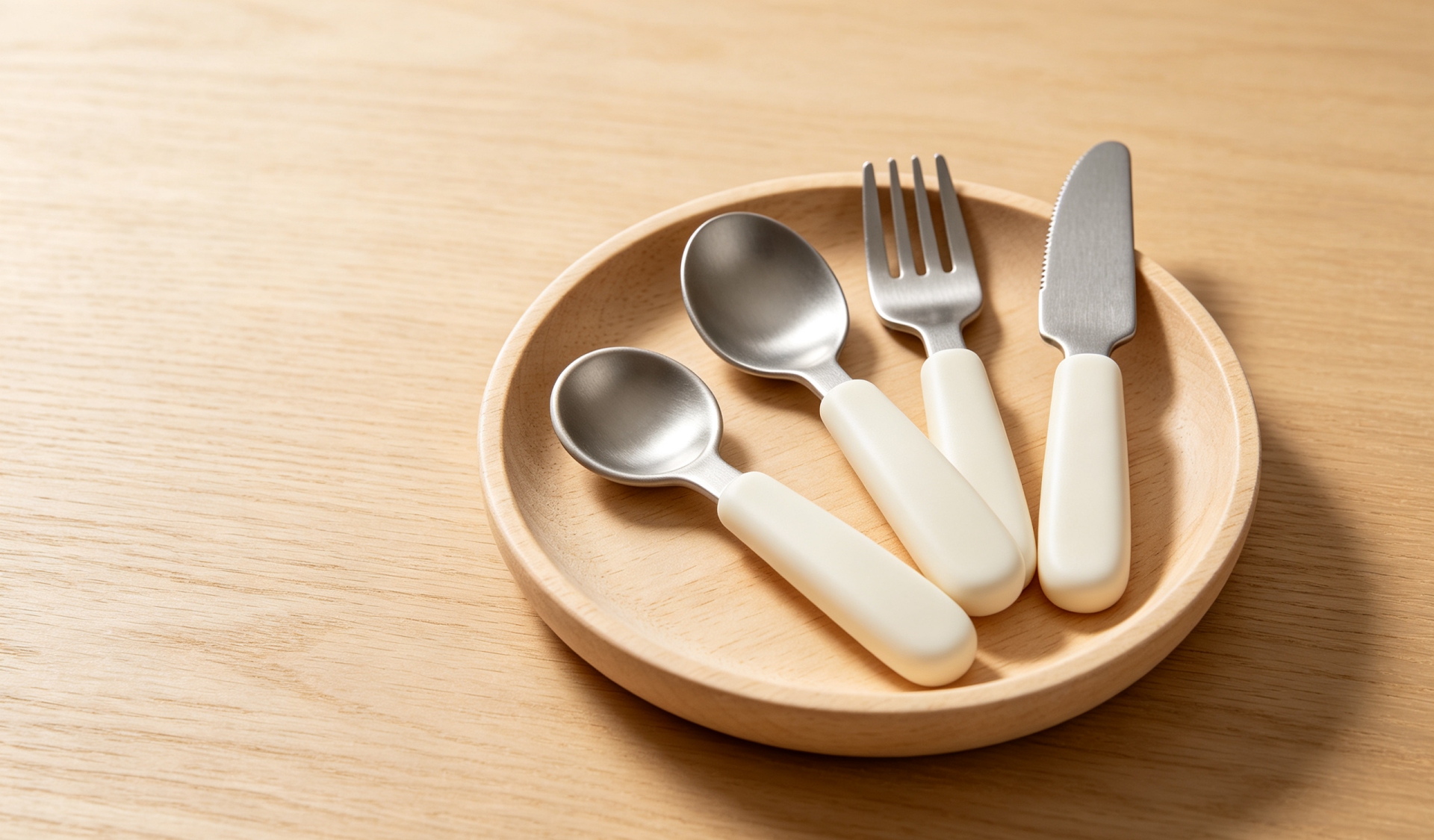
Stainless Steel Spoon Finishes: A Complete Surface Finish Guide for B2B Buyers
The surface finish of a stainless steel spoon can significantly influence its appearance, product positioning and overall visual character. Two spoons with the same material, dimensions and design can look completely different when produced with different surface finishes.
For B2B buyers, choosing the right stainless steel spoon finish is therefore an important part of product development. Restaurants, hotels, distributors, retailers and private label brands may select polished, satin, brushed or other finishes according to their target market and design concept.
Surface finish should also be considered together with product shape, material, thickness, weight and packaging. A finish that works well for a premium dining collection may not be the most appropriate choice for every commercial application.
What Is a Stainless Steel Spoon Finish?
A stainless steel spoon finish describes the final surface appearance and texture created during manufacturing.
The finish can influence:
-
Reflectivity
-
Surface texture
-
Visual brightness
-
Scratch visibility
-
Product style
-
Brand positioning
-
Overall flatware appearance
The same spoon design can have different visual effects depending on the selected finishing process.
Why Finish Matters for B2B Buyers
Surface finish is highly visible to customers and can affect how a product is perceived.
A bright polished spoon can create a formal and premium appearance.
A satin spoon can create a softer and more understated look.
A brushed spoon can provide a contemporary visual effect.
For B2B buyers, the finish should match the intended application and product positioning.
Polished Stainless Steel Spoon
A polished stainless steel spoon has a bright and reflective surface.
This finish is widely associated with traditional and premium tableware.
A polished spoon can work well for:
-
Fine dining restaurants
-
Hotels
-
Banquet services
-
Premium retail
-
Formal table settings
-
Hospitality collections
Because reflective surfaces can make scratches and imperfections more noticeable, polishing consistency is important during quality inspection.
Mirror Finish Stainless Steel Spoon
A mirror finish creates a highly reflective appearance.
The surface can visually emphasize the contours of the spoon and make the product appear bright and refined.
Mirror-style finishes can be suitable for premium tableware collections where visual presentation is important.
For B2B projects, buyers should use an approved physical sample to establish the expected level of reflectivity.
Satin Stainless Steel Spoon
A satin finish provides a softer appearance than a highly polished surface.
It can reduce the visual intensity of reflections while maintaining a clean stainless steel appearance.
Satin finishes can be suitable for:
-
Modern restaurants
-
Contemporary hotels
-
Casual dining
-
Retail collections
-
Minimalist tableware
The exact appearance depends on the finishing process and should be confirmed through samples.
Brushed Stainless Steel Spoon
A brushed stainless steel spoon has a directional surface texture created through controlled finishing.
The visible lines can give the spoon a modern or industrial appearance.
Brushed finishes are often considered for contemporary flatware designs.
Consistency is important because uneven brushing can become noticeable across a complete set.
Matte Stainless Steel Spoon
A matte appearance has relatively low reflectivity compared with highly polished surfaces.
It can create a modern and understated visual style.
For custom collections, buyers should clarify whether they require a true matte appearance or another low-reflective finishing process.
Stainless Steel Spoon Surface Texture
Surface texture is different from the overall shape of the spoon.
A spoon can have a polished surface with a smooth appearance or a brushed surface with visible directional texture.
When requesting a quotation, buyers should describe the desired finish clearly and provide a reference whenever possible.
Finish and Product Design
Surface finish can change how the same spoon design is visually perceived.
A detailed handle may appear more decorative with a bright polished finish.
A minimalist handle may work particularly well with satin or brushed surfaces.
The finish should therefore be selected as part of the complete product design rather than as an isolated manufacturing option.
Finish and Handle Design
The handle often provides the largest visible surface area of a spoon.
A highly reflective finish can emphasize curves, edges and decorative elements.
A brushed finish can emphasize the direction and geometry of a modern handle.
For custom stainless steel spoons, the handle design and surface finish should be developed together.
Finish and Spoon Bowl
The bowl can also look different depending on the finish.
A polished bowl can reflect light strongly.
A satin or brushed bowl provides a softer appearance.
The selected finish should remain consistent with the handle and the rest of the flatware collection.
Finish for Restaurant Spoons
Restaurants should choose a finish that matches their dining environment.
A formal restaurant may prefer a polished spoon.
A modern casual restaurant may choose satin or brushed stainless steel.
The decision should also consider cleaning, handling, replacement and the visual requirements of the restaurant.
Finish for Hotel Spoons
Hotels often use flatware across different dining areas.
A consistent finish can help create a coordinated table setting.
For large hospitality programs, the supplier should be able to reproduce the approved finish for future replacement orders.
Finish for Retail Spoons
Retail brands can use surface finish as part of their product differentiation.
A premium polished spoon may support a traditional luxury collection.
A brushed or satin spoon can support a contemporary product line.
The finish should also coordinate with retail packaging and product photography.
Finish for Private Label Spoons
Private label buyers can specify the desired finish as part of the product development process.
The specification can include:
-
Finish type
-
Surface appearance
-
Reflectivity
-
Texture
-
Reference sample
-
Acceptable variation
This helps the manufacturer understand the intended result.
Custom Stainless Steel Spoon Finish
Custom finishing can be developed for projects that require a specific visual effect.
The buyer may provide:
-
Physical sample
-
Reference product
-
Finish description
-
Product images
-
Surface requirements
A physical sample is usually more useful than a general term alone because terms such as satin, brushed and matte can be interpreted differently.
Stainless Steel Spoon Coating
Some stainless steel spoon designs may incorporate additional surface treatments or decorative coatings.
When a coating is requested, B2B buyers should specify the desired appearance and application requirements clearly.
The coating should be evaluated as part of the complete product specification rather than treated as a replacement for the underlying stainless steel material requirement.
Gold Stainless Steel Spoon
Gold-colored stainless steel spoons can be produced for decorative and premium tableware collections.
The visual result depends on the selected surface treatment and color specification.
For commercial projects, buyers should evaluate color consistency and surface durability requirements before mass production.
Gold-colored products can be particularly relevant to:
-
Hospitality
-
Event dining
-
Premium restaurants
-
Retail collections
-
Gift tableware
Black Stainless Steel Spoon
Black-colored stainless steel spoons can create a modern and distinctive table setting.
They are often considered for contemporary restaurant concepts and design-focused retail collections.
Because darker surfaces can make scratches or uneven coating more visible, quality inspection should include detailed visual evaluation.
Finish Consistency
Consistency is one of the most important considerations when ordering stainless steel spoons in bulk.
A buyer generally expects all products in the same collection to have a coordinated appearance.
Inspection can compare:
-
Surface brightness
-
Texture
-
Directional brushing
-
Color
-
Visible marks
-
Overall appearance
The approved sample should be retained as a reference.
Finish and Scratches
Different finishes can make scratches more or less noticeable.
Highly reflective surfaces can reveal fine scratches easily.
Directional brushed surfaces may visually integrate certain marks, but inconsistent brushing can become noticeable.
Handling and packaging should therefore be considered together with the selected finish.
Finish and Cleaning
The selected surface finish should be suitable for the intended commercial environment.
Restaurant and hotel buyers should consider how the product will be handled, cleaned and stored.
The supplier should be informed of the intended application so that the product specification can be evaluated appropriately.
How to Compare Stainless Steel Spoon Finishes
When comparing suppliers, buyers should request samples rather than relying only on photographs.
Compare:
-
Reflectivity
-
Surface texture
-
Color
-
Handle appearance
-
Bowl appearance
-
Consistency
-
Overall visual effect
Lighting and photography can significantly change how a finish appears on a screen.
Quality Control for Stainless Steel Spoon Finishes
Surface inspection should be part of the quality control process.
Potential inspection points include:
-
Scratches
-
Uneven polishing
-
Uneven brushing
-
Surface stains
-
Inconsistent brightness
-
Uneven color
-
Visible manufacturing marks
-
Finish differences within the same batch
The acceptance criteria should be agreed before mass production.
Finish and Product Cost
Different surface finishing requirements can influence manufacturing cost.
The final quotation may depend on:
-
Product design
-
Material
-
Surface finish
-
Order quantity
-
Packaging
-
Customization requirements
A more complex finish may require additional processing.
Buyers should compare quotations using the same finish specification.
Finish and Product Positioning
Surface finish can support different market positions.
A polished finish can support a formal or premium appearance.
A satin finish can support a modern everyday collection.
A brushed finish can support a contemporary design concept.
The finish should be selected according to the intended customer rather than simply choosing the most expensive option.
Working With an Experienced Stainless Steel Spoon Manufacturer
Homefelt has more than 30 years of stainless steel manufacturing experience and produces stainless steel cutlery together with kitchen and dining products, BBQ tools, pet bowls and children's tableware.
For international B2B customers, Homefelt supports standard and customized stainless steel products.
Importers, distributors, restaurant suppliers, hospitality businesses, retailers and private label brands can discuss stainless steel spoon material, dimensions, thickness, weight, handle design, surface finish, branding, packaging and estimated quantities according to their project requirements.
For repeat orders, approved samples and documented specifications can help maintain finish consistency.
What B2B Buyers Should Specify
When requesting a stainless steel spoon quotation, buyers can provide:
-
Product design
-
Material
-
Overall dimensions
-
Thickness
-
Target weight
-
Finish type
-
Surface reference
-
Quantity
-
Packaging
-
Branding requirements
A physical finish sample can be especially useful for custom projects.
How to Approve a Stainless Steel Spoon Finish
A practical approval process can include:
-
Select the desired finish
-
Provide a reference sample or image
-
Confirm the product dimensions
-
Produce a sample
-
Evaluate surface appearance
-
Confirm the final finish
-
Document the specification
-
Begin mass production
-
Inspect production consistency
This process can reduce misunderstandings between buyer and manufacturer.
Choosing the Right Stainless Steel Spoon Finish
There is no universally best finish.
The right choice depends on:
-
Target market
-
Restaurant or hotel concept
-
Product design
-
Retail positioning
-
Customer expectations
-
Packaging
-
Budget
-
Required visual effect
The finish should support the overall product concept.
Conclusion
Stainless steel spoon finishes can dramatically change the appearance and positioning of the same product. Polished, mirror, satin, brushed and matte surfaces each create different visual effects.
For B2B buyers, finish should be specified clearly and evaluated through physical samples whenever appearance is important. Material, dimensions, thickness, weight and surface treatment should all be documented as part of the complete product specification.
Homefelt has more than 30 years of stainless steel manufacturing experience and works with international B2B customers on standard and customized stainless steel products.
By selecting the right stainless steel spoon finish and establishing clear quality requirements, importers, distributors, restaurants, hotels, retailers and private label brands can develop consistent tableware products for long-term commercial supply.
You May Be Interested In
Stainless Steel Spoon Sizes, Dimensions and Specifications: A B2B Buying Guide
Stainless Steel Spoon Manufacturing Process: From Material to Finished Product
Custom Stainless Steel Spoon Manufacturing for Private Label Brands
Wholesale Stainless Steel Spoon Supplier: A B2B Buying Guide
Stainless Steel Cutlery Quality Control and Inspection Guide for B2B Buyers
Stainless Steel Flatware Weight Guide: A Practical Specification Guide for B2B Buyers


Stainless Steel Spoon Manufacturing Process: How Spoons Are Made
Stainless Steel Spoon Sizes, Dimensions and Specifications Guide
Related Article



