Stainless Steel Spoon Handle Design: Grip, Balance and Practical Use
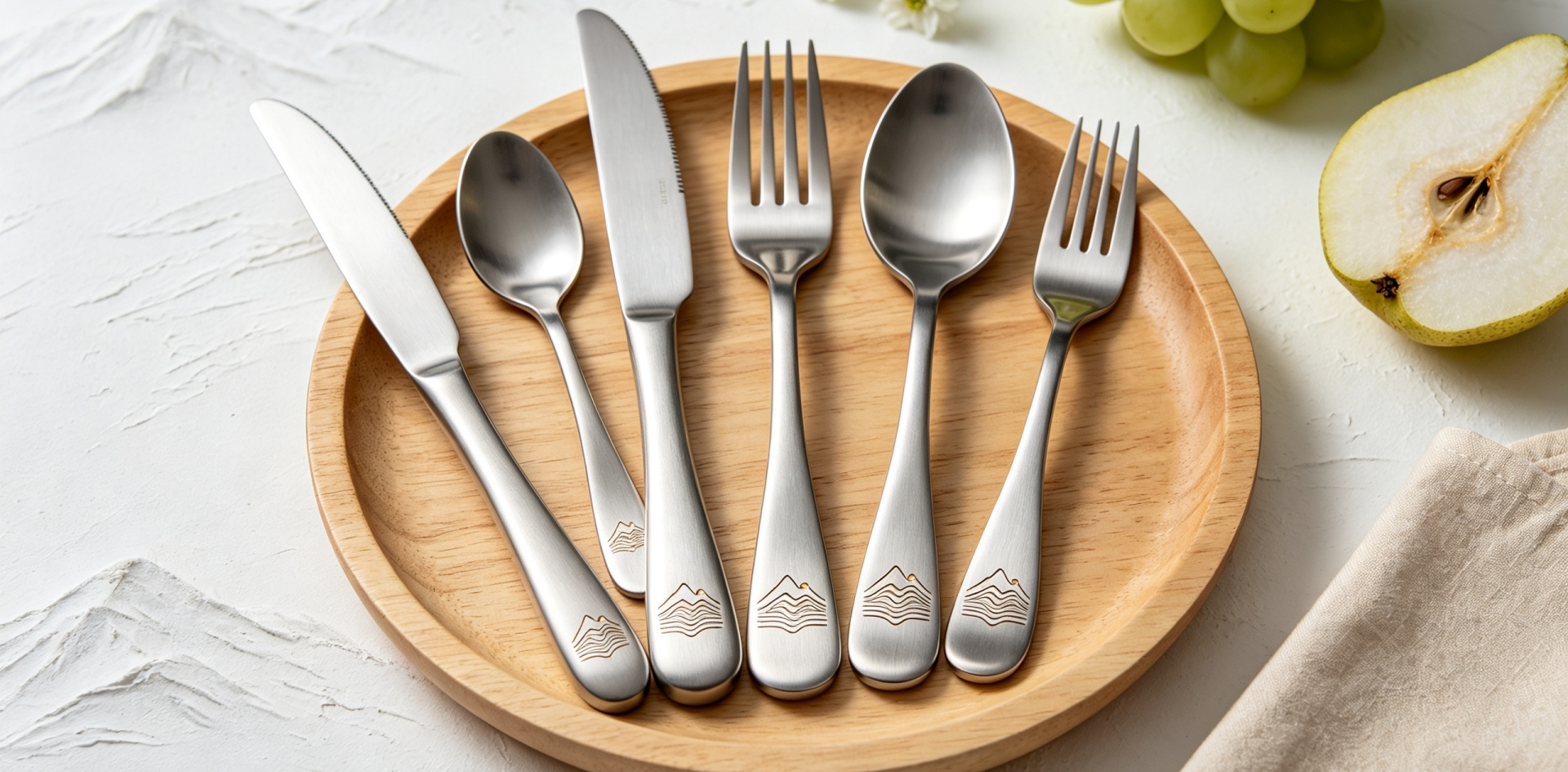
Stainless Steel Spoon Handle Design: Grip, Balance and Practical Use
A stainless steel spoon handle does more than complete the appearance of a piece of cutlery. Its shape, width, thickness, edge profile and relationship to the bowl influence how the spoon feels in the hand and how it performs during everyday use. For importers, distributors and private label brands, these details are worth evaluating before selecting a model for a commercial product range.
Homefelt factory specializes in stainless steel cutlery, including spoons, forks, knives and coordinated flatware sets. When buyers compare spoon designs, considering handle usability alongside appearance can help them select products that better match their customers' expectations.
Why Handle Design Deserves Attention
Two spoons may have similar bowl shapes and use the same stainless steel grade, yet feel noticeably different when held. A narrow handle, a broad decorative profile and a gently tapered design distribute contact with the hand differently.
Handle design also influences the visual character of a spoon. A simple, slender profile may suit a minimalist collection, while a wider handle with decorative detailing may support a more traditional appearance. The best choice depends on the intended application, customer preference and overall product concept.
For B2B buyers, the challenge is to balance three considerations: comfortable handling, consistent appearance across the collection and a production specification that can be communicated clearly to the manufacturer.
1. Handle Width and Cross-Section
Handle width affects how much of the spoon's surface contacts the fingers. A narrow profile may create a lightweight visual impression, while a wider profile can feel more substantial. Neither is automatically preferable for every user or application.
Cross-section also matters. Handles may be relatively flat, gently curved or shaped with a more pronounced central profile. These variations influence how the spoon sits in the hand and how its appearance changes when viewed from different angles.
When comparing designs, buyers should evaluate the actual sample rather than relying only on a product photograph. Images can show the outline, but they cannot fully communicate the feel of the handle.
For a custom project, useful reference information includes handle width at selected points, overall thickness, edge contour and any decorative features that must be retained.
2. Handle Length and Proportion
The handle should be considered in relation to the bowl and the total spoon length. A design with a large bowl and short handle may look or feel different from one with a smaller bowl and longer handle.
Proportion is especially important when developing a coordinated cutlery collection. The handle design should complement the fork and knife while allowing each utensil to serve its intended purpose.
Buyers should confirm total length and relevant handle measurements on the product specification sheet. If the spoon is intended for a particular use, evaluate whether the proportions support that use rather than choosing a model based solely on its appearance in a catalog.
For new designs, a drawing with clear measurement points helps prevent misunderstandings between the buyer and factory.
3. Edge Profile and Surface Feel
The edges of a spoon handle affect both its appearance and how it feels during handling. Depending on the design, edges may appear rounded, softly tapered or more defined.
Visible edges should be inspected for consistency and signs of poor finishing. Decorative contours should not create unexpectedly sharp or uncomfortable contact points during ordinary use.
Surface finish can influence the tactile impression as well. A mirror-polished handle creates a different visual effect from a brushed or satin surface. Buyers should assess the finish together with the shape because the two features work together to define the product's overall character.
If a project requires a specific edge profile or surface appearance, describe it in the specification and confirm it against the approved sample.
4. Weight Distribution and Perceived Balance
A spoon's balance depends on the relationship between the bowl, handle and total material distribution. A handle that is visually broad may not necessarily make the spoon feel better balanced, and a heavier spoon is not automatically more comfortable.
During evaluation, hold the spoon in a normal eating position and assess whether the product feels stable and manageable. Consider the intended user and context, including whether the spoon is designed for everyday dining, dessert service or another defined application.
For a coordinated range, compare the spoons with the matching forks and knives. Similar styling does not require every utensil to have identical weight, but the collection should feel coherent for its intended market.
If buyers have specific weight expectations, request the unit weight and confirm the applicable tolerance with the supplier. Weight should be treated as a measurable specification, not judged by appearance alone.
5. Decorative Handles and Brand Identity
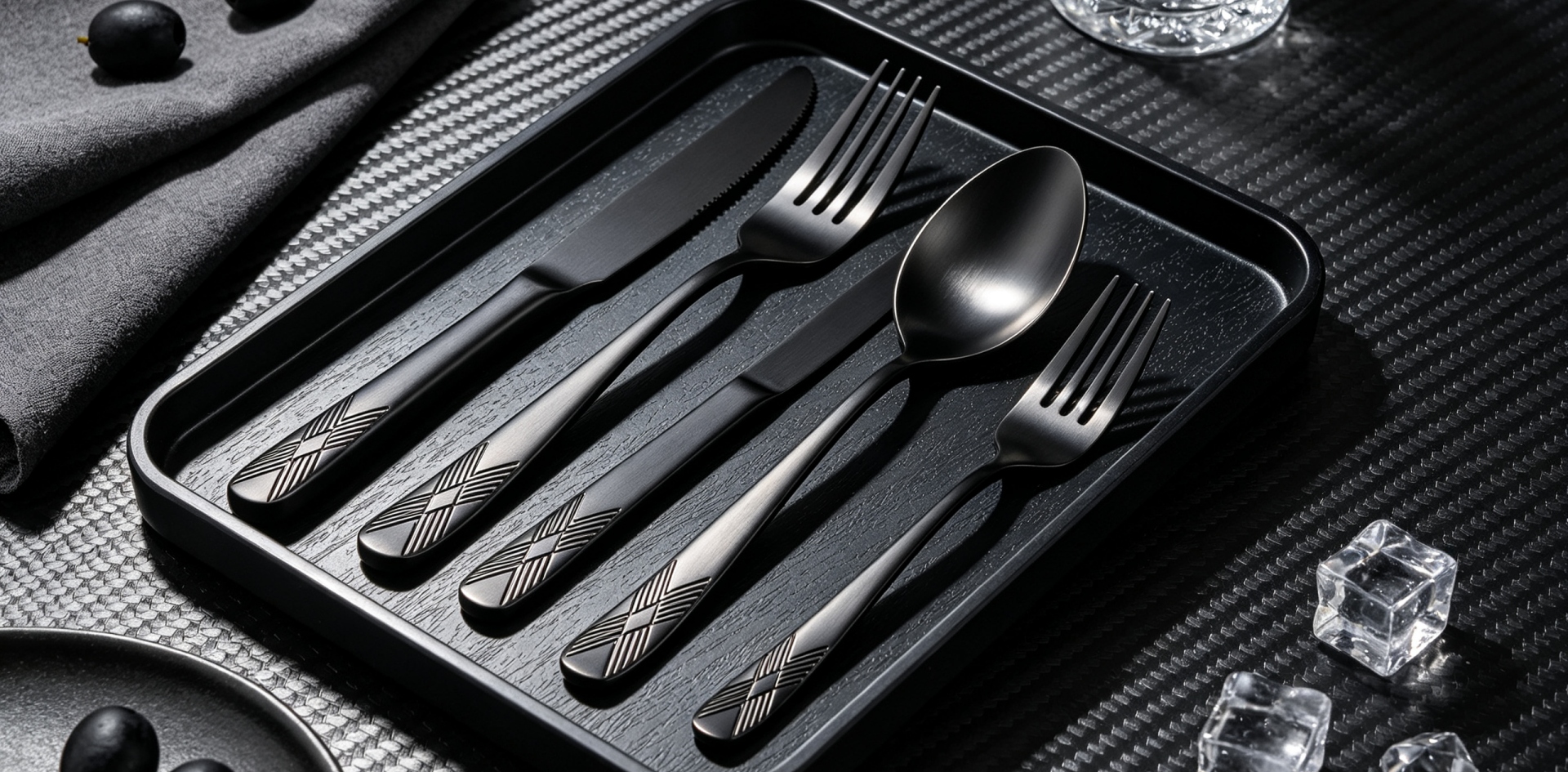
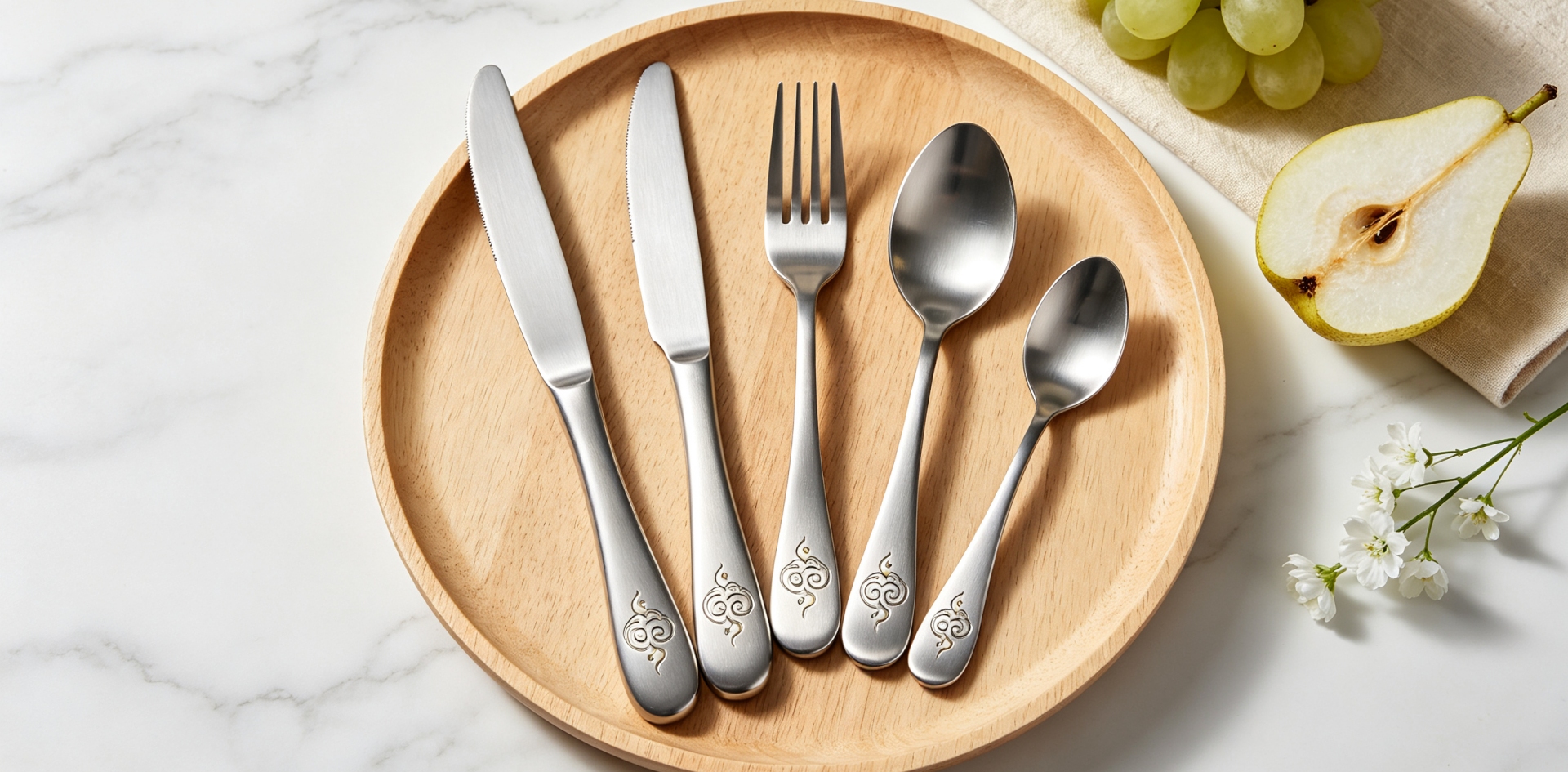
Decorative handles can help a cutlery collection stand out in a crowded retail market. Common design approaches include engraved-looking patterns, raised or recessed details, tapered outlines and distinctive handle-end shapes.
However, decorative elements should be evaluated for practical use as well as appearance. Complex contours may require more careful finishing, and intricate details should be checked for consistency across production quantities.
For private label projects, buyers should decide which handle characteristics define the brand and which can be adjusted if necessary. Reference photographs, drawings or physical samples can help communicate these priorities.
Homefelt can discuss OEM/ODM stainless steel cutlery projects, including customized product concepts and coordinated designs across spoons, forks and knives. The feasibility, production method, development requirements and applicable costs should be confirmed for each design.
6. How to Evaluate a Handle Sample
A structured review helps purchasing teams provide clear feedback to the manufacturer. Instead of recording a general comment such as “the handle feels wrong,” identify the specific feature that needs attention.
A practical evaluation can include:
-
Check the handle width and thickness against the drawing.
-
Inspect the edge profile and visible finishing.
-
Compare the handle's proportions with the bowl.
-
Hold the spoon in a normal eating position.
-
Review weight and balance during ordinary use.
-
Compare the spoon with matching pieces in the collection.
-
Record any changes using the product code and marked-up reference image.
Where several designs are under consideration, evaluate them under similar conditions and record the advantages and disadvantages of each. This makes it easier to select a preferred model based on consistent criteria.
Once the final design is approved, retain the corresponding drawing, specifications and reference sample information. These records help align future orders with the buyer's expectations.
7. Connecting Handle Specifications With Bulk Production
A design that looks attractive in a concept image still needs a clear production specification. For larger orders, the buyer and manufacturer should agree on the essential dimensions, surface finish, material grade, unit weight expectations and acceptable appearance before production begins.
Changes to handle width, thickness or decorative details may affect material consumption and manufacturing requirements. If a design is revised during development, confirm whether the quotation, sample or production schedule also needs to change.
For repeat orders, keep the approved product reference consistent. If a replacement model has a different handle profile, record the change clearly instead of assuming that the products are interchangeable.
This approach helps distributors maintain product consistency and communicate more accurately with their own customers.
Develop Your Spoon Designs With Homefelt
Homefelt factory supports wholesale, OEM/ODM and customized stainless steel cutlery projects. Buyers can share their preferred handle style, intended application, reference images, target price range and expected order volume to begin discussing suitable product options.
Depending on the project, Homefelt can coordinate product design, packaging and transportation requirements as part of a one-stop service tailored to the buyer's needs.
For product details or a quotation, email ingrid@homefelt.net. Including a drawing or reference photograph and identifying the most important handle features will help the team understand your requirements and assess the next steps.
You May Be Interested In
Stainless Steel Spoon Retail Packaging for B2B Product Programs
Stainless Steel Spoon Inventory Planning for Distributors and Importers
Related Article