Stainless Steel Spoon Handle Scratch Inspection and Appearance Standards
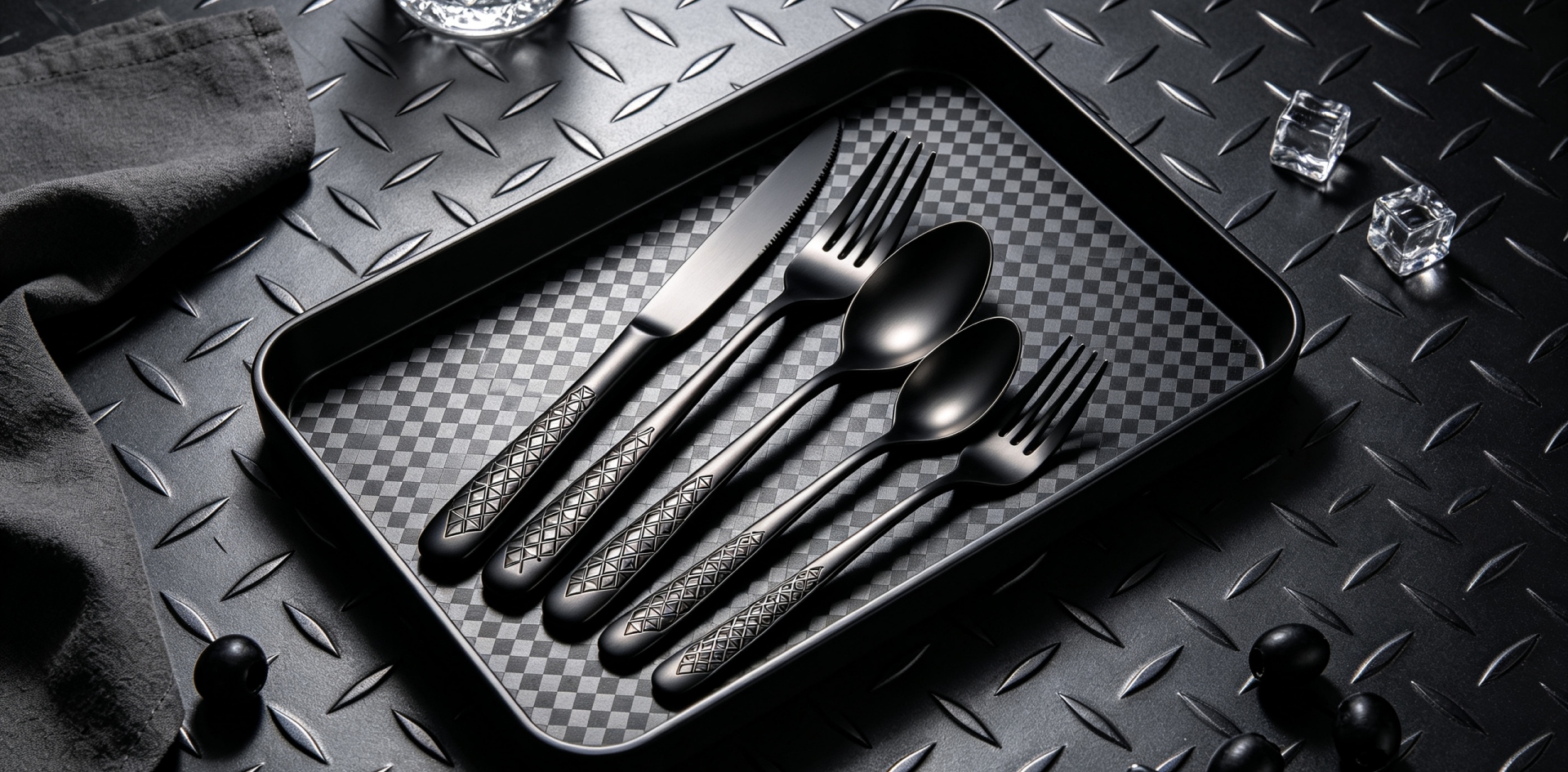
Stainless Steel Spoon Handle Scratch Inspection and Appearance Standards
Why Handle Scratch Inspection Matters
The handle is one of the most visible parts of a stainless steel spoon. Its surface may be plain, mirror-polished, brushed, or decorated with a distinctive pattern. Even when a spoon meets its dimensional specifications, noticeable scratches can affect its perceived quality and make products look inconsistent when displayed together.
For importers, wholesalers, retailers, and private-label brands, the challenge is not simply to eliminate every visible mark. Stainless steel products can show different surface characteristics depending on the finish, lighting, viewing angle, and inspection conditions. A practical quality standard must distinguish unacceptable damage from minor variations that do not affect the product's intended appearance or function.
Homefelt supports B2B stainless steel cutlery projects where appearance, product specifications, and bulk consistency are important. Defining scratch acceptance criteria before production helps buyers and manufacturers evaluate finished spoons using a shared reference.
Understanding Different Types of Handle Scratches
Not all surface marks have the same appearance or significance. Classifying them helps an inspection team communicate findings clearly and decide whether corrective action is necessary.
Fine Surface Lines
Fine lines may appear during handling, finishing, packing, or contact with other metal items. Their visibility depends on the depth, direction, length, and surrounding surface finish.
On a mirror-polished handle, a fine line may stand out because the surrounding surface reflects light evenly. On a brushed handle, a mark that crosses the intended grain direction may be more noticeable than one that follows it.
Deep or Pronounced Scratches
Deeper scratches may interrupt the surface profile and remain visible from multiple viewing angles. Depending on their severity, they may be difficult to remove without changing the surrounding finish.
A deep scratch should not be evaluated only by its length. Depth, location, visibility, and the customer's appearance requirements can all affect the acceptance decision.
Handling and Contact Marks
Marks may develop when finished spoons contact one another or other surfaces during movement, inspection, or packaging. These marks can be especially relevant when multiple items are placed together without adequate separation.
If repeated contact marks appear during production or packing, the team should review the handling method and protective packaging rather than relying exclusively on final inspection.
Marks Near Decorative Features
Raised patterns, engraved details, and shaped edges can make surface inspection more complicated. A mark near a decorative feature may be difficult to distinguish from the intended design unless the inspector has a clear reference.
For customized products, an approved sample and clear design information help inspectors identify which surface characteristics are intentional and which require investigation.
How Surface Finish Affects Scratch Visibility
A scratch should be assessed in the context of the specified finish. The same mark can appear very different on two spoons with different surface treatments.
Mirror-Polished Handles
Mirror-polished surfaces create strong reflections, which can make fine lines or uneven areas more noticeable under directional lighting. Inspectors should examine the handle from consistent angles and avoid judging products solely under unusual lighting conditions.
Brushed Handles
Brushed surfaces have a directional grain. Marks that run across the grain may be more visible than those that follow it, while irregular polishing can create areas that look different from the intended finish.
The reference sample should establish the expected direction and general consistency of the brushed appearance.
Patterned or Decorative Handles
Decorative contours can create natural changes in reflection and shadow. Inspectors need to distinguish these intended features from scratches that interrupt the surface or damage the pattern.
When appearance is a key selling point, the product drawing or approved sample should clearly show the intended finish and decorative details.
Establishing a Repeatable Scratch Inspection Method
A reliable inspection method uses consistent lighting, viewing distance, product positioning, and acceptance criteria. Without these controls, different inspectors may reach different conclusions about the same spoon.
Step 1: Confirm the Approved Reference
Use the approved product sample, finish specification, or relevant visual standard as the inspection reference. Confirm whether the product is mirror-polished, brushed, patterned, or finished in another specified way.
For a customized stainless steel spoon, the reference should represent the final appearance expected from bulk production rather than an early prototype with unfinished details.
Step 2: Define Inspection Conditions
The inspection procedure should specify the lighting environment, viewing distance, and angles used to assess the handle. These conditions should remain consistent when comparing samples or production batches.
Where a customer has an established internal inspection standard, the parties should confirm its requirements before production begins. If no formal standard exists, they can agree on a practical visual acceptance procedure for the specific product.
Step 3: Inspect the Complete Handle
Examine the front, back, sides, edges, and decorative areas. Do not limit the inspection to the broadest visible surface, because marks may appear near transitions or along the handle's outline.
The inspection should also identify whether a mark is isolated or repeated across many items. A repeated pattern of scratches may indicate a handling, finishing, or packaging issue that requires a process review.
Step 4: Classify the Findings
Record the location and nature of any visible defect. A simple classification system may distinguish minor cosmetic marks, clearly visible scratches, and severe damage that affects the surface or product condition.
The classification should be tied to agreed acceptance criteria. Labels such as “minor” or “major” are not sufficient unless inspectors understand how each category is defined.
Step 5: Record and Review Results
Inspection records can include the product model, batch identification, defect location, findings, and final decision. Photographs taken under consistent conditions may help explain a disputed result, although they should not replace the agreed physical inspection method when direct examination is required.
If a batch shows repeated surface defects, the manufacturer should investigate the likely cause and verify any corrective action before approving affected products.
Defining Practical Appearance Acceptance Criteria
Buyers and manufacturers should establish appearance requirements before mass production, particularly for private-label products where the visual presentation is part of the brand's identity.
A useful agreement may cover:
-
The approved surface finish and reference sample.
-
Inspection lighting and viewing conditions.
-
Which areas of the handle receive particular attention.
-
The permitted size, location, or visibility of cosmetic marks.
-
The classification of scratches and other surface defects.
-
Sampling frequency and inspection records.
-
The process for handling rejected samples or disputed findings.
The criteria should reflect the product's price positioning, intended market, and customer expectations. A premium mirror-polished product may require stricter visual control than a utility-focused design, but the actual acceptance limits should be agreed rather than assumed.
It is also important to separate cosmetic requirements from functional or safety-related issues. A mark that changes only the appearance may be handled differently from damage that creates a sharp edge or otherwise affects safe use. Any potentially unsafe defect requires appropriate investigation and should not be dismissed as a cosmetic issue.
Preventing Scratches Before Shipment
Final inspection can identify surface problems, but prevention is generally more effective than relying on sorting after production.
For bulk orders, the manufacturer can review how finished spoons are transferred between operations, how items are separated, and how products are placed into packaging. Protective separators, suitable inner packaging, and controlled handling may reduce unwanted contact between finished surfaces.
Packaging should be selected according to the product finish, quantity per package, transport conditions, and presentation requirements. A packaging solution suitable for a simple brushed spoon may not provide the same protection for a highly reflective decorative design.
Buyers should confirm packaging samples and product arrangement before the main order is packed. Where transit damage has occurred in previous shipments, the team should review the affected areas and adjust the protection method as appropriate.
How Homefelt Supports Bulk Cutlery Quality Requirements
Homefelt works with B2B customers on stainless steel spoons and coordinated cutlery ranges, including OEM, ODM, and customized products. Project discussions can cover product dimensions, surface finish, visual references, packaging design, and bulk order requirements.
For customers with strict appearance expectations, sharing an approved sample or detailed visual specification helps establish the intended surface condition. Inspection arrangements and documentation requirements can then be confirmed for the relevant project.
Homefelt also provides one-stop coordination for product design, customized packaging, and transportation planning according to customer needs. Applicable certifications and testing documents should be confirmed for the specific product and order rather than treated as identical across every project.
Before approving production, buyers should confirm the finished appearance, inspection conditions, acceptance criteria, and packaging method. These details give both parties a clear reference and help reduce disagreements during final inspection.
Conclusion
Scratch inspection is an important part of maintaining the appearance of stainless steel spoon handles in wholesale and bulk orders. The most reliable approach combines an approved reference, consistent inspection conditions, clear defect classification, and practical acceptance criteria.
By defining these requirements before production, buyers can communicate their expectations more clearly and help manufacturers identify recurring problems earlier. The result is a more consistent basis for evaluating finished spoons and protecting the appearance of the product range.
To discuss customized stainless steel spoons, request a quotation, or review appearance requirements for a bulk order, contact Homefelt at ingrid@homefelt.net. Sharing your product design, finish preference, estimated quantity, and inspection expectations will help the team understand your project.
You May Be Interested In
Stainless Steel Spoon Handle Polishing Consistency for Bulk Orders
Stainless Steel Spoon Handle Dimensional Stability in Bulk Production
Related Article