Stainless Steel Spoon Inventory Planning for Distributors and Importers
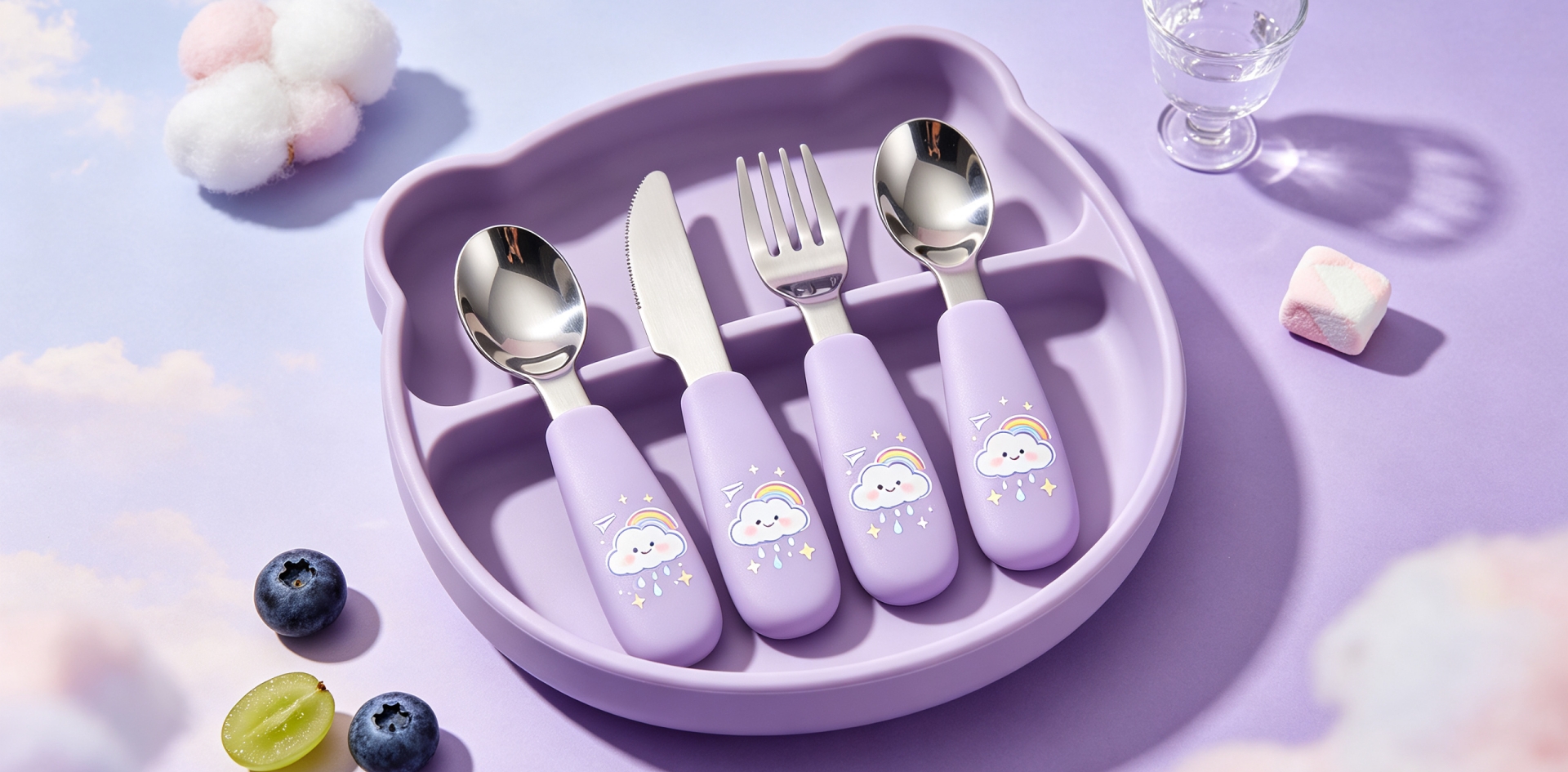
Stainless Steel Spoon Inventory Planning for Distributors and Importers
For stainless steel cutlery distributors, having the right spoon models available at the right time can be just as important as selecting the products themselves. Excess inventory ties up working capital, while insufficient stock can delay customer orders and create gaps in a product range. A practical inventory plan helps importers and wholesalers balance availability, purchasing costs and changing demand.
Homefelt factory supplies stainless steel spoons, forks, knives and coordinated flatware products for B2B customers. For distributors building a long-term supply program, inventory planning should connect product selection, sales forecasts, purchasing schedules and supplier communication rather than treating each order as an isolated transaction.
Start With Reliable Product-Level Sales Data
Inventory decisions become more useful when they are based on individual product performance. Total cutlery sales may look stable even when demand for specific spoon models changes significantly.
Review sales by product code, spoon type, finish, set configuration and customer segment. This can help identify consistently selling items, seasonal products and models that are ordered only occasionally.
For each SKU, consider tracking:
-
Units sold during a defined period.
-
Current stock and stock already committed to orders.
-
Average supplier lead time.
-
Minimum purchasing quantity, where applicable.
-
Open purchase orders and expected arrival dates.
-
Recent changes in customer demand.
Use comparable time periods when reviewing performance. A temporary increase caused by a large customer order should not automatically be treated as a permanent rise in demand. Likewise, a quiet month may not indicate that a product should be discontinued.
Sales data should be combined with information from sales teams and customers. A confirmed project, a new retail listing or a planned promotion can change future demand before that change appears in historical records.
Classify Spoon Products by Inventory Priority
Not every spoon model requires the same level of stock attention. A distributor can classify products according to sales value, order frequency, business importance or a combination of these factors.
Core Products
Core products generate regular demand or support important customer relationships. Distributors may monitor their stock more frequently and maintain a replenishment plan that reflects expected sales and supplier lead time.
For these items, consistent product specifications and reliable product identification are particularly important. If the same spoon model is sold repeatedly, changes to material, dimensions or finish should be reviewed before the replacement product is treated as identical.
Supporting Products
Supporting products expand the range but may sell less frequently. These items can be stocked at lower levels when demand is uncertain, or purchased in coordination with confirmed customer orders.
The appropriate approach depends on available storage, supplier terms and the consequences of running out of stock. A lower sales volume does not necessarily mean that a product is unimportant if it is needed to complete a coordinated cutlery range.
Occasional or Project-Specific Products
Some spoon models may be purchased for a particular customer, promotional program or customized collection. In these cases, buyers should consider the confirmed project quantity, remaining stock exposure and the likelihood of future orders before committing to additional inventory.
Keeping project-specific products separate from regular replenishment items can make purchasing decisions clearer.
Establish a Practical Reorder Point
A reorder point indicates when a buyer should begin replenishment. A simple starting formula is:
Reorder point = expected demand during supplier lead time + safety stock.
For example, if a distributor expects to sell 600 spoons during the time needed to replenish stock and chooses to hold 150 additional units as a buffer, the initial reorder point would be 750 units.
This is an illustrative calculation, not a universal inventory target. Actual safety stock should reflect demand variability, supplier reliability, storage costs and the business impact of a stockout.
Lead time should be measured consistently. Buyers may need to account for production, inspection, export preparation, transportation and receiving procedures, depending on the agreed supply arrangement. The timeline should be confirmed with the supplier rather than assumed from a previous order.
Reorder points should also be reviewed when sales patterns or supplier schedules change. A fixed threshold can become unsuitable if demand rises sharply or replenishment takes longer than expected.
Coordinate Inventory With Minimum Order Quantities
Minimum order quantities can influence how distributors replenish stainless steel spoons. If the supplier's minimum quantity is higher than the amount required to cover immediate demand, buyers may need to compare alternative purchasing schedules.
One option is to replenish core products in planned quantities while reviewing slower-moving items separately. Another is to coordinate several compatible products within a broader purchasing plan, provided the supplier confirms that the arrangement is available.
Buyers should not assume that different models, finishes or customized products can always be combined toward one minimum quantity. Confirm the applicable quantity rules for each item before calculating the order.
The aim is to avoid two extremes: ordering too little to support expected sales or buying far more than the business can reasonably sell.
Keep Product Codes and Specifications Consistent
Inventory records are only reliable when product identities are clear. Two spoons may look similar but differ in material grade, thickness, finish, unit weight or packaging configuration.
Assign a unique product code to each meaningful product variation. Use that code consistently in stock records, quotations, purchase orders, cartons and internal sales documents where applicable.
For repeat orders, retain the approved product specifications and reference information. If a model is revised or replaced, record the change rather than silently reusing the old code for a different product.
This is particularly important for private label programs, where a small change in appearance or packaging can affect the customer's product listing and expectations.
Plan Replenishment Around Seasonal and Project Demand
Some distributors experience demand changes around retail promotions, holiday periods, hospitality purchasing cycles or customer launch schedules. Historical sales can provide a starting point, but confirmed orders and upcoming business plans should also inform the forecast.
Prepare an order calendar for products with longer replenishment timelines. Record the expected delivery date, the date stock is needed and the latest practical time to confirm the purchase order.
For project-based demand, separate confirmed quantities from speculative forecasts. This helps purchasing teams avoid committing to excess stock before customer requirements are settled.
If several spoon models belong to the same cutlery collection, coordinate their replenishment when customers expect the items to be available together. A shortage in one important component can affect the commercial usefulness of the entire range.
Communicate Forecasts With Your Supplier
Sharing a forecast with a stainless steel cutlery factory can improve planning discussions, particularly when the buyer expects recurring orders. A useful forecast identifies product codes, approximate quantities and the periods when stock may be required.
Distinguish between confirmed purchase orders and estimates. Forecasts support production planning but should not be treated as binding orders unless both parties agree otherwise.
Homefelt can discuss wholesale requirements and planned purchasing programs with buyers. For recurring products, buyers can provide demand estimates and preferred delivery windows so the team can review the proposed schedule, product availability and applicable production requirements.
For customized products, allow time to confirm the final design, specifications and packaging details before setting the replenishment timeline.
Review Inventory Performance Regularly
Inventory planning should be an ongoing process. A monthly review may be suitable for some businesses, while products with rapidly changing demand may need more frequent attention.
Useful indicators include stock turnover, days of inventory on hand, stockout frequency, excess stock and the proportion of orders delivered on time. Interpret these measures together: reducing inventory is not an improvement if it causes repeated missed sales or customer delays.
When a product remains in stock longer than expected, investigate the cause before placing another order. The issue may involve pricing, product positioning, forecast accuracy or a change in customer preferences.
A structured review helps distributors make evidence-based purchasing decisions and gives suppliers clearer information for future planning.
Build a More Predictable Spoon Supply Program With Homefelt
Homefelt factory supports B2B buyers sourcing stainless steel spoons and coordinated cutlery products for wholesale and customized programs. By sharing product codes, expected quantities, demand patterns and target delivery windows, buyers can begin a more focused discussion about replenishment requirements.
Depending on the project, Homefelt can coordinate product customization, packaging and transportation planning as part of a one-stop service. Order quantities, specifications and production schedules should be confirmed for the specific products and purchasing arrangement.
To discuss your inventory needs or request a quotation, email ingrid@homefelt.net. A clear replenishment forecast can help both parties evaluate upcoming requirements and plan the next order more effectively.
You May Be Interested In
Stainless Steel Spoon Handle Design: Grip, Balance and Practical Use
How to Segment Stainless Steel Spoon Products for Different Markets
Related Article