How to Segment Stainless Steel Spoon Products for Different Markets
How to Segment Stainless Steel Spoon Products for Different Markets
A stainless steel spoon range that works well for one customer group may not suit another. Retail chains, online sellers, hospitality suppliers and promotional product distributors often have different expectations for appearance, price positioning, product presentation and order quantities. For cutlery importers and wholesalers, understanding these differences helps create a product assortment that is easier to sell and manage.
Homefelt factory supplies stainless steel cutlery, including spoons, forks, knives and coordinated flatware sets. For buyers developing a new product range, market segmentation offers a practical way to decide which spoon styles to source, how to group them and which specifications to prioritize before requesting a quotation.
Start With the Customer, Not the Number of Products
A large catalog does not automatically create a stronger commercial offering. If several spoon models serve the same purpose and appeal to the same customers, adding more choices may increase purchasing complexity without improving sales opportunities.
Begin by identifying the main customer groups you serve. Consider what each group sells, how its customers use the products, what price range is realistic and whether the buyer needs standard items or customized designs.
For example, a distributor supplying independent retailers may value versatile designs that are easy to display and reorder. A supplier serving professional foodservice buyers may prioritize practical performance and consistent specifications. A private label brand may place more emphasis on distinctive styling and branded presentation.
These are starting points rather than fixed rules. Actual preferences should be confirmed through customer feedback, sales records and discussions with purchasing teams.
Segment 1: Everyday Retail Products
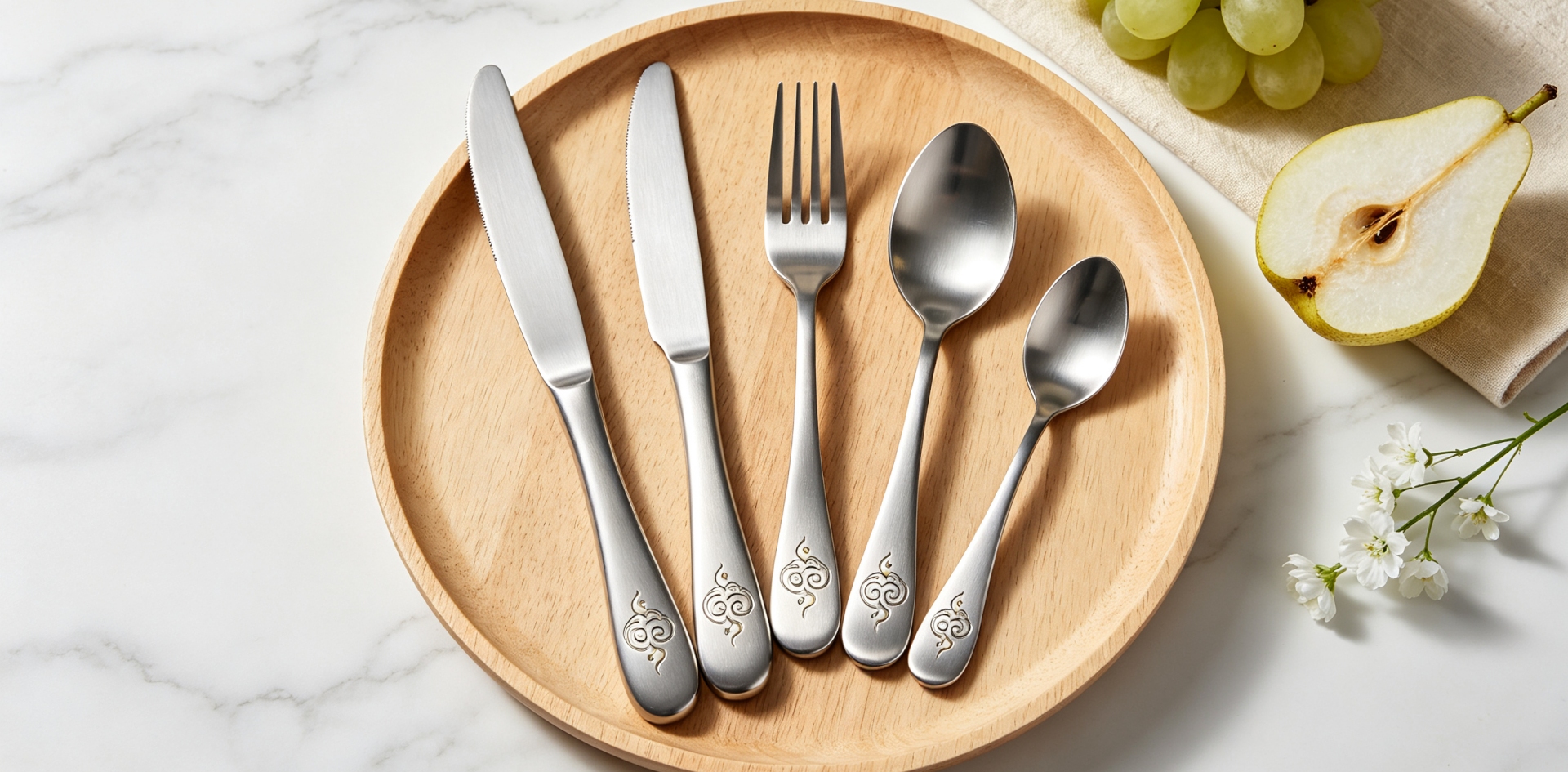
Everyday retail products generally need broad appeal and clear product positioning. Buyers may look for familiar spoon styles that fit common household dining needs and coordinate with other utensils.
When evaluating this segment, consider:
-
A recognizable design that suits a broad audience.
-
A practical range of spoon types and sizes.
-
Clear product information for retail staff and consumers.
-
Packaging appropriate for the intended sales channel.
-
Consistent product identification for future replenishment.
The objective is to create a straightforward assortment rather than an unnecessarily complicated range. A small number of well-selected models may serve customers more effectively than many products with only minor visual differences.
For distributors, it is useful to compare the performance of individual models over time. Sales data can indicate which designs deserve continued investment and which items may be candidates for replacement.
Segment 2: Premium and Design-Led Collections
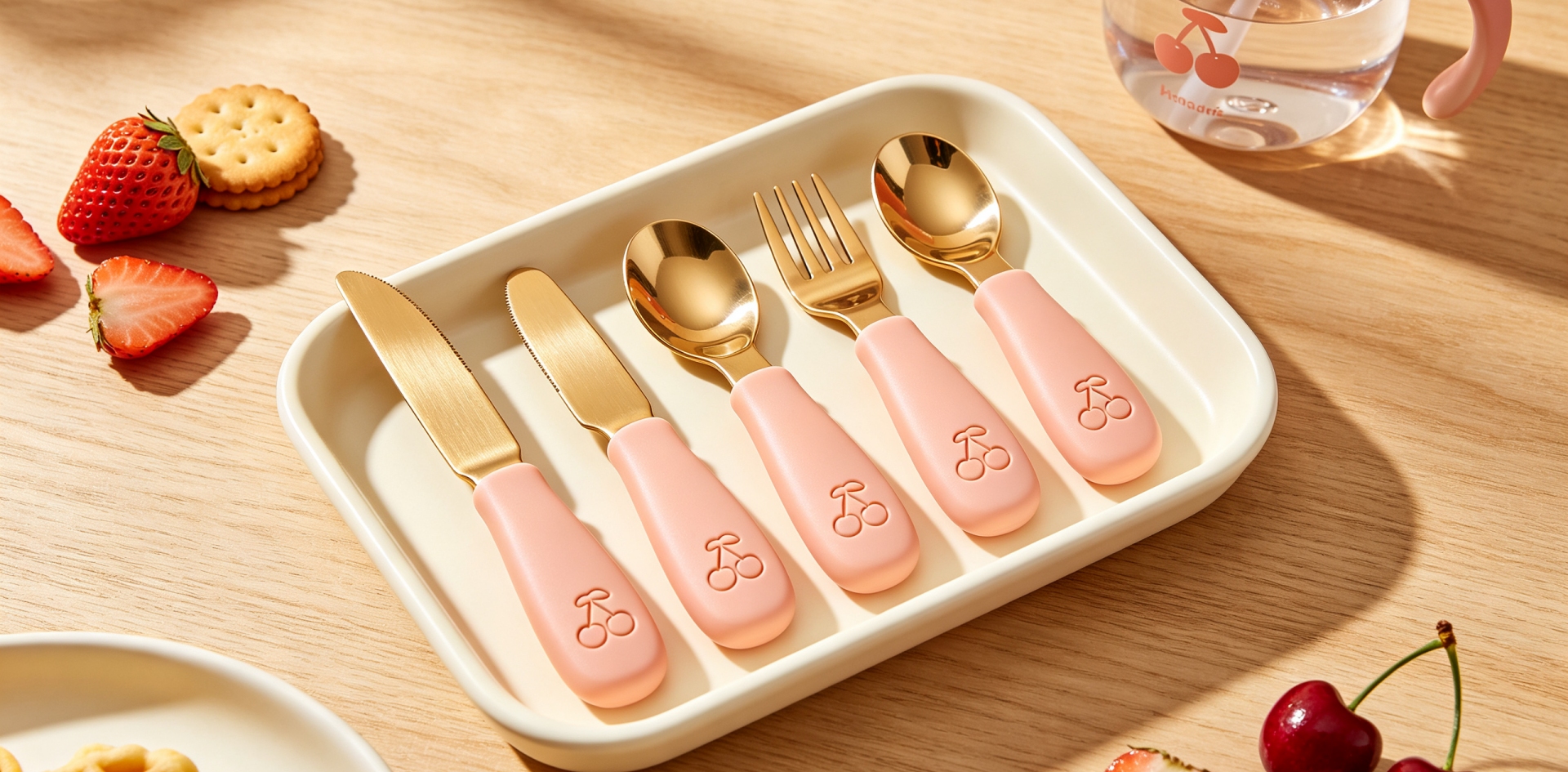
Some customers choose cutlery partly for its contribution to the appearance of a table setting. For this segment, the spoon's handle profile, surface finish, proportions and relationship to the rest of the collection can influence product positioning.
Buyers may consider polished finishes, distinctive handle shapes or coordinated designs across spoons, forks and knives. The important point is that the product's visual identity should remain consistent with the intended brand and selling price.
Premium positioning should not rely on appearance alone. Material grade, dimensions, unit weight, finishing quality and other relevant specifications should support the product description.
When discussing a design-led collection with a stainless steel spoon manufacturer, provide reference images and identify which characteristics are essential. This helps the factory distinguish between required design features and elements that can be adjusted during development.
Segment 3: Hospitality and Professional Supply
Professional buyers may purchase spoons for repeated use in hotels, dining facilities, catering operations or other foodservice settings. Their requirements can differ from those of retail consumers because product selection may be linked to operational routines and replacement purchasing.
For this segment, buyers should define the intended application before choosing a model. Important considerations may include handling comfort, ease of cleaning, surface durability, product consistency and compatibility with existing cutlery.
Order planning also matters. A professional supplier may need enough stock to support regular replenishment rather than a one-time product launch. Keeping model numbers and specifications consistent can make repeat purchasing easier.
Avoid assuming that every professional customer requires the same spoon design. A supplier serving a casual dining business may have different preferences from one supplying an upscale dining concept. The product brief should reflect the actual use environment.
Segment 4: Private Label and Brand-Specific Programs
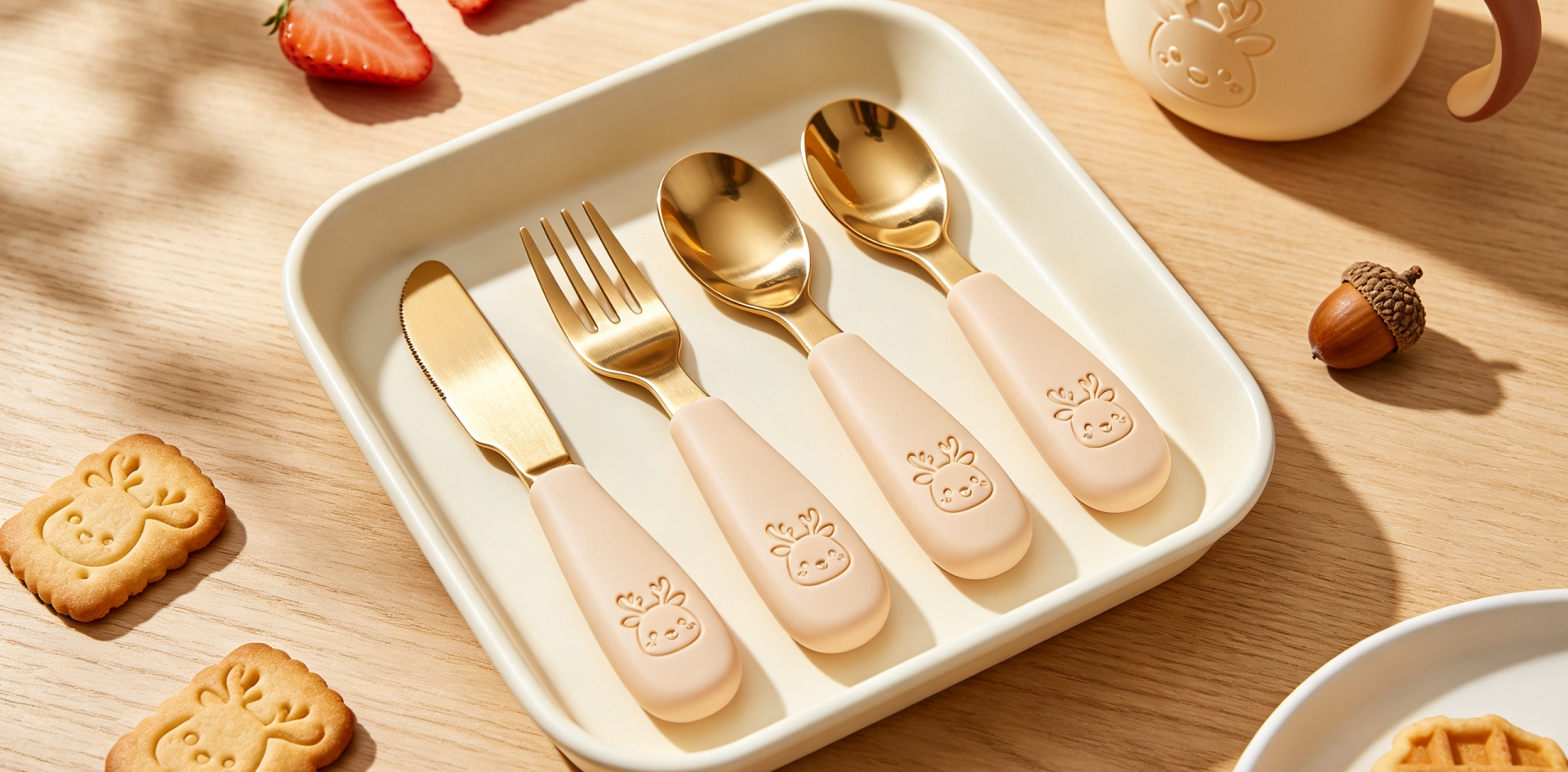
Private label buyers often need products that fit a defined brand identity. Their requirements may include a selected spoon design, logo placement, packaging artwork, coordinated utensils and agreed product specifications.
Before requesting an OEM or ODM quotation, separate the project requirements into essential and optional elements. Essential elements may include the required material, core dimensions, approved appearance and branding location. Optional elements may include alternative packaging formats or secondary design details.
This approach helps buyers evaluate development costs and production requirements without losing sight of the product's commercial purpose.
Homefelt can discuss customized stainless steel cutlery projects, including product design and packaging coordination. For each project, the feasibility, development process, minimum quantities and production schedule should be confirmed according to the selected design and order requirements.
Segment 5: Promotional and Gift-Oriented Products
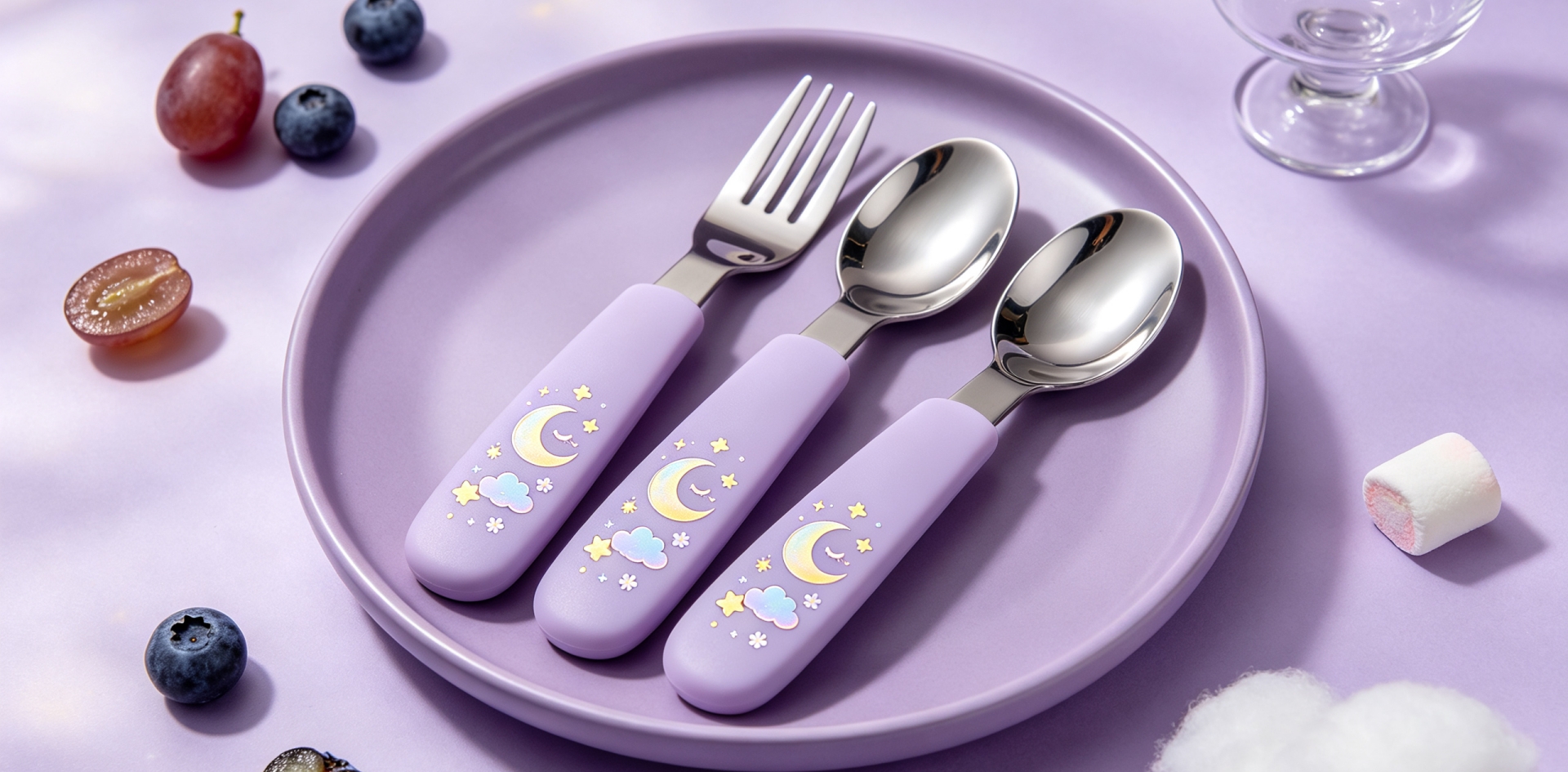
Promotional and gift-oriented programs may place greater emphasis on presentation, personalization and the relationship between the product and the buyer's campaign.
A stainless steel spoon may be supplied individually, combined with matching utensils or incorporated into a gift set. The right configuration depends on the intended recipient, campaign purpose and budget.
Buyers should confirm the actual contents of the proposed set, the logo or message requirements and the packaging presentation. If multiple products are included, each component should have a clear specification and product reference.
Planning these details early helps avoid discrepancies between the approved concept, quotation and final order.
Create a Product Matrix for Purchasing Decisions
After identifying the main customer segments, organize potential products in a simple matrix. The matrix should help purchasing teams understand why each model belongs in the range and what information is still needed.
Useful fields include:
-
Target customer segment.
-
Intended application.
-
Product code and spoon type.
-
Material grade and unit weight.
-
Finish and design characteristics.
-
Target price position.
-
Customization and packaging requirements.
-
Expected order volume and replenishment needs.
The matrix can reveal gaps in the assortment. For example, a distributor may have several decorative designs but few practical everyday options. Another may have a strong standard range but no products suitable for customers seeking private label development.
Use actual sales information and buyer feedback to prioritize these gaps rather than expanding the catalog solely to increase its size.
Keep the Range Commercially Manageable
Every additional model can introduce purchasing, inventory and product-information requirements. Similar designs may also compete with each other if their differences are difficult for customers to understand.
A manageable assortment has a clear purpose for each item. Products should differ in a way that matters to the intended buyer, whether through application, design, price position or customization options.
When evaluating a new model, ask whether it serves an identifiable customer need, complements the existing range or creates a credible new sales opportunity. If the answer is unclear, further market feedback may be more useful than immediately placing a production order.
Develop Your Stainless Steel Spoon Range With Homefelt
Homefelt factory works with B2B buyers sourcing stainless steel spoons and coordinated cutlery products for wholesale, distribution and private label programs. Buyers can share their customer segments, target market, preferred styles and expected purchasing volume to begin discussing suitable options.
Depending on the project, Homefelt can support product selection, OEM/ODM customization, packaging coordination and transportation planning as part of a one-stop service. Product specifications, quotation conditions and production arrangements can be confirmed against the buyer's actual requirements.
For product information or a tailored quotation, contact ingrid@homefelt.net. A clear description of your target customers and intended applications can help establish a more focused starting point for developing a commercially relevant spoon assortment.
You May Be Interested In
Stainless Steel Spoon Inventory Planning for Distributors and Importers
Stainless Steel Spoon Quotation: Key Cost Factors for B2B Buyers
Related Article