Stainless Steel Spoon Product Photography for B2B Catalogs
Stainless Steel Spoon Product Photography for B2B Catalogs
For distributors, importers, retailers and private label brands, product images are often the first way to evaluate a stainless steel spoon collection. Clear photography helps buyers understand the product's appearance, compare available styles and decide which items deserve further consideration. For manufacturers, consistent images also make it easier to present product ranges to different markets without relying entirely on physical samples.
Homefelt factory works with stainless steel cutlery products, including spoons, forks, knives and coordinated flatware sets. When preparing a product range for B2B buyers, photography should communicate practical product information as clearly as possible. The goal is not simply to make a spoon look attractive, but to show its shape, surface, construction details and commercial presentation accurately.
Why Product Photography Matters in B2B Cutlery Sales
Professional buyers may review dozens of spoon designs before selecting products for a catalog or purchasing program. If images use inconsistent angles, lighting or backgrounds, it becomes difficult to compare similar products. A well-organized image library gives buyers a clearer view of the collection and reduces unnecessary clarification during the inquiry process.
Product photography is especially useful when a supplier offers several handle shapes, surface finishes or spoon styles. Buyers can identify the differences more quickly and communicate which models they want to evaluate.
Images should support the product specification rather than replace it. Important information such as material grade, dimensions, thickness, weight, finish and available packaging should be provided separately in the product details.
Five Images That Help Buyers Evaluate a Stainless Steel Spoon
1. A Clear Main Product Image
The main image should show the complete spoon, including the bowl and handle. Keep the product centered and avoid cropping the tip or handle end. A simple background helps buyers focus on the item itself.
Use a consistent image ratio and similar product positioning across the catalog. When several spoon models appear together on one page, visual consistency makes comparisons easier for purchasing teams.
2. A Close-Up of the Spoon Bowl
The bowl is a defining part of spoon design. A close-up can show its outline, curvature, edge finishing and reflective surface. These details are particularly useful when buyers are comparing different styles within the same product category.
Lighting should reveal the surface without creating excessive glare. Strong reflections can hide the bowl's actual shape or make a smooth finish appear uneven. The photograph should represent the product as accurately as possible.
3. A Handle Detail Image
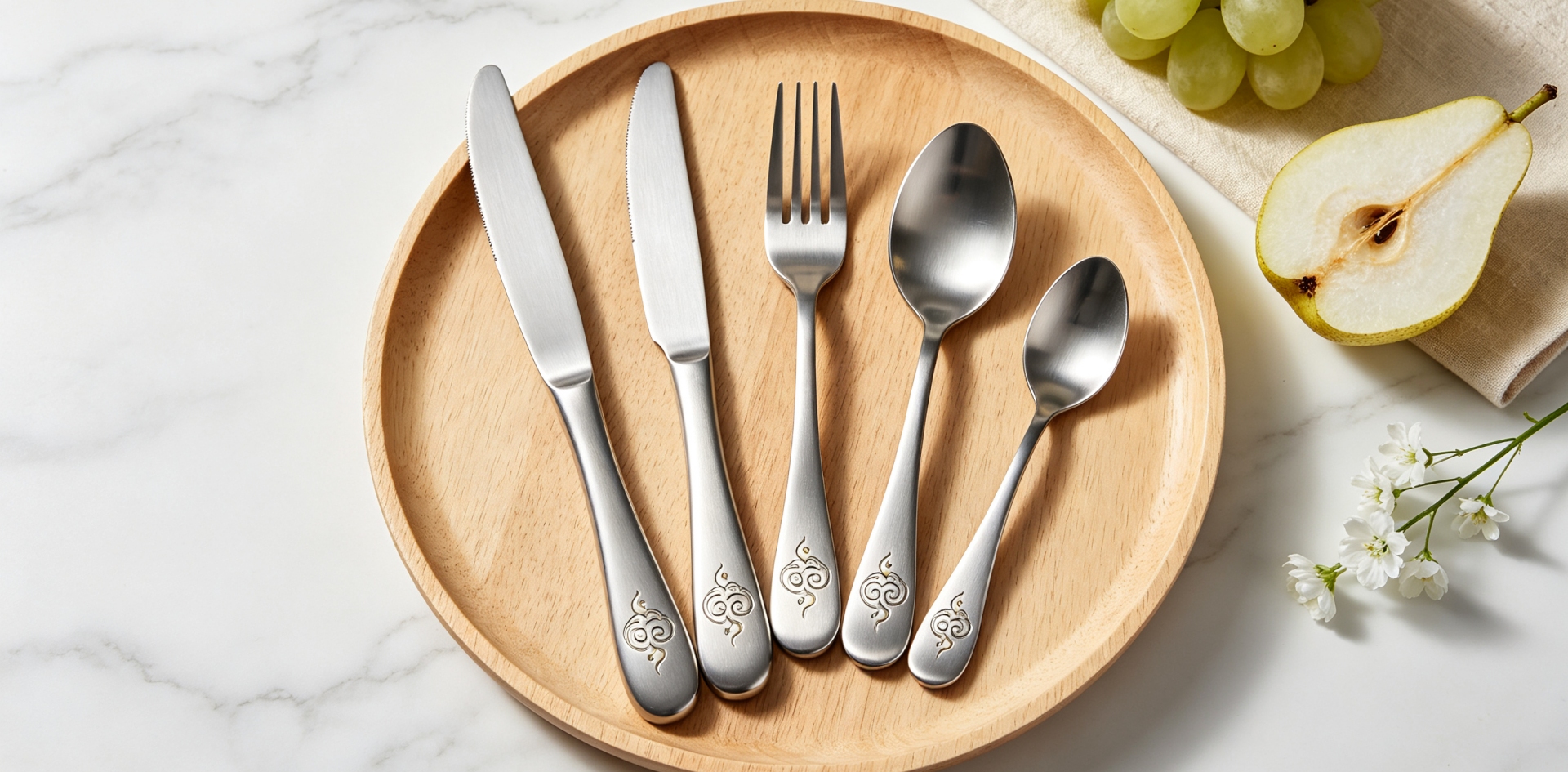
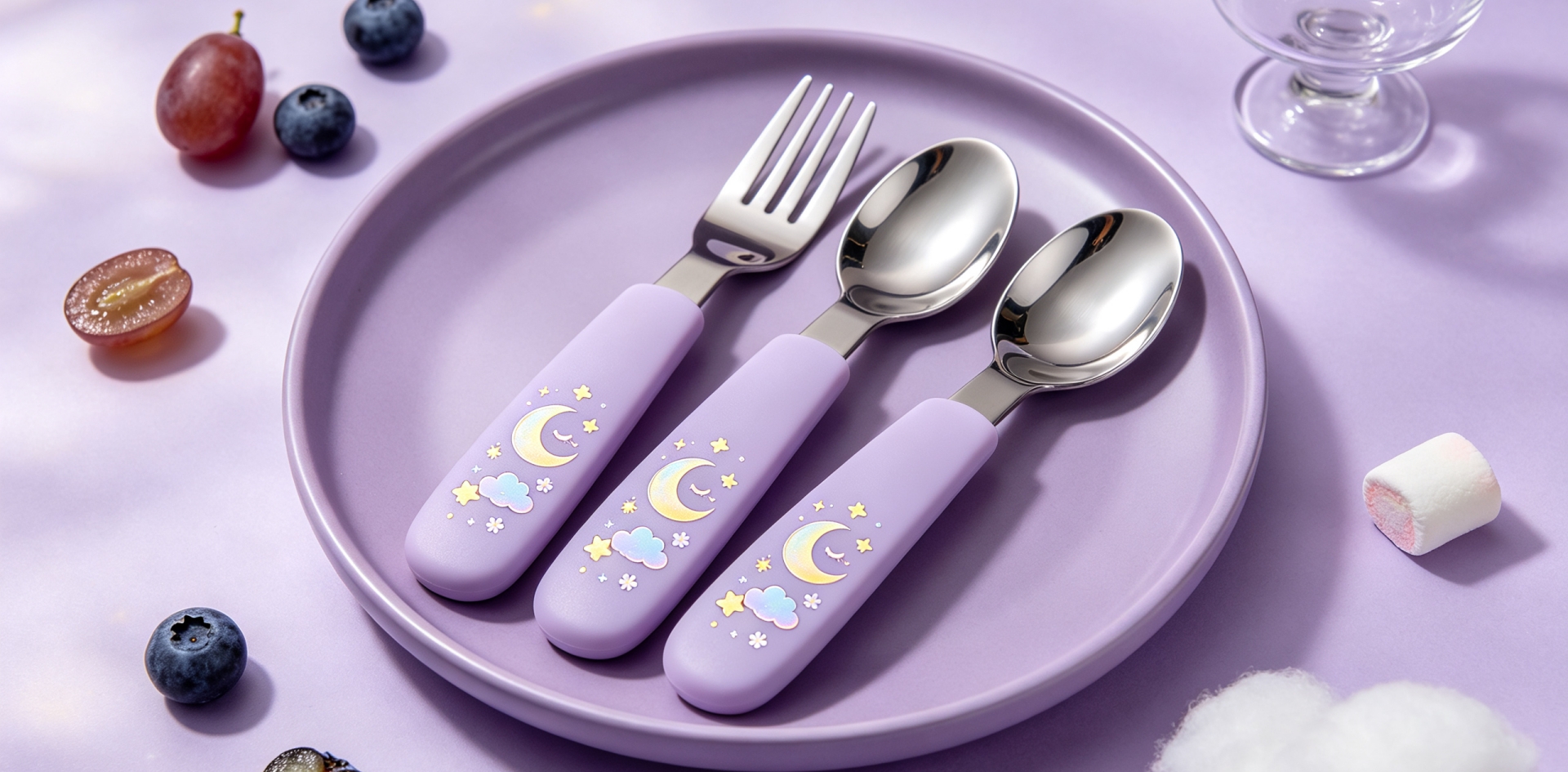
The handle influences both appearance and the overall character of the spoon. A close-up can show decorative patterns, edge contours, embossed details or the transition between the handle and bowl.
For a coordinated flatware collection, use similar angles and magnification for spoons, forks and knives. This allows buyers to judge whether the design language remains consistent across the set.
4. A Surface Finish Comparison
If a product range includes mirror-polished, satin or brushed options, photograph each finish under controlled and comparable lighting. Avoid presenting different finishes in images with dramatically different exposure, as this can create misleading comparisons.
Finish names should be stated in the product information. Images can help buyers understand the visual difference, but they cannot independently confirm a technical specification or guarantee that two finishes will look identical under every lighting condition.
5. A Complete Set or Commercial Presentation Image
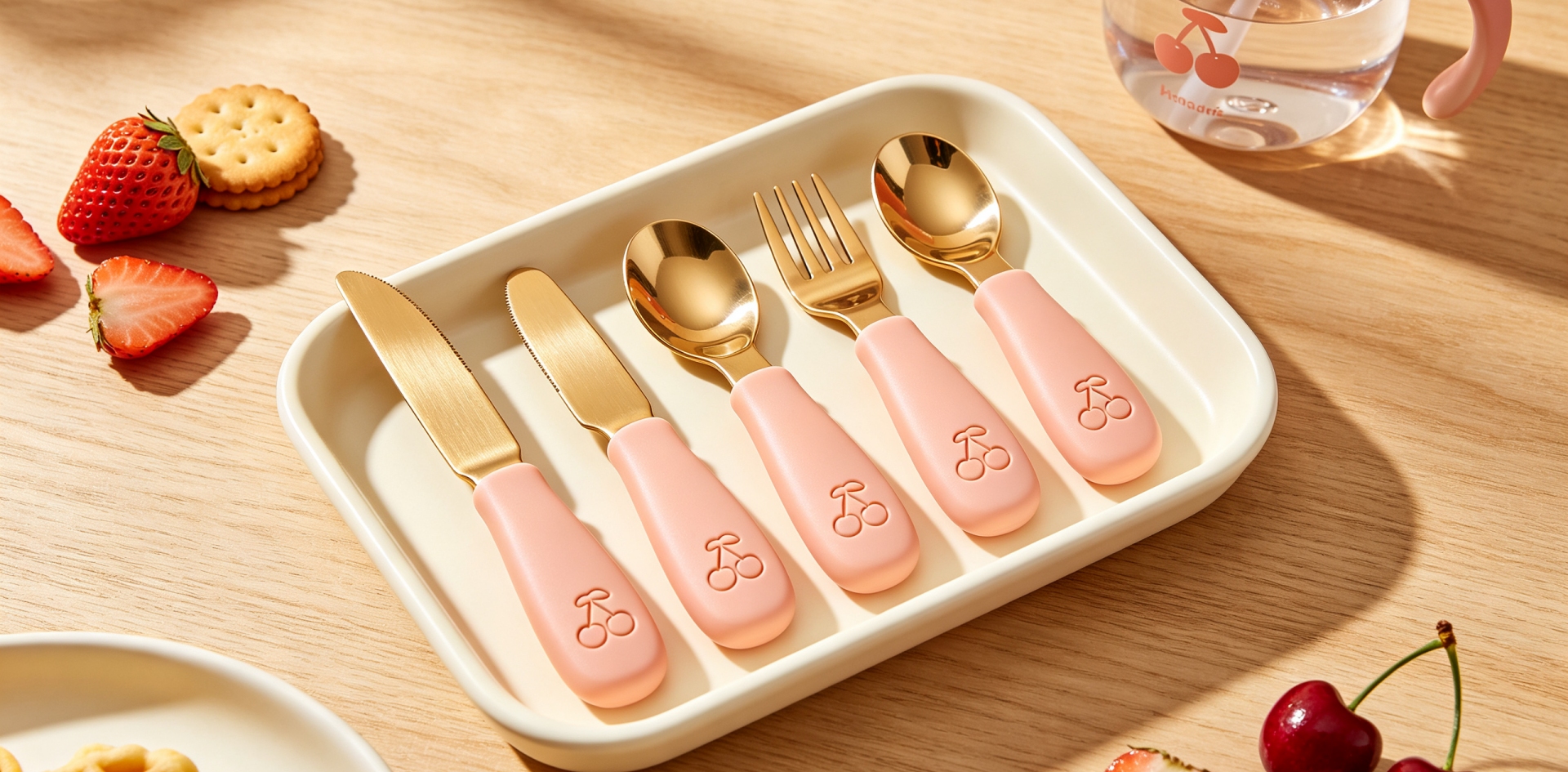
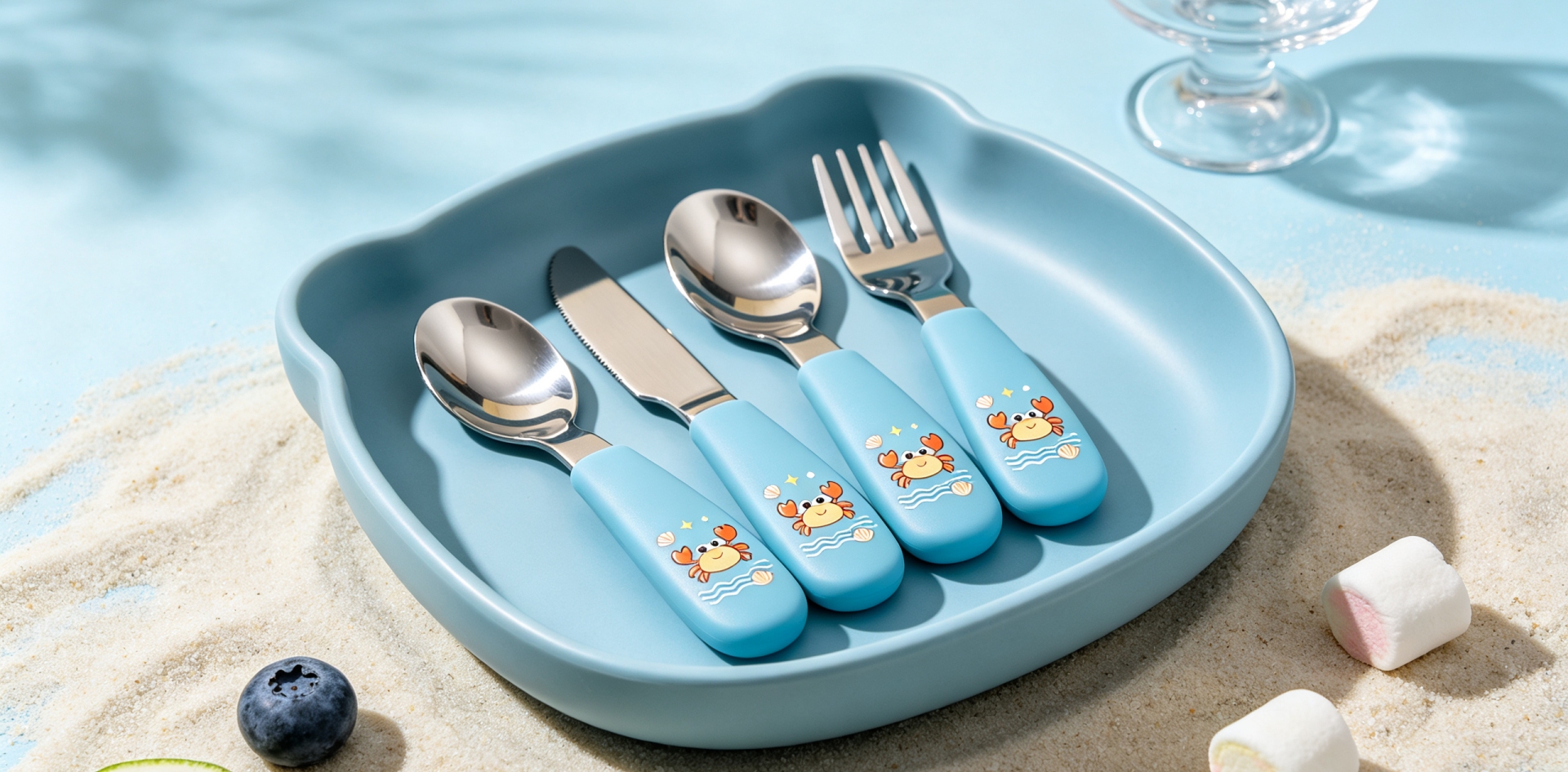
A group image can show how an individual spoon fits into a larger cutlery range. For example, a coordinated arrangement of teaspoons, tablespoons, forks and knives can help distributors understand the visual relationship between products.
If the product is offered in different set configurations, identify the included pieces clearly. Do not imply that accessories, gift boxes or additional utensils are included unless they form part of the actual offer.
Keeping Images Consistent Across a Product Catalog
A B2B catalog is easier to use when every product follows the same presentation rules. Before photographing a collection, establish a simple image standard covering the background, camera angle, crop, lighting and file naming.
Each model should have a unique product code that matches its specification sheet and quotation records. This is particularly important when several products have similar shapes but different sizes, finishes or packaging options.
A practical image library may include:
-
Main product image for catalog listings.
-
Bowl and handle detail images.
-
Finish or design comparison images.
-
Coordinated set images where applicable.
-
Packaging images when packaging is part of the offer.
Keep original product images and edited versions organized separately. Color correction and background cleanup can improve presentation, but editing should not alter the spoon's shape, surface appearance or other characteristics buyers use to evaluate the product.
Connecting Product Images With Useful Specifications
Images become more valuable when buyers can connect them to accurate product data. For each stainless steel spoon model, consider providing the product code, stainless steel grade, total length, bowl dimensions, thickness, unit weight, finish and available customization options.
The exact specifications depend on the individual product. Avoid using one specification sheet for multiple models unless the listed values have been checked and confirmed for each item.
For private label projects, the product information can also identify possible logo locations, branding methods under consideration and packaging choices. Final details should be confirmed with the buyer before production rather than inferred from a photograph.
Homefelt can coordinate product selection and customization discussions for buyers developing a new cutlery range. Depending on the project, support may include product design, packaging coordination and transportation arrangements as part of a one-stop service.
Common Photography Mistakes to Avoid
Several presentation problems can make a good product harder to evaluate:
-
Reflections that obscure the bowl or handle details.
-
Different image proportions for similar products.
-
Heavy retouching that changes the actual product appearance.
-
Product codes that do not match the specification sheet.
-
Set images that do not clearly identify the included pieces.
-
Missing finish or model information beside the photographs.
These issues can create avoidable questions during product selection. A consistent catalog structure helps buyers move from initial interest to a more specific request for pricing, samples or customization details.
How Homefelt Supports B2B Product Presentation
Homefelt factory supplies stainless steel spoons and other cutlery products for wholesale and customized projects. For distributors and importers preparing their own product catalogs, clear product identification and confirmed specifications are useful starting points for discussing the right models.
Buyers can share their target market, preferred spoon styles, estimated order volume and catalog requirements. Homefelt can then discuss suitable product options, OEM/ODM possibilities, packaging requirements and the information needed for a quotation.
For larger programs, aligning product codes, specifications and image references early can also help keep communication consistent between product selection, order confirmation and repeat purchasing.
If you are developing a stainless steel spoon catalog or evaluating products for a wholesale range, contact Homefelt at ingrid@homefelt.net to request product details and discuss your project requirements.
You May Be Interested In
Stainless Steel Spoon Sample Approval: A Guide for B2B Buyers
Stainless Steel Spoon Branding: Logo Placement for Private Label Products
Related Article