Stainless Steel Spoon Quotation: Key Cost Factors for B2B Buyers

Stainless Steel Spoon Quotation: Key Cost Factors for B2B Buyers
When comparing stainless steel spoon quotations, importers and distributors may find that products with a similar appearance have different prices. The difference does not necessarily mean that one supplier is more competitive than another. Material specifications, product weight, manufacturing requirements, surface finishing, customization and order conditions can all affect the final quotation.
For B2B buyers, the most useful comparison is not simply the lowest unit price. It is the price attached to a clearly defined product and a set of purchasing conditions that match the intended market. Homefelt factory supplies stainless steel cutlery, including spoons, forks, knives and coordinated flatware collections, and works with buyers on product selection and customization requirements.
1. Stainless Steel Grade and Material Consumption
The specified stainless steel grade is an important starting point when evaluating a spoon quotation. Different grades have different compositions and properties, so buyers should confirm the material required for their target market and product positioning.
Material consumption also affects cost. Two spoons made from the same grade may require different amounts of steel because of differences in overall length, bowl profile, handle design and thickness.
For an accurate comparison, ask suppliers to state the material grade and confirm whether the quotation applies to the same product drawing or reference sample. Avoid comparing prices based only on photographs or general descriptions such as “premium stainless steel.”
Where material documentation is required for a project, confirm which supporting documents the supplier can provide for the specific product and order.
2. Product Weight, Thickness and Shape
A spoon's weight is influenced by its dimensions, thickness and design. A heavier model may use more material, while a lighter model may be designed for a different price point or application. Neither option is automatically better; suitability depends on the customer's expectations and the product's intended use.
The bowl and handle also affect material consumption. A broad bowl, decorative handle or distinctive profile may require a different production approach from a simple, lightweight design.
When requesting prices, buyers should confirm the following parameters:
-
Total length and bowl dimensions.
-
Material thickness at the relevant section.
-
Approximate unit weight.
-
Handle profile and decorative details.
-
Edge finishing and surface requirements.
These details make quotations easier to compare and help reduce misunderstandings when an order moves from product selection to production.
3. Surface Finishing and Appearance Requirements
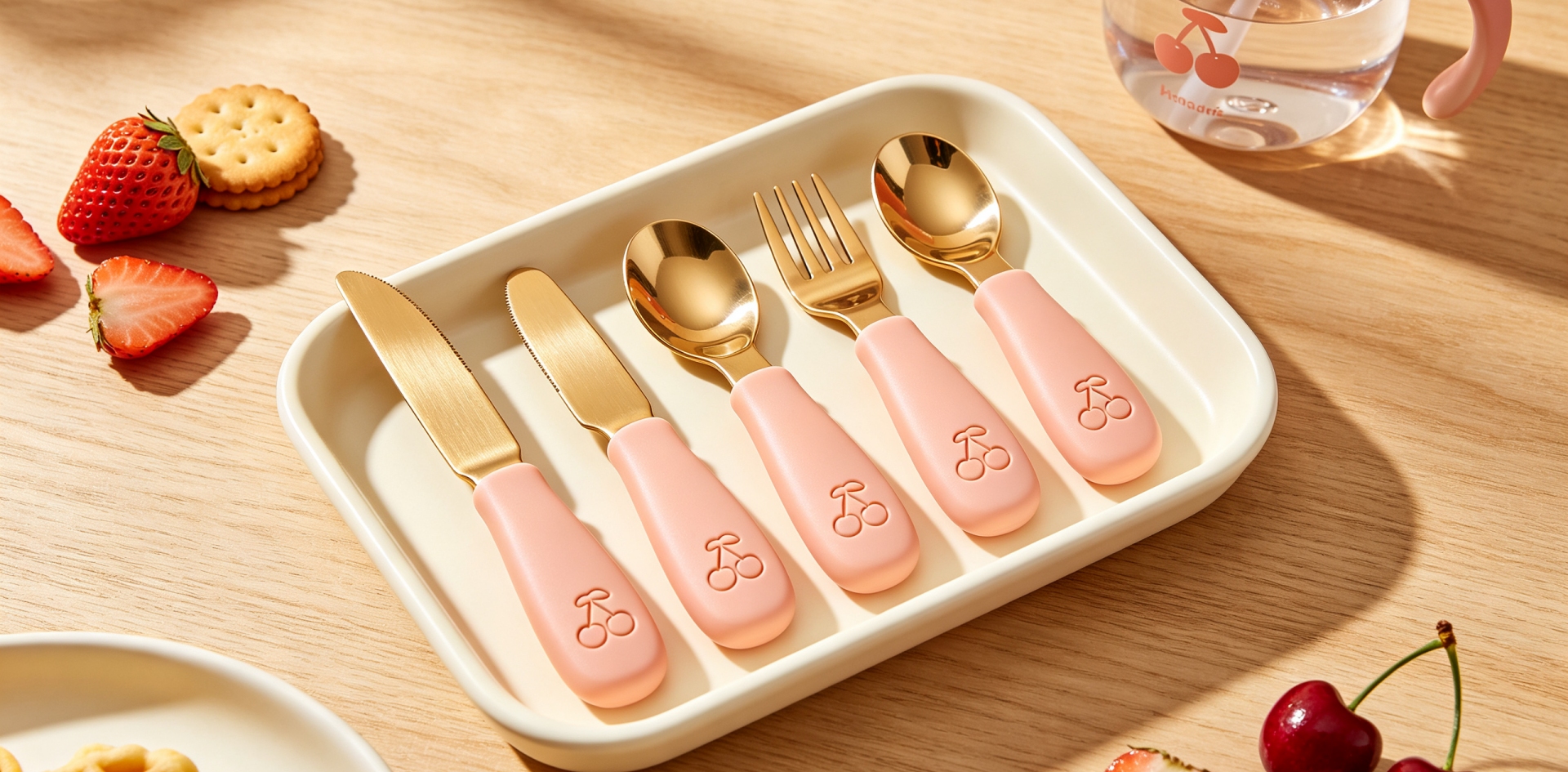
Mirror polishing, brushed surfaces and satin finishes can involve different finishing requirements. The final cost depends on the specific design, the desired appearance and the production process needed to achieve it.
Highly reflective surfaces make visible scratches, polishing marks and handling damage easier to notice. If the buyer requires a particular appearance standard, it should be described clearly before the quotation is finalized.
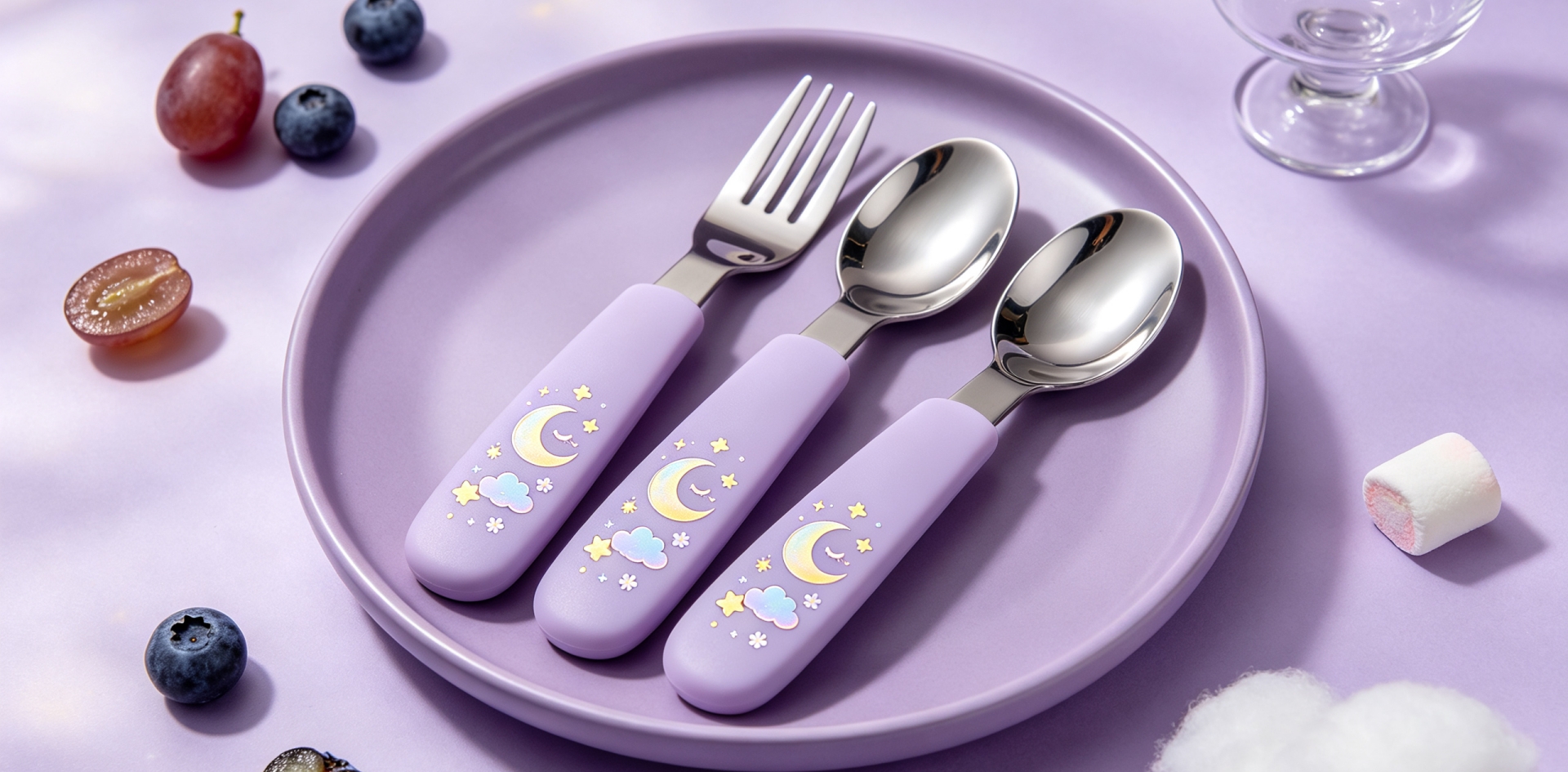
For example, a buyer may request a mirror finish with consistent reflectivity across a coordinated spoon, fork and knife range. Another project may prefer a more subdued brushed appearance. These requirements should be reflected in the product specification rather than left to interpretation.
Reference images or approved samples can help communicate the desired finish. Buyers should also clarify whether the quotation includes individual inspection, protective handling or any special presentation requirements.
4. Custom Designs and Branding
A standard spoon model and a customized spoon may have different cost structures. Changes to the bowl profile, handle shape, decorative details or overall proportions can introduce additional development work.
Branding can also affect the quotation. Logo placement, marking method, artwork preparation and the number of customized components should be discussed in advance. The appropriate method depends on the design, surface and required appearance.
For OEM or ODM projects, buyers should provide available artwork, reference products and design expectations. If a new design is still under development, request clarification on any separate sample or development charges and whether those costs can be credited toward a later order.
A written specification helps ensure that the quotation covers the intended product rather than a similar standard model.
5. Order Quantity and Production Planning
Order quantity is another factor in unit pricing. Production preparation, setup and handling costs may be distributed differently across small trial orders and larger production runs. However, the actual price relationship depends on the product, factory capacity and order requirements.
Instead of asking only for a price at one quantity, buyers can request quotations for several realistic order volumes. For example, compare an initial launch quantity with the expected volume for a repeat order.
This can help purchasing teams understand how unit pricing may change as demand develops. The supplier should clearly state the quantity basis for each quotation and identify any minimum order requirements that apply to the selected model.
For custom products, also confirm whether the quoted quantity refers to one design, one finish or a combined order across several models.
6. Packaging, Carton Configuration and Transportation
Packaging requirements can influence the total purchasing cost even when the spoon itself remains unchanged. Individual sleeves, bulk packing, retail boxes, gift packaging and customized printed packaging have different material and handling requirements.
Buyers should specify the number of pieces per set, the intended retail presentation and the preferred inner and outer carton configuration. For export orders, carton dimensions and gross weight may also influence transportation planning.
A quotation should distinguish product pricing from packaging and freight where applicable. Confirm whether transportation is included, quoted separately or calculated after the shipment details are finalized.
Homefelt can coordinate product customization, packaging and transportation discussions as part of a one-stop service, based on the requirements of each project.
7. Quality Requirements and Inspection Scope
The quality level expected for a spoon should be defined in practical terms. Relevant points may include dimensional consistency, surface appearance, edge condition, handle alignment and packaging condition.
A quotation may cover different inspection arrangements depending on the buyer's requirements. If a project needs a specific inspection procedure or third-party inspection, confirm the scope, timing and cost before placing the order.
Homefelt's business background includes experience in stainless steel cutlery and established supplier assessment and certification processes. Where a buyer requires supporting certificates or test reports, the relevant documents and their applicability should be confirmed for the product and project in question.
Clear acceptance criteria help both parties understand what will be checked and how any discrepancies should be handled.
8. How to Compare Quotations Fairly
Before making a purchasing decision, prepare a comparison sheet containing the same information for every supplier. At minimum, include material grade, dimensions, thickness, unit weight, finish, branding, packaging, quantity, production lead time and shipping terms.
Also identify exclusions. A lower quoted price may not include customized packaging, logo marking, inspection costs or transportation. These items can change the total landed cost and should be reviewed before an order is approved.
If a supplier proposes an alternative design to reduce cost, ask for the revised specifications in writing. Any change to material, weight, finish or packaging should be evaluated against the original product requirements.
Request a Stainless Steel Spoon Quotation From Homefelt
A useful quotation begins with a clear product brief. Buyers can share the target application, preferred spoon design, required material, finish, branding needs, packaging plan and estimated order quantity. Reference photographs or drawings are helpful when a customized product is involved.
Homefelt factory supports wholesale, OEM/ODM and customized stainless steel cutlery projects. The team can discuss product specifications, packaging coordination and transportation arrangements to help buyers evaluate the complete purchasing requirement.
To discuss a project or request product details, email ingrid@homefelt.net. Providing the intended quantity and key specifications at the beginning helps make the quotation process more efficient and supports a more meaningful comparison between suppliers.
You May Be Interested In
How to Segment Stainless Steel Spoon Products for Different Markets
How Spoon Bowl Shapes Suit Different Serving Applications
Related Article