Stainless Steel Spoon for Restaurants and Hotels: A B2B Foodservice Guide
Stainless Steel Spoon for Restaurants and Hotels: A B2B Foodservice Guide
Restaurants and hotels use tableware under demanding conditions. Spoons may be handled repeatedly throughout the day, washed frequently and presented directly to customers. For foodservice buyers, choosing the right stainless steel spoon is therefore a balance between appearance, usability, durability and purchasing efficiency.
Unlike occasional household tableware, commercial cutlery needs to support consistent daily operations. The right spoon should fit the dining environment, work well with the rest of the cutlery collection and remain practical for both staff and customers.
For importers, distributors and hospitality suppliers, understanding these requirements can make product selection much easier.
Why Stainless Steel Spoons Suit Foodservice
Stainless steel spoons are widely used in restaurants, hotels, cafés, catering operations and institutional dining because they combine practical performance with a clean table presentation.
A well-designed stainless steel spoon can offer several advantages:
-
Suitable for frequent daily use
-
Easy to coordinate with different table settings
-
Available in multiple styles and finishes
-
Practical for large-scale tableware programs
-
Easy to incorporate into matching cutlery collections
-
Suitable for both casual and formal dining environments
For B2B customers, another advantage is product flexibility. The same basic spoon category can be developed in different sizes, shapes, finishes and handle styles for different hospitality concepts.
Choosing the Right Spoon for a Restaurant
Not every restaurant requires the same type of spoon.
A casual dining restaurant may prefer a simple, versatile design that fits everyday meals. A fine-dining establishment may require a more refined appearance and carefully proportioned handle.
The spoon should be selected according to the menu, dining style and overall table setting.
For example, different applications may include:
Table Spoons
A standard table spoon is suitable for general dining and can be used across a wide range of restaurant menus.
Dessert Spoons
A smaller spoon can complement desserts, cakes, fruit and other lighter courses.
Coffee and Tea Spoons
Compact spoons are commonly used alongside cups and beverage service.
Specialty Spoons
Some hospitality projects may require specific shapes or dimensions for particular foods, beverages or serving concepts.
For B2B buyers, defining the intended application before selecting the product helps avoid unnecessary variations.
Matching the Spoon With the Cutlery Collection
A stainless steel spoon rarely works alone.
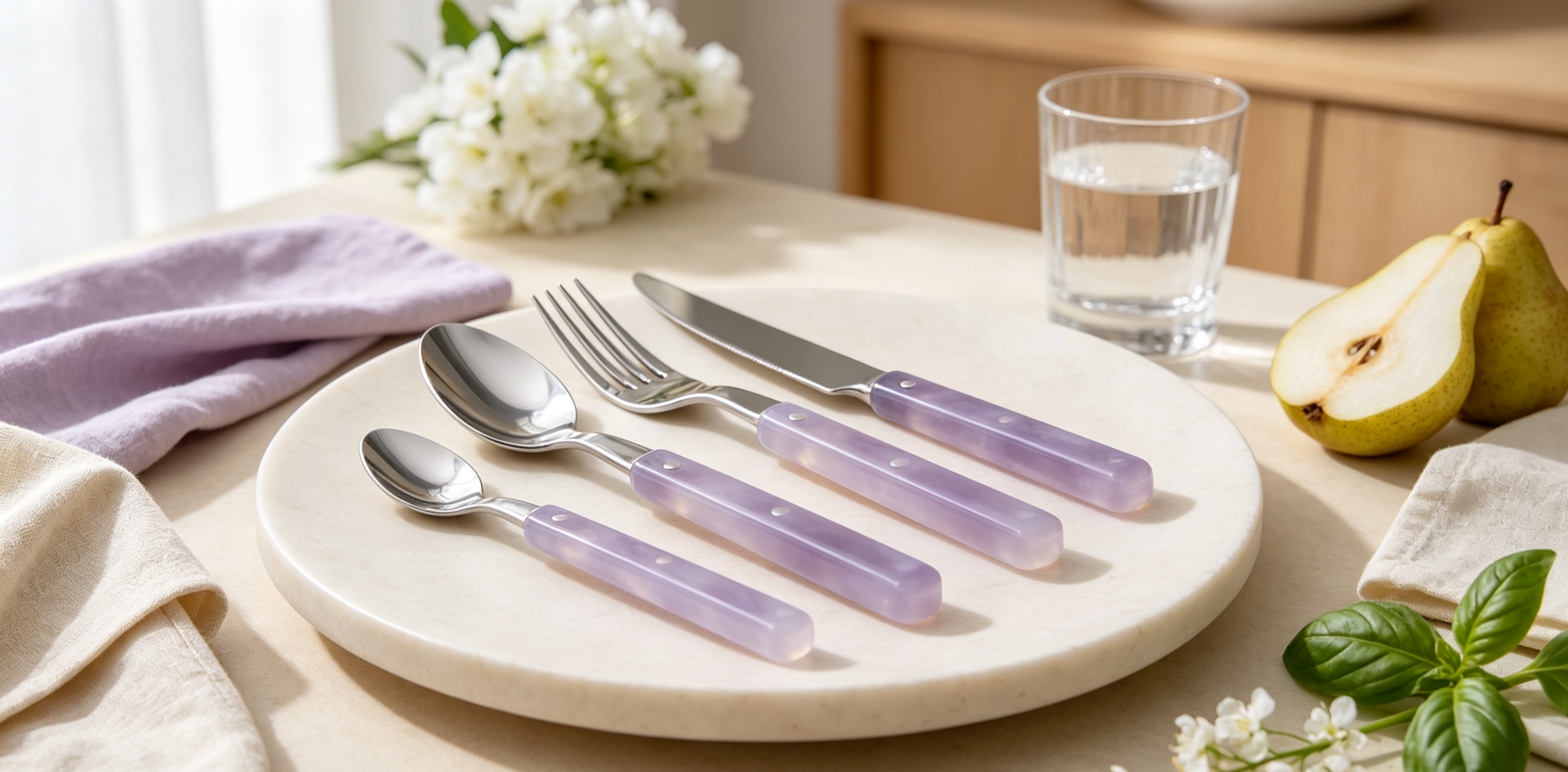
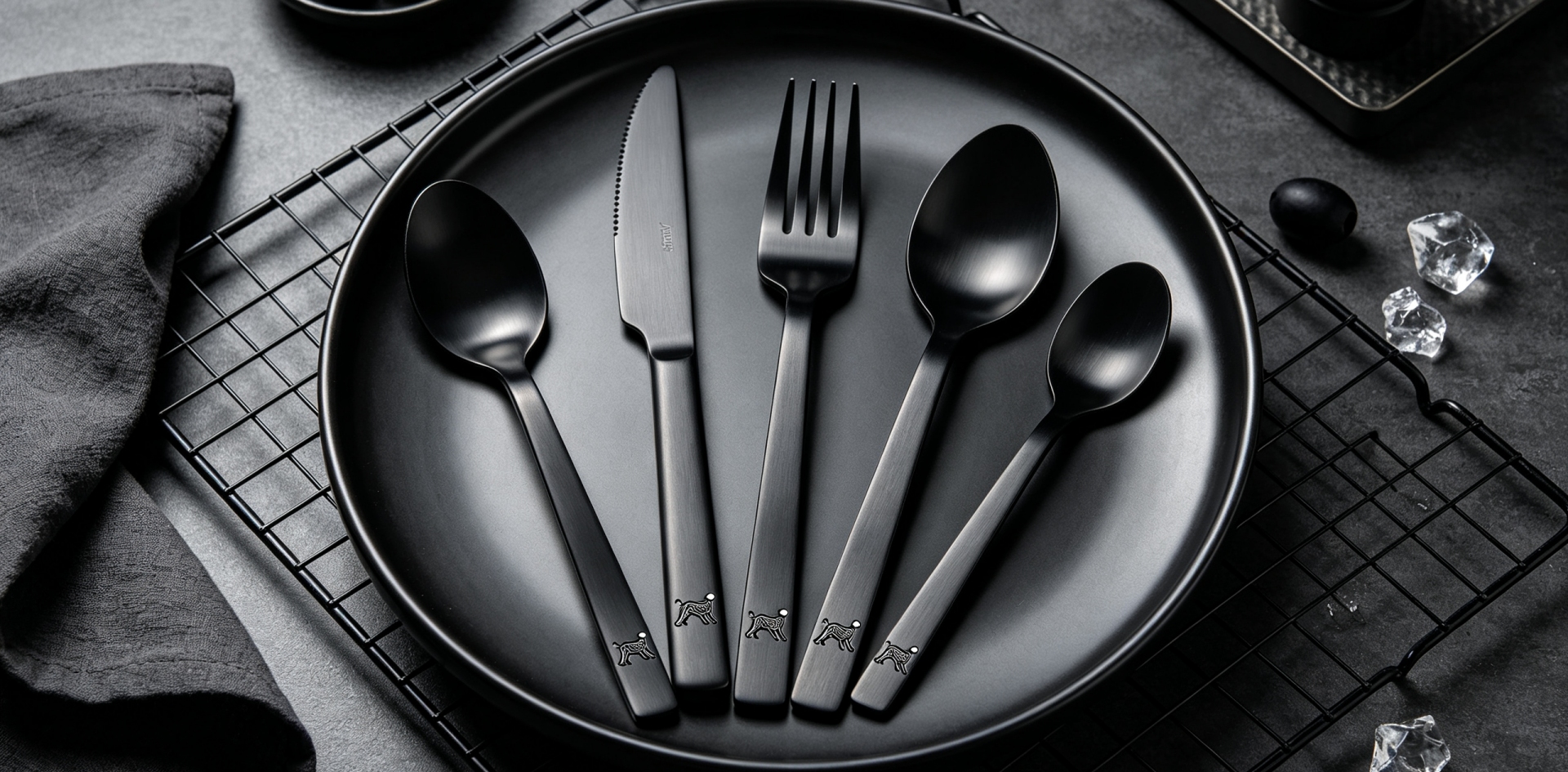
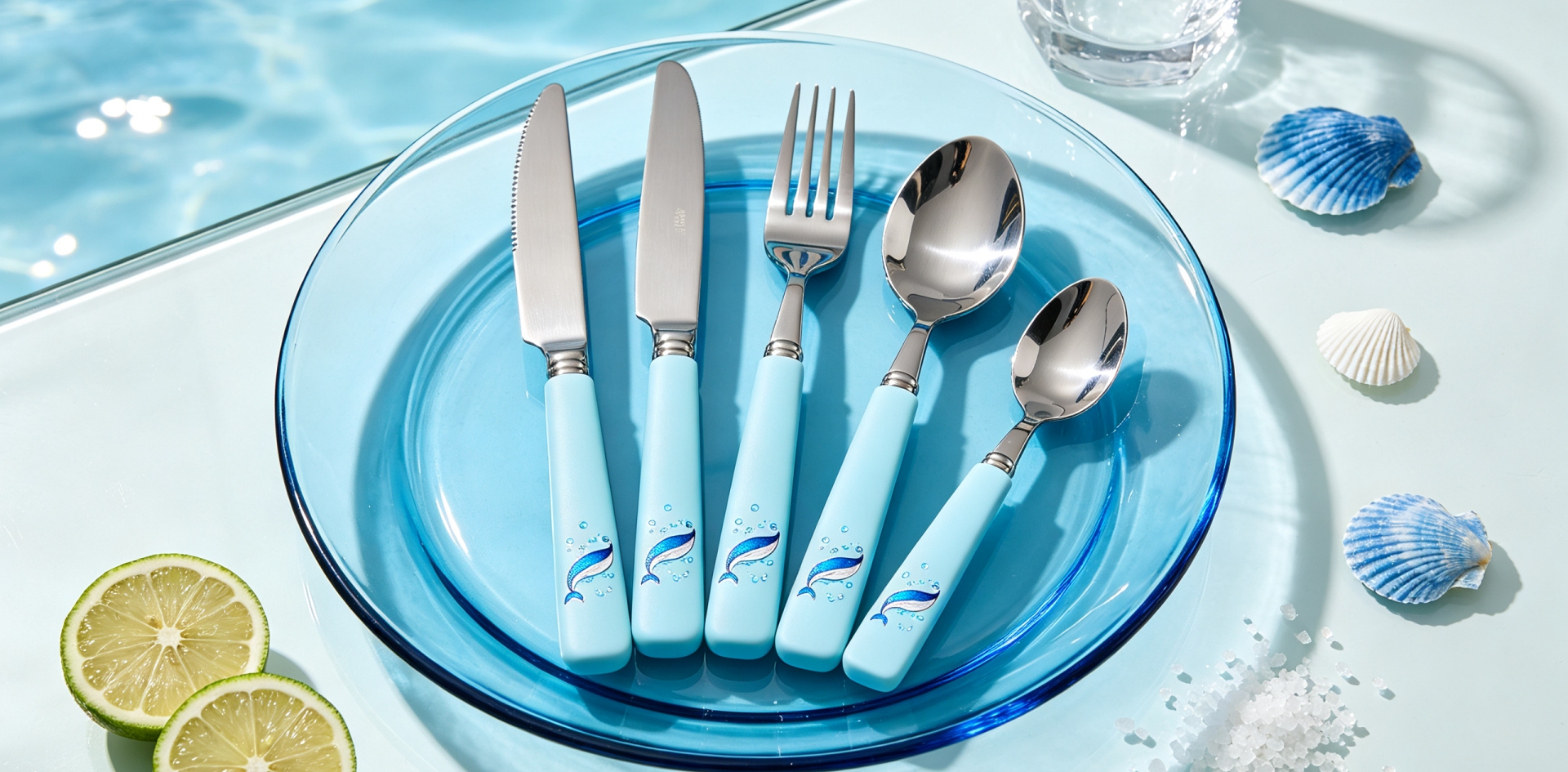
Restaurants and hotels often purchase complete cutlery programs containing spoons, forks and knives. The visual relationship between these pieces can have a strong effect on the overall table presentation.
Important details include:
-
Handle shape
-
Handle thickness
-
Overall proportions
-
Surface finish
-
Visual weight
-
Edge design
-
Decorative details
A spoon that looks attractive by itself may not work well with an existing cutlery collection.
For this reason, hospitality buyers should evaluate the complete set whenever possible.
Design Should Support the Dining Experience
Tableware is part of the customer experience.
A spoon should feel natural in the hand and have proportions that match its intended use. A handle that is too thin, too heavy or poorly balanced may affect the user's perception of quality.
Restaurant buyers should therefore evaluate more than appearance.
During sample approval, consider:
-
How the spoon feels in the hand
-
Whether the handle is comfortable
-
Whether the bowl size is appropriate
-
Whether the spoon feels balanced
-
Whether the shape matches the dining style
-
Whether it complements the other cutlery
Small design details can make a noticeable difference when the same product is used throughout a restaurant or hotel operation.
Different Hospitality Concepts Need Different Styles
One of the advantages of stainless steel cutlery is the wide range of design possibilities.
A modern café may prefer minimalist lines and a simple polished surface.
A contemporary restaurant may choose a combination of clean geometry and a distinctive handle.
A traditional hotel may prefer a classic design with more decorative details.
Luxury hospitality projects may focus on premium proportions, carefully controlled finishing and a coordinated tableware appearance.
For B2B buyers, this creates opportunities to select or develop stainless steel spoon designs according to the identity of the customer.
Consider the Complete Table Setting
A restaurant table is a visual composition.
The spoon should work with plates, glasses, napkins and other cutlery. Even small differences in proportions can affect the appearance of the complete setting.
When developing a hospitality collection, buyers can compare:
-
Spoon length
-
Handle proportions
-
Finish
-
Visual thickness
-
Knife and fork coordination
-
Overall collection style
This is particularly useful for hotel groups and restaurant chains that want a consistent appearance across multiple locations.
Commercial Use Requires Practical Product Selection
Foodservice operations need products that are practical as well as attractive.
A restaurant may purchase hundreds or thousands of pieces, depending on its size and operating model. Hotels may require additional inventory to support breakfast, lunch, dinner, events and replacement needs.
Therefore, buyers should think about the product beyond the initial order.
Useful considerations include:
-
Frequency of use
-
Number of dining seats
-
Number of daily service periods
-
Replacement requirements
-
Storage capacity
-
Expansion plans
-
Matching products for future orders
A well-planned product program can make future replenishment much easier.
Restaurants, Hotels and Catering Buyers Have Different Needs
Although these industries all use commercial cutlery, their purchasing priorities can differ.
Restaurants may focus strongly on table presentation and menu-specific applications.
Hotels may need a broader collection that works across breakfast, room service, restaurants, banquets and events.
Catering companies may prioritize practical designs that can be used across different venues and occasions.
Institutional buyers may place greater emphasis on consistency and operational efficiency.
For suppliers, understanding the customer's business model makes it easier to recommend a suitable stainless steel spoon instead of offering only a standard product.
Working With a B2B Manufacturer
For hospitality projects, communication between the buyer and manufacturer is especially important.
The buyer should be able to communicate the intended application, design preference, estimated quantity and target market. The manufacturer can then develop or recommend a suitable product configuration.
Homefelt focuses on stainless steel cutlery manufacturing and international B2B supply, supporting customers across different tableware applications.
For hospitality distributors and importers, an experienced manufacturer can also provide more flexibility when a project requires coordinated spoons, forks and knives rather than a single standalone item.
Planning a Hospitality Cutlery Program
A restaurant or hotel cutlery project can be easier to manage when the purchasing process is divided into clear stages.
Step 1: Define the Application
Determine whether the spoon is intended for general dining, dessert, beverages or another specific use.
Step 2: Select the Design
Compare handle styles, proportions and finishes with the customer's existing tableware.
Step 3: Approve Samples
Check appearance, comfort, balance and coordination with other cutlery.
Step 4: Establish the Collection
Confirm matching spoons, forks and knives where required.
Step 5: Plan Quantities
Estimate the number of pieces required for daily operations, backup inventory and future replacement.
This approach gives buyers a clearer framework for managing larger hospitality projects.
How Importers Can Add Value
For distributors and importers, offering more than a basic spoon can create additional value.
Instead of selling a single generic product, suppliers can build collections around different hospitality concepts.
For example:
-
Classic hotel collection
-
Modern restaurant collection
-
Minimalist café collection
-
Premium dining collection
-
Catering-focused collection
Each collection can use coordinated spoon, fork and knife designs while targeting a specific customer group.
This makes it easier for distributors to present products to restaurants and hospitality businesses.
Conclusion
A stainless steel spoon for restaurants and hotels needs to combine appearance, comfort and practical performance. The best choice depends on the dining concept, menu, table setting and operating environment.
For B2B buyers, the selection process should begin with the customer's actual requirements rather than simply choosing the lowest-cost product. Design coordination, user comfort, collection consistency and future replenishment can all influence the success of a hospitality tableware program.
With the right specification and manufacturing partner, stainless steel spoons can become a reliable part of a restaurant, hotel or foodservice cutlery collection while supporting a consistent dining experience.
You May Be Interested In
Stainless Steel Cutlery Manufacturer for Wholesalers & Distributors
How Stainless Steel Flatware Is Made: Manufacturing Process Guide
Related Article