Stainless Steel Spoon Retail Packaging for B2B Product Programs
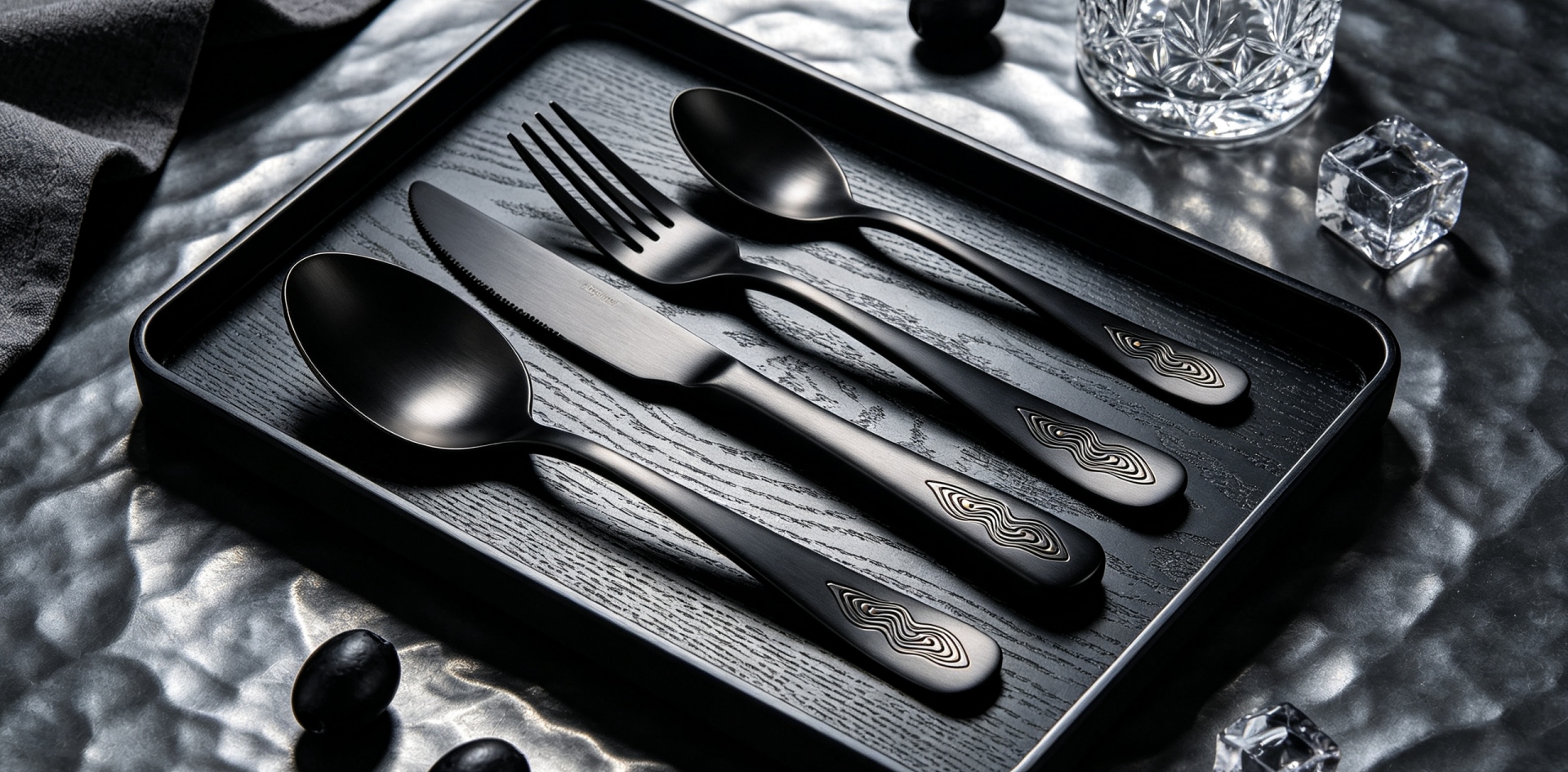
Stainless Steel Spoon Retail Packaging for B2B Product Programs
Retail packaging influences how stainless steel spoons are presented, identified and handled throughout the supply chain. For importers, distributors and private label brands, the right packaging format should protect the product, communicate essential information and fit the requirements of the intended sales channel.
A spoon sold individually may need a different presentation from a multi-piece set or a coordinated flatware collection. Packaging decisions therefore work best when they are made alongside product selection, pricing and distribution planning.
Homefelt factory supplies stainless steel cutlery, including spoons, forks, knives and coordinated flatware sets. For B2B projects, buyers can discuss packaging requirements together with product specifications to establish a consistent plan for customized and wholesale orders.
Choose Packaging According to the Sales Channel
The first step is to identify where and how the spoon will be sold. Packaging that suits a specialty tableware retailer may not be appropriate for a high-volume supermarket program or an online product listing.
For retail shelves, buyers may want packaging that makes the product easy to identify and compare. For online orders, packaging may need to provide additional protection during parcel handling. For wholesale distribution, efficient storage and straightforward carton identification may be more important.
Before selecting a format, clarify the intended channel, target price position, number of pieces per pack and any retailer-specific requirements. These details help narrow the packaging options and avoid unnecessary design work.
1. Individual Spoons and Multi-Piece Packs
Individual packaging can be useful when customers purchase replacement utensils or select specific spoon types. It allows each item to be identified separately, provided that the product label and presentation are appropriate for the retail environment.
Multi-piece packs can offer a convenient way to sell matching spoons or build a coordinated collection. However, the number of pieces should be clearly stated, and the packaging should accurately reflect the contents.
For a mixed cutlery set, identify which spoon models and other utensils are included. Avoid relying only on a photograph of the full collection if some pictured pieces are not part of the actual pack.
Buyers should also consider whether the pack configuration supports their inventory system. Different piece counts or combinations may require separate product codes and carton records.
2. Protect the Surface Without Overcomplicating the Pack
Stainless steel spoons can develop visible scratches or surface marks if they rub against other utensils during handling and transport. The level of protection required depends on the finish, the packaging format and the expected distribution conditions.
Possible approaches include individual sleeves, separators, protective wrapping or structured inserts within a retail box. The appropriate solution should be confirmed through practical evaluation rather than selected solely because it looks attractive.
Mirror-polished surfaces may show scratches more readily than some other finishes, so buyers should pay attention to separation between pieces and the way products are placed inside the pack.
For a new packaging format, review a packed sample and check whether the spoons remain secure during ordinary handling. Any final protection requirements should be documented so they can be repeated in subsequent orders.
3. Make the Product Easy to Identify
Clear product identification helps retailers, warehouse teams and purchasing departments distinguish similar items. Packaging information should correspond to the actual product and its approved specifications.
Depending on the market and sales channel, relevant details may include:
-
Product name and model number.
-
Number and type of pieces included.
-
Material information where applicable.
-
Finish or design variant.
-
Brand name and logo.
-
Barcode or other required product identifier.
-
Origin and other information required for the destination market.
Not every package needs every field. Buyers should confirm the applicable requirements for their product category and destination before final artwork approval.
Product codes should remain consistent across packaging artwork, specification sheets, quotations and purchase orders. This reduces the risk of confusing similar spoon models during ordering and replenishment.
4. Design Packaging Around the Brand
For private label programs, packaging is part of the product's brand presentation. Typography, color, imagery and layout should work with the intended market position rather than compete with the spoon itself.
A simple design may be suitable for a value-oriented range, while a gift-oriented collection may require a more distinctive box or insert. These choices should reflect the brand's customer profile and target price.
When preparing artwork, confirm the dimensions of the final pack and the available printing area. Check the logo size, text legibility, product images and placement of required information before approving production files.
If the collection includes several spoon models, consider creating a consistent packaging system with clear differences between variants. This helps maintain brand recognition while allowing customers to identify the specific product they need.
Homefelt can discuss customized packaging as part of OEM/ODM cutlery projects. Packaging material, printing, inserts, artwork preparation and production arrangements should be confirmed according to the project requirements.
5. Consider Shelf Presentation and Product Visibility
The package should help the buyer understand what is being offered. Depending on the format, this may be achieved through product photography, a visible product window or a clean illustration of the included items.
Images should represent the actual spoon design and finish as accurately as possible. If a photograph shows a complete set, the package should clearly identify whether all pictured pieces are included.
For retail programs with multiple designs, consistent placement of product names and model information makes the assortment easier to navigate. Retail buyers can also assess whether package dimensions and display arrangements fit their available shelf space.
Where packaging includes a window or exposed product area, consider whether the design still provides sufficient protection during storage and transport.
6. Plan Cartons for Distribution
Retail packaging must also work within the outer shipping carton. The number of retail packs per carton, carton dimensions, gross weight and stacking arrangement can affect warehouse handling and transportation planning.
Before confirming a bulk order, ask the supplier to provide the proposed carton configuration. If packaging dimensions change during development, the outer carton plan may need to be reviewed as well.
For export orders, the buyer and supplier should confirm the applicable carton markings, shipping information and handling requirements. These details should match the agreed shipping documents and the actual contents.
A packaging plan that works for retail presentation but wastes excessive shipping space may increase logistics costs. The goal is to balance product protection, shelf presentation and efficient distribution.
7. Approve Packaging Before Mass Production
Packaging artwork and physical packaging samples should be reviewed before bulk production when the project requires customized retail presentation.
Check that the correct product name, logo, barcode, piece count and model reference are shown. Verify dimensions and confirm that the spoon fits securely within the proposed packaging.
For printed materials, review colors, text alignment and image quality against the approved artwork. For inserts and protective components, confirm that the materials and arrangement match the agreed specification.
Keep a record of the approved artwork version and packaging sample. If a later order uses revised branding or a different pack configuration, identify the changes explicitly before production begins.
Develop a Coordinated Packaging Plan With Homefelt
Homefelt factory supports B2B buyers sourcing stainless steel spoons and coordinated cutlery products for wholesale and private label programs. Buyers can share the intended sales channel, pack quantity, brand requirements, target packaging budget and destination market to begin evaluating suitable options.
Depending on the project, Homefelt can coordinate product selection, customization, packaging and transportation planning as part of a one-stop service. Product specifications, packaging details, quantities and schedules should be confirmed for the individual order.
For product information or a quotation, email ingrid@homefelt.net. Providing a reference package, draft artwork or example of the intended retail presentation can help clarify the project and make the next discussion more productive.
You May Be Interested In
Stainless Steel Spoon Weight Consistency in Bulk Production
Stainless Steel Spoon Handle Design: Grip, Balance and Practical Use
Related Article