
Sustainable Stainless Steel Cutlery for B2B Brands
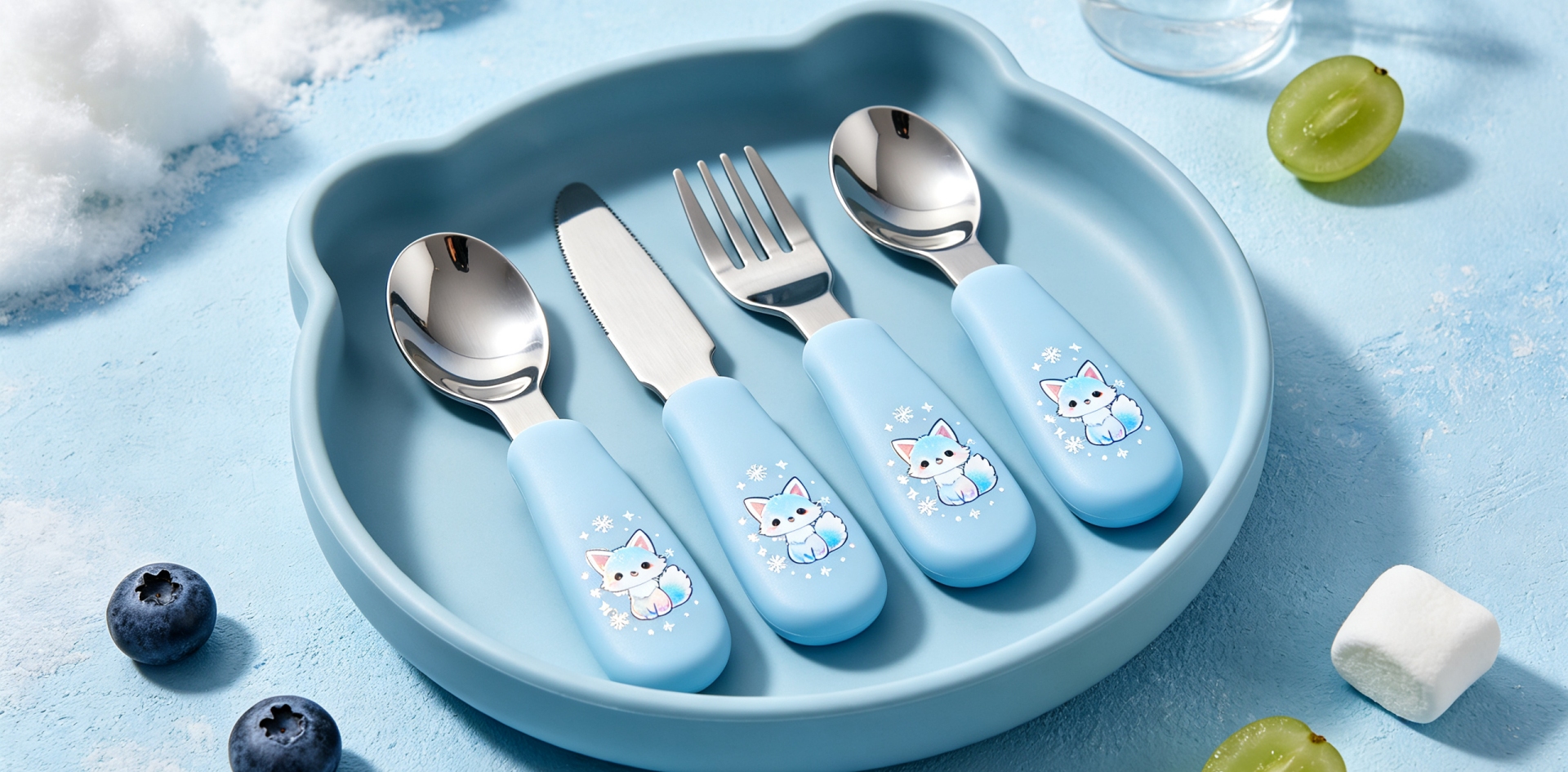
Sustainable Stainless Steel Cutlery for B2B Brands
Sustainability is becoming an increasingly important consideration when businesses develop new product ranges. For B2B buyers sourcing stainless steel knives, forks and spoons, the decision is no longer based only on appearance and purchase price. Material durability, product lifespan, packaging choices and long-term supply can also influence how a cutlery collection fits into a brand's overall product strategy.
Stainless steel is already widely used for reusable cutlery because it is designed for repeated use. For wholesalers, distributors, retailers and private label brands, this creates an opportunity to develop stainless steel flatware collections that combine practical performance with a more considered approach to product sourcing.
Why Stainless Steel Is Relevant to Sustainable Cutlery Programs
The basic value of stainless steel cutlery comes from its reusable nature.
Unlike disposable tableware, stainless steel knives, forks and spoons are designed to be used repeatedly. A well-developed cutlery collection can therefore remain in circulation for a long period instead of being treated as a single-use product.
For B2B customers, this makes stainless steel flatware suitable for many different product programs, from hospitality supply and retail collections to private label household ranges.
The sustainability value of a product should not be considered separately from its expected service life. A durable stainless steel spoon or fork that remains useful over many years represents a different purchasing proposition from a product designed for short-term use.
For this reason, material selection and product development can both play a role in building a more responsible cutlery range.
Recyclability and Stainless Steel Flatware
Another important characteristic of stainless steel is its recyclability.
At the end of a product's useful life, stainless steel can enter recycling systems rather than simply becoming waste. The actual recycling process depends on local collection and recycling infrastructure, so buyers should consider the requirements of their target market when making sustainability claims.
For B2B brands, this means stainless steel can be part of a product strategy that considers the complete life cycle of the cutlery.
However, responsible communication is important. A manufacturer should provide factual information about the product and materials rather than making broad environmental claims that cannot be supported.
This approach can help brands communicate their stainless steel cutlery range more accurately to distributors, retailers and end customers.
Long Product Life and B2B Purchasing
For a professional buyer, durability can have both product and business value.
A restaurant supplier, retailer or distributor may prefer products that can remain in a collection for an extended period. Long-term product availability can also make it easier to replenish existing inventory.
When a stainless steel cutlery collection remains relevant for several years, the buyer may not need to redesign the range frequently.
This can support a more stable product strategy for wholesalers and private label brands.
For manufacturers, understanding the customer's long-term plans is therefore useful when developing custom stainless steel knives, forks and spoons.
Sustainable Product Development Starts with the Product Brief
Sustainability does not have to be treated as a separate stage after the product has already been designed.
It can be considered when the buyer first discusses the product with the stainless steel cutlery factory.
For example, a customer may want a reusable cutlery set with a practical design, a long service life and a packaging solution suitable for its target market. These requirements can be discussed together during product development.
A clear product brief can help the factory understand which factors are important to the customer.
For OEM and ODM projects, this is particularly useful because the manufacturer can discuss material, product structure, finish, packaging and other requirements before production is finalized.
Sustainable Stainless Steel Cutlery for Private Label Brands
Private label brands often have greater control over how their products are positioned.
A brand developing a stainless steel flatware collection may want to communicate durability, reusability and responsible material choices as part of its product story.
In this situation, the manufacturer needs to understand not only the appearance of the product but also the brand's overall requirements.
The same stainless steel cutlery factory may manufacture different collections for different markets, so customization allows the product to be adapted to the customer's intended positioning.
A private label collection can include coordinated knives, forks and spoons while maintaining a consistent product concept across the range.
This gives brands an opportunity to build a product line that is practical, recognizable and aligned with their own market strategy.
The Role of Packaging in Sustainable Cutlery Projects
Although the stainless steel product itself is the main focus, packaging can also be considered during a B2B sustainability project.
Different customers have different requirements. A retail brand may need individual product presentation, while a wholesaler may prioritize efficient bulk packing. Another customer may require a gift-oriented cutlery set with a more specialized presentation.
There is no single packaging solution suitable for every business.
A one-stop stainless steel cutlery factory can discuss packaging together with the product instead of treating it as a completely separate purchasing process.
Homefelt can work with customers according to their individual project requirements and coordinate product customization, design, packaging and transportation as part of an integrated service.
This allows the customer to consider the complete supply solution rather than managing every stage with a different supplier.
Sustainability and Long-Term Supplier Relationships
A sustainable product program is easier to manage when the supplier relationship is also designed for long-term cooperation.
A buyer may begin with one stainless steel cutlery set and later add new spoons, forks or knives to the collection. If the supplier understands the brand's product direction, future development can be discussed within the context of the existing range.
For wholesalers and distributors, long-term cooperation can also make it easier to expand the product assortment according to market demand.
For private label customers, the factory can continue supporting new product development as the brand grows.
This is why B2B sourcing should not always be viewed as a single transaction. The right manufacturing relationship can become part of the customer's long-term product development strategy.
What B2B Buyers Should Discuss with a Factory
When developing a sustainable stainless steel cutlery project, buyers can provide the factory with clear information about their expectations.
Useful information may include the intended market, product types, estimated order volume, desired material specifications, product design, packaging requirements and target positioning.
If sustainability is an important part of the project, buyers should also explain which specific aspects matter to them.
For example, one customer may focus on reusable products and long service life. Another may be interested in recyclable materials or packaging reduction. A third may simply want to develop a durable product line that can remain in its catalog for many years.
The factory can then discuss the practical manufacturing options according to the customer's actual situation.
Homefelt: One-Stop Stainless Steel Cutlery Manufacturing
Homefelt factory focuses on stainless steel knives, forks, spoons and complete cutlery sets for B2B customers.
We provide OEM, ODM and private label manufacturing for wholesalers, distributors, importers, retailers and brands. Customers can discuss their product concepts with us and develop customized stainless steel cutlery according to their market and business requirements.
Our one-stop service can include product design, customization, packaging, transportation and other related support. Instead of applying one fixed solution to every customer, we can discuss the project requirements and develop a suitable service package according to the customer's situation.
For businesses building a long-term product range, this approach can help connect product development with manufacturing and supply.
We also believe that cooperation should develop together with our customers. As a customer's product range grows, new stainless steel knives, forks, spoons and cutlery sets can be developed around the existing business direction.
If you are planning a new sustainable stainless steel flatware collection, the first step is to clearly define what sustainability means for your particular market and product.
Once these requirements are understood, the manufacturer can discuss suitable materials, product designs, packaging and manufacturing solutions.
Stainless Steel Cutlery Lifecycle Planning for B2B Brands
Stainless Steel Cutlery Production Changeover for B2B Orders
Related Article



