
what do you use to clean silver cutlery
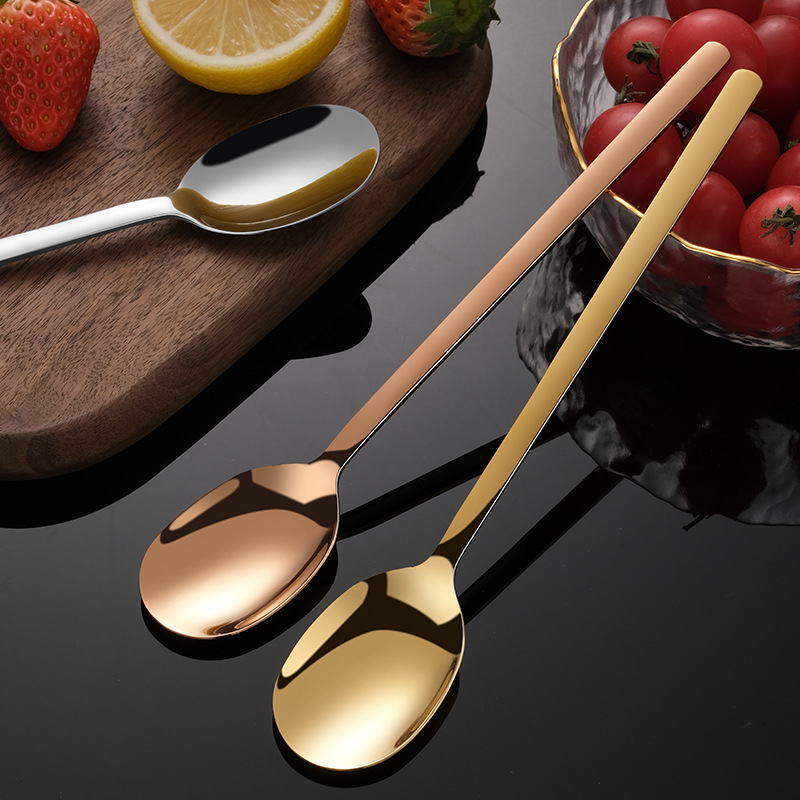
what do you use to clean silver cutlery
Silver cutlery has long been associated with elegance, luxury, and refined dining culture. Whether used in family celebrations, fine dining restaurants, hotels, or formal gatherings, silver utensils create a timeless impression that reflects sophistication and tradition. However, silver products require proper maintenance to preserve their beauty and prevent tarnishing. Many consumers therefore ask an important question: what do you use to clean silver cutlery? The answer depends on the level of tarnish, the type of silver finish, and the cleaning method preferred by the user.
Silver cutlery naturally reacts with sulfur compounds in the air, leading to tarnish that appears as dark discoloration on the surface. This reaction is completely normal and does not necessarily indicate poor quality. Proper cleaning and storage can restore the shine and maintain the elegant appearance of silver utensils for many years. Both household users and professional hospitality businesses rely on specialized cleaning methods to keep silverware in excellent condition.
Professional manufacturers such as Homefelt understand the importance of durability and long-term product care. With over thirty years of manufacturing experience in stainless steel products, kitchenware, barbecue tools, pet bowls, and children’s tableware, Homefelt recognizes that customers value not only attractive designs but also practical maintenance solutions. Quality production standards help ensure dining accessories remain visually appealing even after repeated use and cleaning.
One of the most common methods for cleaning silver cutlery is using a dedicated silver polish cream or liquid. These products are specifically formulated to remove tarnish while protecting delicate silver surfaces. A soft cloth is usually used to gently apply the polish in circular motions before buffing the cutlery to restore its shine. Professional silver polishing products are widely preferred because they are designed to minimize scratching and maintain surface smoothness.
Another traditional cleaning method involves baking soda and aluminum foil. In this process, silver cutlery is placed in a container lined with aluminum foil, then covered with hot water and baking soda. A chemical reaction transfers tarnish from the silver onto the aluminum, helping restore brightness naturally. This method is popular among households because it is inexpensive and relatively simple.
Consumers searching for kamin besteck edelstahl often appreciate elegant metallic finishes and coordinated home accessories. Fireplace tools, serving utensils, and dining products all require proper maintenance to preserve their appearance. Whether dealing with stainless steel or silver-plated cutlery, regular cleaning and careful storage are essential for maintaining product value and presentation quality.
Mild dish soap and warm water can also be used for routine cleaning of lightly tarnished silverware. After washing, the utensils should be dried immediately with a soft cloth to prevent water spots and oxidation. Silver products should never be left wet for long periods because moisture accelerates tarnishing.
Improper dishwasher use is one reason silverware can become damaged or discolored. Some detergents contain harsh chemicals that react with silver surfaces, causing dullness or dark staining. This is why many consumers searching for ikea besteck angelaufen are concerned about tarnish problems caused by dishwashing conditions. High heat, mineral-rich water, and aggressive cleaning agents can all affect metallic finishes if products are not properly maintained.
At Homefelt, manufacturing quality is supported through strict inspection standards covering polishing consistency, edge smoothness, corrosion resistance, and structural durability. The company understands that consumers expect tableware products to remain attractive and functional over long periods of use. Attention to detail during production contributes significantly to easier maintenance and better long-term performance.
Storage conditions also influence silver cutlery maintenance. Exposure to humidity, air pollution, and sulfur-containing materials accelerates tarnishing. Many people therefore store silver utensils in anti-tarnish cloth bags, lined boxes, or protective storage drawers to reduce oxidation. Organized storage systems also help prevent scratching and physical damage.
Another important consideration is whether the cutlery is solid silver, sterling silver, or silver-plated. Silver-plated products require gentler cleaning because excessive polishing can gradually wear away the silver coating. Solid silver products are generally more durable but still require careful handling to maintain their polished appearance.
The hospitality industry places great emphasis on cutlery appearance because guests often associate polished utensils with cleanliness and professionalism. Hotels, luxury restaurants, and banquet venues frequently maintain dedicated polishing routines to ensure silverware always looks flawless. Bright, reflective cutlery enhances dining presentation and contributes to a premium customer experience.
Consumers interested in topics like besteck falsch herum halten are often also exploring dining etiquette and proper table presentation. Silver cutlery has historically been linked with formal dining traditions, making correct utensil handling and elegant presentation important aspects of hospitality culture.
Modern silver cleaning products have become more advanced in recent years. Non-abrasive formulas help protect delicate finishes while effectively removing tarnish. Some products also include protective coatings designed to slow future oxidation. Buyers should always follow manufacturer recommendations to avoid damaging decorative details or specialized coatings.
Ultrasonic cleaning systems are sometimes used by professional hospitality businesses and collectors to clean intricate silverware patterns. These machines use high-frequency sound waves to remove dirt and residue from hard-to-reach areas. However, delicate antique pieces may still require careful hand polishing by experienced professionals.
Environmental awareness has also influenced cleaning product development. Many consumers now seek eco-friendly silver cleaning solutions that reduce harsh chemical usage while still delivering effective results. Natural cleaning ingredients such as baking soda, vinegar, and lemon juice are increasingly popular for household maintenance routines.
The emotional value of silver cutlery is another reason people invest time in proper cleaning and care. Many silverware collections are family heirlooms passed through generations. Maintaining their appearance preserves not only financial value but also sentimental significance connected to family traditions and celebrations.
At Homefelt, product reliability is supported by decades of manufacturing expertise and a strong understanding of modern consumer expectations. Whether producing kitchen accessories, serving utensils, or household dining products, the company prioritizes durability, usability, and consistent finishing quality.
As global dining culture continues evolving, consumers increasingly seek products that combine beauty with practicality. Silver cutlery remains highly valued because it creates an elegant dining atmosphere while reflecting timeless craftsmanship. Proper cleaning techniques help preserve this beauty and extend product lifespan for many years.
The answer to what do you use to clean silver cutlery therefore includes several effective methods such as silver polish creams, baking soda treatments, mild soap washing, and careful hand drying. The best method depends on the condition of the utensils and the specific type of silver finish involved. Regular maintenance and proper storage remain the key factors in keeping silverware attractive and functional.


how to fold cutlery in napkin
a cutlery sentence flatware
Related Article



