What Is Stainless Steel Flatware A Complete Buyer s Guide for Quality Grades and Manufacturers
What Is Stainless Steel Flatware? A Complete Buyer’s Guide for Quality, Grades, and Manufacturers
What Is Stainless Steel Flatware? A Complete Buyer’s Guide for Quality, Grades, and Manufacturers
Introduction
Stainless steel flatware has become the preferred choice for homes, restaurants, hotels, catering companies, and retail brands around the world. Known for its durability, corrosion resistance, elegant appearance, and cost-effectiveness, it remains one of the most popular tableware categories in the global dining industry.
For importers, wholesalers, retailers, and private-label brands, understanding the different types of stainless steel flatware, material grades, manufacturing processes, and quality standards is essential when selecting products for the market. A well-designed flatware collection not only enhances the dining experience but also reflects the quality and reputation of a brand.
This comprehensive guide explains everything buyers need to know about stainless steel flatware, from material selection to supplier evaluation, helping businesses make informed purchasing decisions.
What Is Stainless Steel Flatware?
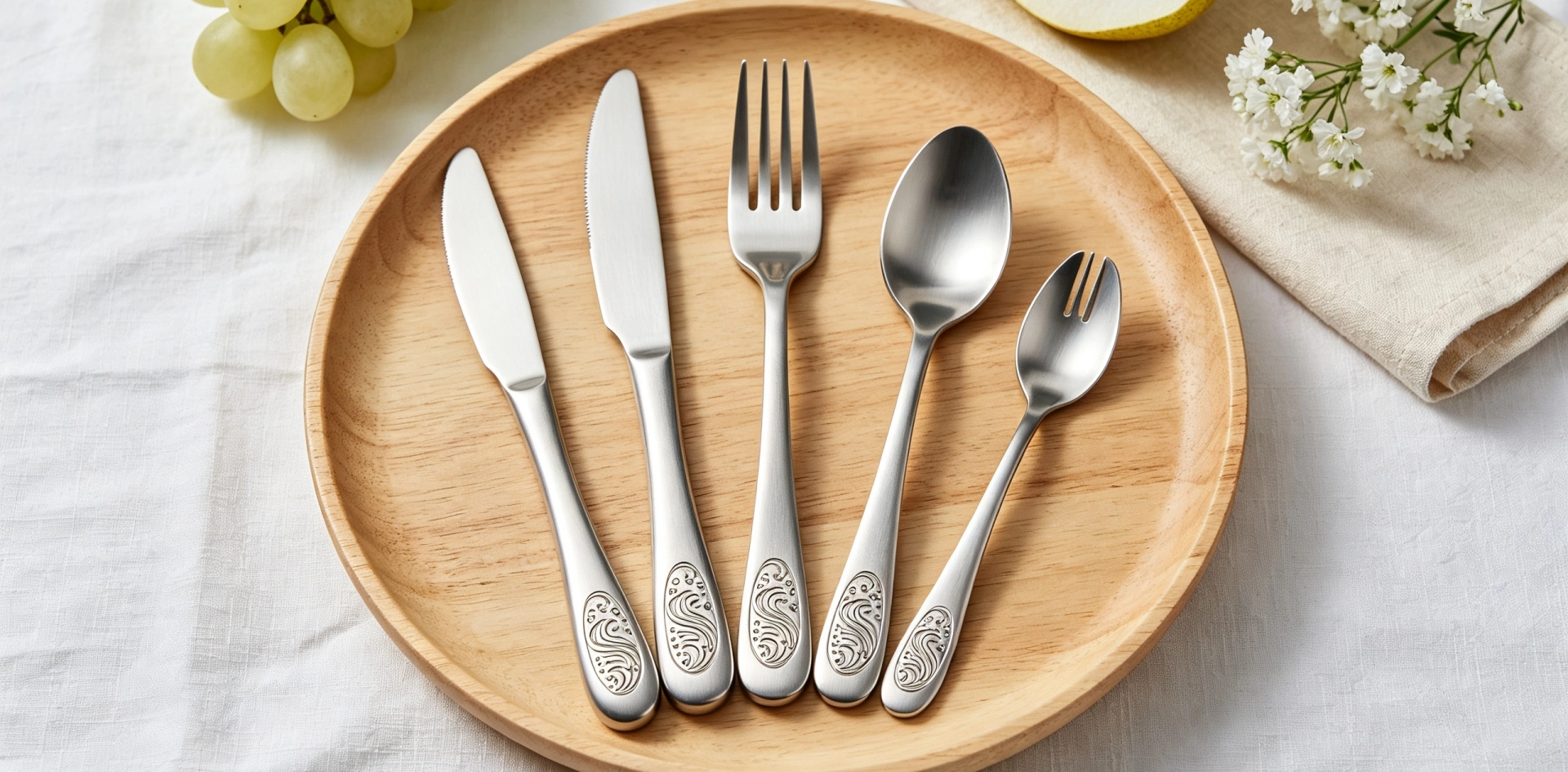
Stainless steel flatware refers to dining utensils made from stainless steel, including forks, knives, spoons, serving utensils, and specialty dining pieces. These products are designed for daily use and are valued for their strength, hygiene, and resistance to rust and staining.
Unlike silver-plated or pure silver utensils, stainless steel offers a practical balance between appearance and performance. Modern consumers appreciate its long lifespan, easy maintenance, and affordability.
A standard stainless steel flatware set may include:
Dinner forks
Dinner knives
Tablespoons
Teaspoons
Salad forks
Dessert spoons
Serving utensils
Today, manufacturers produce flatware in various styles, finishes, and designs to meet the needs of residential consumers, restaurants, hotels, and commercial buyers.
Why Stainless Steel Flatware Is Popular Worldwide
The global popularity of stainless steel flatware is driven by several advantages.
Excellent Corrosion Resistance
Stainless steel contains chromium, which forms a protective layer on the surface. This layer helps prevent rust and corrosion even when utensils are exposed to moisture and food acids.
Long Service Life
High-quality flatware can remain functional and attractive for many years. This durability makes it a cost-effective solution for both households and commercial establishments.
Easy Maintenance
Most stainless steel flatware is dishwasher safe and requires minimal maintenance. Unlike silverware, it does not require regular polishing.
Attractive Appearance
Manufacturers can create a variety of finishes, including mirror polish, satin finish, brushed finish, and matte finish, allowing brands to target different market segments.
Hygienic Properties
The non-porous surface of stainless steel prevents bacteria from penetrating the material, making it a safe option for food contact applications.
Understanding Stainless Steel Grades
One of the most important factors when purchasing stainless steel flatware is understanding the material grade.
18/10 Stainless Steel Flatware
18/10 stainless steel contains:
18% chromium
10% nickel
Advantages include:
Superior corrosion resistance
Premium shine
Enhanced durability
Luxury appearance
This grade is commonly used in high-end hotels, fine dining establishments, and premium retail collections.
18/8 Stainless Steel Flatware
18/8 stainless steel contains:
18% chromium
8% nickel
Benefits include:
Excellent rust resistance
Attractive appearance
Strong durability
Competitive pricing
Many mid-range and premium brands choose this material for its balance between quality and cost.
18/0 Stainless Steel Flatware
18/0 stainless steel contains:
18% chromium
0% nickel
Advantages include:
Lower production cost
Magnetic properties
Suitable for mass-market applications
This material is frequently used for budget-friendly collections, institutional dining, and high-volume retail programs.
Types of Stainless Steel Flatware
The market offers a wide range of stainless steel flatware styles designed for different customer needs.
Everyday Flatware
Designed for daily household use, these products focus on functionality, comfort, and affordability.
Restaurant Flatware
Commercial-grade flatware emphasizes durability, consistent quality, and resistance to heavy usage.
Hotel Flatware
Hotel collections often feature sophisticated designs and premium finishes that complement luxury dining environments.
Modern Flatware
Modern designs emphasize minimalist aesthetics, clean lines, and contemporary finishes.
Vintage Flatware
Vintage-inspired collections feature decorative handles, embossed patterns, and classic styling.
Custom Flatware
Private-label brands frequently develop custom designs to differentiate themselves from competitors and strengthen brand identity.
How Stainless Steel Flatware Is Manufactured
The manufacturing process directly influences the quality and performance of stainless steel flatware.
Material Selection
Production begins with the selection of high-quality stainless steel sheets or coils. Material consistency is critical for achieving reliable product performance.
Blanking
The raw material is stamped into the basic shape of forks, spoons, and knives.
Forming
Advanced machinery shapes the products into their final dimensions and contours.
Heat Treatment
Heat treatment improves hardness, strength, and durability, especially for knife blades.
Grinding and Polishing
Multiple polishing stages create the desired surface finish, whether mirror polished, brushed, or satin.
Surface Finishing
Manufacturers may apply additional treatments such as:
Mirror polishing
Stone washing
Titanium coating
PVD coloring
Sandblasting
Quality Inspection
Every production batch undergoes inspection for:
Dimensions
Weight consistency
Surface quality
Material composition
Packaging integrity
How to Evaluate Flatware Quality
For importers and distributors, evaluating quality is essential before placing large orders.
Material Grade
Always verify the stainless steel grade used in production.
Weight and Balance
Premium stainless steel flatware typically feels solid and balanced in the hand.
Surface Finish
Examine products for scratches, polishing marks, discoloration, or uneven surfaces.
Edge Finishing
Fork tines and spoon edges should be smooth and comfortable to use.
Corrosion Resistance
Reliable suppliers conduct corrosion resistance testing to ensure product durability.
Packaging Quality
Proper packaging protects products during transportation and improves customer satisfaction.
Common Mistakes When Buying Flatware
Many buyers make avoidable mistakes when sourcing stainless steel flatware.
Focusing Only on Price
Choosing the lowest-cost supplier may result in inconsistent quality, delivery delays, or customer complaints.
Ignoring Material Certifications
Always confirm material specifications and testing reports.
Overlooking Manufacturing Experience
Experienced manufacturers are better equipped to maintain quality consistency and solve production challenges.
Neglecting Design Trends
Consumer preferences evolve continuously. Buyers should select designs that align with current market demand.
Failing to Test Samples
Sample evaluation helps identify potential quality issues before mass production begins.
How Importers Choose Reliable Flatware Suppliers
Selecting the right manufacturing partner is critical for long-term business success.
Manufacturing Experience
Suppliers with extensive production experience often have stronger technical capabilities and quality control systems.
Production Capacity
A reliable factory should be able to support both current and future order requirements.
Quality Management
Look for suppliers with established quality management procedures and inspection standards.
Customization Capability
Private-label buyers should evaluate the supplier’s ability to support:
Logo customization
Packaging design
Product development
Surface finish options
Communication Efficiency
Clear communication reduces misunderstandings and helps projects move smoothly from development to delivery.
Benefits of Working with Chinese Manufacturers
China remains one of the world's leading manufacturing hubs for stainless steel flatware.
Competitive Pricing
Large-scale production allows manufacturers to offer cost-effective solutions.
Advanced Manufacturing Technology
Modern factories utilize automated equipment to improve efficiency and consistency.
Flexible Customization
Chinese manufacturers often provide extensive OEM and ODM services.
Comprehensive Supply Chains
Integrated supply networks help reduce production lead times and sourcing complexity.
Global Export Experience
Many suppliers have years of experience serving customers in North America, Europe, Australia, and emerging markets.
Why Choose Huabao Home Collection as Your Manufacturing Partner
For businesses seeking a dependable supplier, Huabao Home Collection offers extensive experience in manufacturing and exporting stainless steel products for global markets.
The company specializes in:
Stainless steel flatware
Kitchenware
BBQ tools
Children's tableware
Pet bowls
Household products
With a strong focus on quality control, product innovation, and customer satisfaction, Huabao Home Collection supports importers, wholesalers, retailers, and private-label brands with customized solutions tailored to their market requirements.
By combining manufacturing expertise, strict quality standards, and professional export services, Huabao Home Collection helps customers build competitive product lines while maintaining consistent product quality and reliable delivery performance.
Frequently Asked Questions
What is stainless steel flatware?
Stainless steel flatware refers to forks, knives, spoons, and serving utensils made from corrosion-resistant stainless steel materials for dining and food service applications.
Is 18/10 stainless steel flatware worth it?
Yes. 18/10 stainless steel offers superior corrosion resistance, durability, and visual appeal, making it a popular choice for premium applications.
What is the difference between 18/10 and 18/0 flatware?
18/10 contains nickel, which enhances shine and rust resistance, while 18/0 does not contain nickel and is generally more affordable.
How long does stainless steel flatware last?
With proper care, high-quality stainless steel flatware can remain in excellent condition for decades.
Is stainless steel flatware dishwasher safe?
Most modern stainless steel flatware products are dishwasher safe, although following manufacturer care instructions is recommended.
Why do importers prefer stainless steel flatware?
Importers value stainless steel flatware for its durability, low maintenance requirements, broad consumer appeal, and strong market demand.
Conclusion
As consumer demand for durable, attractive, and easy-to-maintain dining products continues to grow, stainless steel flatware remains one of the most important categories in the global tableware market. Understanding material grades, manufacturing processes, quality standards, and sourcing considerations enables buyers to make better purchasing decisions and build successful product portfolios.
18/10 vs 18/0 Stainless Steel Flatware: Which Is Better for Your Business?
how to clean community plate cutlery
Related Article