what is the collective noun of cutlery

what is the collective noun of cutlery
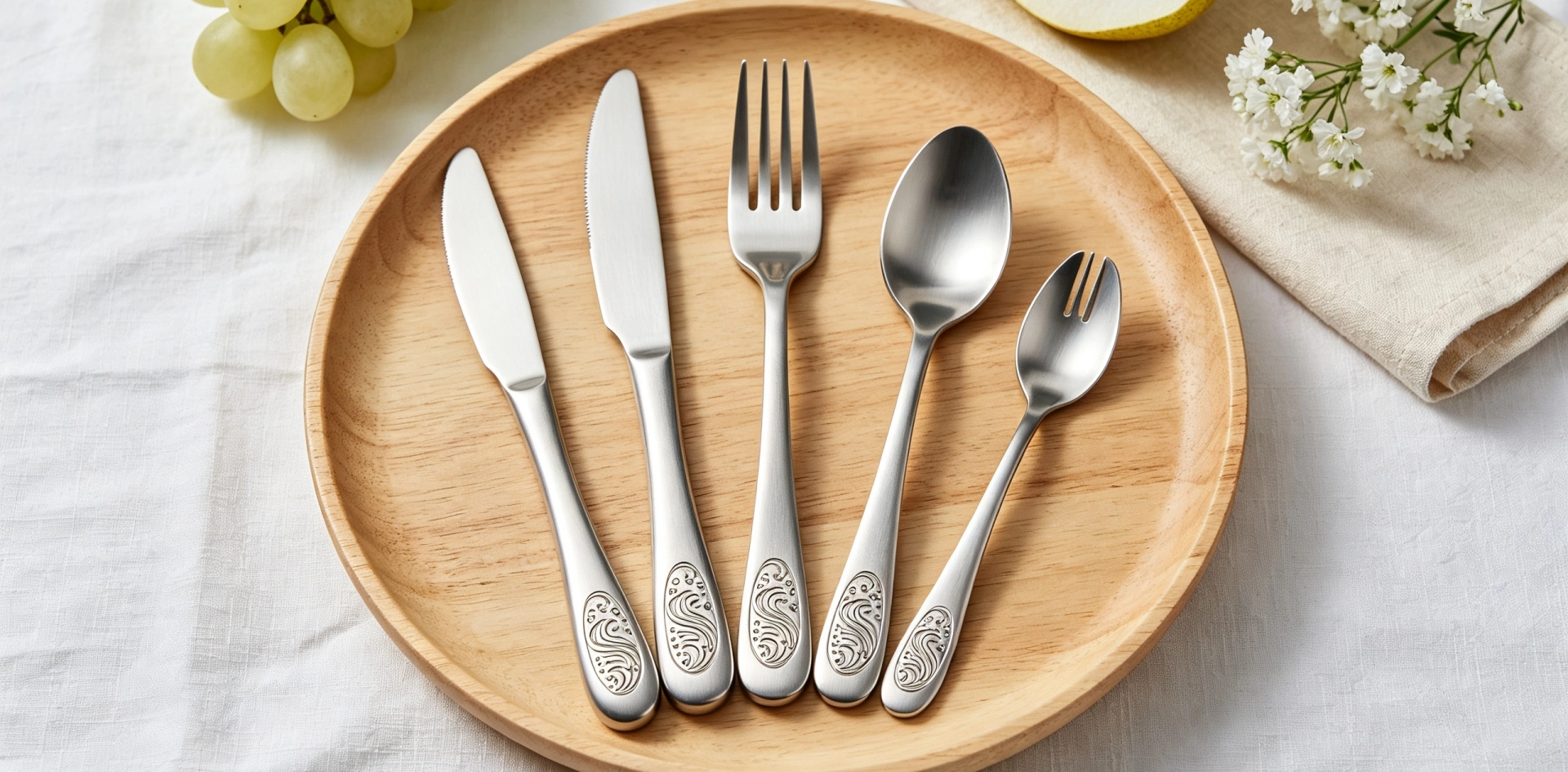
The collective noun of cutlery is commonly referred to as a set, collection, assortment, or service of cutlery depending on the context in which the utensils are being discussed. In hospitality, retail, and household dining culture, the word “cutlery” itself already functions as a collective term describing knives, forks, spoons, and serving utensils grouped together for dining use. However, language enthusiasts and consumers often search for more specific expressions when describing organized tableware systems or dining collections.
In formal dining terminology, phrases such as “a set of cutlery” or “a service of silverware” are frequently used. Restaurants, hotels, and catering businesses commonly organize cutlery into coordinated systems that match the overall table presentation and hospitality experience. These collections may include dinner forks, dessert spoons, steak knives, serving utensils, soup spoons, and specialized dining tools.
The history of dining utensils reflects evolving cultural traditions across centuries. Early civilizations used simple eating tools made from bone, wood, bronze, or iron before refined metalworking techniques introduced polished silver and stainless steel tableware. Today, modern households seek not only practical utensils but also aesthetically coordinated collections that enhance dining environments.
Interest in alternative dining materials continues growing worldwide. Searches related to besteck aus holz wo kann man die finden demonstrate how consumers increasingly explore wooden cutlery options for rustic hospitality themes, outdoor dining, eco-conscious lifestyles, and decorative table presentation. Wooden utensils create a natural visual atmosphere while offering lightweight portability and environmentally friendly appeal.
Professional manufacturing expertise remains essential within the global kitchenware industry. Homefelt, a stainless steel products factory with more than 30 years of manufacturing experience, specializes in kitchenware, BBQ tools, children's tableware, pet bowls, and many other stainless steel household products. Through advanced production systems and strict quality control management, the company supports international demand for durable and visually refined dining solutions.
Historical craftsmanship continues influencing modern tableware appreciation. Searches associated with art krupp berndorf besteck von 1896 reflect growing consumer interest in antique European cutlery traditions and collectible metalworking heritage. Vintage dining collections are often valued not only for functionality but also for historical significance and decorative character.
Modern consumers increasingly prioritize sustainability when selecting dining products. Interest connected to faires besteck demonstrates rising awareness regarding ethical manufacturing, durable reusable materials, and environmentally responsible kitchenware production. Stainless steel cutlery remains highly popular because of its long lifespan, corrosion resistance, and reduced environmental impact compared with disposable alternatives.
The collective concept of cutlery also extends beyond household use into professional hospitality systems. Hotels and restaurants carefully coordinate utensils according to menu design, service style, and table arrangement standards. Fine dining establishments often maintain multiple specialized cutlery collections for seafood, steak, desserts, appetizers, and serving functions.
Natural dining aesthetics associated with besteck aus holz wo kann man die finden continue influencing modern hospitality design, especially in cafes, eco-friendly restaurants, and outdoor dining experiences focused on rustic presentation.
Historical craftsmanship interests linked to art krupp berndorf besteck von 1896 further reinforce the enduring appeal of traditional European metalworking quality and collectible dining products.
Ethically focused dining products associated with faires besteck also demonstrate how sustainability and responsible manufacturing have become central purchasing considerations within modern kitchenware markets.
Manufacturing precision strongly influences the quality and longevity of cutlery collections. Smooth polishing, ergonomic shaping, balanced weight distribution, and corrosion-resistant alloys all contribute significantly to user comfort and product durability. Experienced manufacturers such as Homefelt carefully manage these production stages to maintain reliable international quality standards.
Dining culture also varies significantly across regions and traditions. Some cultures emphasize shared serving utensils and communal dining, while others prioritize individualized place settings with multiple specialized utensils for each course. These cultural differences contribute to the wide variety of collective terms used to describe cutlery systems.
Wood-inspired dining products connected to besteck aus holz wo kann man die finden remain especially attractive among consumers seeking environmentally conscious hospitality aesthetics.
Historical tableware interests related to art krupp berndorf besteck von 1896 continue inspiring collectors and designers who value timeless craftsmanship and antique dining elegance.
Sustainable product discussions associated with faires besteck further illustrate how modern consumers increasingly balance functionality, environmental awareness, and long-term value when selecting kitchenware.
The collective noun of cutlery ultimately depends on context, but terms such as set, assortment, collection, or service remain the most widely accepted expressions within hospitality and household dining language. Regardless of terminology, cutlery continues playing a central role in both practical dining function and visual table presentation.
Manufacturers with extensive expertise, including Homefelt, continue refining stainless steel production technologies to provide durable, elegant, and environmentally responsible dining products suitable for modern households and professional hospitality industries.
Whether consumers are exploring wooden dining styles associated with besteck aus holz wo kann man die finden, appreciating historical craftsmanship linked to art krupp berndorf besteck von 1896, or prioritizing sustainability through faires besteck, coordinated cutlery collections remain essential elements of global dining culture.
With more than three decades of professional manufacturing experience, Homefelt continues supporting international kitchenware markets through advanced production systems, strong quality control standards, and versatile household product expertise designed for modern hospitality and dining environments.


how to clean silver cutlery with silvo
how to make a cutlery pocket flatware
Related Article