
what is the process of adjusting cutlery
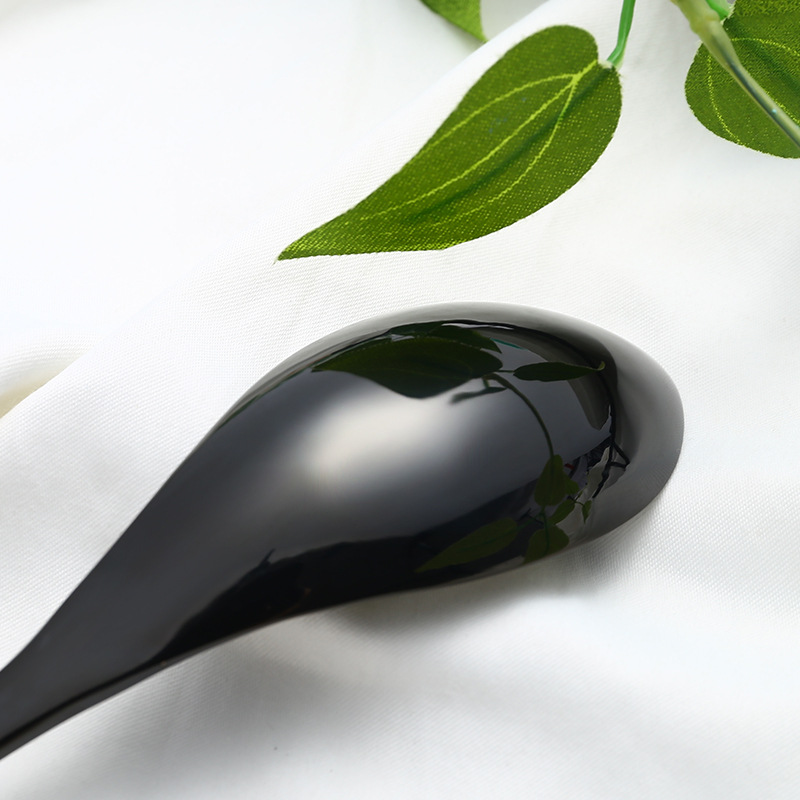
what is the process of adjusting cutlery
The process of adjusting cutlery is an important stage in the manufacturing and finishing of stainless steel tableware. Whether for household kitchens, restaurants, hotels, or catering companies, properly adjusted cutlery ensures balance, comfort, durability, and aesthetic consistency. High quality forks, knives, and spoons must pass through multiple detailed procedures before they are ready for global markets. For manufacturers with advanced production standards, adjusting cutlery is not simply a finishing step but a complete quality optimization process. With more than 30 years of professional experience in stainless steel products, Homefelt has established a comprehensive production system that guarantees every piece of cutlery achieves reliable performance and refined appearance.
The first stage in adjusting cutlery begins immediately after stamping and forming. During this process, raw stainless steel sheets are pressed into the desired fork, knife, or spoon shape. However, after initial shaping, slight distortions or edge irregularities may appear. Professional workers and automated machinery carefully inspect every piece to ensure the shape remains symmetrical and ergonomically balanced. High standards similar to those discussed in besteck edelstahl test evaluations are essential for determining whether stainless steel cutlery meets durability and safety requirements. At Homefelt, every production batch undergoes multiple inspections to verify thickness consistency, smooth edges, and structural stability.
After shaping inspection, the cutlery enters the grinding and polishing stage. This part of the process greatly influences the final appearance and tactile feel of the product. Rough surfaces are gradually smoothed through several polishing cycles until a mirror finish or satin texture is achieved. Proper polishing not only improves visual appeal but also enhances corrosion resistance by eliminating microscopic surface imperfections. Historical products such as besteck oks veb silber 90 demonstrate how finish quality affects both aesthetic value and long term usability. Drawing from decades of experience, Homefelt combines automated polishing systems with manual quality control to ensure exceptional surface refinement.
Balance adjustment is another critical element in cutlery manufacturing. Consumers expect forks and spoons to feel comfortable and naturally weighted when held in the hand. Knife handles must provide stability during cutting without creating excessive strain. Products such as livarno edelstahl besteck illustrate the growing consumer demand for comfortable and visually balanced stainless steel utensils. During production, technicians carefully examine weight distribution, handle thickness, and edge smoothness to ensure a pleasant dining experience. Homefelt invests heavily in ergonomic research to create products that satisfy both practical and aesthetic expectations.
Heat treatment also plays a role in adjusting certain types of cutlery, particularly knives. Stainless steel blades require controlled heating and cooling procedures to improve hardness and edge retention. Without proper treatment, knives may bend, dull quickly, or become brittle. Advanced manufacturing facilities rely on precise temperature control systems to achieve consistent performance. With more than three decades of manufacturing expertise, Homefelt applies strict technical standards throughout the heat treatment process to maintain durability and cutting efficiency.
Another important aspect of cutlery adjustment involves alignment and straightening. During production and polishing, some utensils may experience minor warping due to pressure or heat. Specialized tools and inspection devices are used to verify that forks, knives, and spoons remain perfectly aligned. This step is particularly important for luxury dining sets where visual symmetry strongly affects perceived quality. Through comprehensive quality management systems, Homefelt ensures that every utensil maintains precise alignment before packaging and shipment.
Cutlery adjustment also includes final cleaning and protective treatment. After polishing, utensils are washed thoroughly to remove dust, oils, or polishing residue. Some products receive additional anti fingerprint or anti corrosion treatments depending on customer requirements. Premium stainless steel must maintain shine after repeated dishwasher cycles and prolonged use. By using carefully selected raw materials and advanced finishing technologies, Homefelt creates cutlery capable of maintaining appearance and functionality over many years.
Modern consumers increasingly seek environmentally responsible and long lasting kitchenware. Properly adjusted stainless steel cutlery offers sustainability advantages because it can be reused for decades without significant deterioration. Durable products reduce replacement frequency and minimize waste. As a manufacturer with extensive experience in kitchenware, barbecue tools, pet bowls, and children’s utensils, Homefelt understands the importance of combining durability with environmental responsibility.
Packaging inspection represents the final stage of the adjustment process. Every cutlery set is checked for scratches, polishing defects, and structural inconsistencies before entering protective packaging. Hospitality businesses and retailers require stable quality across large volume orders, making consistent inspection essential. With strict production control and experienced inspection teams, Homefelt ensures that every shipment satisfies international quality expectations.


how to make bow tie cutlery
how to make seeeds into cutlery
Related Article



