What Should a Tableware Buyer Prepare Before Asking for an OEM Quotation
“Please quote your best price.”
Factories receive this request every day.
The problem is that there may be no meaningful “best price” until the product is properly defined.
For stainless steel cutlery, several details can change the quotation.
Start with the product itself.
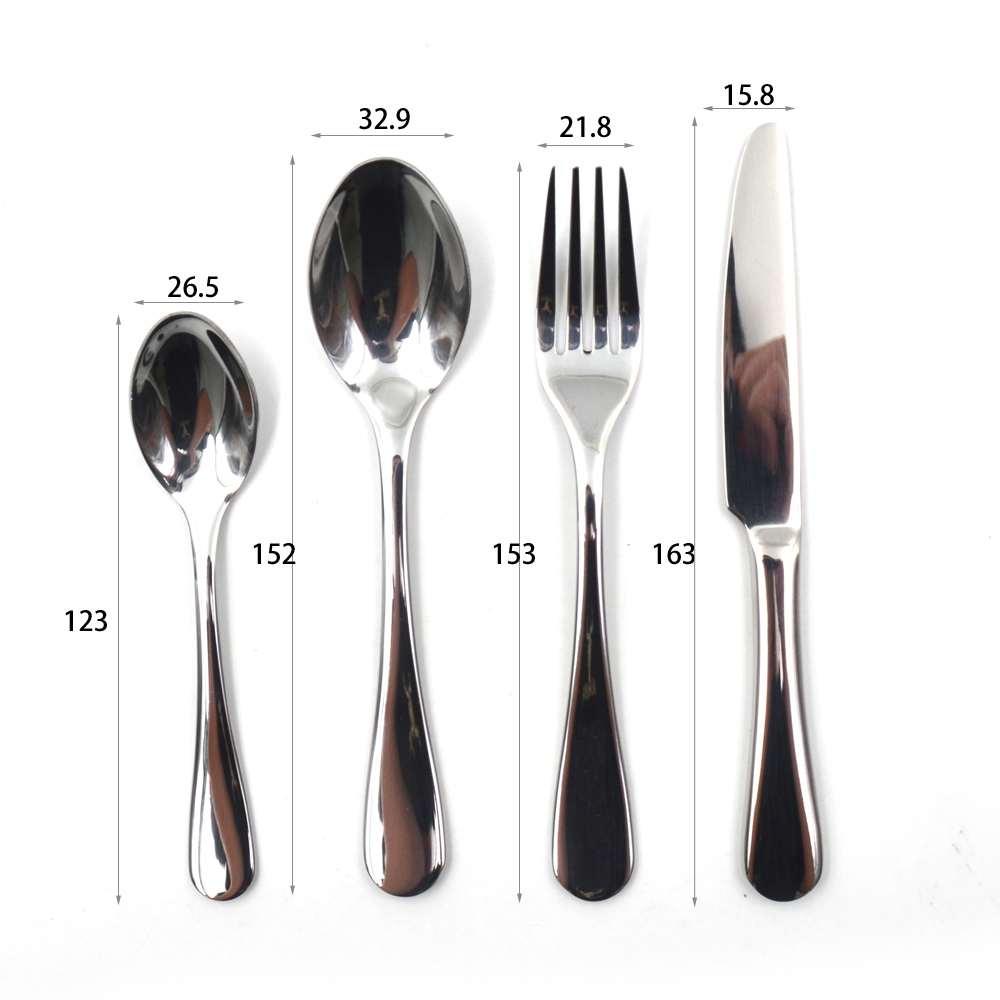
Is it an existing design or a completely new shape? Which pieces are required—a teaspoon, tablespoon, dinner fork, dinner knife, dessert fork, or a custom combination?
Next comes material.
The stainless steel grade, thickness and construction need to be discussed. If the product uses silicone, plastic or ceramic handles, those materials also need to be specified.
Then consider finishing.
Mirror, satin and other finishes require different production processes and can affect both appearance and cost.
Logo requirements matter too.
A simple laser logo is different from printed artwork on a plastic handle. If printing is required on both sides, that should be mentioned from the beginning.
Packaging can create another significant difference in the quotation.
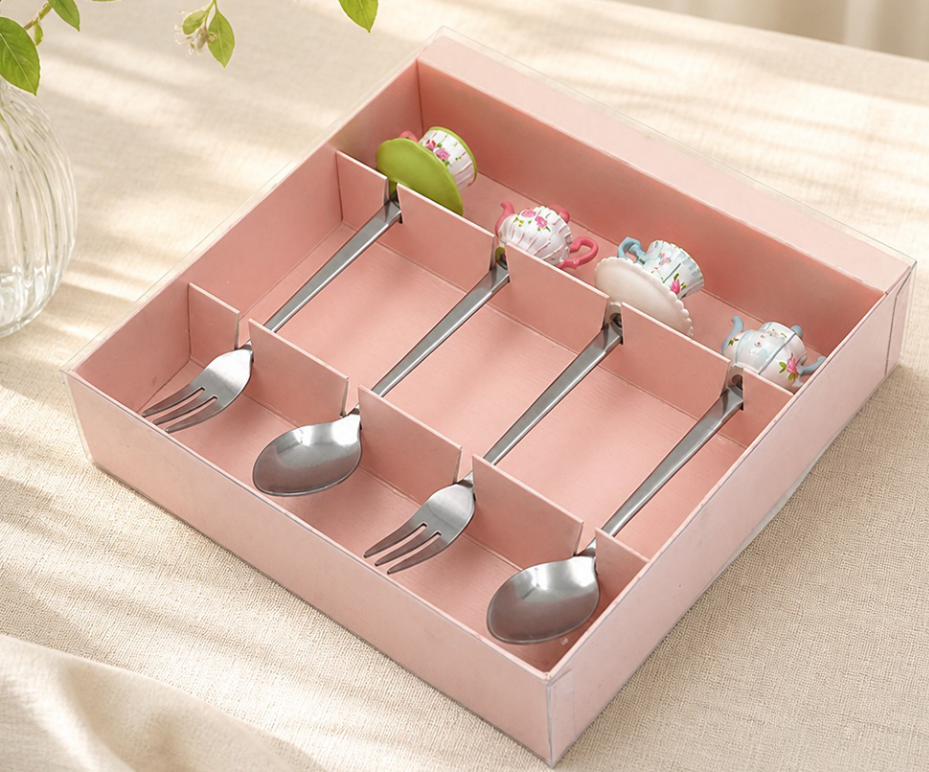
Bulk packing, a simple printed box and a premium gift box are completely different projects. For European programs, current packaging requirements should also be considered during development rather than after production is finished.
Finally, buyers should provide an estimated quantity.
MOQ and production efficiency are connected, so a factory needs a realistic volume before recommending the most suitable solution.
Industry Insight
OEM sourcing is becoming increasingly collaborative. The fastest projects are usually not the ones where factories receive the shortest RFQ—they are the ones where both sides exchange clear information early.
Expert Tip
Before requesting a quotation, prepare six things:
product, material, finish, logo, packaging and estimated quantity.
If some details are undecided, explain the target market and price positioning instead. An experienced manufacturer can then suggest options.
Buyer Takeaway
A detailed RFQ does more than produce a more accurate price.
It helps the supplier understand what you are trying to build—and often saves several rounds of emails before sampling even begins.
Related Article