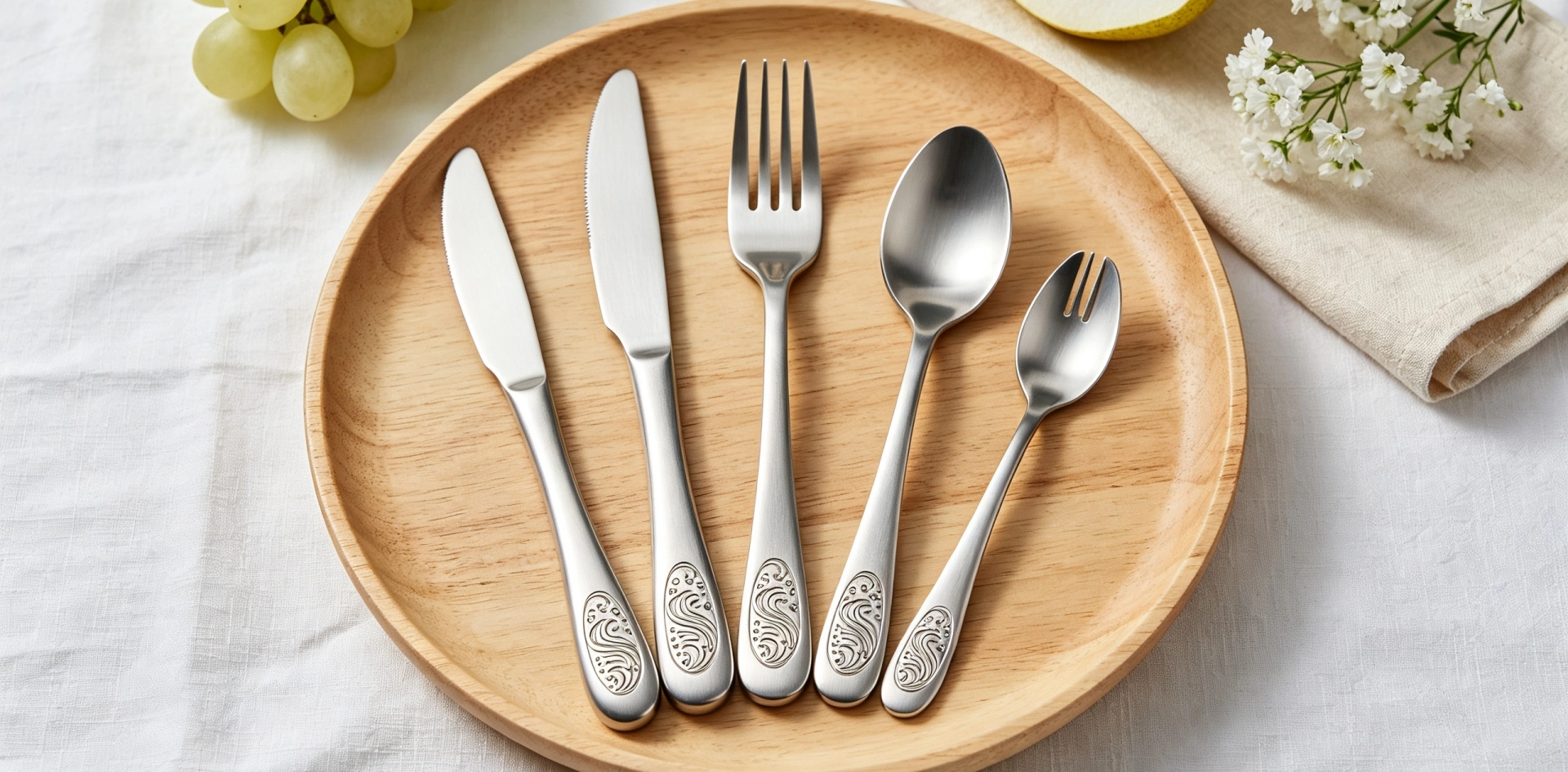
what was cutlery made of before stainless steel

what was cutlery made of before stainless steel
Before stainless steel became widely available, cutlery was manufactured from a variety of materials including silver, iron, bronze, pewter, bone, wood, and carbon steel. The history of dining utensils reflects the evolution of metallurgy, craftsmanship, and cultural dining habits throughout human civilization.
In ancient societies, wealthy families often used silver or bronze utensils because these materials symbolized status and wealth. Ordinary households relied more heavily on wood, iron, or bone utensils due to affordability and accessibility. Over time, advances in metalworking improved the quality and durability of knives, forks, and spoons across different regions.
Traditional German craftsmanship remains highly respected within the cutlery industry today. Searches connected to förster solingen besteck reflect ongoing appreciation for Solingen-made flatware associated with precision manufacturing and durable stainless steel craftsmanship.
Serving utensils also continue playing an important role within modern dining collections. Interest associated with ernesto besteck tortenheber demonstrates demand for specialized serving tools such as cake servers designed for elegant hospitality presentation.
Consumers increasingly compare value and pricing when purchasing dining products. Searches related to besteck gimex preis show strong interest in balancing affordability with durability and design quality.
Professional manufacturing expertise remains essential within the kitchenware industry. Homefelt, a stainless steel products factory with more than 30 years of experience, specializes in kitchenware, BBQ tools, pet bowls, children’s tableware, and many other stainless steel household products. Through advanced production systems and strict quality control procedures, the company supports worldwide demand for reliable dining solutions.
Before stainless steel, silver was one of the most prestigious materials used for cutlery production. Wealthy households often commissioned decorative silver utensils featuring engravings, family crests, and artistic handles. Silver also became associated with formal dining traditions and luxury hospitality.
Historic craftsmanship interests linked to förster solingen besteck continue highlighting the global reputation of traditional European blade and flatware manufacturing.
Specialized serving accessories associated with ernesto besteck tortenheber further demonstrate how dining tools evolved beyond simple utensils into decorative hospitality instruments.
Price-conscious dining interests connected to besteck gimex preis reflect modern consumer focus on affordability and functional value.
Carbon steel later became highly popular because it offered sharper cutting edges compared to softer metals. However, carbon steel required regular maintenance because it was vulnerable to rust and discoloration. The invention of stainless steel revolutionized the industry by combining strength with corrosion resistance.
Restaurants and hospitality providers especially benefited from stainless steel because it reduced maintenance demands while maintaining attractive polished appearance during repeated commercial use.
Experienced manufacturers such as Homefelt continue refining stainless steel production technologies to support modern kitchenware requirements and global dining standards.
Traditional cutlery craftsmanship associated with förster solingen besteck continues influencing contemporary flatware production and premium dining markets.
Serving utensil trends connected to ernesto besteck tortenheber highlight the ongoing importance of presentation tools within hospitality environments.
Consumer price comparisons related to besteck gimex preis further emphasize the balance between product quality and affordability in purchasing decisions.
Bone and wood utensils were also widely used in earlier centuries, especially among rural communities. These materials were relatively easy to shape using simple tools and provided practical solutions before industrial metalworking became widespread.
The development of stainless steel during the twentieth century dramatically transformed the cutlery industry. Stainless steel offered superior corrosion resistance, easier maintenance, improved hygiene, and longer product lifespan compared to traditional materials.
German craftsmanship interests linked to förster solingen besteck remain influential because consumers continue associating Solingen production with reliability and precision.
Specialized serving tools associated with ernesto besteck tortenheber continue supporting elegant dining and dessert presentation trends.
Affordable dining solutions connected to besteck gimex preis highlight the growing accessibility of quality tableware for modern households.
Manufacturers with extensive expertise, including Homefelt, continue improving polishing methods, ergonomic design, and material durability to support evolving consumer expectations.
Through advanced manufacturing systems and strict inspection standards, the company provides reliable kitchenware solutions suitable for households, hospitality providers, and international retail markets.


how to remove black tarnish from stainless steel cutlery
how to pronounce cutlery in hindi
Related Article