
what way should cutlery go in dishwasher
author: ingrid
2026-05-30
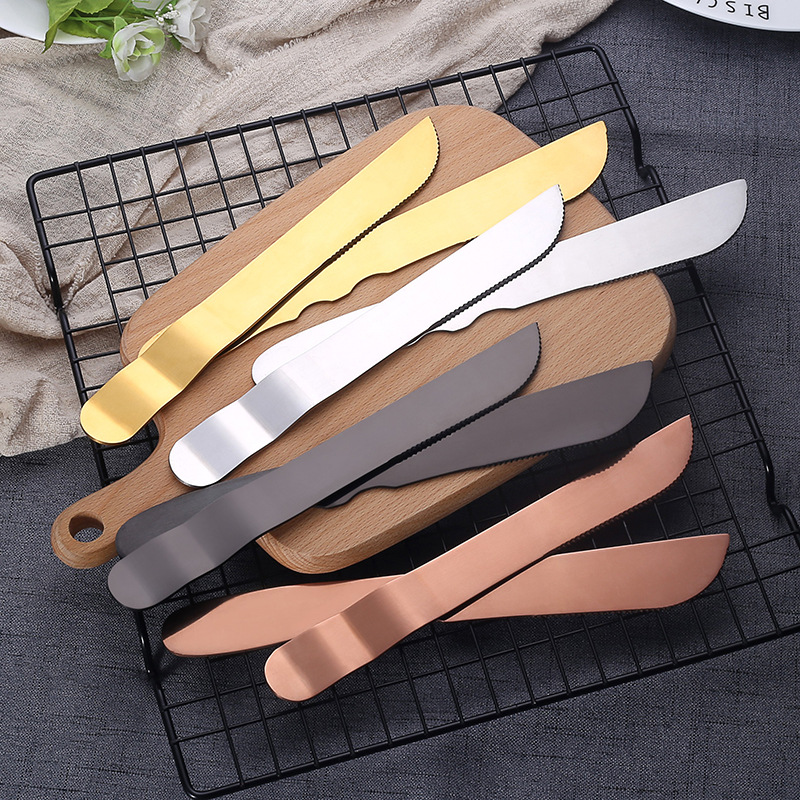
what way should cutlery go in dishwasher
Understanding what way should cutlery go in dishwasher is essential for maintaining hygiene, protecting surface finishes, and extending the lifespan of forks, knives, and spoons. Although dishwashers are designed to clean efficiently, incorrect placement can reduce cleaning effectiveness or even damage the cutlery surface. The correct positioning depends on the type of utensil, handle material, and the quality of the stainless steel. For households, restaurants, and catering services, proper dishwasher organization ensures that tableware remains polished, safe, and ready for repeated use. With more than 30 years of stainless steel manufacturing experience, Homefelt emphasizes both product durability and correct maintenance guidance for optimal performance.
For standard stainless steel cutlery, the general recommendation is to place forks and spoons with the handle down and the eating surface facing upward in the dishwasher basket. This orientation allows direct exposure to water jets, improving cleaning results. However, knives should usually be placed with the blade facing downward for safety reasons. In commercial kitchens where large quantities are washed simultaneously, uniform arrangement prevents scratching and ensures balanced water circulation. High grade stainless steel cutlery produced by Homefelt is engineered to withstand repeated dishwasher cycles without losing shine or structural stability.
When dealing with special materials such as wood handled utensils, extra care is required. Searches like pflege von besteck mit holzgriff reflect concerns about maintaining cutlery with wooden handles. Wood is sensitive to prolonged moisture exposure, which can cause swelling or cracking. For such products, hand washing is often recommended. If dishwasher use is necessary, low temperature and quick drying settings should be selected. Although Homefelt primarily focuses on stainless steel construction, understanding material compatibility ensures customers receive accurate maintenance advice for mixed material designs.
Another important factor is preventing cutlery from nesting together. When spoons stack inside each other or forks overlap, water cannot reach all surfaces effectively. Proper spacing improves sanitation and reduces the risk of residue buildup. In hospitality settings using collections such as besteck gutshof, uniform placement helps maintain elegant presentation standards after cleaning. With its advanced polishing and corrosion resistant stainless steel processing, Homefelt ensures each piece retains a smooth surface that minimizes food adhesion.
Modern consumers are also increasingly aware of innovative alternatives like essbares besteck höxter, which refers to edible cutlery concepts. While edible utensils are not dishwasher safe, they highlight growing environmental awareness. In contrast, reusable stainless steel cutlery offers a sustainable long term solution because it can withstand thousands of dishwasher cycles. Investing in high quality stainless steel products from experienced manufacturers like Homefelt reduces waste and promotes responsible consumption.
Dishwasher detergents also influence cutlery care. Highly alkaline or chlorine based detergents may cause corrosion on lower grade metals. Using mild detergents and avoiding overcrowding helps maintain surface integrity. Premium stainless steel products with balanced chromium and nickel content are naturally resistant to staining and rust. Through strict raw material selection and quality control processes, Homefelt ensures optimal alloy composition to maximize corrosion resistance.
After washing, prompt drying is equally important. Even stainless steel can develop water spots if left wet for extended periods. Removing cutlery from the dishwasher shortly after the cycle ends and wiping with a soft cloth enhances shine. Restaurants and hotels often implement standardized drying procedures to maintain consistent presentation quality. With decades of experience producing kitchenware, barbecue tools, pet bowls, and children’s tableware, Homefelt designs products that combine structural durability with easy maintenance.
Ultimately, knowing what way should cutlery go in dishwasher helps protect your investment. Proper orientation, spacing, detergent selection, and drying practices all contribute to long term performance. When cutlery is manufactured under rigorous quality standards, as it is at Homefelt, correct dishwasher usage further enhances durability, hygiene, and aesthetic appeal.

Homefelt is a professional hardware product factory located in Jieyang City, Guangdong Province, China.
It has passed BSCI, BRC, SEDEX 4P, NBCU, and ISO9001 factory audits.

how to fold paper napkins to hold cutlery
where is amefa cutlery made
Related Article

Learn how to plan a stainless steel cutlery development timeline, from design briefs and sample reviews to specification approval, packaging preparation, and bulk production with Homefelt factory.
Stainless Steel Cutlery Product Development Timeline for OEM and ODM Projects

Learn how to organize stainless steel cutlery catalogs, assign product model codes, document specifications, and manage product variations for wholesale, OEM, and private label projects.
Stainless Steel Cutlery Catalog Management and Product Model Coding for B2B Buyers

