What Were Cutlery Made of in the Past Under Silver
What Were Cutlery Made of in the Past Under Silver
Before modern stainless steel became the dominant material for cutlery, silver and its alloys were widely used to manufacture eating utensils.
Understanding what cutlery was made of in the past reveals not only the evolution of dining habits but also the technological advances that have shaped modern manufacturing.
Today, factories like Homefelt continue this legacy, combining historical knowledge with cutting-edge precision to deliver world-class cutlery solutions.
The Historical Use of Silver in Cutlery
Silver has long been considered the epitome of dining luxury. From royal banquets to aristocratic households, silver cutlery was a symbol of wealth and refinement.
Pure silver, however, is too soft for functional tools, so historical cutlery was often crafted using silver-plated metals or sterling silver (92.5% silver, 7.5% other metals like copper).
These compositions balanced elegance with utility.
Tower Cutlery and its Influence
Brands like tower cutlery in earlier centuries played a significant role in shaping English and European tableware aesthetics.
They introduced designs that reflected heraldic traditions and ornamental craftsmanship, setting the tone for what would become classical Western dining elegance.
Today, similar inspiration is seen in many luxury cutlery lines.
Advent of Survival and Tactical Implements
Cutlery wasn’t just limited to dining. Utility tools like the united cutlery m48 cyclone spear and united cutlery survival knives originated as multifunctional instruments for outdoor use,
reflecting a shift in how metal tools were integrated into daily life. These items, though not used at the table,
expanded the cutlery category and introduced new production methods for specialized blades.
Modern Applications with Homefelt’s Expertise
While the materials have changed, the demand for beautifully designed, reliable cutlery remains strong.
Homefelt leverages modern stainless steel manufacturing while respecting historical traditions.
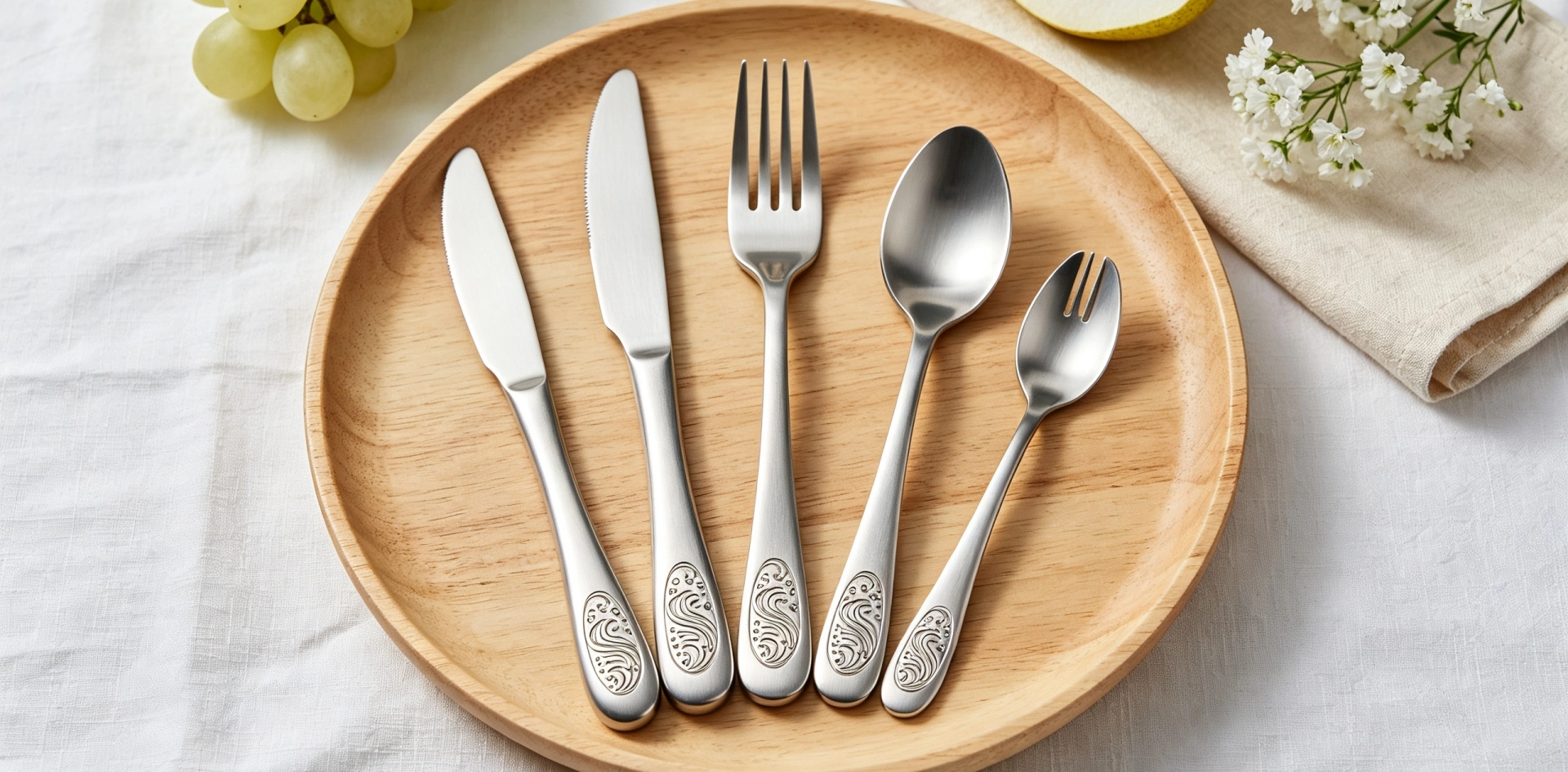
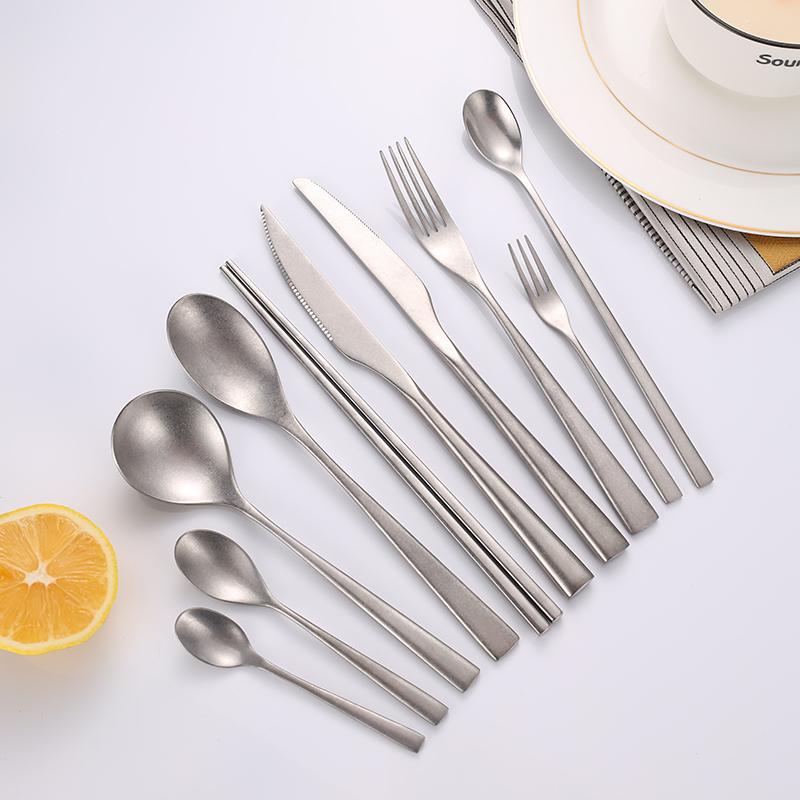
Their flatware collections draw inspiration from classic silver designs while offering enhanced durability, affordability, and hygienic qualities.
From Decorative Artifacts to Functional Utensils
In centuries past, cutlery was often engraved, embossed, or inlaid with jewels or ivory. This decorative approach made each piece a work of art.
Modern production has adopted a cleaner, minimalist aesthetic, but factories like Homefelt still offer customizable finishes and designs to reflect the ornamental traditions of silver heritage.
Homefelt’s Role in Preserving the Legacy of Cutlery Craftsmanship
By merging old-world inspiration with high-tech fabrication, Homefelt continues to offer products that honor the legacy of silver utensils.
Their stainless steel products mimic the luster and form of antique silverware but add benefits such as corrosion resistance, cost efficiency, and broader application potential.
These innovations make Homefelt a global partner in both modern and traditional dining solutions.
When Did Cutlery Become Common
What Order Should Cutlery Go in the Drawer
Related Article