
Why Isn t Gold Used for Cutlery
Why Isn't Gold Used for Cutlery
Gold has long been associated with luxury, wealth, and high social status. From jewelry to decorative artifacts, gold is universally admired for its aesthetic appeal and symbolic value.
However, when it comes to functional kitchen items like cutlery, gold is surprisingly uncommon. This leads to a curious question: why isn't gold used for cutlery in most dining settings?
To understand this, we must first consider the physical properties of gold. Gold is a very soft and malleable metal.
While this quality makes it excellent for shaping into intricate jewelry or art pieces, it makes gold impractical for daily-use items like forks, knives, and spoons.
Cutlery needs to be durable, rigid, and able to withstand repetitive pressure and contact with hard surfaces, including other utensils and crockery.
Gold simply cannot hold up under such conditions without deforming.
Another major factor is cost. Using gold to manufacture standard-sized cutlery sets would be prohibitively expensive.
Even a small royal norfolk cutlery steak knife made from solid gold would cost hundreds of dollars, if not more.
This puts gold cutlery well out of reach for the average consumer and makes mass production economically unfeasible.
Moreover, gold is chemically inert, which means it does not react with most substances.
While this is a good quality from a food safety perspective, it doesn’t compensate for the practical drawbacks mentioned earlier.
In some luxury households or royal collections, you may find cutlery that is gold-plated,
which offers the aesthetic of gold while maintaining the structural benefits of stainless steel or other base metals.
Even so, such items are reserved for display or occasional use rather than daily meals.
There are also hygiene and maintenance concerns. Gold cutlery, especially if pure, requires meticulous care to avoid scratching, denting, or tarnishing.
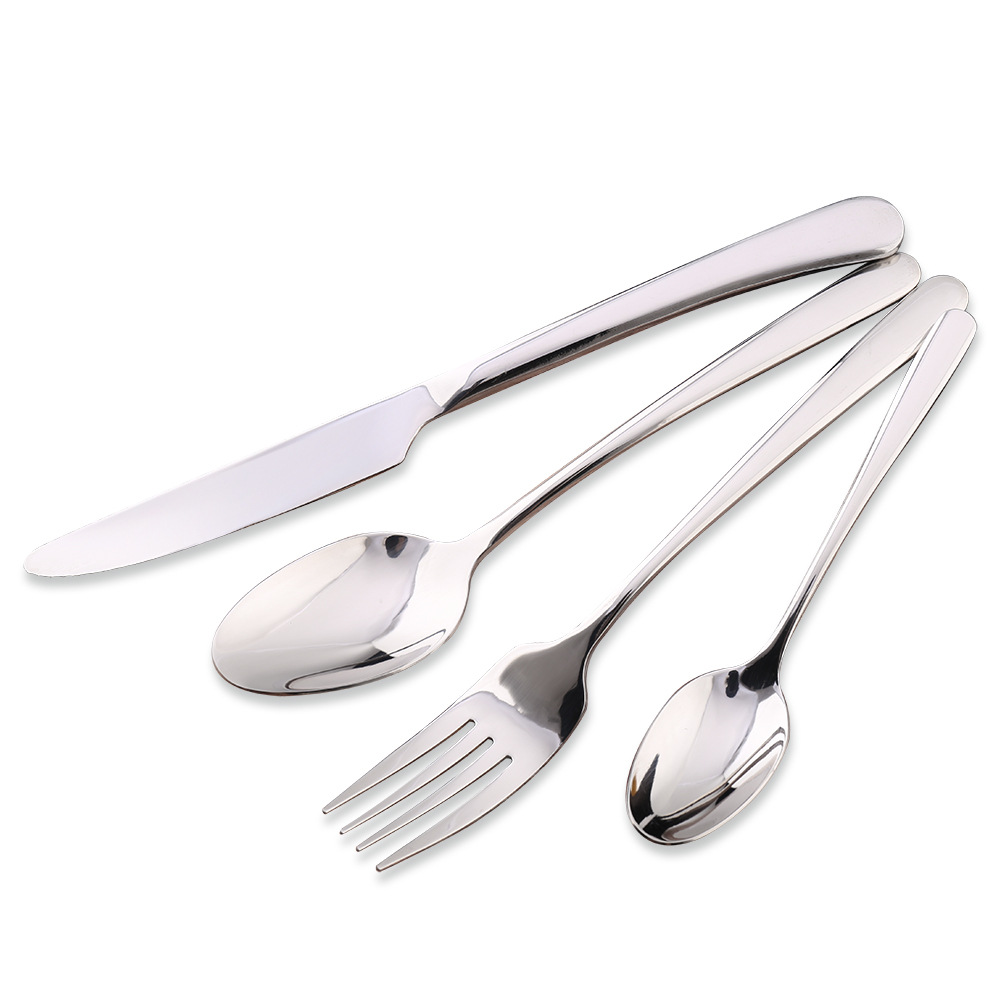
In contrast, stainless steel cutlery—such as those manufactured by Homefelt—is corrosion-resistant, low-maintenance, and durable enough for commercial and residential use.
This makes stainless steel the industry standard, favored by hotels, restaurants, and households worldwide.
When parents select utensils for young children, they look for durability, safety, and hygiene. For instance, cutlery for 1 5 year olds must be easy to grip, non-toxic,
and free from sharp edges. Gold, being a soft metal, fails to meet most of these criteria.
In comparison, many children’s utensils are made from BPA-free plastics or stainless steel with ergonomic handles, which is a more sensible and economical solution.
In recent years, several brands have tried to bridge the gap between luxury and utility by offering fox & ivy cutlery and similar high-end collections.
These may feature gold accents or brushed finishes to give the appearance of elegance without compromising on performance.
Yet, even these rarely use actual gold due to the metal’s impracticality.
For companies like Homefelt, which has over 30 years of experience in producing stainless steel kitchenware, the focus remains on offering reliable,
beautifully crafted products that meet international quality standards. From everyday utensil sets to custom luxury designs,
Homefelt combines tradition with innovation to serve both functional and aesthetic needs.
In conclusion, while gold may remain a symbol of opulence, it falls short when evaluated against the requirements of effective, long-lasting cutlery.
The next time you dine with your trusted stainless steel set, know that it represents a smart blend of performance, safety,
and cost-effectiveness—something that gold, for all its shine, simply cannot offer.
why use l shaped cutlery
Why Is My Cutlery Rusting
Related Article



