Why Paper Packaging Does Not Automatically Mean Better Packaging

Moving from plastic packaging to paper sounds simple.
In practice, it requires more thought.
Many tableware brands are reducing plastic bags, windows and trays in response to sustainability goals and changing packaging requirements. Paper-based packaging can be an excellent solution, but simply replacing every plastic component with paper does not automatically create a better package.
Cutlery provides a good example.
A mirror-polished stainless steel set can scratch when pieces rub against each other during transportation. If a plastic tray is removed without redesigning the internal structure, the result may be more damaged products.
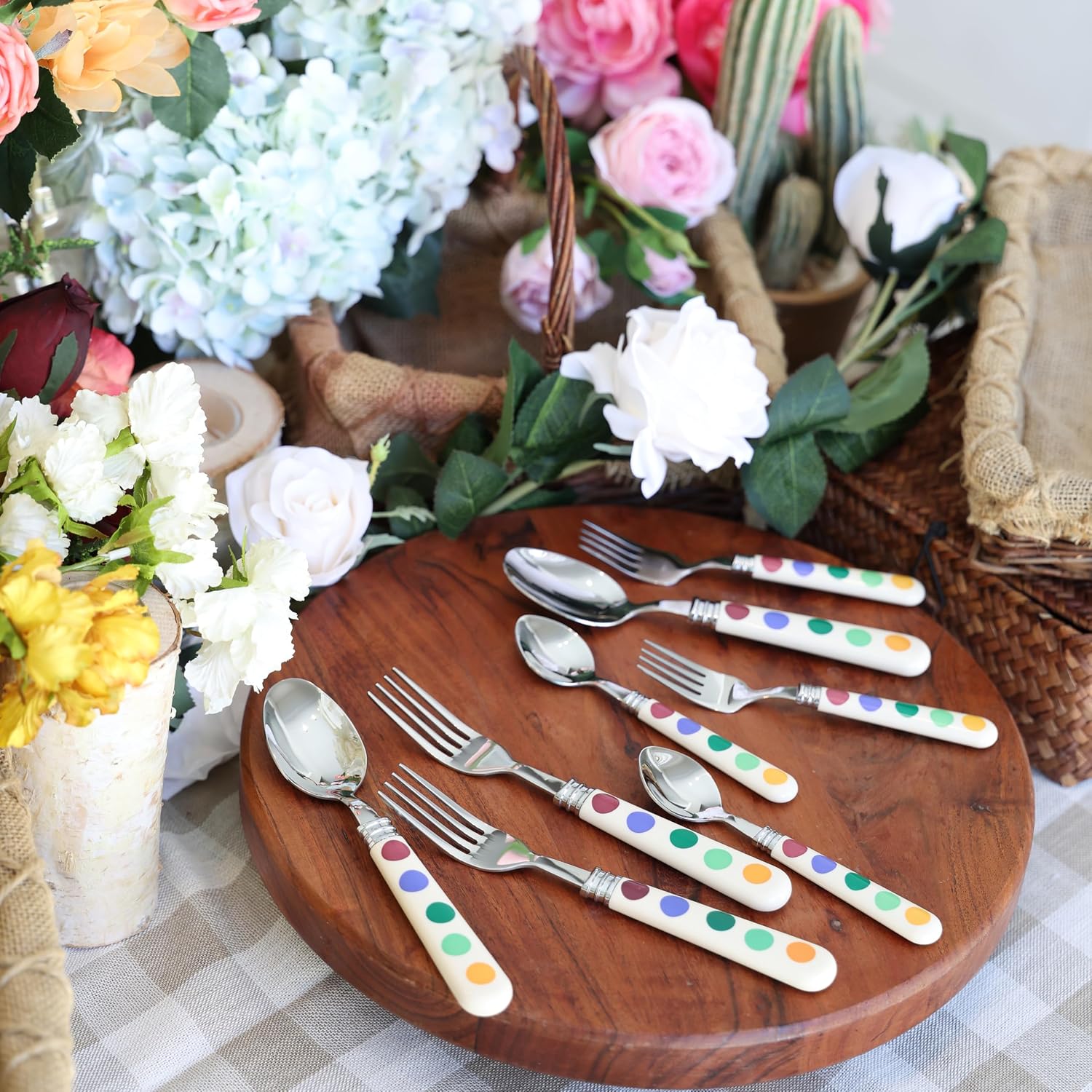
The same applies to ceramic-handle cutlery. The handle needs protection against impact. A thin paper box with no internal support may use less material but result in higher breakage.
Good packaging therefore needs to solve three problems at the same time:
Protection. Presentation. Material efficiency.
For many stainless steel cutlery sets, molded paper inserts, folded-card structures, paper sleeves or carefully designed dividers can reduce plastic while keeping individual pieces separated.
For kids cutlery, compact paper boxes can work particularly well because the product size is relatively small.
Packaging dimensions matter too.
A box that is unnecessarily large uses more paper, occupies more carton space and can increase freight volume. Sometimes the biggest packaging improvement is simply making the box smaller.
Industry Insight
Europe's new packaging framework is increasing attention on packaging prevention, recyclability and the overall lifecycle of packaging. That encourages brands to look beyond simple “paper versus plastic” comparisons.
Expert Tip
Before approving new packaging, conduct a real packing and transport test. Check whether the product moves inside the box, whether polished surfaces touch each other and whether the retail box survives normal logistics handling.
Buyer Takeaway
Sustainable packaging should use materials intelligently. The best solution is not necessarily the one with the least plastic—it is the one that protects the product effectively while avoiding unnecessary packaging.
Should Kids Cutlery Be One-Piece or Use a Soft Handle
Food Contact Materials Are Under More Scrutiny
Related Article