Why Reorder Consistency Should Be Discussed Before the First Order

The first order gets most of the attention in an OEM project.
But for a successful product, the second and third orders are often more important.
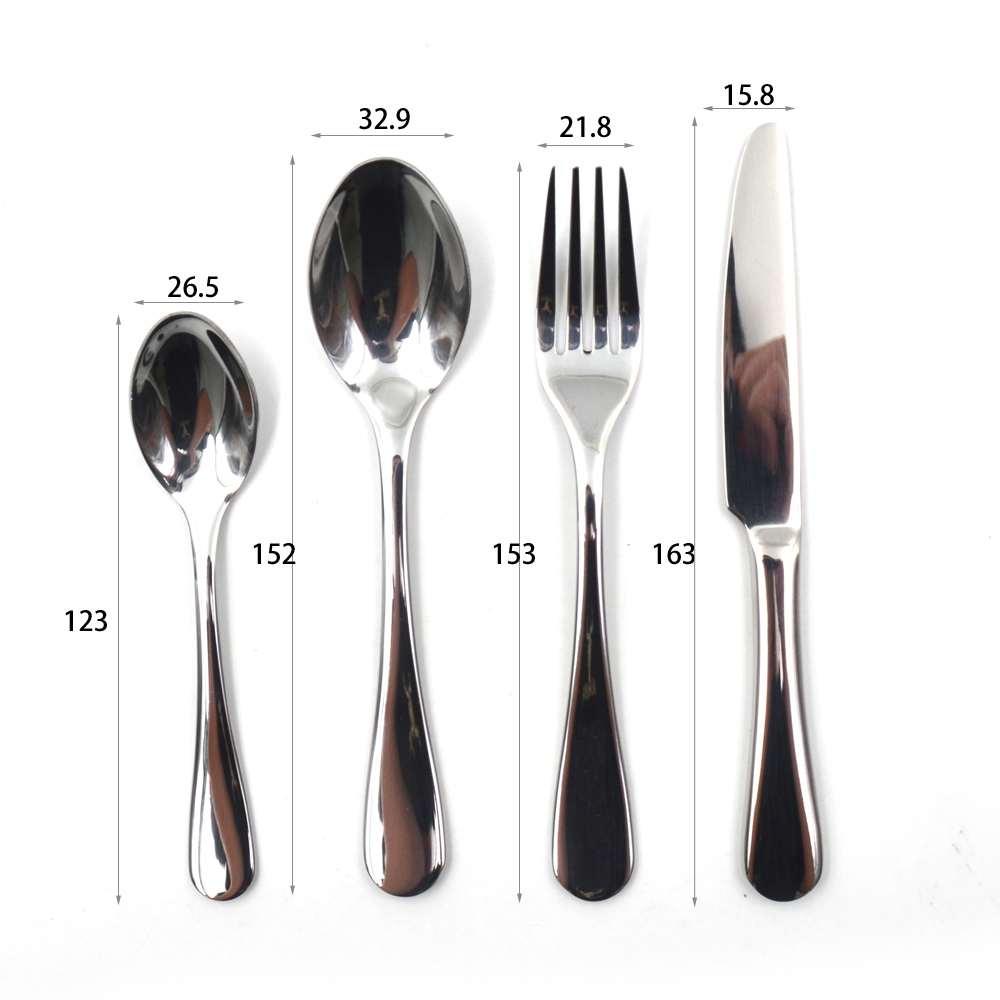
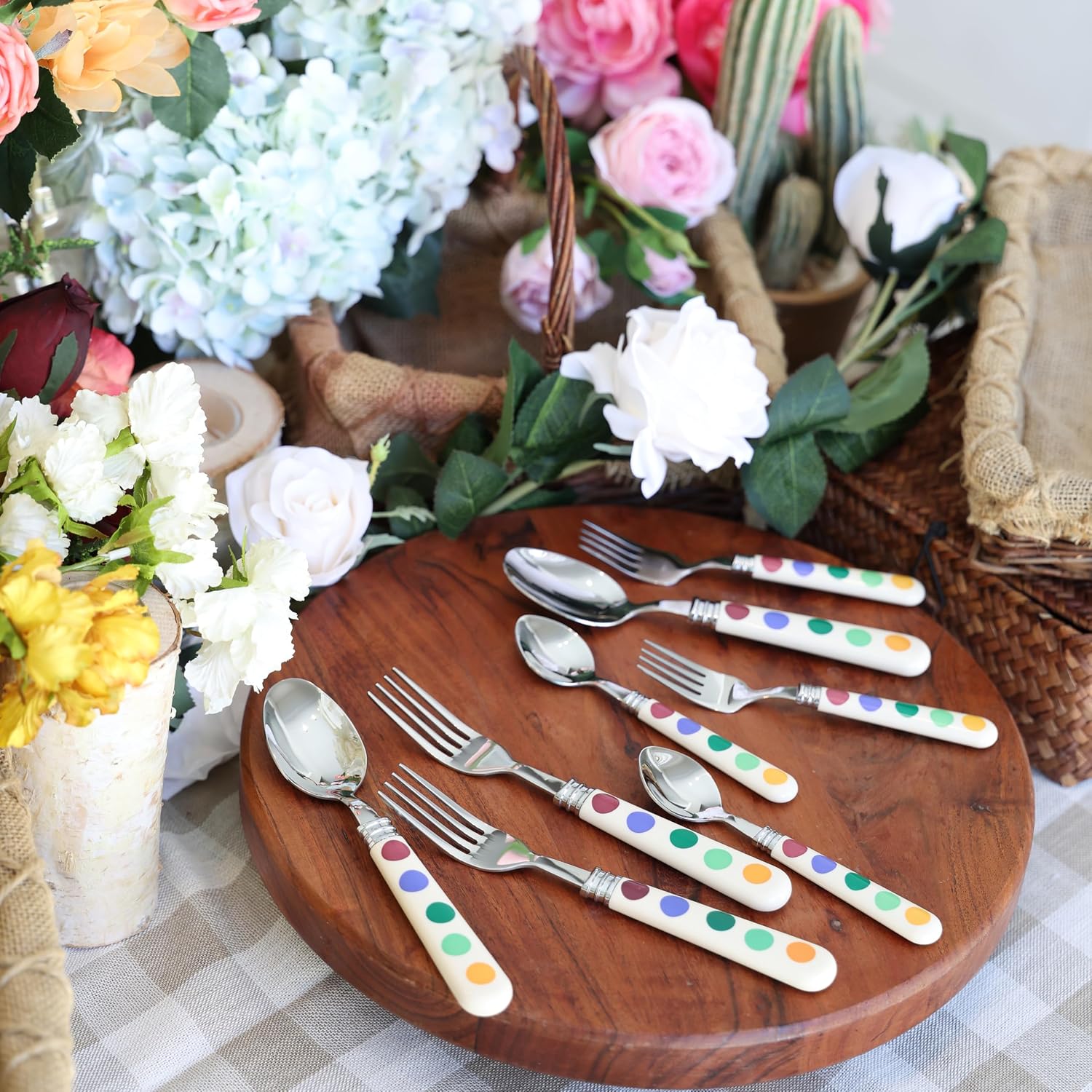
Imagine a retailer launches a stainless steel cutlery collection and the first shipment sells well. Six months later, the product is reordered—but the new batch is slightly lighter, the polishing looks different or the packaging color has changed.
Each difference may be small.
Together, they create an inconsistent brand experience.
This is why reorder consistency should be planned from the beginning.
Material specifications need to be recorded clearly. Tooling should be identified and maintained. Approved colors, finishes, logos and packaging artwork should remain controlled rather than being recreated from memory for every order.
Kids products make consistency particularly important.
If a brand develops a silicone handle in a specific color, future production should stay close to the approved reference. Changes in hardness, shape or assembly can also affect how the product feels and performs.
For stainless steel products, weight, thickness and surface finishing deserve the same control.
Factories also benefit from good documentation. Clear standards reduce repeated discussions, shorten approval cycles and make production planning easier.
Industry Insight
Private label sourcing is moving toward longer product lifecycles. Brands want successful designs that can be reordered, expanded into new colors or added to larger collections rather than constantly starting again.
Expert Tip
When approving the first production run, keep signed samples, final artwork and technical specifications as the reference for future orders.
Do not wait until the reorder to decide what needs to match.
Buyer Takeaway
Consistency is not something a factory can inspect into a product at the very end.
It needs to be built into the specifications and production process from the first order.
Titanium Spoon
Why Product Specifications Matter More Than Product Photos in OEM Cutlery Sourcing
Related Article