B2B Stainless Steel Cutlery Series Manufacturer for Wholesale Buyers
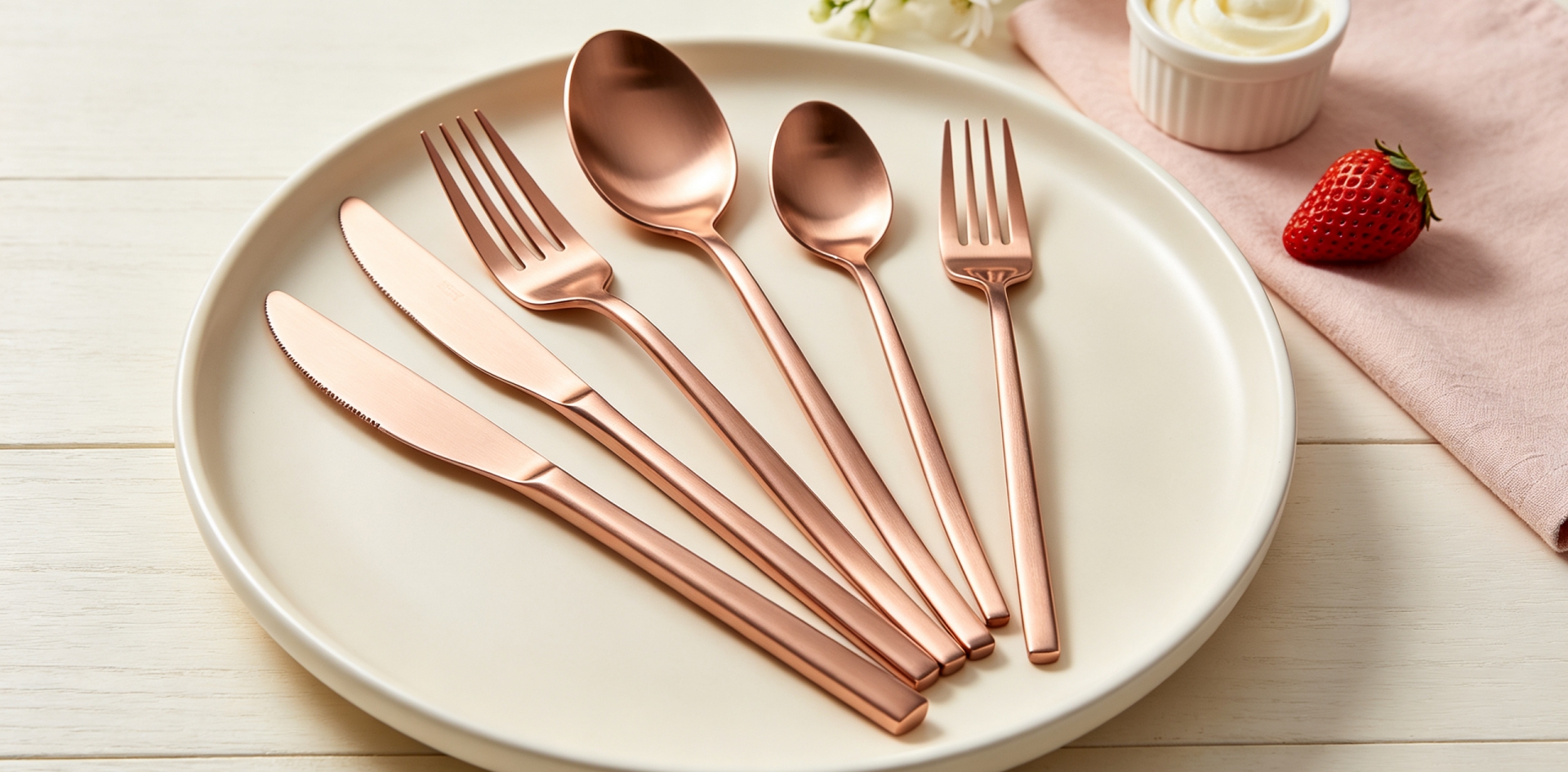
B2B Stainless Steel Cutlery Series: Building a Consistent Product Range for Wholesale Markets
For a wholesale buyer, purchasing stainless steel cutlery is rarely just about choosing one knife, one fork or one spoon. When products are sold as a collection, customers expect the pieces to look and feel as though they belong together.
This is why consistency between knives, forks, spoons and cutlery sets is an important consideration when developing a B2B product range.
A manufacturer may be able to produce each individual item, but a stronger manufacturing partner can also help turn several products into a coordinated series. The goal is not to make every piece identical. Instead, the different items should share enough visual and functional characteristics to create a recognizable collection.
For importers, distributors and brands, this can make a significant difference when building a long-term product range.
Why a Coordinated Cutlery Series Matters
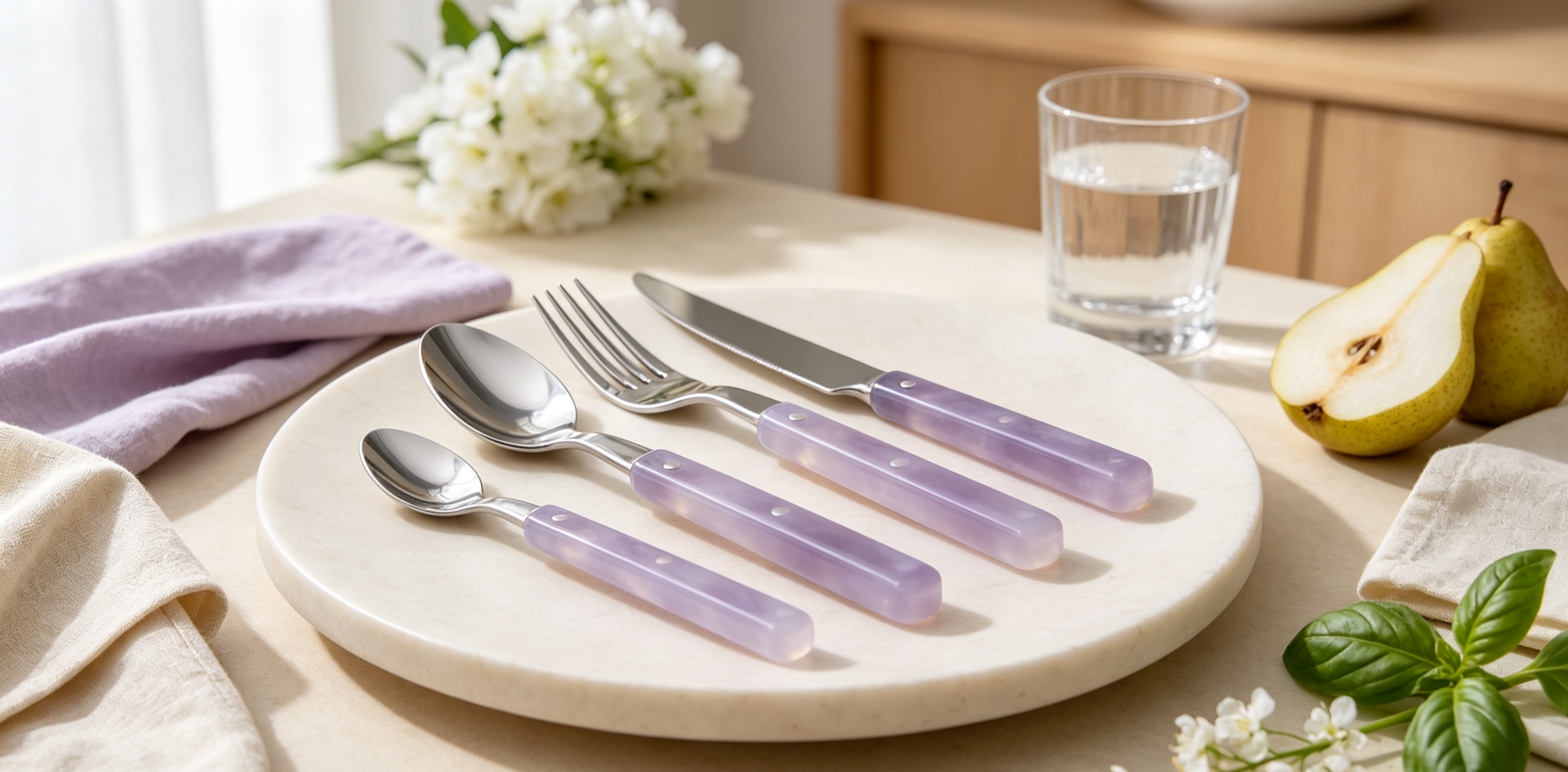
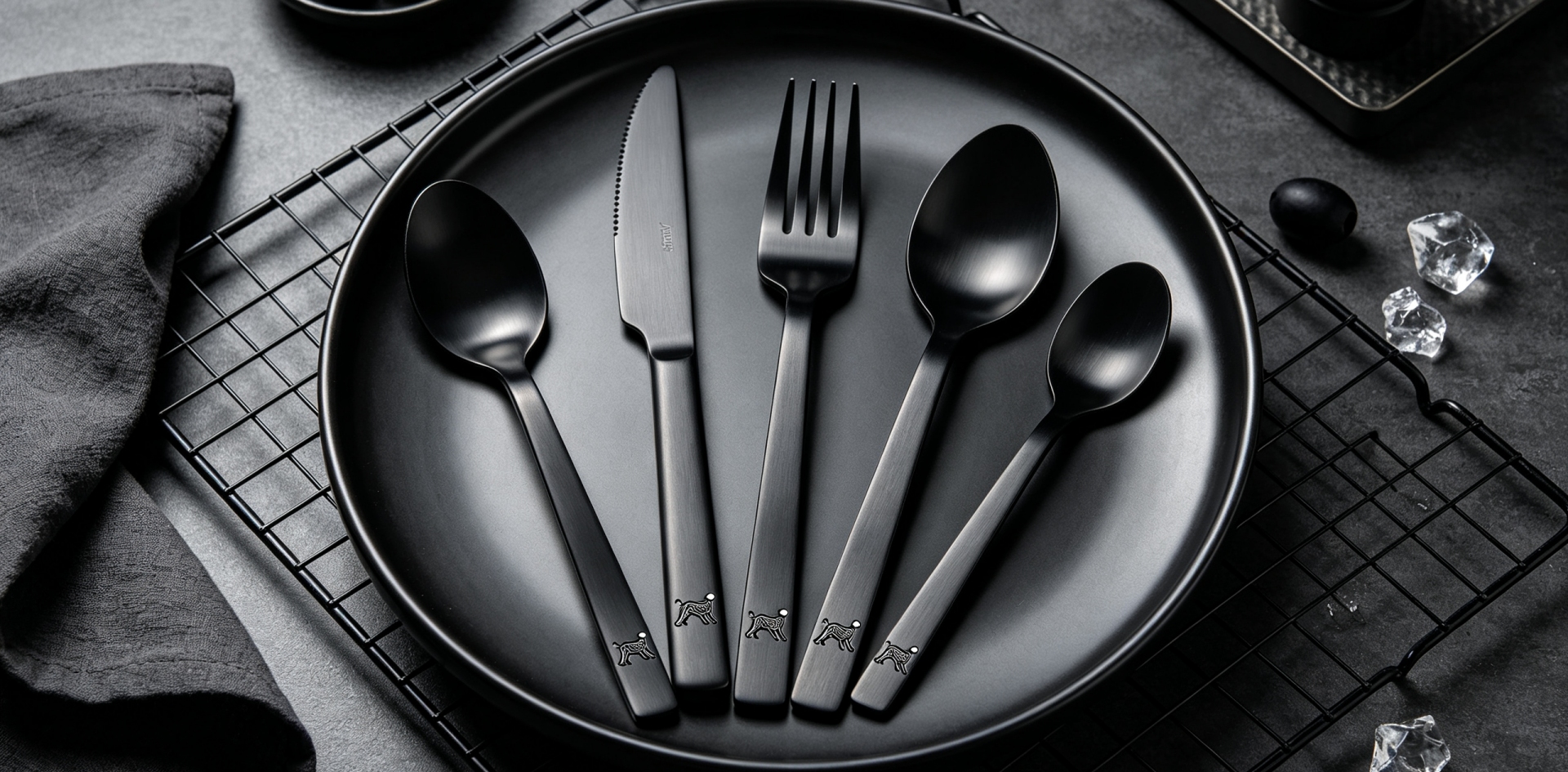
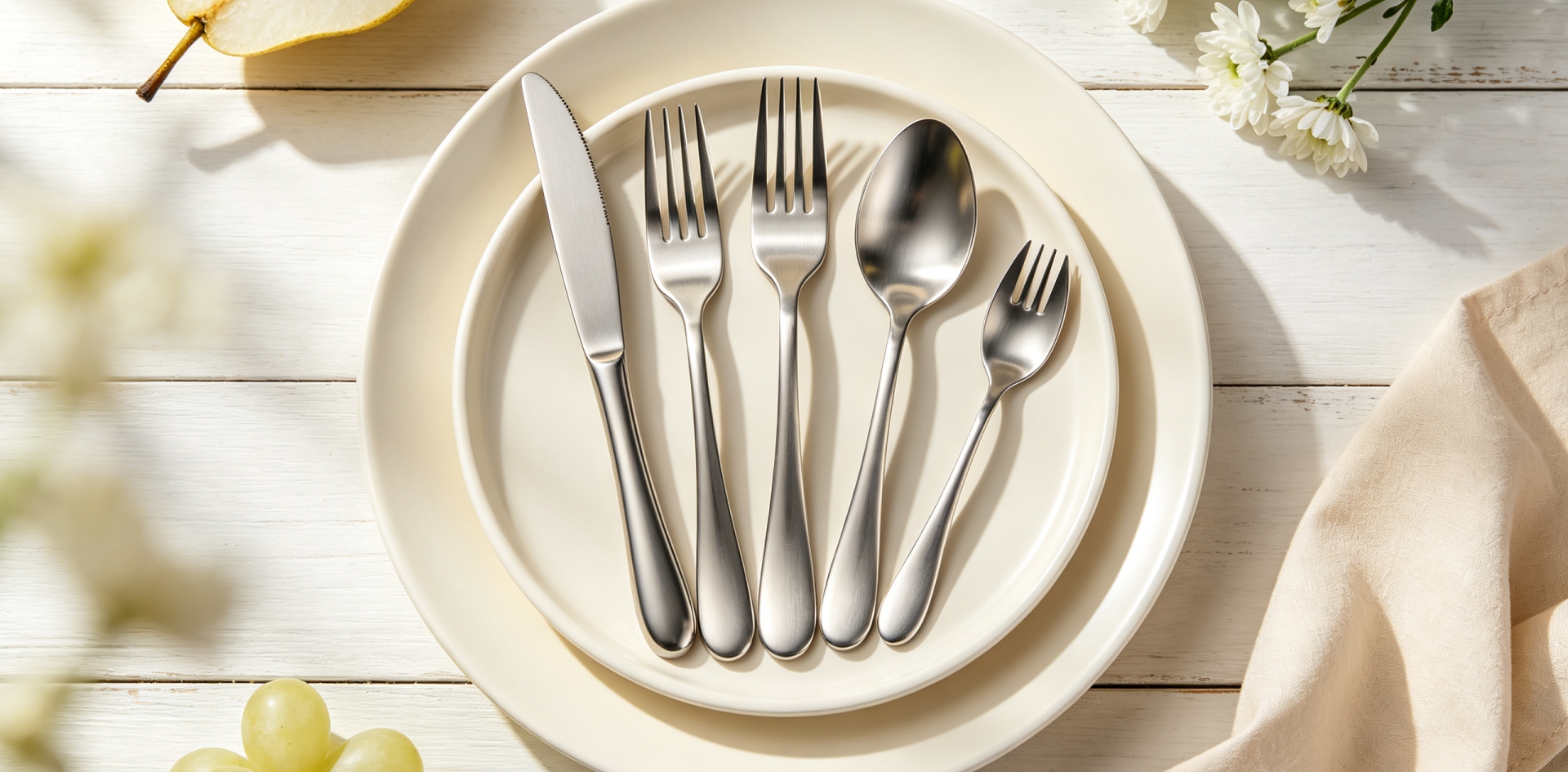
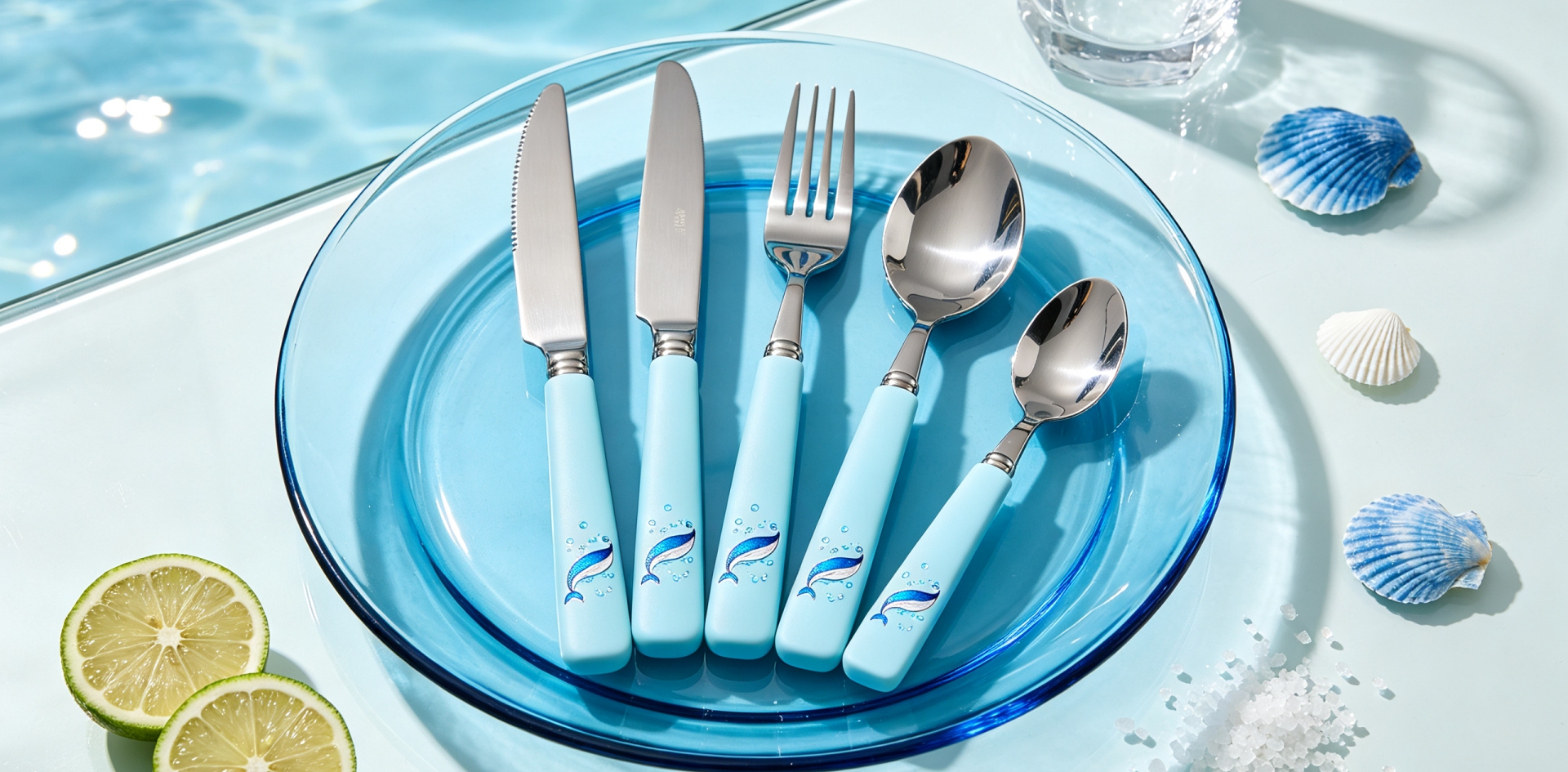
Imagine a customer looking at a table knife, dinner fork and table spoon from the same collection. Even though each product has a different function, the handle proportions, surface appearance and overall design should create a consistent impression.
This relationship becomes even more important when the products are displayed together in retail packaging or presented as a complete flatware set.
A coordinated range can also make future product expansion easier. Once a basic design direction has been established, additional pieces can be developed around the same concept instead of creating completely unrelated products.
For a distributor, this means one successful design can potentially support several SKUs and sales opportunities.
Matching Knives, Forks and Spoons
One of the most important aspects of a cutlery series is the relationship between the main pieces.
The knife should visually complement the fork and spoon. The handle shape, proportions, surface treatment and general styling should work together.
This does not mean every dimension needs to be the same. A knife naturally has different structural requirements from a spoon or fork. What matters is that the differences appear intentional rather than accidental.
For example, a collection may use the same basic handle profile across all three pieces while adjusting the length and functional area of each item.
This creates a unified appearance while allowing every product to perform its intended function.
For B2B buyers, discussing the complete series with the manufacturer from the beginning can therefore be more effective than developing each item separately.
Design Consistency Across Different Products
A successful collection often has several recognizable details.
The handle may have a particular contour. The transition between the handle and functional area may follow a specific shape. The surface may use the same finish across the entire series.
These details can become part of the visual identity of the product.
When a distributor introduces additional products later, maintaining these characteristics helps the new items fit naturally into the existing range.
This is particularly useful for brands that plan to expand their catalog gradually. A cutlery collection can begin with several core products and later include additional knives, forks, spoons or complete sets without losing its original identity.
Planning for Wholesale Sales
Wholesale buyers need to think about how the collection will actually be sold.
Some customers may purchase individual pieces, while others may prefer complete sets. Some markets may focus on household use, while others may require products for professional or commercial applications.
The same design concept can sometimes be adapted into different product configurations.
For example, a coordinated collection can be offered as individual tableware pieces for replacement sales while also being packaged as a complete flatware set.
This gives distributors more flexibility when creating their product catalog.
It can also help retailers present multiple price points without moving away from the same overall collection.
Manufacturing Several SKUs Together
Producing several related products through the same factory can offer practical advantages.
The manufacturer already understands the design direction, technical requirements and finish of the collection. This can make communication more efficient when new products are added.
It can also simplify quality expectations. Instead of managing completely different manufacturing standards for each item, the buyer can establish a consistent set of requirements for the entire collection.
For larger B2B programs, this approach can make product management easier.
The key is to define the important characteristics before production begins. Product dimensions, materials, finishes, packaging requirements and other specifications should be clearly confirmed so that each SKU can be manufactured according to the same overall concept.
Balancing Design and Production
A design that looks attractive in a drawing or product image still needs to work in real manufacturing.
Handle curves, proportions and decorative details should be evaluated from a production perspective. A good product design should not only look distinctive but also be suitable for consistent production in commercial quantities.
This is where communication with an experienced manufacturer becomes valuable.
If a buyer already has a design concept, reference product or drawing, the manufacturer can review the requirements and determine how they can be translated into a production-ready product.
For custom projects, this step can help identify potential issues before a large order is placed.
Samples Before a Large Order
For a new cutlery series, physical samples are useful because photographs cannot show every aspect of a product.
A sample allows the buyer to examine the handle shape, balance, surface appearance and relationship between different pieces.
If several products are being developed together, reviewing the samples as a collection is particularly important.
A knife may look good on its own, while the same design may not match the fork or spoon as expected. Looking at the complete series makes it easier to identify these differences before bulk manufacturing.
Once the samples are approved, the final specifications can be used as a reference for larger production.
Building a Range That Can Grow
A B2B cutlery collection should ideally have room for future development.
A distributor may begin with a small number of fast-moving products and later add new items when customer demand becomes clearer.
A manufacturer that understands the original design direction can make this expansion easier.
Instead of starting from zero for every new product, the new SKU can be developed around the existing collection. This can help maintain visual consistency and make the catalog look more professional.
For brands, this also creates an opportunity to build a recognizable product family rather than a collection of unrelated products.
Custom Manufacturing for B2B Buyers
Not every buyer needs a completely new cutlery design. Some customers may already have a suitable product and simply need a reliable manufacturer for larger quantities.
Others may want to modify an existing model or create a new series from an original concept.
A flexible manufacturing partner should be able to understand these different requirements.
Homefelt has more than 40 years of experience in the stainless steel cutlery business and works with B2B customers on stainless steel knives, forks, spoons and cutlery sets.
For custom projects, customers can provide product references, drawings, samples or basic design ideas. These materials can be used as a starting point for discussing the product requirements and production possibilities.
The objective is to create products that are not only visually suitable but also practical for wholesale and repeat orders.
Why Product Consistency Supports Long-Term Business
For a distributor, consistency has value beyond appearance.
If a cutlery collection sells well, customers may return to purchase additional pieces. Retail buyers may also reorder the same products for future seasons or promotional programs.
This means the manufacturer needs to maintain a reliable production standard over time.
When the same collection is reordered, the buyer expects the products to remain consistent with previously approved samples.
A dependable manufacturing process can therefore become an important part of a long-term B2B supply relationship.
From Product Idea to Bulk Production
Developing a coordinated cutlery series does not need to be complicated.
The process can begin with a simple idea: a preferred handle style, an existing product reference, a drawing or a target market.
From there, the manufacturer and buyer can define the main products, confirm the required specifications, develop samples and prepare the collection for bulk production.
For wholesale customers, it is also useful to consider the expected order quantity and future replenishment from the beginning. This helps ensure that the selected product concept is suitable not only for the first shipment but also for ongoing commercial sales.
A well-planned stainless steel cutlery series can give distributors more flexibility, help brands create a recognizable product range and provide retailers with products that are easier to present as a collection.
Choose a Manufacturing Partner for Your Cutlery Range
When selecting a B2B stainless steel cutlery manufacturer, look beyond the ability to produce individual products.
Consider whether the factory can support several related SKUs, maintain consistent quality, develop samples and handle the requirements of repeat bulk orders.
This broader manufacturing capability can be particularly valuable when your business is building a product range rather than purchasing a single item.
If you are planning a new stainless steel cutlery series, you can start with the products you need, your approximate quantity and any design references you already have.
A direct discussion with the manufacturer can then help turn those requirements into a practical product and production plan.
Request a quotation for a stainless steel cutlery series
Develop custom knives, forks and spoons for your business
Ask about OEM stainless steel cutlery manufacturing
Request samples for a new flatware collection
Saisonale Edelstahlbesteck-Kollektionen für B2B-Handelsprojekte
Couverts Inox Colorés Personnalisés pour Marques et Grossistes B2B
Related Article