
Colored Stainless Steel Flatware Consistency for OEM and Private Label Orders
Colored Stainless Steel Flatware Consistency for OEM and Private Label Orders
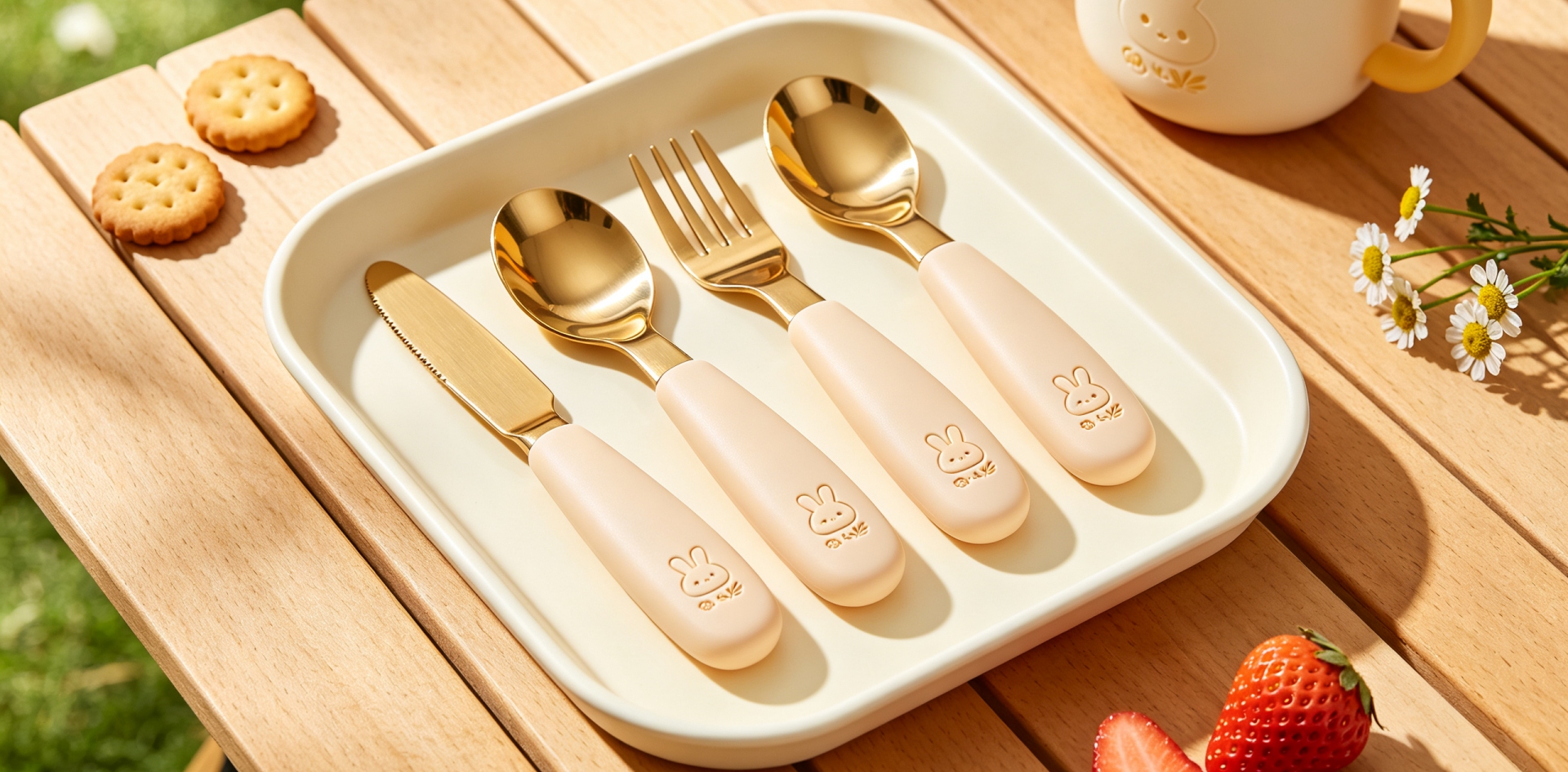
Colored stainless steel flatware has become an important option for brands and distributors looking to create a distinctive tableware collection. Gold, black, rose gold and other decorative appearances can give a standard knife, fork or spoon a different market position.
For B2B buyers, however, choosing a color is only the beginning. The more important question is whether the same appearance can be maintained across knives, forks, spoons and repeat production orders.
When a complete flatware collection is displayed together, even small differences between pieces can become noticeable. This makes color consistency an important consideration for OEM, ODM, private label and wholesale projects.
Homefelt factory specializes in stainless steel cutlery and can support customers developing colored knife, fork and spoon collections according to their product specifications and target market.
Why Color Consistency Matters in Flatware
A stainless steel flatware set normally contains several different product shapes. The knife, fork and spoon have different surfaces and geometries, so the way light reflects from each piece can vary.
If the intended color or visual effect is not properly coordinated, the three products may appear different even when they are supposed to belong to the same collection.
For private label brands, this can affect the overall presentation of the product. A coordinated appearance helps create a stronger and more professional product identity.
For wholesalers and distributors, consistency also matters because customers expect replacement pieces and additional SKUs to match the original collection.
Common Colored Flatware Styles
Different markets may have different preferences for colored stainless steel flatware.
Gold is often selected for decorative, hospitality or premium-looking collections. Black can create a modern and minimalist appearance, while rose gold can be used for a softer or more distinctive visual style.
Other customized colors may also be developed depending on the customer's project.
The important point for B2B buyers is that color should be treated as part of the product specification. A simple color name may not provide enough information to reproduce the exact appearance consistently.
Sample Approval Is Essential
For colored flatware, physical sample approval is particularly useful.
A photograph on a screen can be affected by lighting, camera settings and display differences. The actual stainless steel product provides a much more reliable reference for evaluating the intended appearance.
Before bulk production, buyers can review samples of the knife, fork and spoon together.
The goal is to confirm that the products create a coordinated appearance when placed side by side.
For private label projects, the approved sample can then become the reference for future production.
Matching Knife, Fork and Spoon
The three main flatware pieces may have different surface areas and shapes.
A knife has a relatively broad blade and handle structure. A fork has narrow tine sections, while a spoon includes a curved bowl.
These differences can influence the visual effect of a colored surface.
For this reason, buyers should not approve the appearance based on only one product. The complete collection should be reviewed together.
Homefelt can coordinate samples across different SKUs so customers can evaluate the overall collection before mass production.
Color and Surface Finish
Color should also be considered together with the underlying surface finish.
A highly reflective surface can create a different visual impression from a softer finish even when the intended color is the same.
For example, two gold flatware samples may have a similar basic tone but appear different because one reflects more surrounding light.
Therefore, a B2B specification should identify both the desired color appearance and the surface treatment.
This provides a clearer reference for production.
Controlling Consistency Across Large Orders
For a small sample quantity, visual differences may be difficult to identify. With a large production order, however, consistency becomes much more important.
Buyers may receive thousands of knives, forks and spoons in one shipment. The products need to maintain a consistent appearance across the entire batch.
Production samples and approved standards can provide a reference for quality inspection.
For repeat orders, maintaining the original reference is equally important. If the customer reorders the same product later, the new production should remain visually compatible with the original stock.
This is particularly valuable for distributors and private label brands with long product cycles.
Color Consistency Across Different SKUs
A complete collection may contain more than the basic knife, fork and spoon.
A customer may also develop additional spoon sizes, different fork models or other matching flatware pieces.
When several SKUs share the same decorative appearance, they should be evaluated as one collection.
The objective is not necessarily to make every product visually identical in every detail. Instead, the pieces should maintain a coherent appearance that allows customers to recognize them as part of the same range.
Homefelt can help coordinate these requirements during OEM and ODM product development.
Packaging and Color Presentation
Packaging can influence how colored stainless steel flatware is perceived.
Retail packaging may use photographs, inserts or transparent sections that place the actual product appearance directly in front of the customer.
For private label brands, the packaging design and product color should therefore work together.
Homefelt provides one-stop service covering product development, packaging and transportation. Customers can coordinate the colored flatware specification with their packaging requirements before mass production.
This can help reduce changes later in the project.
How Buyers Can Check Colored Flatware Samples
When reviewing a sample, buyers can evaluate:
-
Color consistency between knife, fork and spoon
-
Appearance under consistent lighting
-
Surface finish
-
Color around different product sections
-
Visual consistency between multiple samples
-
Compatibility with the intended packaging
-
Appearance compared with the approved reference
It is useful to inspect several pieces rather than relying on a single sample.
For larger projects, the buyer can also establish an agreed reference sample before production begins.
Project Experience in Colored Flatware
Homefelt has experience in stainless steel cutlery production and works with customers developing different product collections.
A project may involve a standard stainless steel appearance or a customized decorative finish for a private label range.
Customers can provide product drawings, reference samples, color references or existing products. The factory can then review the requested knife, fork and spoon specifications and prepare samples for confirmation.
This gives buyers an opportunity to evaluate the finished product before committing to bulk production.
Specifications for B2B Colored Flatware
A complete purchasing specification can include:
-
Stainless steel material
-
Product dimensions
-
Thickness
-
Surface treatment
-
Desired color appearance
-
Approved reference sample
-
Individual product SKUs
-
Packaging requirements
-
Quantity per SKU
-
Total order quantity
-
Required testing or documentation
Clearly recording these details helps create a stable reference for both initial and repeat orders.
Factory Qualifications and Quality Support
For international B2B customers, supplier qualifications can be part of the purchasing evaluation.
Homefelt has passed BSCI, SEDEX 4P, BRC and ISO9001 requirements and has experience working with well-known brands. The company also has FAMA and FSC certifications.
The exact testing or documentation required can vary according to the customer's market and product application. Buyers can communicate their requirements during the development stage so the factory can evaluate them together with the product specification.
OEM, ODM and Private Label Manufacturing
Colored stainless steel flatware can be developed as part of an OEM or ODM project.
Homefelt supports customized knives, forks, spoons and complete flatware collections for wholesalers, distributors and private label brands.
Customers can define the product structure, color appearance, surface treatment and packaging according to their market positioning.
For private label projects, the factory can coordinate product manufacturing with branded packaging and transportation requirements.
For bulk orders, approved samples can be used as a reference for production and inspection.
One-Stop Service for B2B Customers
A colored flatware project often involves several connected requirements.
Product design, surface treatment, packaging, quality control and transportation all need to work together.
Homefelt provides one-stop service based on the customer's actual situation and can develop an exclusive service package covering product design, manufacturing, packaging and transportation.
This allows customers to manage the project through one experienced manufacturing partner instead of coordinating several independent suppliers.
For long-term customers, the goal is to maintain stable product standards and support continued product development as their business grows.
Serrated Stainless Steel Table Knife Design for OEM and Wholesale Orders
Stainless Steel Flatware Surface Protection for OEM and Bulk Orders
Related Article



