Stainless Steel Cutlery Manufacturer | Develop Custom Cutlery for Your Market
Stainless Steel Cutlery Manufacturer: How to Develop Custom Cutlery for Your Target Market
Custom stainless steel cutlery is not developed only by choosing a spoon, fork, or knife shape. For B2B buyers, a successful product should also match the intended market, customer expectations, price positioning, sales channel, and brand strategy.
A product designed for a premium retail collection may have very different requirements from one developed for wholesale distribution. Hospitality buyers may focus on practical performance and repeat supply, while a private-label brand may place greater importance on appearance, packaging, and product differentiation.
This is why working with an experienced Stainless Steel Cutlery Manufacturer can be valuable during the early stages of a custom project. The manufacturer can help turn a general product idea into a clearer production requirement based on the actual commercial purpose of the cutlery.
Start With the Customer You Want to Serve
Before developing a custom cutlery product, buyers should first consider who will eventually use or purchase it.
The target customer can influence many product decisions.
A retailer selling directly to consumers may need a visually distinctive product that stands out in a competitive market. A wholesaler may need a practical design suitable for serving multiple customer groups. A hotel supplier may focus on a professional appearance that fits different dining environments.
The more clearly a buyer understands the intended customer, the easier it becomes to define the product.
A manufacturer can then work from those requirements rather than developing a product without a clear commercial direction.
Different Markets Can Have Different Expectations
International buyers may sell stainless steel cutlery in markets with different customer preferences.
Some markets may prefer classic designs that are easy to match with existing tableware. Others may have stronger demand for modern shapes, distinctive finishes, or coordinated product collections.
The preferred set configuration may also vary depending on the sales channel.
For this reason, B2B buyers should explain the intended market when discussing a custom project with a Stainless Steel Cutlery Manufacturer.
The market information does not need to include every detail. Even basic information about the target customer, sales channel, and expected product positioning can help create a more suitable development direction.
Define the Product Position Before Confirming Specifications
A custom cutlery project should have a clear commercial position.
For example, is the product intended to compete in an entry-level market, a mid-range retail category, a premium tableware segment, or a professional hospitality supply channel?
The answer can influence decisions about material, dimensions, weight, handle design, finish, packaging, and customization.
A buyer does not necessarily need to choose the most expensive specification to create a successful product.
The objective is to select specifications that match the intended customer and product position.
A well-balanced product can provide stronger commercial value than a design that includes unnecessary features or production costs.
Consider the Sales Channel
Where and how the product will be sold can affect how it should be developed.
A product sold through traditional retail stores may need packaging that supports shelf presentation.
An e-commerce brand may require packaging that provides both visual appeal and suitable protection during parcel transportation.
A wholesale distributor may prioritize bulk packaging and efficient storage.
A hospitality supplier may focus on product consistency and the ability to replenish the same items over time.
By considering the sales channel early, buyers can avoid developing a product that later requires significant changes before it is commercially ready.
Develop the Right Product Range
Not every business needs the same number of cutlery products.
A new brand may start with a simple four-piece collection. A larger retailer may require several different set configurations. A distributor may prefer to offer individual pieces and complete sets to serve different customer requirements.
The right product range should balance customer demand with practical inventory management.
Launching too many SKUs at the beginning can increase purchasing complexity. Starting with a smaller group of well-selected products can make it easier to evaluate market response.
Additional products can be developed later as the business grows.
A Stainless Steel Cutlery Manufacturer can support this approach by helping buyers develop a foundation for future product expansion.
Choose Product Characteristics That Support Your Positioning
The visual and physical characteristics of the cutlery should support the intended market position.
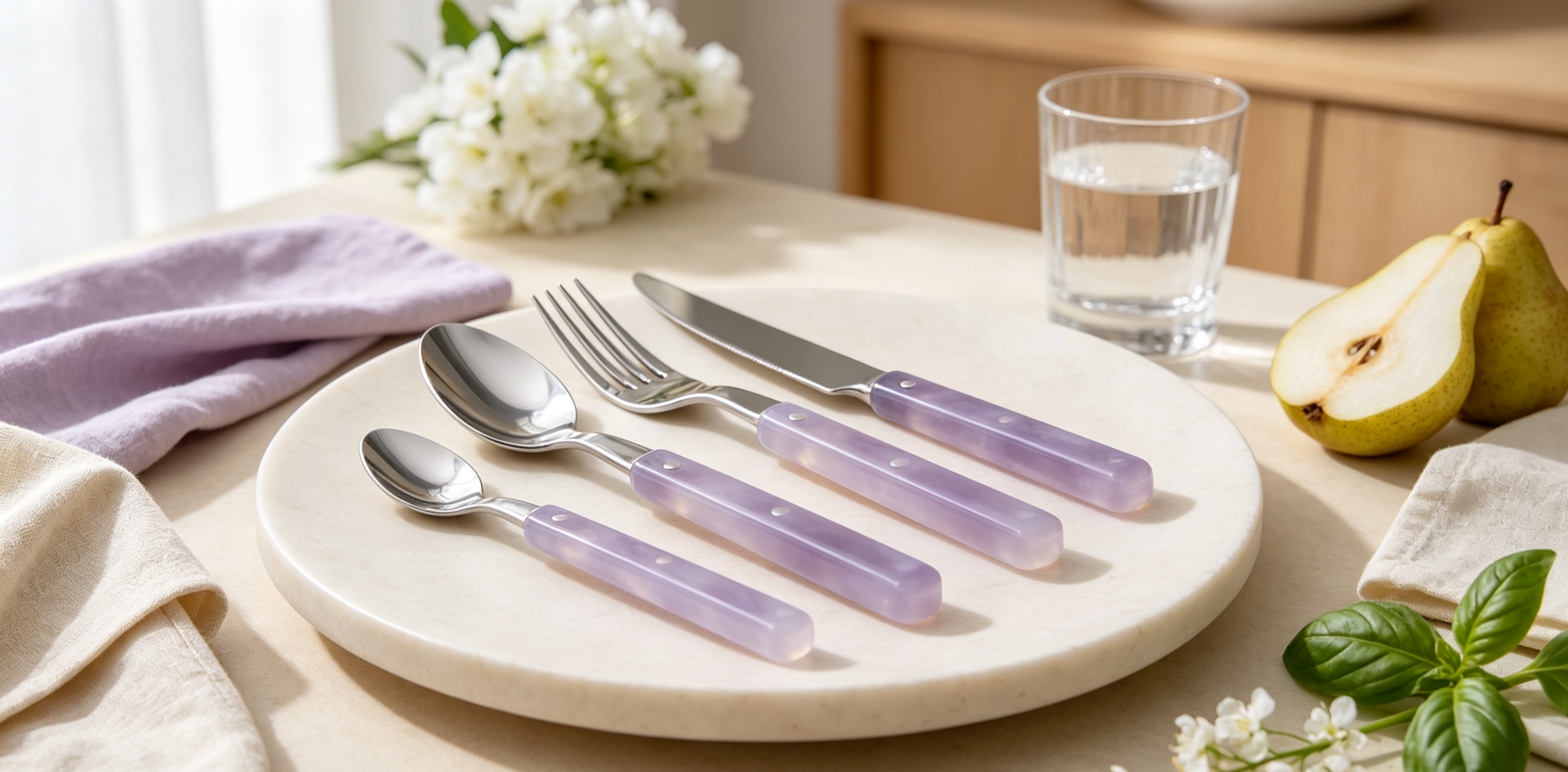
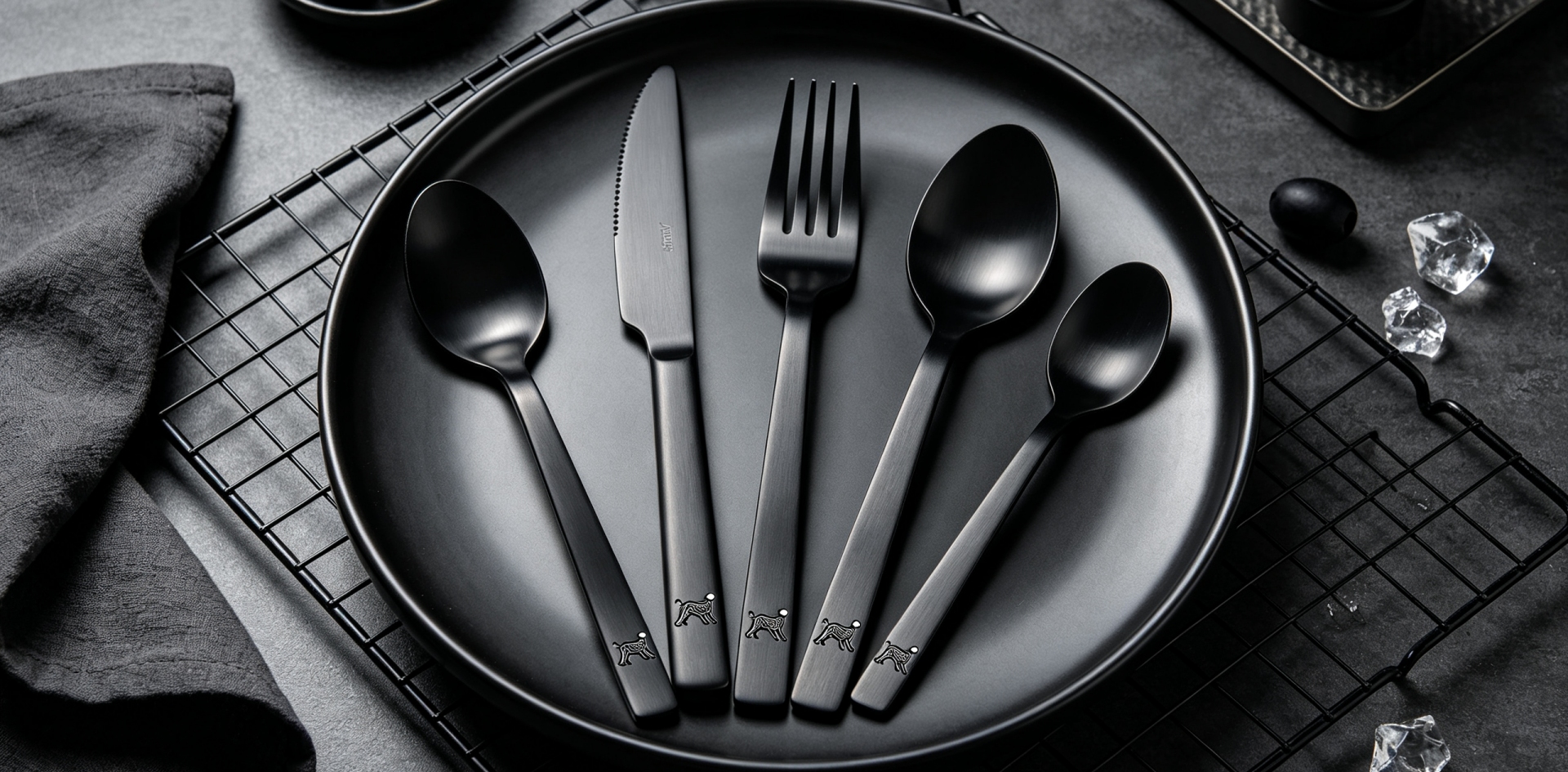
Handle shape, proportions, product weight, thickness, finish, and overall appearance all contribute to how customers perceive the product.
A contemporary collection may use clean and simple lines.
A more traditional range may use familiar proportions and decorative details.
A premium collection may require more distinctive design features and refined presentation.
The key is to create consistency between the product and the way it will be marketed.
If the cutlery is positioned as part of a premium collection, the product details and packaging should support that message. If the objective is efficient commercial supply, unnecessary complexity may not provide additional value.
Custom Design Can Create Product Differentiation
In competitive B2B markets, differentiation can help a product stand apart from standard catalog items.
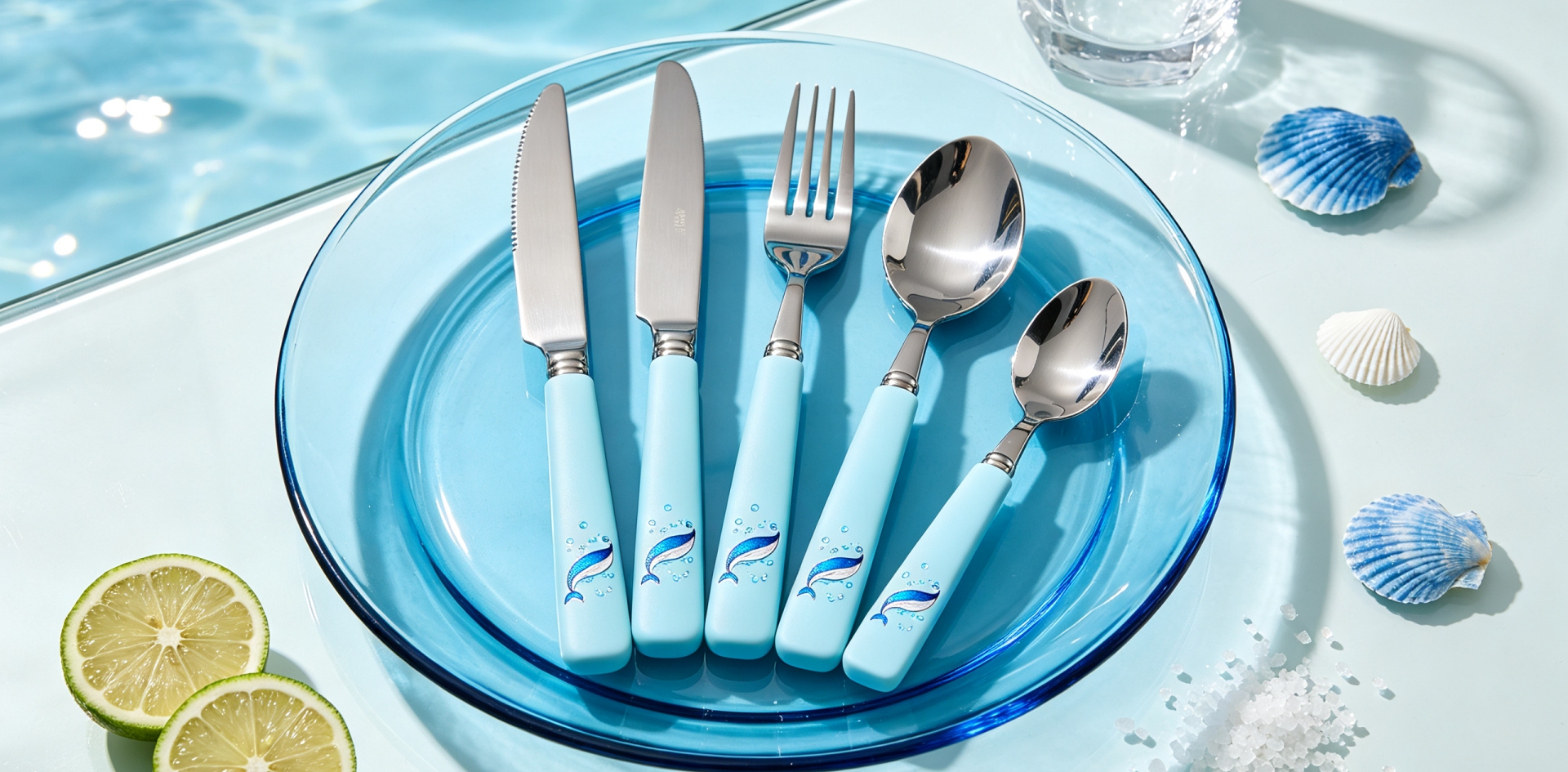
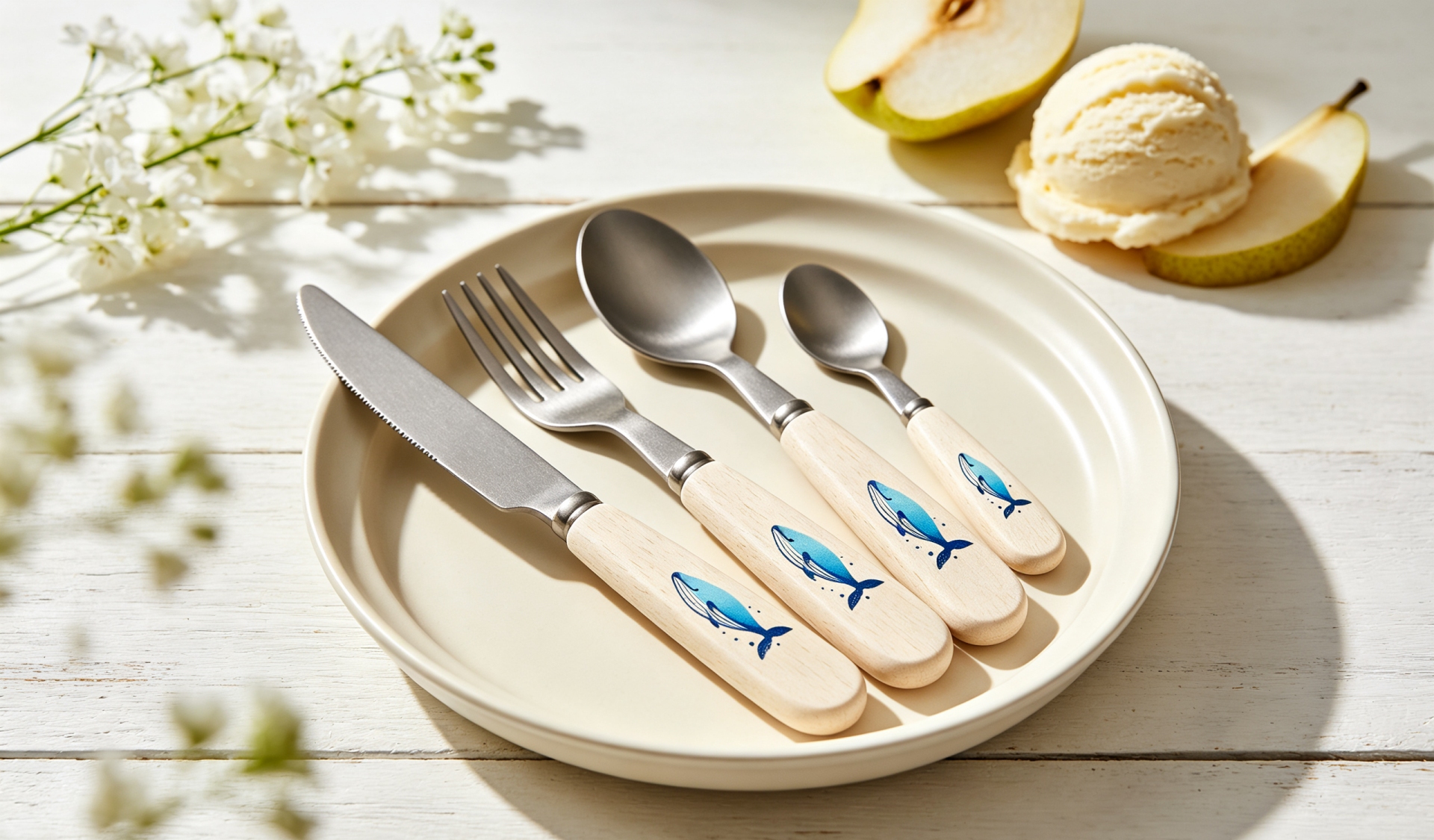
Customization can include handle shapes, product proportions, surface finishes, logos, branding, set composition, or packaging.
The level of customization should be based on the business objective.
Some buyers may only need a logo added to an existing design. Others may want to develop an exclusive flatware collection for their brand.
A professional Stainless Steel Cutlery Manufacturer can evaluate the requested design and discuss which manufacturing solution is suitable for the project.
Build Around a Clear Brand Identity
For private-label projects, cutlery can become part of the brand's overall product identity.
The products should therefore be developed with branding in mind rather than adding a logo after every other decision has been made.
The shape, finish, logo position, packaging, and product presentation can all contribute to a more consistent brand image.
A coordinated product range can also make future expansion easier.
For example, once a brand has established a recognizable handle style, new spoons, forks, knives, or serving pieces can be developed using the same design direction.
This allows the product range to grow without losing its identity.
Think About Price Positioning Early
Price positioning should be considered during product development rather than only after the product has been finalized.
Every major product decision can affect the manufacturing cost.
Material selection, product weight, thickness, custom tooling, finishing, branding, packaging, and order quantity can all influence the final quotation.
If a buyer has a target price range, discussing this early with the manufacturer can help create a more practical product specification.
The goal is not simply to reduce the price. It is to balance the desired product appearance and performance with the commercial requirements of the target market.
Use Market Information to Improve Your Product Brief
A buyer does not always need a complete technical drawing before contacting a manufacturer.
A product brief can begin with reference images, existing products, a general design concept, estimated quantities, target customer information, and desired customization.
The manufacturer can then help identify the specifications that need to be confirmed.
For example, a buyer may know that the target customer is looking for a modern retail flatware set but may still be deciding on the exact handle dimensions or finish.
Starting the conversation early can help clarify these requirements before unnecessary development work takes place.
Consider Long-Term Sales Potential
A custom cutlery product should not be evaluated only as a first production order.
If the product is successful, the buyer may need repeat orders, additional set configurations, or matching products.
For this reason, the initial development stage should also consider the future.
Can the same design be expanded into additional products?
Can future orders maintain the same specifications?
Can the packaging system support new set configurations?
Can the collection develop into a larger product range?
Thinking about these questions early can help create a stronger long-term product strategy.
Develop Products That Are Practical to Manufacture
A design concept may look attractive in an image but require adjustments before mass production.
Certain shapes, proportions, decorative details, or surface requirements can affect tooling and production.
An experienced Stainless Steel Cutlery Manufacturer can review the product concept from a manufacturing perspective.
This does not mean that creativity needs to be limited. Instead, it helps ensure that the final design can be produced consistently at the required quantity.
Practical manufacturing considerations can also help control unnecessary development costs and production complexity.
The Manufacturer Should Understand Your Business Direction
A better manufacturing relationship begins when the factory understands more than the basic product.
If the manufacturer knows the target market, expected quantity, sales channel, customer positioning, and long-term product plans, it can provide more relevant production support.
For example, a buyer planning a private-label collection may need assistance with product differentiation and packaging.
A distributor planning a long-term supply program may need stable specifications and support for future replenishment.
A retailer entering a new category may begin with a small product range and expand based on customer demand.
These projects have different requirements even when all of them involve stainless steel cutlery.
From Product Idea to Manufacturing Requirement
Many B2B buyers begin with an idea rather than a complete technical specification.
They may have seen a style they like, identified a market opportunity, or decided to create a product under their own brand.
The next step is to turn that idea into a practical manufacturing project.
This may involve confirming the product type, dimensions, material, finish, branding, packaging, quantity, and other requirements.
Working with a manufacturer during this process can help organize the project and identify which details need to be finalized before sampling and mass production.
Homefelt for Custom Cutlery Product Development
Homefelt Houseware Co., Limited has more than 40 years of experience in stainless steel cutlery manufacturing and supports international B2B customers with stainless steel spoons, forks, knives, flatware sets, OEM, ODM, and private-label projects.
For buyers developing products for different markets and sales channels, Homefelt can work from product concepts, reference samples, drawings, branding requirements, packaging ideas, and estimated quantities.
The project can begin with a simple product inquiry and develop step by step as the specifications become clearer.
Whether the goal is to create a new private-label collection, develop a custom flatware range for retail, supply a wholesale product line, or introduce a differentiated product for a specific market, clear communication at the beginning can help create a stronger manufacturing solution.
A custom stainless steel cutlery project becomes more valuable when the product is developed with the final market in mind.
The right design is not simply the one that looks attractive. It should also fit the target customer, support the intended sales channel, match the desired price positioning, and provide a practical foundation for future orders.
For B2B buyers ready to develop a custom product, sharing your target market, product concept, estimated quantity, and customization requirements is an effective first step toward receiving a more suitable manufacturing proposal.
Develop Custom Stainless Steel Cutlery for Your Target Market
Send Your Cutlery Product Idea to Our Manufacturing Team
Request a Custom Flatware Development Solution for Your Brand
Start Your Private Label Stainless Steel Cutlery Project
Discuss Your Target Market and Custom Cutlery Requirements With Our Factory
Get a Manufacturing Proposal for Your New Cutlery Product
Request Custom Spoons, Forks and Knives for Your Product Range
Turn Your Flatware Idea Into a Custom Manufacturing Project
Contact Our Factory to Develop a Cutlery Collection for Your Brand
Send Your Product Requirements and Start Your Custom Cutlery Inquiry
Related Article