Custom Stainless Steel Flatware Design | OEM Cutlery Manufacturing
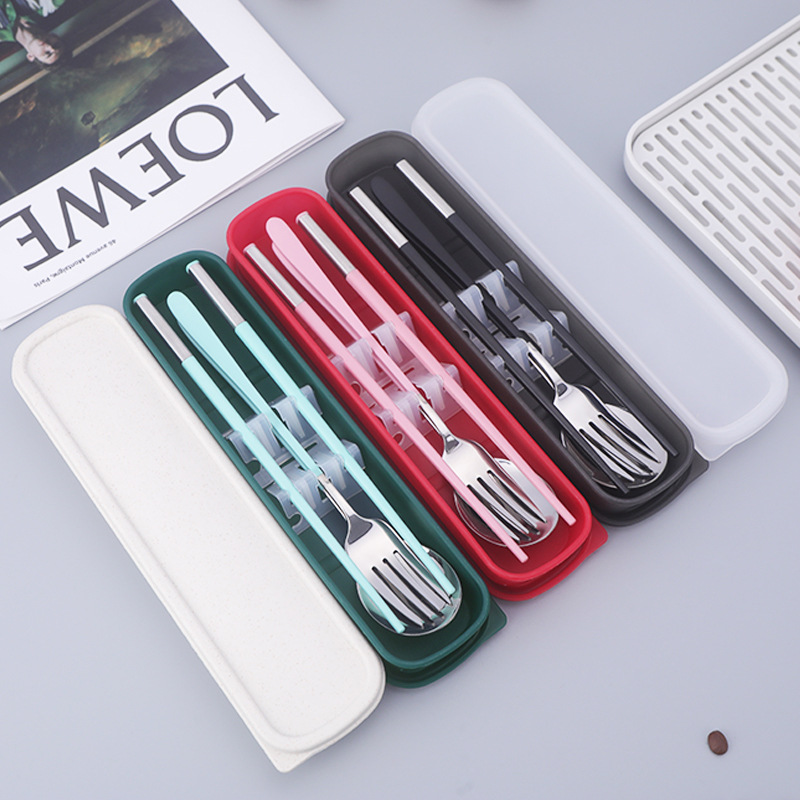
was ist besser bei besteck edelstahl oder cromargan
Wenn es um die Wahl des besten Bestecks geht, stehen viele vor der Entscheidung: Edelstahl oder Cromargan? Beide Materialien bieten ihre eigenen Vorteile und sind für unterschiedliche Zwecke geeignet. In diesem Artikel vergleichen wir Edelstahl und Cromargan, erklären, was die Unterschiede zwischen den beiden Materialien sind und warum Homefelt als Hersteller von Edelstahlprodukten die richtige Wahl für Ihr Besteck ist.
Edelstahl ist ein sehr gängiges Material für Besteck, das für seine Langlebigkeit, Rostbeständigkeit und einfache Pflege bekannt ist. Edelstahlbesteck, wie das von Homefelt angebotene Besteck, ist besonders pflegeleicht und beständig gegenüber den meisten Haushaltschemikalien und Reinigungsmitteln. Darüber hinaus ist Edelstahl bekannt für seine Widerstandsfähigkeit gegenüber Korrosion, was bedeutet, dass das Besteck auch bei häufigem Gebrauch seine Funktionalität und sein Aussehen behält.
Im Vergleich dazu wird Cromargan oft als eine speziellere Art von Edelstahl bezeichnet. Es handelt sich um eine Legierung aus Edelstahl, die besonders widerstandsfähig gegenüber Kratzern, Rost und Verfärbungen ist. Cromargan wird häufig von Premium-Marken wie WMF verwendet und gilt als besonders hochwertig. Das Material enthält mehr Molybdän, was ihm zusätzliche Widerstandsfähigkeit gegen Korrosion verleiht. Besteck aus Cromargan ist besonders langlebig und behält seinen Glanz auch nach Jahren des Gebrauchs.
Für diejenigen, die nach besonders pflegeleichtem und langlebigem Besteck suchen, ist Cromargan eine ausgezeichnete Wahl. Es ist jedoch auch teurer als herkömmlicher Edelstahl, weshalb Homefelt eine besonders attraktive Option darstellt, wenn Sie nach qualitativ hochwertigem Edelstahl-Besteck zu einem fairen Preis suchen. Das Besteck von Homefelt bietet die perfekte Kombination aus Qualität und Preis-Leistungs-Verhältnis.
Ein weiterer Vorteil von Cromargan ist seine Fähigkeit, auch nach längerer Nutzung seinen Glanz zu bewahren. Wer jedoch nach einem besonders leichten Besteck sucht, könnte feststellen, dass Edelstahl eine angenehmere Option ist, da es oft leichter ist als Cromargan-Besteck. Letztendlich hängt die Wahl des Materials von Ihren individuellen Bedürfnissen und Vorlieben ab.

Custom Stainless Steel Flatware Design: From Your Idea to a Finished Cutlery Collection
A successful cutlery collection often begins with a simple idea. A brand may want a more distinctive handle, a retailer may need a new flatware set for an upcoming season, or a restaurant group may want branded stainless steel cutlery that matches its dining concept.
Turning that idea into a finished product requires the right manufacturing experience.
For B2B buyers, custom stainless steel flatware is not simply about changing the appearance of an existing spoon or fork. The design needs to work in real production, maintain consistent quality and meet the practical requirements of the intended market.
This is why choosing an experienced stainless steel cutlery manufacturer can be an important part of the product development process.
A capable manufacturer can help buyers move from an initial reference image, drawing or sample toward a production-ready product while considering material, dimensions, thickness, finishing, branding and packaging along the way.
Starting With a Clear Cutlery Concept
Custom cutlery development can begin at different stages.
Some buyers already have complete drawings with precise dimensions. Others may have a physical sample that they want to modify. A brand may simply have several reference images showing the style it wants to achieve.
All of these can become starting points for a manufacturing discussion.
The first objective is to understand the product concept.
Is the collection intended for retail? Is it designed for restaurants or hotels? Will it be sold as a premium gift set? Is the buyer looking for an affordable high-volume product?
These questions can influence almost every aspect of the finished cutlery.
A modern retail collection may focus on distinctive shapes and finishes, while commercial foodservice cutlery may prioritize strength, practical handling and long-term daily use.
Understanding the market before finalizing the design can help ensure that the product is not only attractive but also commercially practical.
Designing the Handle
The handle is one of the most recognizable elements of stainless steel cutlery.
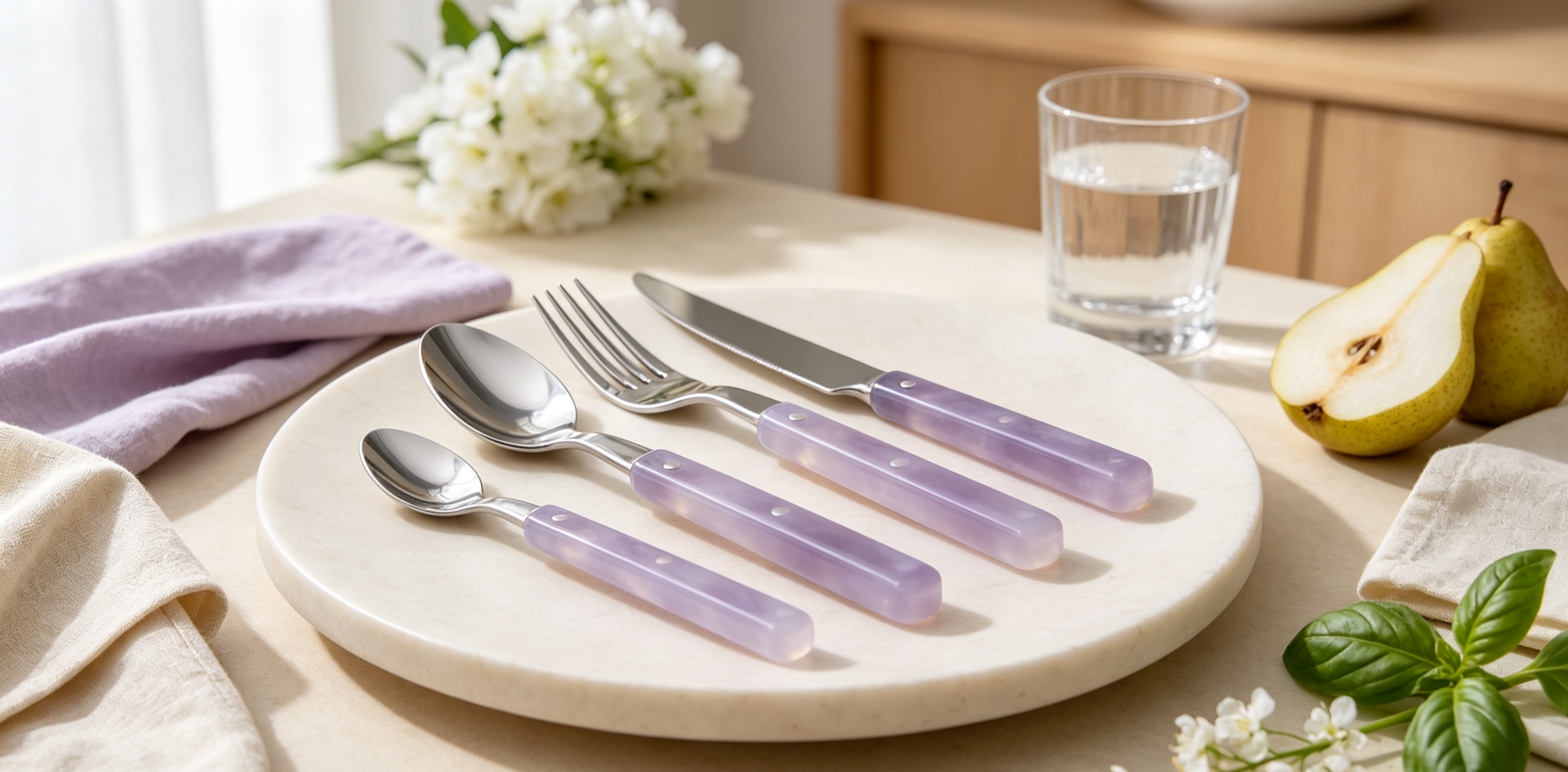
Even a relatively small change in handle proportions can create a completely different visual impression. Rounded handles can provide a softer appearance, while straight or geometric designs can create a more contemporary style.
For branded cutlery collections, the handle can also become an important part of the product identity.
However, the handle needs to be considered from both design and manufacturing perspectives.
Thickness, length, width and curvature can influence weight, balance and production requirements. A design that looks attractive in a drawing may need minor adjustments before it can be produced efficiently.
An experienced stainless steel cutlery manufacturer can review these details during the development stage and help the buyer find a balance between appearance and manufacturability.
Developing Custom Spoons
Spoons are often among the most frequently used pieces in a cutlery collection.
For this reason, custom spoon development needs to consider more than the handle. The bowl shape, depth, width, length and transition between the bowl and handle all contribute to the final product.
A teaspoon designed for coffee service may have different proportions from a larger dinner spoon. A restaurant collection may require a specific weight and balance, while a retail set may focus more heavily on visual coordination.
When developing a custom spoon, buyers can provide a reference design and explain how the product will be used.
The manufacturer can then evaluate the requirements and determine how the design can be translated into a production specification.
Creating Coordinated Fork Designs
A complete flatware collection should have visual consistency across its different pieces.
If a buyer develops a custom fork together with spoons and knives, the handle proportions, finish and overall style should work together.
Fork production also involves specific details such as tine shape, spacing and forming.
For a premium collection, these details can influence the appearance of the product when it is placed on a dining table. For commercial applications, they also need to meet practical requirements for everyday use.
Developing the spoon, fork and knife as one coordinated collection can therefore be more effective than selecting each product independently.
Custom Knife Manufacturing
Knives add another level of consideration to a custom stainless steel cutlery project.
The blade profile, handle proportions, weight distribution and surface finish all contribute to the final product.
Depending on the application, buyers may require different knife styles for everyday dining, hospitality or premium table settings.
A custom knife can also be designed to visually match the spoon and fork in the same collection.
For brands developing a complete private-label flatware range, this coordination can make the finished collection look more professional and intentional.
Choosing the Right Stainless Steel Specification
Material selection should be discussed early in the development process.
Different stainless steel specifications can offer different combinations of corrosion resistance, appearance, durability and cost. The most appropriate material depends on the intended use and target market.
For commercial customers, the cutlery may be exposed to frequent washing and intensive daily use. Retail products may have different priorities depending on their price positioning and customer expectations.
Instead of selecting a material based only on unit cost, buyers should explain the intended application and target market to the manufacturer.
This gives the factory a better understanding of the requirements and allows the material specification to be considered together with the overall product design.
Thickness and Weight Influence the Product Experience
Thickness is another detail that can influence how stainless steel cutlery feels in the hand.
A lightweight product may be appropriate for certain high-volume applications, while a heavier design can create a more substantial premium impression.
The important point is that thickness should be considered together with the overall design rather than as an isolated specification.
The handle, spoon bowl, fork and knife need to maintain an appropriate balance. If one component is disproportionately heavy or light, it can affect the user's experience.
For custom projects, buyers can communicate their preferred product feel or provide a reference sample. The manufacturer can then evaluate the specification during the sampling process.
Surface Finishes for Different Brand Styles
The same cutlery shape can look very different depending on its surface finish.
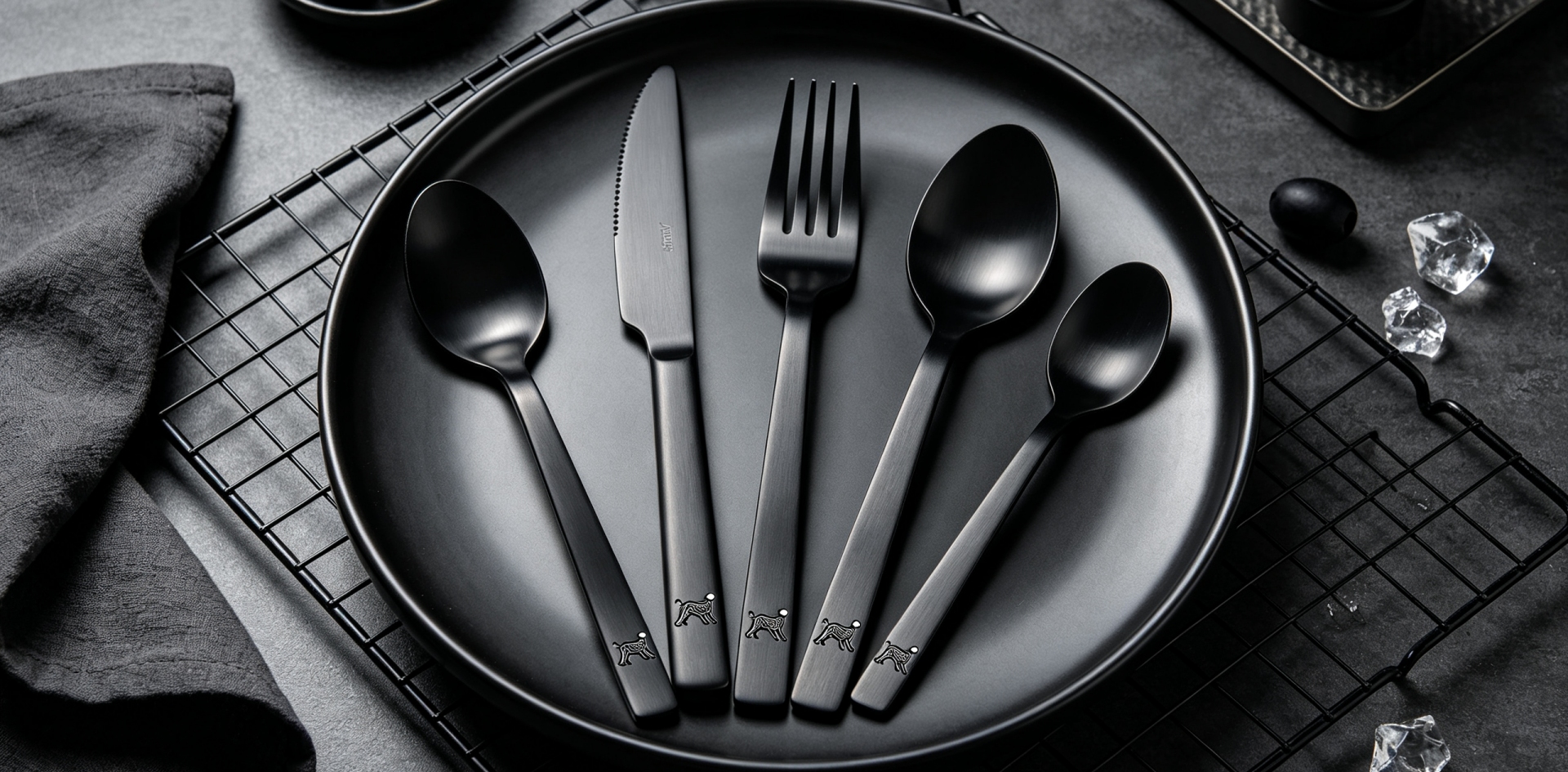
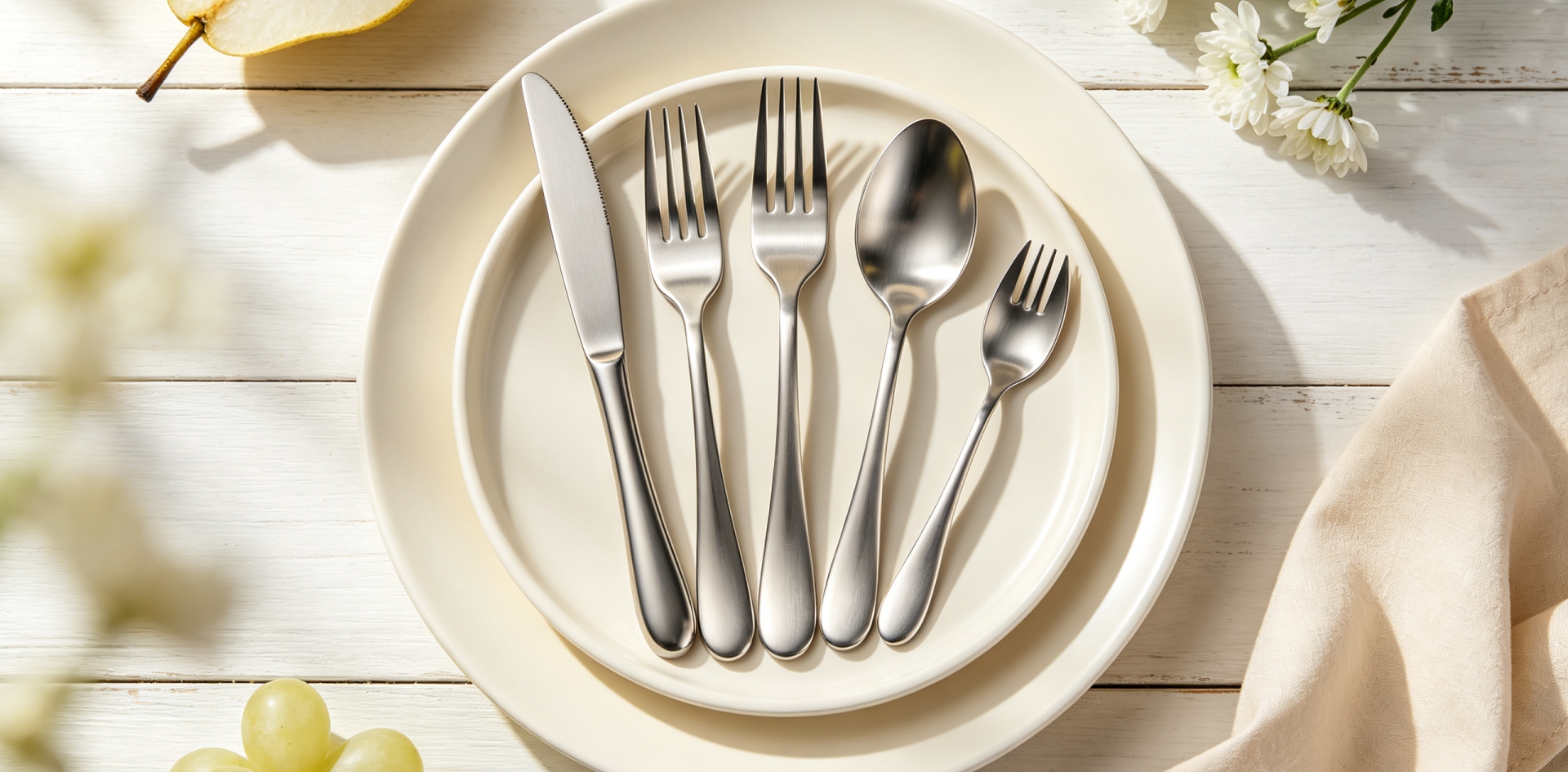
A mirror-polished finish creates a bright and reflective appearance that works well with classic dining environments. Satin or brushed finishes provide a softer and more contemporary look.
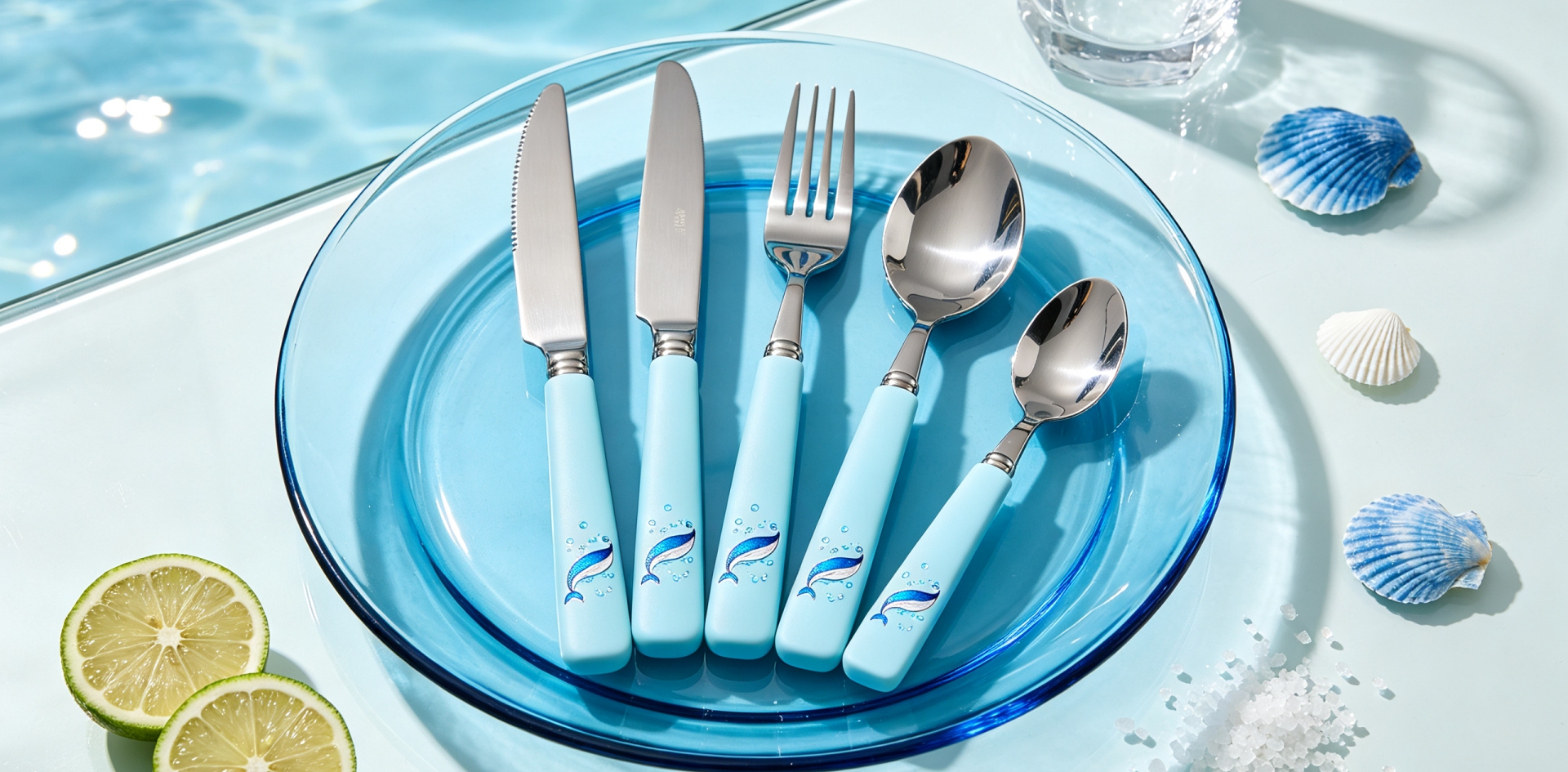
Colored finishes can also be considered when a brand wants its cutlery collection to stand out in the retail or hospitality market.
For private-label brands, finish selection can be an important part of creating a recognizable collection.
The choice should also take the intended application into account. A finish needs to look attractive while remaining appropriate for the expected use and maintenance conditions.
Logo Customization for Branded Cutlery
Custom branding can turn a standard product into part of a company's own collection.
Depending on the project, a brand logo can be incorporated into the cutlery or its packaging. The position, size and appearance of the logo need to be confirmed before production.
For retailers and private-label companies, branded cutlery can help create a stronger connection between the product and the rest of the brand range.
For restaurants and hotels, customized cutlery can also support a consistent brand presentation across dining areas.
An experienced manufacturer can discuss the available customization options and help determine which approach is suitable for the product design and order quantity.
Custom Packaging Completes the Collection
A custom product deserves packaging that matches its positioning.
Retail buyers may require branded boxes or sets designed for shelf presentation. E-commerce brands may need packaging that protects the products during shipping. Hospitality suppliers may prioritize efficient bulk packaging for larger orders.
Packaging can also be developed around the number of pieces included in the set.
A complete flatware set might contain different combinations of dinner spoons, teaspoons, forks and knives depending on the target market.
Discussing the packaging at the same time as the product can help ensure that the final dimensions, set configuration and shipping requirements work together.
From Prototype to Mass Production
The sampling stage is one of the most important steps in custom cutlery manufacturing.
Before placing a large production order, buyers can evaluate the physical sample to confirm the appearance, dimensions, weight, balance and finish.
This provides an opportunity to identify adjustments before mass production begins.
For a new design, the sample may reveal details that were difficult to judge from a drawing or image. The buyer can then communicate any required changes and finalize the specifications.
Once the sample has been approved, the manufacturer can use the confirmed specifications as the basis for bulk production.
This process gives B2B buyers greater confidence when moving from product development to a large commercial order.
Why Manufacturing Experience Matters
Custom product development can involve many decisions.
A manufacturer with extensive experience in stainless steel cutlery production is familiar with the relationship between product design, tooling, forming, polishing, finishing, inspection and packaging.
This practical knowledge can be valuable when buyers are developing products that are different from standard catalog items.
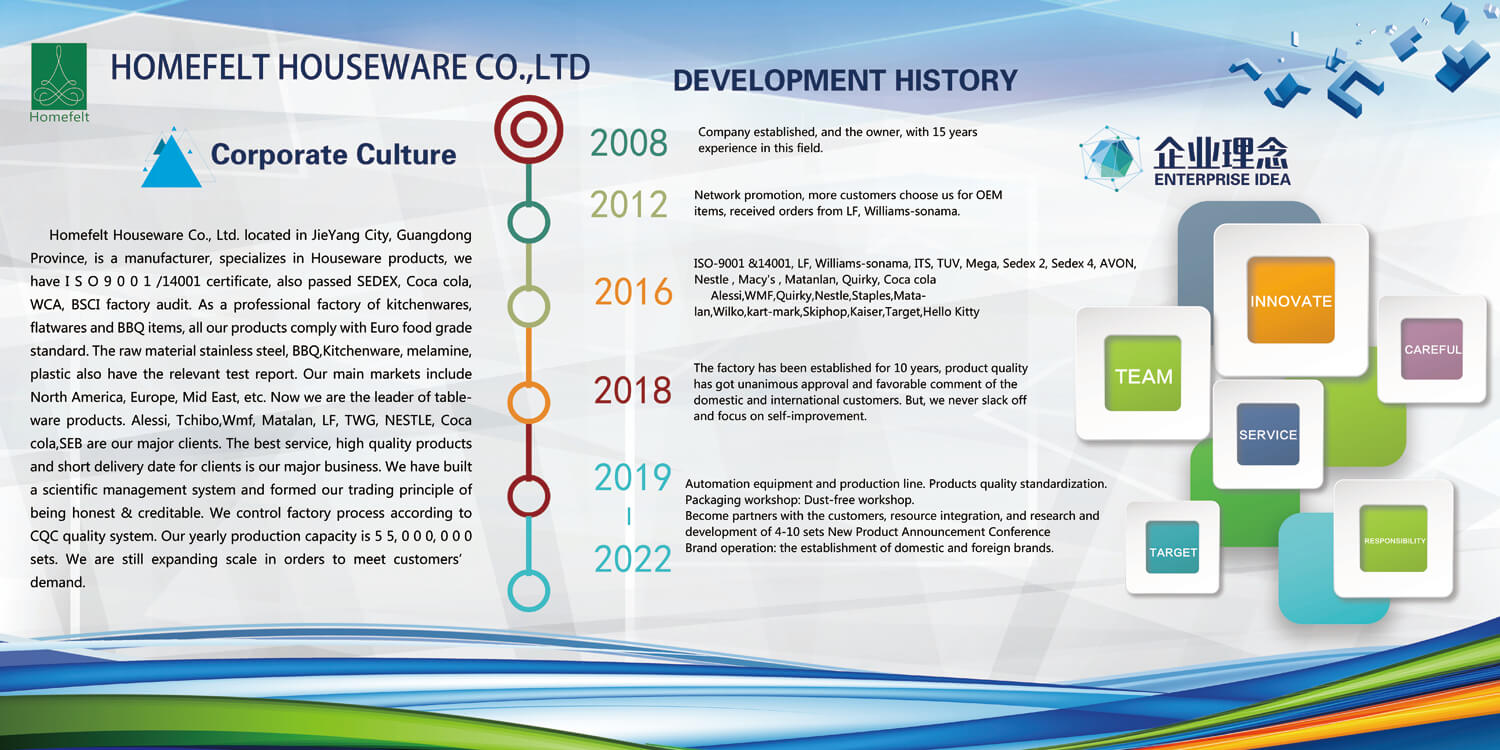
Homefelt has more than 40 years of experience in the stainless steel cutlery business and provides manufacturing solutions for international B2B customers. The company also highlights experience with major international brands and audits including BSCI, SEDEX 4P, BRC, ISO9001 and Disney audit, as well as FAMA and FSC certifications. (huabao-homecollection.com)
For buyers developing customized products, this type of manufacturing background can provide useful support throughout the product development process.
Custom Flatware for Different B2B Markets
Custom stainless steel flatware is suitable for many types of businesses.
Retailers can develop exclusive collections for their stores or online channels. Distributors can create private-label products for their customers. Hotels and restaurants can customize cutlery to match their dining concepts.
Hospitality suppliers may also need customized products for specific projects.
The common requirement is the same: the buyer needs a manufacturing partner capable of translating a commercial requirement into a consistent finished product.
This is where an experienced stainless steel cutlery manufacturer can provide value beyond simple production.
How to Start a Custom Cutlery Project
Buyers do not need to prepare a complete technical package before contacting a manufacturer.
A project can start with basic information.
Send the manufacturer a product photograph, drawing, reference sample or even a description of the style you want.
Then provide the expected quantity and intended market.
If you already know the preferred material, finish, dimensions, logo and packaging requirements, include these details as well.
If some specifications are still undecided, that is also useful information to communicate.
The manufacturer can review the available information and discuss what needs to be confirmed before sampling.
This approach allows the project to develop step by step rather than requiring every detail to be finalized before the first conversation.
Building a Distinctive Cutlery Collection
For brands competing in a crowded tableware market, customization can provide an opportunity to create something more distinctive.
A coordinated handle design, carefully selected finish, customized logo and branded packaging can turn a basic product category into a recognizable collection.
However, successful customization requires a balance between design ambition and manufacturing practicality.
The best results usually come from close communication between the buyer and manufacturer throughout development.
A good manufacturing partner does not simply reproduce a drawing. The manufacturer should understand the intended application, identify production considerations and help move the project toward a reliable final product.
Your Next Custom Cutlery Project Starts With an Inquiry
If you are planning to develop a new stainless steel flatware collection, the first step does not need to be complicated.
Send your product idea, reference image, drawing or existing sample to an experienced stainless steel cutlery manufacturer. Add your estimated quantity, target market and any requirements for material, finish, logo or packaging.
The factory can then review your requirements and discuss possible manufacturing solutions.
Homefelt combines long-term stainless steel cutlery manufacturing experience with OEM, ODM and private-label capabilities for international buyers. (huabao-homecollection.com)
Whether you are developing a new retail collection, branded restaurant cutlery, hotel tableware or a private-label flatware set, a clear initial inquiry can help turn your concept into a practical product development project.
The earlier the manufacturer understands your requirements, the easier it becomes to discuss sampling, customization and bulk production.
If you already have a cutlery idea, reference design or product sample, send the details and start the conversation with the factory. A custom collection can begin with something as simple as one product image and a clear description of what you want to create.
You May Be Interested In
Want to Develop Your Own Custom Stainless Steel Cutlery? Request a Factory Quote
Have a Flatware Design Idea? Send It to Our Manufacturer for Evaluation
Looking for an OEM Cutlery Manufacturer for Your Brand? Contact Our Factory
Need a Custom Spoon, Fork or Knife? Send Us Your Product Requirements
Start Your Private Label Flatware Collection With Our Manufacturing Team
Looking for Custom Stainless Steel Cutlery in Bulk? Get a Quote Today
Ready to Turn Your Cutlery Design Into a Finished Product? Talk to Our Factory
Need Branded Stainless Steel Flatware for Your Business? Send an Inquiry
Develop a Custom Cutlery Set for Your Retail or Hospitality Business
Send Your Custom Cutlery Requirements and Let Our Factory Prepare a Solution
was bedeutet krone und buchstabe auf besteck set
wie platziere ich besteck set beim bufett
Related Article