Cutlery Supplier for Importers | Stainless Steel Flatware Sourcing
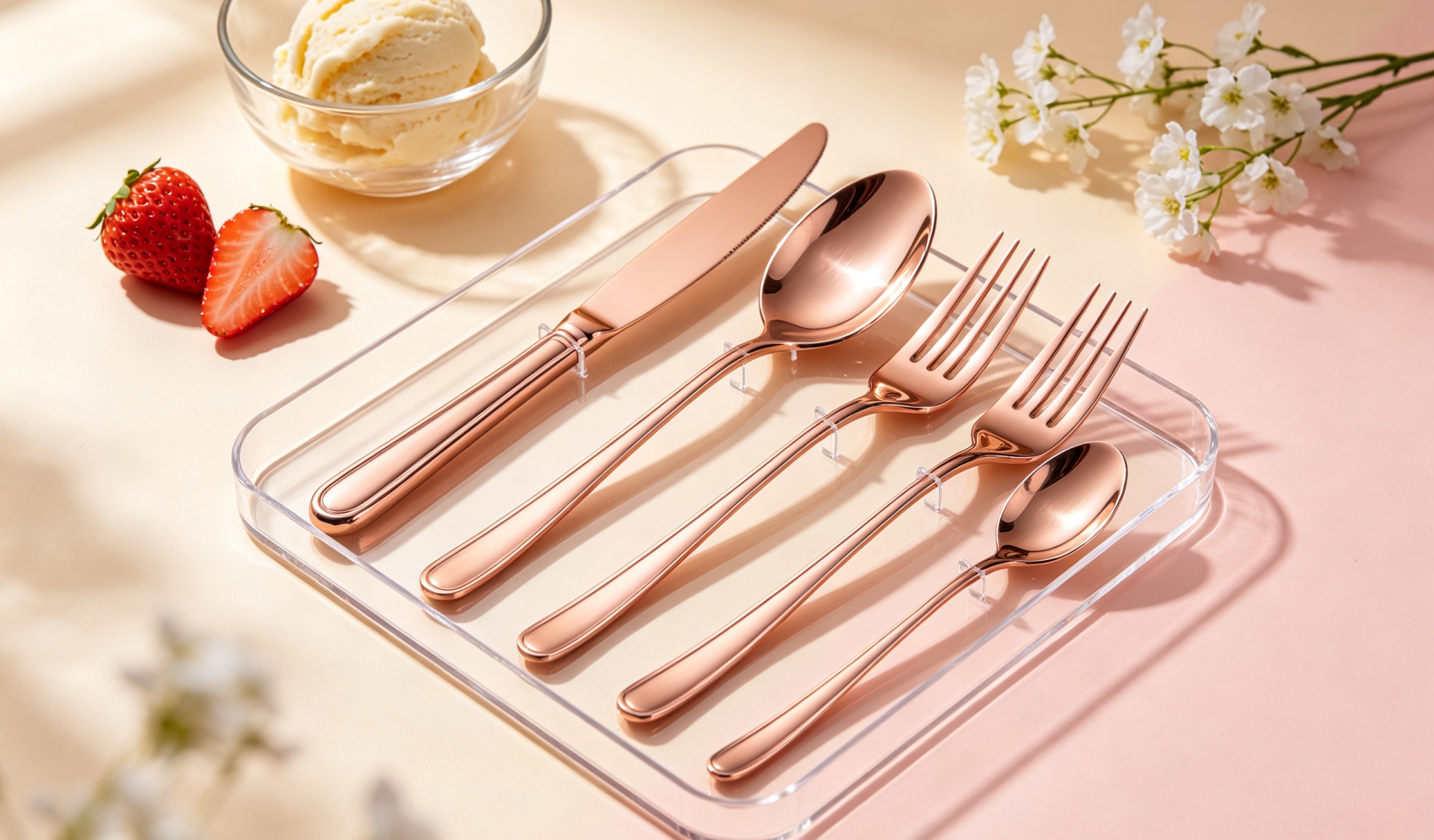
Cutlery Supplier for Importers: A Practical B2B Sourcing Solution
For importers, sourcing the right cutlery supplier is an important part of building a reliable tableware business. Whether the products are intended for retail, foodservice, hospitality, distribution, or private-label sales, the supplier needs to provide more than attractive products and competitive pricing.
Importers usually need a combination of product selection, stable quality, customization capability, packaging support, production coordination, and international export experience.
For this reason, choosing an experienced Cutlery Supplier for Importers can make a significant difference when developing a long-term stainless steel cutlery supply program.
Understanding What Importers Really Need
An importer may purchase cutlery for several different business purposes.
Some importers supply retailers with established stainless steel flatware products. Others develop products for their own customers or private-label brands. Some focus on hospitality and foodservice projects, while others supply distributors or regional markets.
These different business models require different product and supply solutions.
A suitable B2B supplier should therefore be able to understand the importer's actual business requirements rather than simply offering a fixed product list.
The right supplier should be able to discuss product specifications, order requirements, branding, packaging, production, quality, and shipment as part of one complete sourcing process.
Why Product Selection Matters for Importers
Cutlery is a broad product category.
It can include spoons, forks, knives, teaspoons, dessert pieces, serving utensils, and coordinated flatware sets.
An importer may initially purchase only a small number of products but later need additional items as customer demand grows.
Having access to a wider product range can make it easier for importers to develop their assortment.
Instead of changing suppliers every time a new product is required, an importer can work with a sourcing partner capable of supporting different stainless steel cutlery projects.
This can simplify communication and make product expansion more efficient.
Standard Cutlery for Import Programs
Not every importing project requires custom manufacturing.
Many businesses begin with standard cutlery products because they want to test demand or quickly expand their existing assortment.
Standard products can provide a practical starting point for importers that already understand their target customers.
The importer can select suitable products, confirm specifications, determine packaging requirements, and arrange production for the intended market.
An experienced supplier can also help buyers identify products that fit their existing product range.
This approach can be especially useful when the importer needs several related cutlery products rather than one isolated item.
Custom Cutlery for Importers
Custom manufacturing becomes more important when an importer wants to differentiate its product range.
Customization may involve handle design, product dimensions, surface finish, logo branding, packaging, or other agreed specifications.
A custom project can help an importer offer products that are less directly comparable with standard products available from multiple suppliers.
For private-label customers, customized stainless steel cutlery can also become an important part of the brand identity.
A professional supplier should be able to review the requirements and communicate what information is needed before production begins.
Building a Private-Label Flatware Range
Private-label programs can provide importers with greater control over product positioning.
Instead of selling a generic product, the importer can develop a branded flatware range for its customers.
The product may include a specific handle design, selected finish, branded logo, and customized packaging.
This creates a complete commercial product rather than simply another stainless steel spoon or fork.
For importers building private-label collections, it is useful to work with a supplier that understands both product manufacturing and brand requirements.
The product and packaging should work together to create a consistent market presentation.
Packaging Requirements for Importers
Packaging is an important consideration in international cutlery sourcing.
The appropriate packaging depends on how the importer plans to sell and distribute the products.
Some customers require bulk packaging for warehouse distribution.
Others need individual packaging or complete flatware sets for retail presentation.
Private-label customers may require branded boxes, labels, inserts, sleeves, or other customized packaging elements.
Importers should communicate packaging requirements early in the project.
This gives the supplier enough information to consider the complete finished product instead of treating packaging as a separate issue at the end of production.
Quality Expectations in B2B Cutlery Sourcing
Importers are responsible for supplying products that meet the expectations of their own customers.
This makes product quality an important part of supplier selection.
Quality requirements can include product dimensions, material, appearance, finish, weight, branding, packaging, and overall consistency.
The importer should communicate the key requirements before production.
A clear specification provides a common reference for both sides.
For repeat orders, the same information can also help maintain consistency between different production batches.
The Value of an Approved Product Reference
Once an importer approves a product, the approved specification or sample can become an important reference for future purchasing.
This is particularly useful when the same cutlery product is reordered several times.
The buyer and supplier can refer to the established product information instead of discussing every characteristic again from the beginning.
This can help make repeat purchasing more efficient.
For importers managing many SKUs, maintaining clear product references can also reduce confusion between similar products.
Supporting Different Order Sizes
Importers may have different purchasing volumes depending on their business model and sales performance.
A new importer may initially test a product in a smaller commercial program.
An established importer may purchase larger quantities for multiple customers or distribution channels.
The supplier should understand that purchasing requirements can change as the importer's business develops.
This is one reason long-term supplier relationships can be valuable.
As demand increases, the importer can introduce additional products or increase purchasing quantities without completely rebuilding the sourcing process.
Communication Across International Markets
International cutlery sourcing often involves communication between companies located in different countries.
Clear communication is therefore essential.
Product names, item numbers, specifications, packaging details, quantities, and branding requirements should be clearly documented.
This becomes even more important when the importer manages several products at the same time.
A structured communication process can help reduce misunderstandings and make project management easier.
For custom cutlery, communication should begin as early as possible because design decisions can affect production requirements.
Export Experience Matters
Importers are not only purchasing products. They are also managing an international supply chain.
The supplier therefore needs to understand the requirements of overseas B2B customers.
Experience with international orders can help suppliers communicate more effectively about product specifications, packaging, production arrangements, and shipment preparation.
For an importer, this can reduce unnecessary communication and make the sourcing process more organized.
A supplier with established international business experience can also better understand the importance of documentation and project coordination.
Developing a Long-Term Sourcing Program
A successful importer often needs more than a one-time purchase.
Once a product begins selling successfully, repeat orders may become an important part of the business.
The importer may also want to introduce matching products, create new product combinations, develop branded packaging, or enter additional market segments.
This makes supplier stability important.
A sourcing partner that can support both current products and future requirements can become a valuable part of the importer's supply chain.
The relationship can gradually move from individual transactions toward a more structured B2B supply program.
How a Supplier Can Support Product Expansion
Product expansion is often easier when the importer already has an established supplier relationship.
For example, an importer may begin with a basic stainless steel flatware range.
After receiving market feedback, the business may want to add additional spoon sizes, forks, knives, serving pieces, or new finishes.
If the supplier already understands the existing product range, developing these additional products can be more straightforward.
This allows the importer to build a broader assortment while maintaining a consistent product identity.
Custom Branding for Imported Cutlery
Branding can help importers create stronger differentiation.
A stainless steel spoon or fork becomes more commercially distinctive when it carries the importer's own brand identity.
Depending on the product and project requirements, branding can be incorporated into suitable areas of the cutlery.
The importer can provide its logo artwork and discuss the desired presentation with the supplier.
Branding should also be coordinated with packaging so that the finished product presents a unified brand image.
This can be particularly important for private-label and retail-focused importing businesses.
Selecting Products for Different Customers
Importers may supply several types of customers at the same time.
A retailer may require attractive presentation.
A restaurant supplier may need practical and consistent products.
A hospitality customer may require coordinated collections.
A distributor may need products that fit an existing assortment.
This means an importer may need several product styles within its overall cutlery portfolio.
Working with a supplier that can support different product requirements allows the importer to build a more flexible assortment.
The objective is to select products based on customer demand rather than simply increasing the number of SKUs.
Why Manufacturing Capability Matters to Importers
The supplier's manufacturing capability directly affects the importer's ability to develop products.
A supplier that can handle standard products, custom development, branding, packaging, and B2B production can provide more options as the importer's business grows.
This is particularly useful when the importer moves from purchasing standard products to developing its own branded collection.
Homefelt Houseware Co., Limited has more than 40 years of experience in stainless steel cutlery manufacturing and serves international B2B customers with stainless steel spoons, forks, knives, flatware sets, and customized cutlery solutions.
The company supports OEM, ODM, private-label, branding, packaging, and international B2B projects.
For importers, this manufacturing experience can provide a practical foundation for developing both standard and customized stainless steel cutlery programs.
Preparing for Your First Sourcing Inquiry
Importers do not need to prepare a complicated purchasing document before contacting a supplier.
A useful first inquiry can include the basic product type, estimated quantity, target market, reference images, preferred material, finish, branding requirements, packaging expectations, and purchasing schedule.
If some information is not yet available, it can be discussed during the following stages.
The more clearly the commercial objective is communicated, the easier it is for the supplier to understand what type of solution the importer needs.
A simple and complete initial inquiry can save time for both sides.
From Product Selection to Commercial Order
The sourcing process should gradually move from product selection to confirmed specifications and then to commercial production.
For a standard product, this process may be relatively straightforward.
For a custom flatware project, more communication may be required to confirm product details, branding, packaging, and production requirements.
In both cases, clear communication remains important.
The goal is to make sure that the product ordered by the importer is clearly understood before production begins.
This creates a stronger foundation for quality control, shipment preparation, and future repeat orders.
Choosing a Sourcing Partner Instead of a One-Time Supplier
For importers building a long-term cutlery business, the relationship with a supplier can become an important competitive factor.
A one-time supplier may be sufficient for a single transaction.
However, a sourcing partner can provide greater value when the importer needs ongoing product development, repeat orders, new SKUs, branding, packaging, and production support.
This is especially relevant for companies building their own stainless steel flatware range.
As the business grows, the supplier becomes part of the product development and supply process rather than simply the source of individual shipments.
A Better Way to Source Cutlery for Your Business
For international importers, sourcing cutlery successfully requires a combination of product quality, manufacturing capability, communication, customization, packaging, and export experience.
The right supplier should be able to support the importer's current requirements while also providing opportunities for future product development.
Whether you are sourcing standard stainless steel spoons, developing customized flatware, building a private-label collection, or expanding an existing product range, a professional B2B supplier can help turn your requirements into commercially suitable products.
Homefelt provides stainless steel cutlery manufacturing and customized B2B solutions for international customers, supporting projects from product requirements and branding through production and finished product preparation.
If you are looking for a reliable Cutlery Supplier for Importers, starting with a clear product requirement is a practical way to begin the sourcing process.
Send your product information, reference images, expected quantity, branding requirements, or packaging ideas, and the project can be developed step by step toward a quotation and commercial order.
Request Cutlery Supply for Your Import Business
Contact Our B2B Cutlery Sourcing Team
Send Your Stainless Steel Flatware Requirements
Request Custom Cutlery for Your Import Program
Start Your Private Label Flatware Project
Request Stainless Steel Spoon Supply for Your Business
Contact Our Cutlery Export Supplier
Discuss Your Custom Flatware Requirements
Institutional Cutlery Supplier | Stainless Steel Flatware for B2B Procurement
Custom Stainless Steel Cutlery for Promotional Products | B2B Manufacturer
Related Article