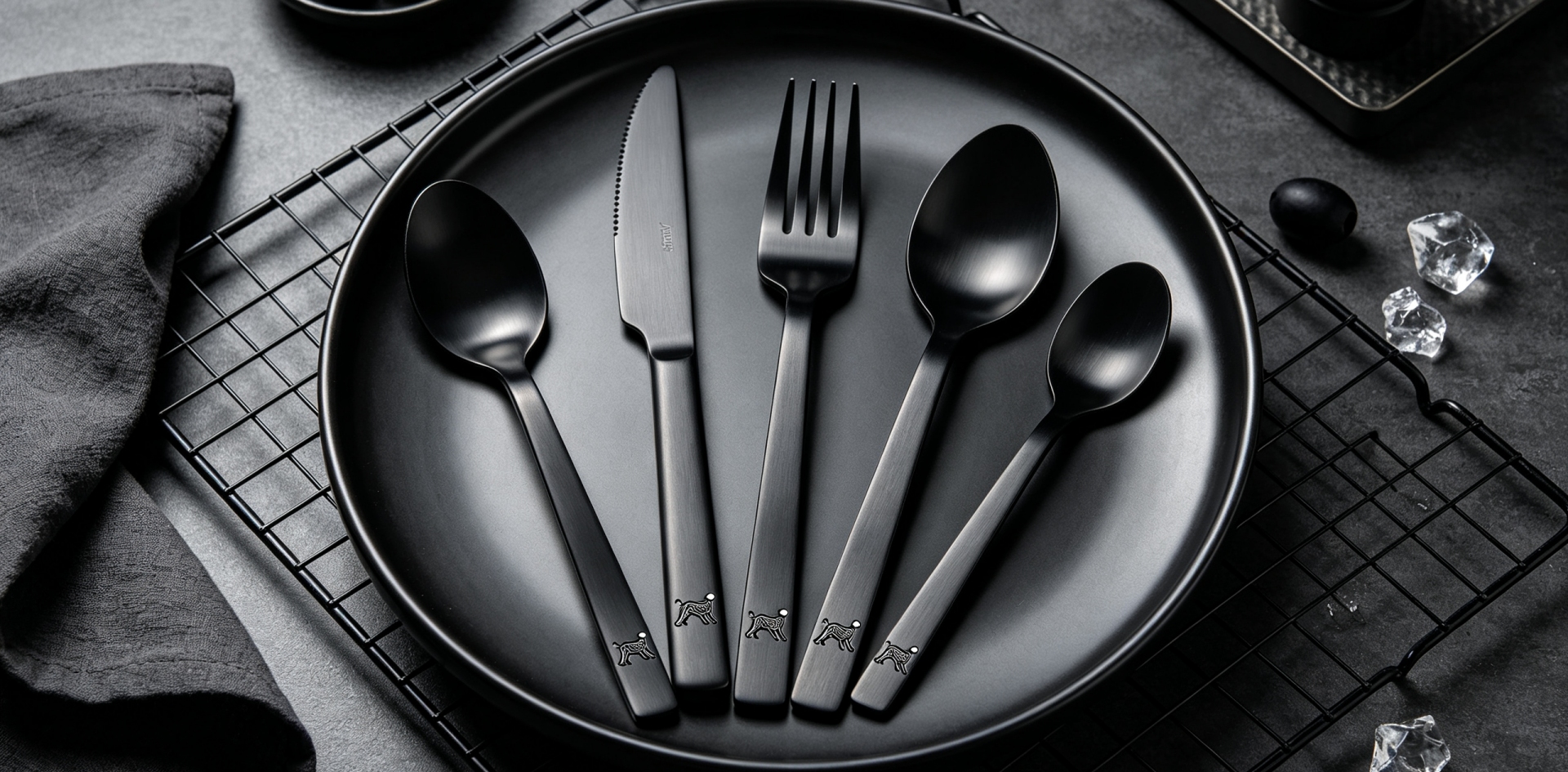
Cutlery Sourcing Partner | B2B Stainless Steel Flatware Procurement
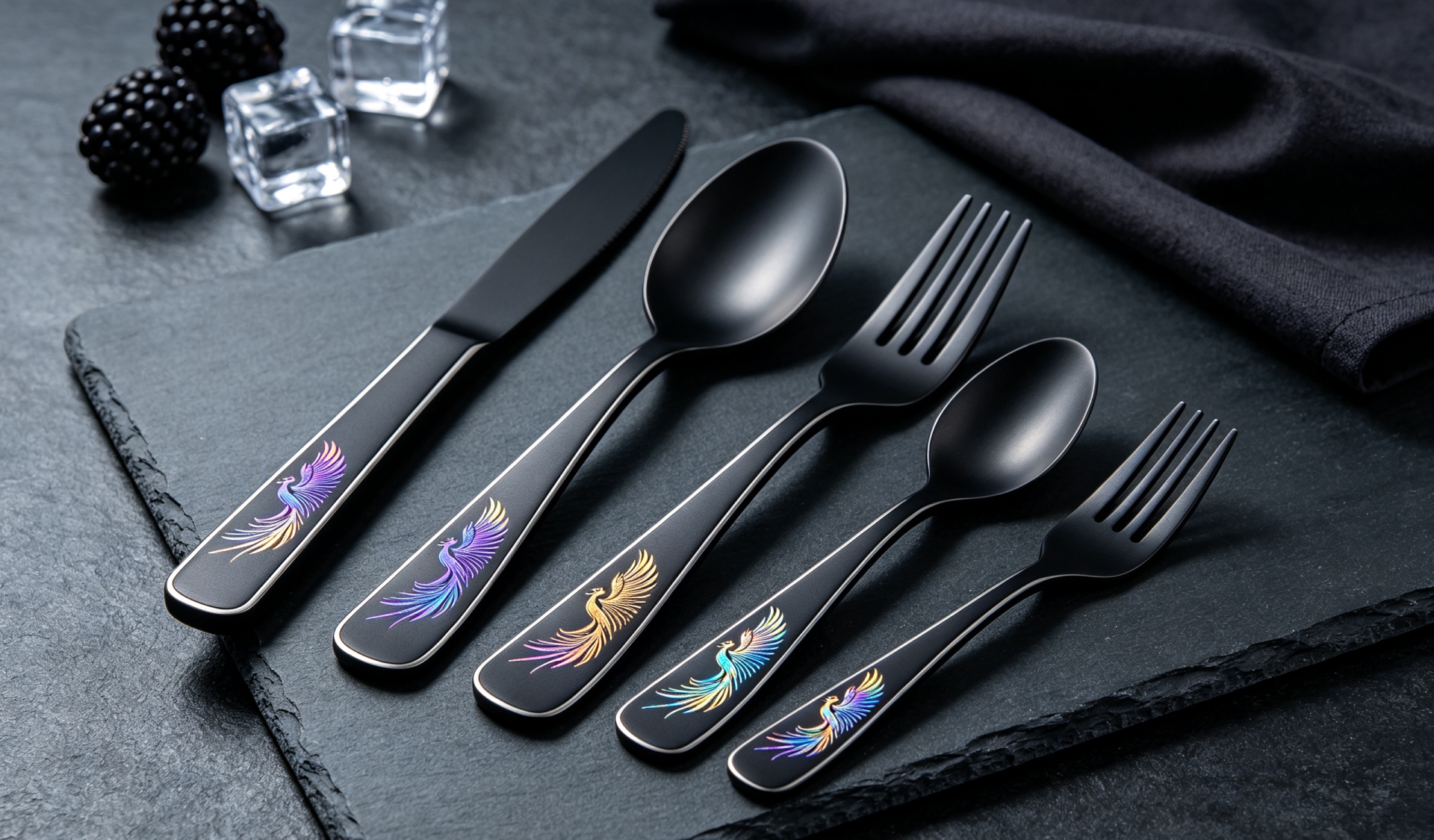
Cutlery Sourcing Partner: A B2B Solution for Stainless Steel Flatware Procurement
For companies responsible for purchasing tableware for hospitality projects, finding the right cutlery supplier can have a direct impact on purchasing efficiency, product consistency, and customer satisfaction.
Hospitality procurement companies often manage multiple product categories and customer requirements at the same time. Stainless steel spoons, forks, knives, teaspoons, serving pieces, and complete flatware collections may all be required for different projects.
Instead of treating every purchase as an independent transaction, a professional Cutlery Sourcing Partner can help buyers develop a more organized approach to stainless steel flatware procurement.
The objective is not simply to find a product. It is to create a practical supply solution that can support current projects and future purchasing requirements.
Why Cutlery Sourcing Requires More Than Product Selection
A product photograph may show the general appearance of a spoon, fork, or knife, but it does not provide all the information required for a commercial purchasing decision.
B2B buyers may need to consider material, dimensions, weight, finish, product structure, packaging, branding, quantity, and production requirements.
Different customers may also have different expectations.
One project may require a simple stainless steel cutlery range for everyday use. Another may need a more refined flatware collection for a premium hospitality environment.
For procurement companies, the challenge is to match the right product with the right project while keeping purchasing organized.
A professional sourcing partner can help make this process more efficient.
Understanding the Buyer's Project Before Recommending Products
Good sourcing begins with understanding the application.
Before selecting products, the buyer should consider where the cutlery will be used, who the end customer is, what type of dining environment is involved, and how the products will be purchased and replenished.
The expected quantity is also important.
A project with a limited number of locations may have very different requirements from a large hospitality program covering multiple properties.
By understanding these factors at the beginning, the supplier can provide more relevant product options instead of presenting an unnecessarily large catalog.
Selecting a Coordinated Flatware Range
Hospitality projects often require several cutlery pieces that work together visually.
A coordinated range may include table spoons, table forks, table knives, teaspoons, dessert pieces, and other products depending on the project.
The design should create a consistent appearance across the dining table.
For procurement companies, a coordinated product range can also simplify purchasing.
Instead of evaluating every piece independently, buyers can develop a complete product group based on a common design direction.
This makes it easier to communicate requirements to customers and manage future purchasing.
Balancing Appearance and Practical Requirements
Cutlery is both a functional product and an important part of the dining experience.
The appearance of stainless steel flatware can influence how a table setting is perceived.
At the same time, the product needs to be practical for its intended environment.
B2B buyers should therefore consider both visual presentation and everyday usability.
Handle shape, product proportions, surface appearance, and overall feel can all contribute to the final product experience.
The best solution is usually one that balances the customer's desired appearance with realistic manufacturing and purchasing requirements.
Supporting Custom Cutlery Projects
Some procurement projects require products that are not available as standard items.
In these cases, custom cutlery sourcing can provide additional flexibility.
A buyer may provide reference drawings, product photographs, design concepts, or existing product samples.
The supplier can then review the requirements and discuss how the design can be developed for stainless steel production.
Customization can cover different aspects of the product, depending on the project.
This may include shape, dimensions, finish, branding, packaging, or other agreed specifications.
Custom projects are particularly useful when procurement companies need to offer their customers a differentiated tableware solution.
Managing Multiple Product Requirements
Procurement companies often need to coordinate several products at once.
A single project may include spoons, forks, knives, serving utensils, flatware sets, and packaging requirements.
Without clear organization, it can become difficult to track specifications and quantities.
A structured product list can make communication much easier.
Each item can have a product reference, description, specification, quantity, packaging requirement, and other relevant information.
This provides both the buyer and supplier with a clear project reference.
For larger programs, this simple approach can significantly improve communication efficiency.
The Importance of Consistent Product Specifications
Once a product has been selected and approved, the specification should remain clear.
This is especially important for procurement companies that manage repeat projects.
If the same product is ordered again several months later, the supplier should be able to identify the original requirements and reproduce the agreed product consistently.
Maintaining clear product references can help prevent unnecessary changes between orders.
It also makes it easier for procurement teams to communicate requirements when a customer requests additional quantities.
Quality Expectations for Hospitality Projects
The quality requirements for a B2B cutlery project should be established before production.
Buyers may have specific expectations concerning material, dimensions, finish, weight, appearance, quantity, and packaging.
The supplier should understand which specifications are critical to the project.
Quality control can then be organized around the agreed requirements.
For procurement companies, this is important because the purchased products are ultimately supplied to their own customers.
Reliable quality helps protect the buyer's reputation and reduces the risk of problems after delivery.
Packaging and Project Handling
Packaging should also be considered during the sourcing process.
Different hospitality projects may require different packaging methods.
Some buyers may prioritize efficient warehouse handling, while others may need individual or set packaging for a specific customer.
For customized projects, branded packaging may also be part of the overall product presentation.
By discussing packaging at the beginning, the buyer and supplier can make sure that the finished product meets the complete commercial requirement.
Supporting Customer-Specific Requirements
One of the advantages of working with an experienced sourcing partner is the ability to manage different customer requirements.
A procurement company may have one customer looking for a simple flatware range and another requesting customized stainless steel cutlery.
The supplier should be able to communicate about both standard and customized projects.
This flexibility allows the procurement company to serve a wider range of customers without creating an unnecessarily complicated supplier network.
It can also make future product development easier.
From Standard Products to Customized Solutions
Many B2B projects begin with standard products.
The buyer may first select an existing stainless steel spoon, fork, or knife based on the customer's immediate needs.
After the product has been successfully introduced, the customer may want additional customization.
The next project might involve a different finish, new handle design, branded packaging, or a coordinated collection.
Working with a supplier that can support both standard and customized requirements makes this transition easier.
The procurement company can gradually develop a more distinctive product offering.
Why Communication Matters in B2B Sourcing
Clear communication is one of the most important elements of international cutlery sourcing.
Product descriptions should be specific enough to avoid misunderstandings.
Reference images can help explain appearance, but written specifications provide additional clarity.
Quantities, packaging, branding, product dimensions, and other important requirements should be confirmed before production.
For custom projects, every confirmed detail can become part of the production reference.
This structured approach can help reduce unnecessary revisions and make project management more efficient.
Creating a Reliable Procurement Workflow
A practical sourcing workflow can be divided into several stages.
First, the procurement company identifies the product requirements.
Next, the supplier reviews suitable products or customization possibilities.
Samples or product references can then be evaluated where necessary.
After the specifications are confirmed, the commercial quotation and order details can be finalized.
Production follows according to the approved requirements, followed by quality checking and shipment preparation.
Having a clear process helps both sides understand what needs to happen at each stage.
Supporting Repeat Hospitality Projects
Hospitality procurement is often project-based, but successful projects can lead to additional business.
A procurement company may receive another project from the same customer or a similar requirement from a new customer.
If the supplier has maintained clear product records, the buyer can return to previously developed products more efficiently.
This is particularly valuable for customized flatware.
Instead of restarting product development every time, the buyer can reference an established design and request additional quantities or related pieces.
This can save time during future procurement cycles.
Building a Flexible Product Portfolio
A procurement company does not necessarily need hundreds of unrelated cutlery products.
A well-organized portfolio can be more useful.
The company can maintain several product directions, such as practical everyday flatware, refined hospitality designs, customized collections, and branded products.
Each range can serve a different customer requirement.
This makes product selection easier and allows the procurement team to respond more quickly when a new project arrives.
A capable supplier can support the portfolio by providing suitable products and developing new items when necessary.
The Value of Manufacturing Experience
For B2B procurement companies, manufacturing experience is an important consideration.
A supplier that understands stainless steel cutlery production can provide more practical feedback when reviewing product requirements.
This can be especially useful for customized projects.
The supplier can discuss the relationship between product design, manufacturing requirements, finishing, branding, and final presentation.
Homefelt Houseware Co., Limited has more than 40 years of experience in stainless steel cutlery manufacturing and serves international B2B customers with stainless steel spoons, forks, knives, flatware sets, and customized cutlery solutions.
The company supports OEM, ODM, private-label, branding, packaging, and international B2B projects.
For procurement companies, this provides a manufacturing resource for both standard product sourcing and customized cutlery programs.
Preparing a Professional Cutlery Inquiry
A clear inquiry can help a sourcing project move forward more efficiently.
The procurement company can provide the required product category, estimated quantity, reference images, preferred specifications, customer requirements, packaging expectations, and desired branding.
If the exact product has not yet been selected, the buyer can explain the project and intended application instead.
The supplier can then review the information and recommend suitable directions.
This approach can be more effective than simply requesting a general product catalog.
Turning Sourcing Requirements into a Commercial Order
Once the product direction has been established, the project can move toward a commercial quotation.
The quotation should be evaluated together with the complete product requirements.
Price is important, but it should be considered alongside product specifications, customization, packaging, quality expectations, order quantity, and overall project suitability.
A product that appears inexpensive at the quotation stage may not provide the best value if it does not meet the customer's requirements.
For B2B procurement, the goal is to find the right balance between product value, supply reliability, and commercial cost.
Creating Long-Term Value Through Better Sourcing
A professional Cutlery Sourcing Partner can become an important resource for procurement companies.
The relationship can support more than individual orders.
Over time, the supplier can become familiar with the buyer's preferred products, customer requirements, quality expectations, and purchasing process.
This familiarity can make future projects easier to manage.
It can also create opportunities for new product development and customized flatware programs.
For procurement companies serving the hospitality sector, a dependable stainless steel cutlery sourcing relationship can therefore become part of the company's competitive advantage.
Start Your Stainless Steel Flatware Sourcing Project
Successful B2B cutlery procurement begins with clear requirements and the right supply partner.
Whether you need standard stainless steel spoons and forks, a coordinated flatware range, customized cutlery, branded products, or a complete hospitality tableware solution, the sourcing process should be organized around the needs of the final customer.
An experienced supplier can help review product options, discuss specifications, coordinate customization, prepare packaging, and support production according to the confirmed requirements.
Homefelt provides stainless steel cutlery manufacturing and B2B sourcing support for international customers looking for practical and customizable flatware solutions.
If you are currently handling a hospitality procurement project, you can send your product list, reference images, estimated quantities, customer specifications, or existing samples.
Your requirements can then be reviewed and developed into a suitable stainless steel cutlery solution, quotation, and production plan.
Request a Hospitality Cutlery Sourcing Quote
Send Your Stainless Steel Flatware Requirements
Discuss Your Custom Cutlery Project
Request a Commercial Flatware Solution
Contact Our B2B Cutlery Sourcing Team
Send Your Spoon and Fork Product Requirements
Request a Customized Stainless Steel Cutlery Quote
Discuss Your Hospitality Flatware Program
Stainless Steel Spoon Supplier for Food Brands | B2B Custom Supply
Institutional Cutlery Supplier | Stainless Steel Flatware for B2B Procurement
Related Article