Private Label Flatware Programs for Distributors and B2B Buyers
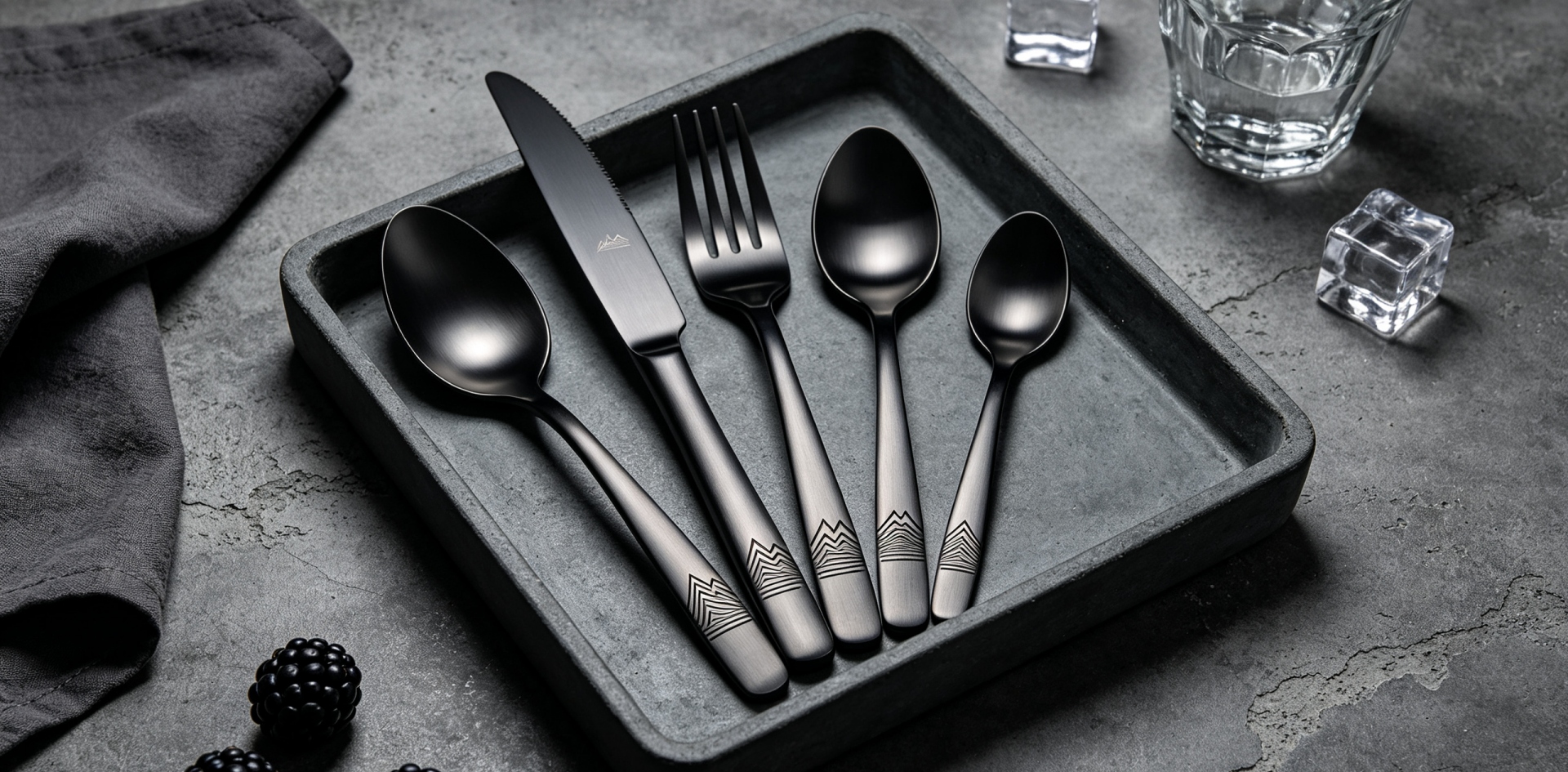
Private Label Flatware Programs for Distributors: Build Your Own Stainless Steel Cutlery Range
For distributors, having the right product range can make a significant difference in long-term business growth. Customers are not always looking for generic products that can be found from many suppliers. Increasingly, distributors want differentiated products that fit their market, pricing strategy and customer expectations.
Stainless steel flatware is a strong example of this opportunity.
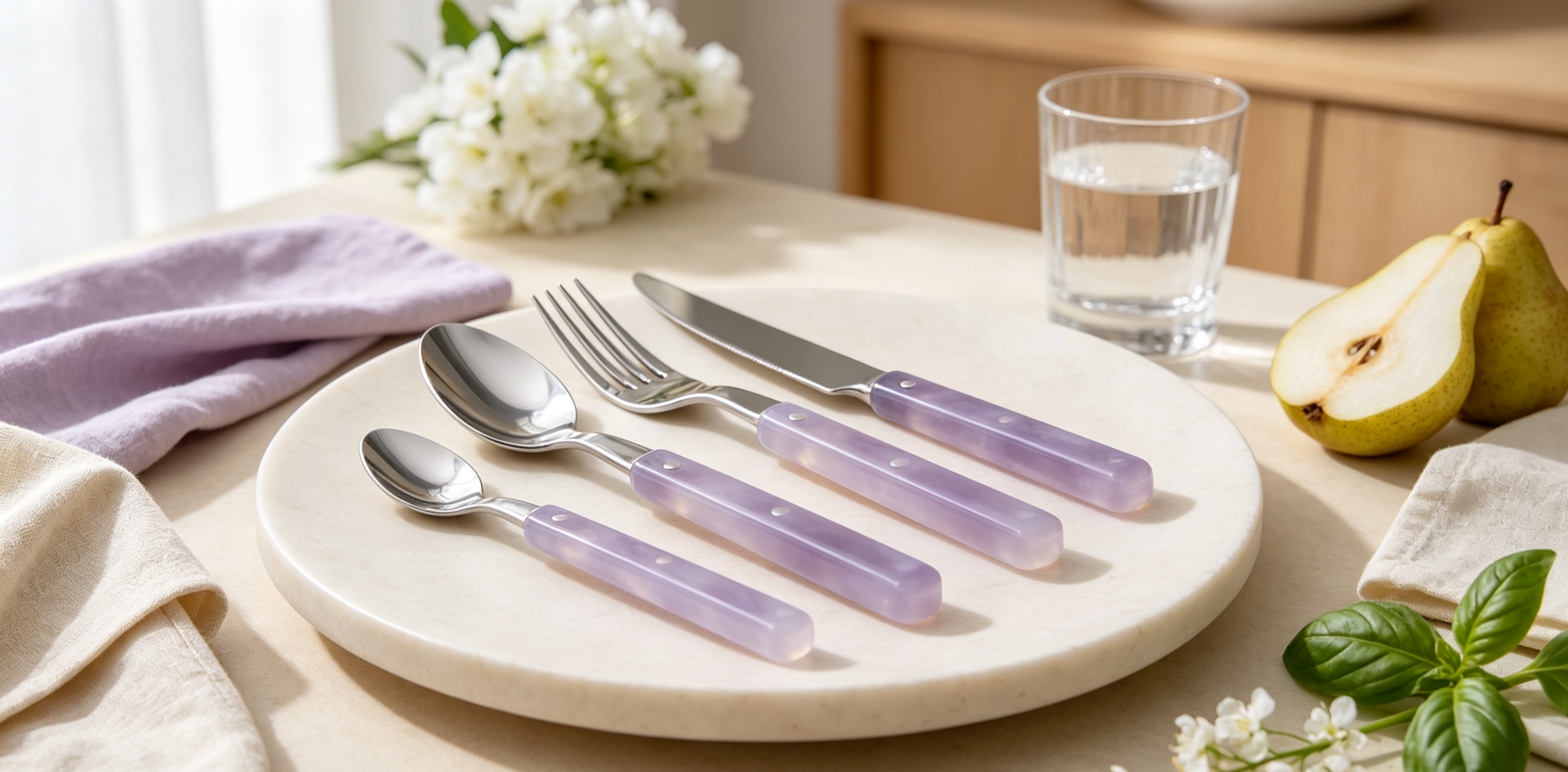
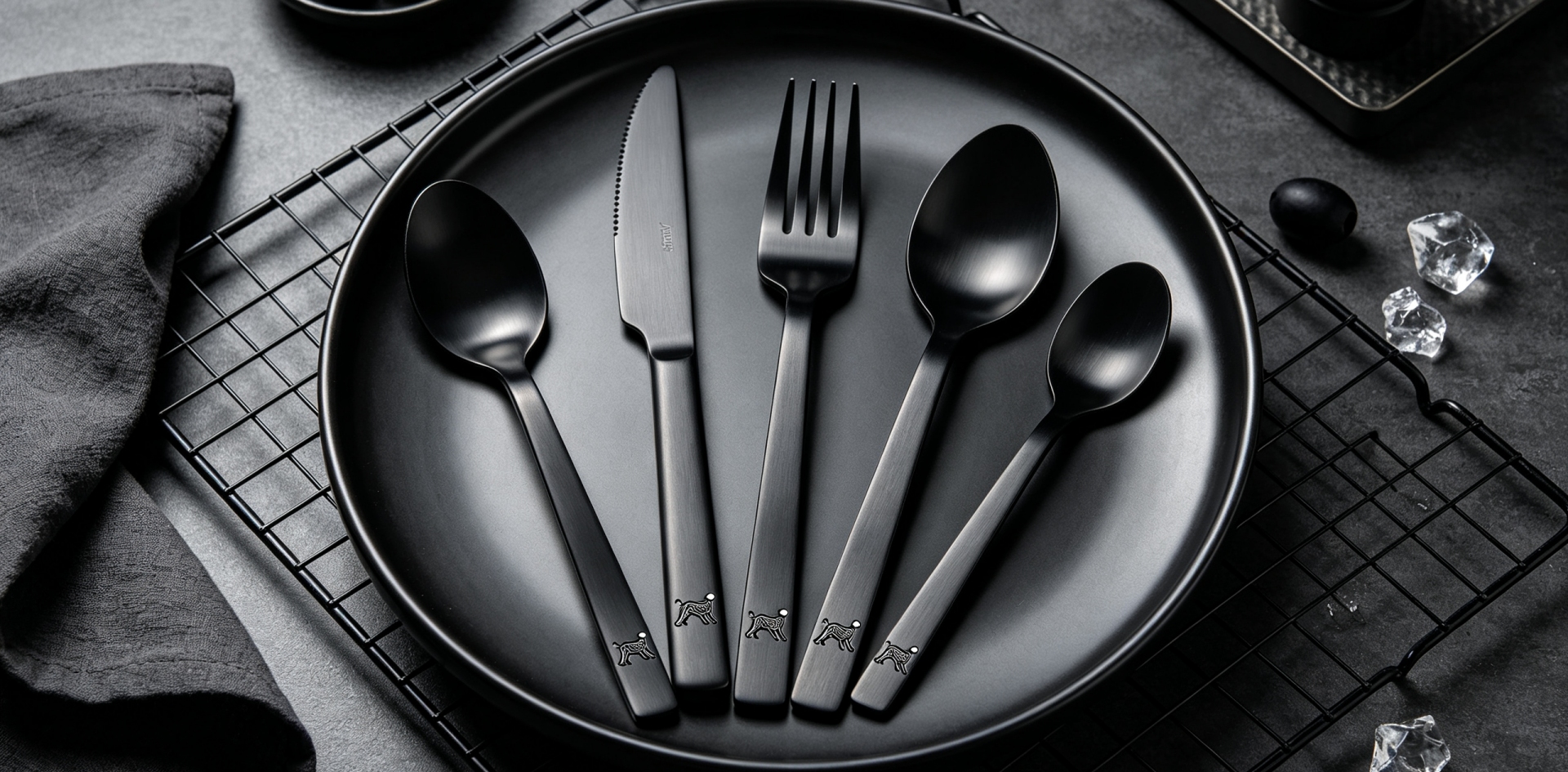
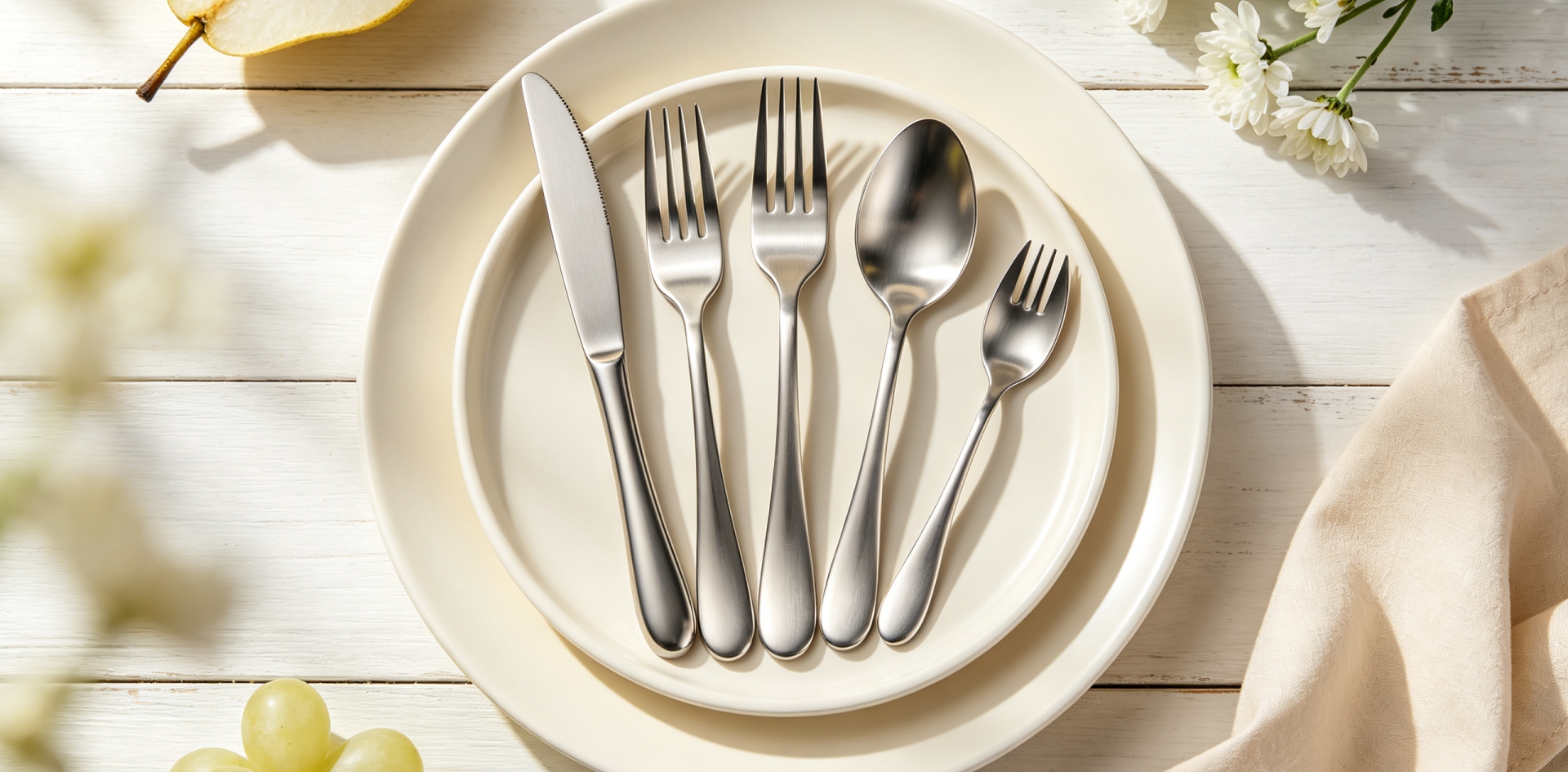
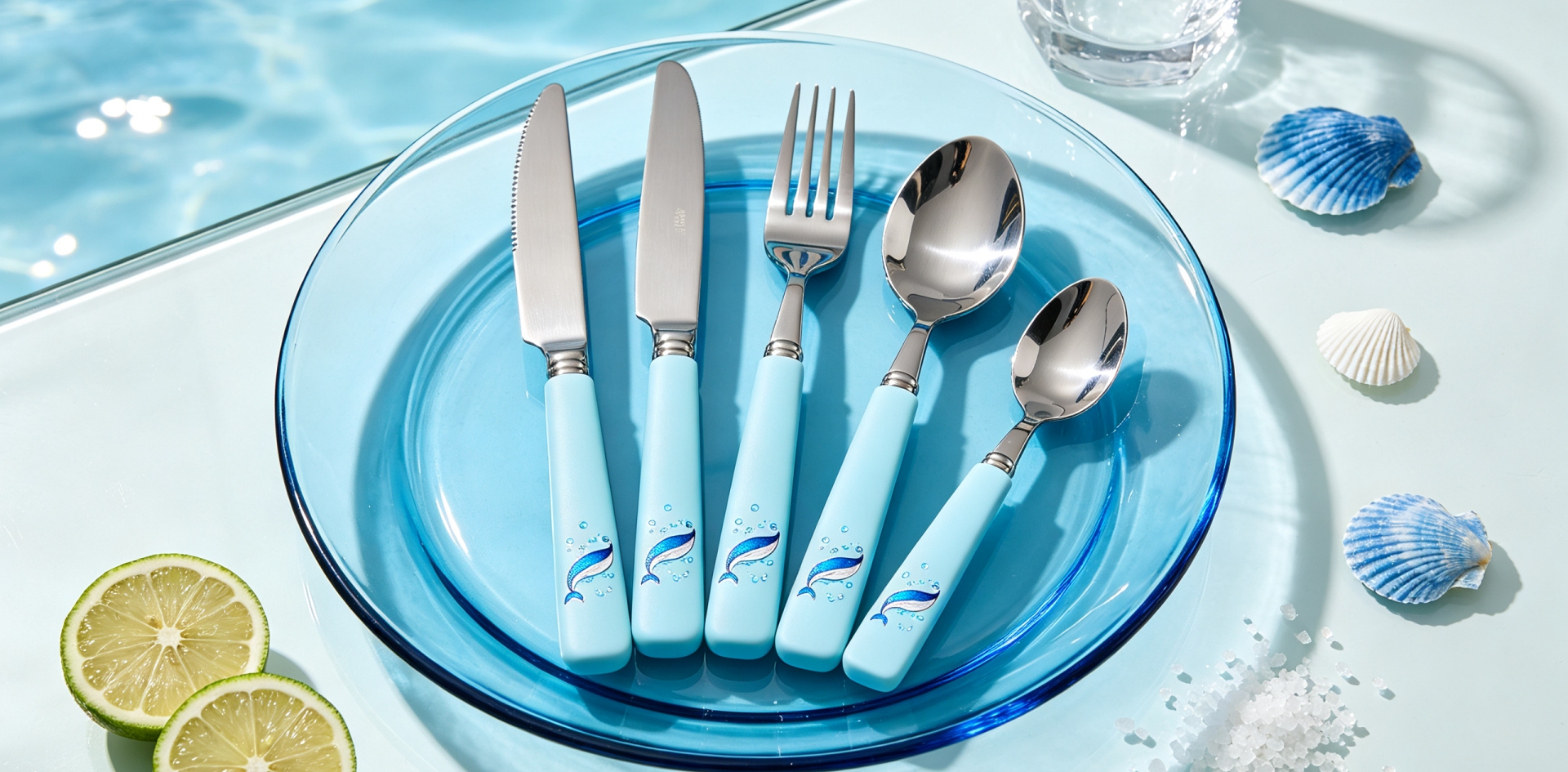
Knives, forks, spoons and complete flatware sets can be developed as part of a private label program, giving distributors greater control over the products they offer. Instead of purchasing unrelated standard items, a distributor can work with a manufacturer to create a more organized and commercially focused range.
OEM, ODM and private label manufacturing provide different ways to achieve this. The best approach depends on the distributor's existing product requirements, target market and expected order volume.
Why Distributors Consider Private Label Flatware
Standard wholesale flatware is convenient, especially when a buyer needs products quickly. However, standard products can also make it difficult for a distributor to create a distinctive offering.
When several suppliers sell similar knives, forks and spoons, price can become the main point of competition.
A private label program provides another option.
By developing a dedicated range, a distributor can create products that are associated with its own business. The collection can be built around selected designs, coordinated cutlery pieces and the requirements of the distributor's customers.
This does not mean every product has to be completely redesigned. A private label program can begin with suitable existing models and develop from there.
The important point is that the distributor has a clear product strategy and a manufacturing partner capable of supporting it.
Start With the Products Your Customers Actually Need
A successful flatware program does not need to contain dozens of products from the beginning.
For many distributors, it is more practical to identify the products with the strongest demand and build the initial range around them.
This may include core knives, forks and spoons, together with selected flatware sets.
Once the first products have been introduced, additional items can be added according to customer feedback and sales performance.
This approach allows distributors to develop their range gradually while maintaining a clear relationship between product selection and market demand.
It also makes communication with the manufacturer easier because the factory receives a defined product requirement rather than a general request for “all kinds of flatware.”
OEM Flatware for Specific Distributor Requirements
OEM manufacturing is particularly useful when a distributor already knows what it wants to purchase.
The buyer may have product drawings, reference samples, photographs or specific requirements for the desired stainless steel cutlery.
These details can be sent directly to the manufacturer for discussion.
For a distributor, this creates a straightforward process: define the product, confirm the manufacturing requirements and then move toward production.
OEM can also be useful when the distributor wants several related products to share a similar design direction.
For example, a range of knives, forks and spoons can be planned together so that the products work as a consistent commercial offering.
ODM Flatware When Development Support Is Needed
Some distributors have a clear market opportunity but do not have a finished product design.
They may know the approximate price level, preferred appearance and type of customer they want to serve, but still need help turning these ideas into actual products.
ODM manufacturing can provide a practical route.
The distributor can share its requirements and references with the manufacturer, while the factory contributes its knowledge of product development and manufacturing.
This can help reduce the amount of work required from the buyer while still allowing the final products to be aligned with the distributor's business direction.
For companies expanding into stainless steel flatware for the first time, this can be a useful way to begin.
Create a More Coherent Flatware Range
A private label program becomes more valuable when the individual products work together.
Customers may see a knife, fork and spoon separately, but they also need to understand that these products belong to the same range.
Consistent design details can help create that connection.
The distributor can select products that share similar visual characteristics and offer them individually or as coordinated flatware sets.
This creates more flexibility for different customers.
One customer may need individual replacement pieces, while another may prefer a complete set. A distributor can potentially serve both requirements using products from the same manufacturing program.
This is one reason why working with a factory rather than simply purchasing unrelated stock items can be valuable for long-term product planning.
Consider Quantity From the Beginning
For B2B flatware projects, expected order quantity should be discussed early.
The quantity does not have to be exact at the first stage, but an estimated volume gives the manufacturer a better understanding of the project.
A distributor may require an initial order for a new product launch and then place larger repeat orders after the products prove successful.
Alternatively, the distributor may already have established customers and need regular wholesale supply from the beginning.
These situations can require different approaches to production planning.
By explaining the expected purchasing pattern to the manufacturer, the buyer can have a more useful conversation about the project and the products required.
Private Label Is About More Than Product Selection
A private label program should be considered as a complete business product rather than simply a different name on standard flatware.
The distributor needs to understand which products belong in the range, who will buy them and how they will be positioned.
The manufacturer then needs to understand the product requirements clearly enough to turn them into a repeatable production program.
When these two sides communicate effectively, the relationship becomes more valuable over time.
A distributor can introduce a first group of products, monitor market response and then return to the same manufacturer for additional orders or new product development.
That creates a foundation for a longer-term supply relationship.
Direct Communication With the Factory Makes a Difference
When customized products are involved, communication should be as direct as possible.
A distributor may have specific requirements that are difficult to explain through a long chain of intermediaries. Product images, reference samples, dimensions and customization details are easier to discuss when the buyer can communicate with the manufacturing team directly.
This is particularly important when the project changes during development.
Perhaps the buyer wants to adjust a product, add another cutlery item or change the quantity after reviewing the initial proposal.
A direct manufacturing relationship allows these discussions to happen more efficiently.
For distributors building their own flatware range, the factory becomes more than a source of products. It becomes a production partner supporting the development and replenishment of the range.
When a Private Label Program Makes Sense
Private label manufacturing can be particularly suitable for distributors that want to build a recognizable product offering.
It can also make sense when the distributor has established sales channels and wants greater control over the products available to customers.
The opportunity is not limited to large corporations. A focused distributor with a clear market can also develop a smaller collection and expand it over time.
The key is to match the product program with realistic purchasing requirements.
A smaller initial range with clear commercial positioning can be more effective than a very large catalog without a defined sales strategy.
Homefelt for Private Label and OEM Flatware Projects
Homefelt has more than 40 years of experience in the stainless steel cutlery business and works with international B2B customers.
The company manufactures stainless steel knives, forks, spoons and flatware sets and supports OEM, ODM and private label projects.
For distributors, the process can begin with a simple inquiry.
Send the products you are interested in, together with photographs, references, specifications or an estimated order quantity. If you already have a private label concept, you can also explain the market and type of customers you plan to serve.
The factory can review the requirements and discuss the appropriate manufacturing direction.
Homefelt also has experience working with well-known brands, giving B2B buyers a practical manufacturing partner for customized stainless steel cutlery projects.
From the First Order to Repeat Supply
A strong distributor-manufacturer relationship can develop gradually.
The first order allows the buyer to introduce the products to the market. Once demand becomes clearer, successful items can be reordered in larger quantities.
New products can then be added to expand the private label range.
This creates a natural cycle: identify market demand, develop the product, manufacture the order, evaluate sales and continue with the products that perform well.
For distributors, this approach provides flexibility while keeping the product range connected to actual customer demand.
If your company is considering its own stainless steel flatware program, there is no need to wait until every detail is finalized.
You can begin by sending a few product references and explaining what you are looking for. An experienced manufacturer can then help turn those requirements into a practical B2B manufacturing project.
Request a Wholesale Flatware Proposal
If you are a distributor looking for private label knives, forks, spoons or flatware sets, your first step can be a direct inquiry to the factory.
Share your product references, estimated quantity and customization requirements. The more information you provide, the easier it becomes to discuss the right solution for your business.
Whether you need OEM manufacturing based on your own specifications, ODM support for a new product idea or a private label flatware program for your customers, Homefelt can discuss your requirements and prepare a suitable quotation.
A well-planned flatware program can become a valuable part of a distributor's product portfolio. Starting with the right manufacturing partner makes it easier to move from product ideas to wholesale orders and future repeat business.
Request a private label flatware quotation
Ask about OEM stainless steel cutlery manufacturing
Discuss an ODM flatware project
Request wholesale pricing for custom cutlery
Fabrication de Couverts Inox pour Grossistes – OEM et ODM B2B
OEM, ODM & Private Label Besteck: Die richtige Fabrik auswählen
Related Article