Private Label Stainless Steel Steak Knife Manufacturer for B2B Brands
Private Label Stainless Steel Steak Knife for B2B Brands
A steak knife is more than a cutting tool. Its shape, weight, handle design and overall finish can influence the dining experience and contribute to the identity of a tableware collection.
For private label brands, restaurant suppliers, distributors and homeware companies, stainless steel steak knives can provide an opportunity to develop a distinctive product within a broader cutlery range.
Unlike a standard table knife, a steak knife usually needs to combine cutting performance with a comfortable grip and an appearance that matches the positioning of the collection. This makes product development especially important when the knife will be sold under a private brand.
Why Develop a Private Label Steak Knife?
Private label products allow brands to control more than the product name and packaging. They can also develop a specific appearance and product specification that fits their target customers.
A steak knife can become part of a premium dining collection, a restaurant supply program or a home dining range. Depending on the market, the brand may prefer a traditional appearance, a modern minimalist design or a more substantial premium style.
Working directly with a steak knife manufacturer gives buyers greater flexibility when selecting the product details rather than relying entirely on standard catalog items.
Choosing the Right Steak Knife Design
The design of a steak knife needs to balance appearance and functionality.
The blade profile, handle proportions and overall length should work together. A knife that looks attractive but feels uncomfortable in the hand may not provide the expected customer experience.
The handle is particularly important because it determines how the user holds and controls the knife. Different handle shapes can create very different impressions, even when the blade itself remains similar.
For private label projects, buyers should consider the design as part of the complete cutlery collection. If the steak knife is sold together with forks, spoons and table knives, the visual language should remain consistent.
Blade Style and Product Positioning
The blade is one of the most recognizable features of a steak knife.
Different blade configurations can create different product characteristics and visual impressions. Some collections may require a more traditional serrated appearance, while others may be developed around a cleaner contemporary design.
The choice should reflect the intended market and product positioning.
For a restaurant-focused collection, practical everyday use may be the priority. For a retail or premium homeware brand, the visual appearance of the blade may carry greater importance.
A professional manufacturer can help buyers evaluate the relationship between the desired design and the requirements of volume production.
Handle Materials and Appearance
The handle is another important area for differentiation.
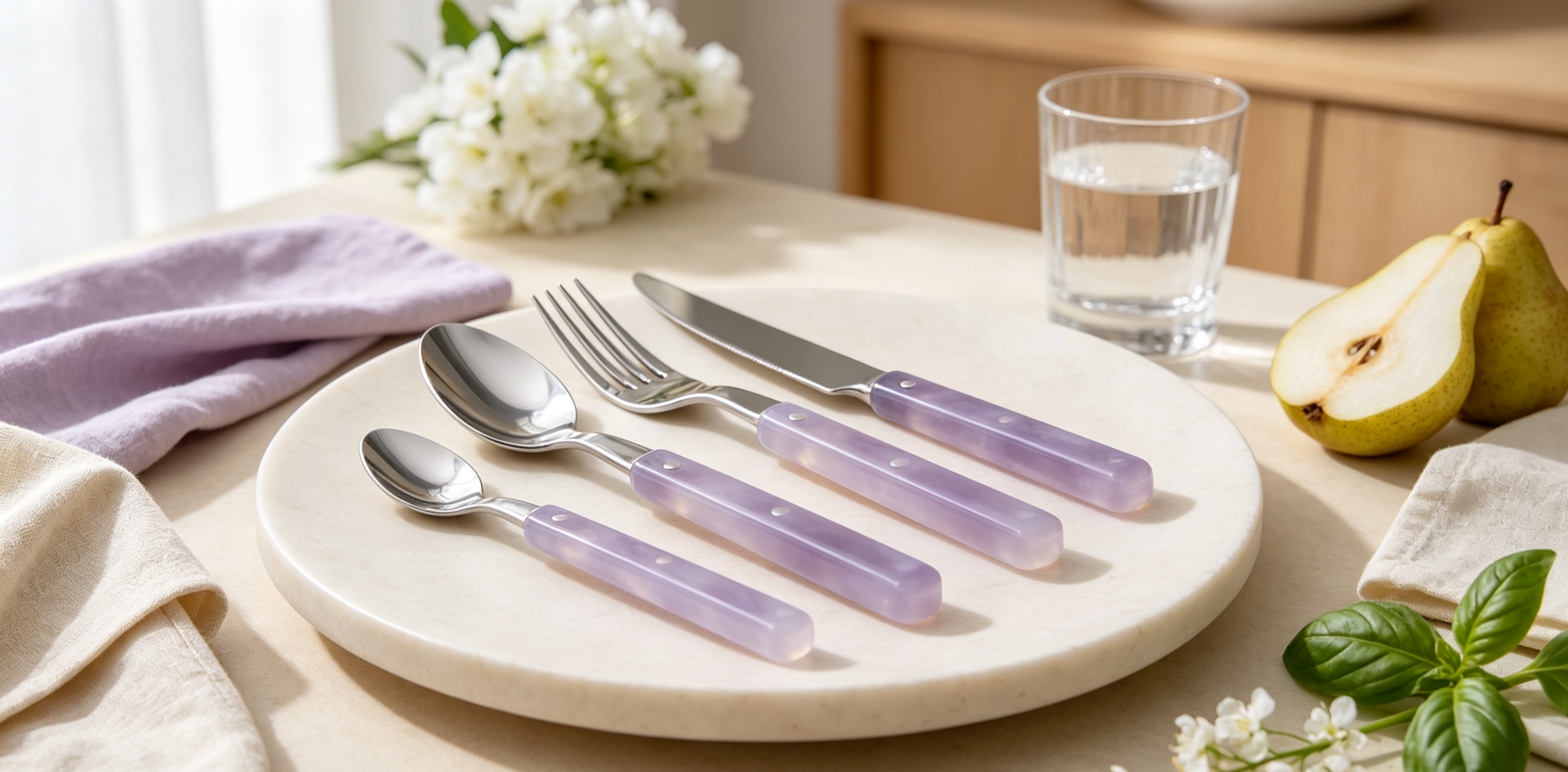
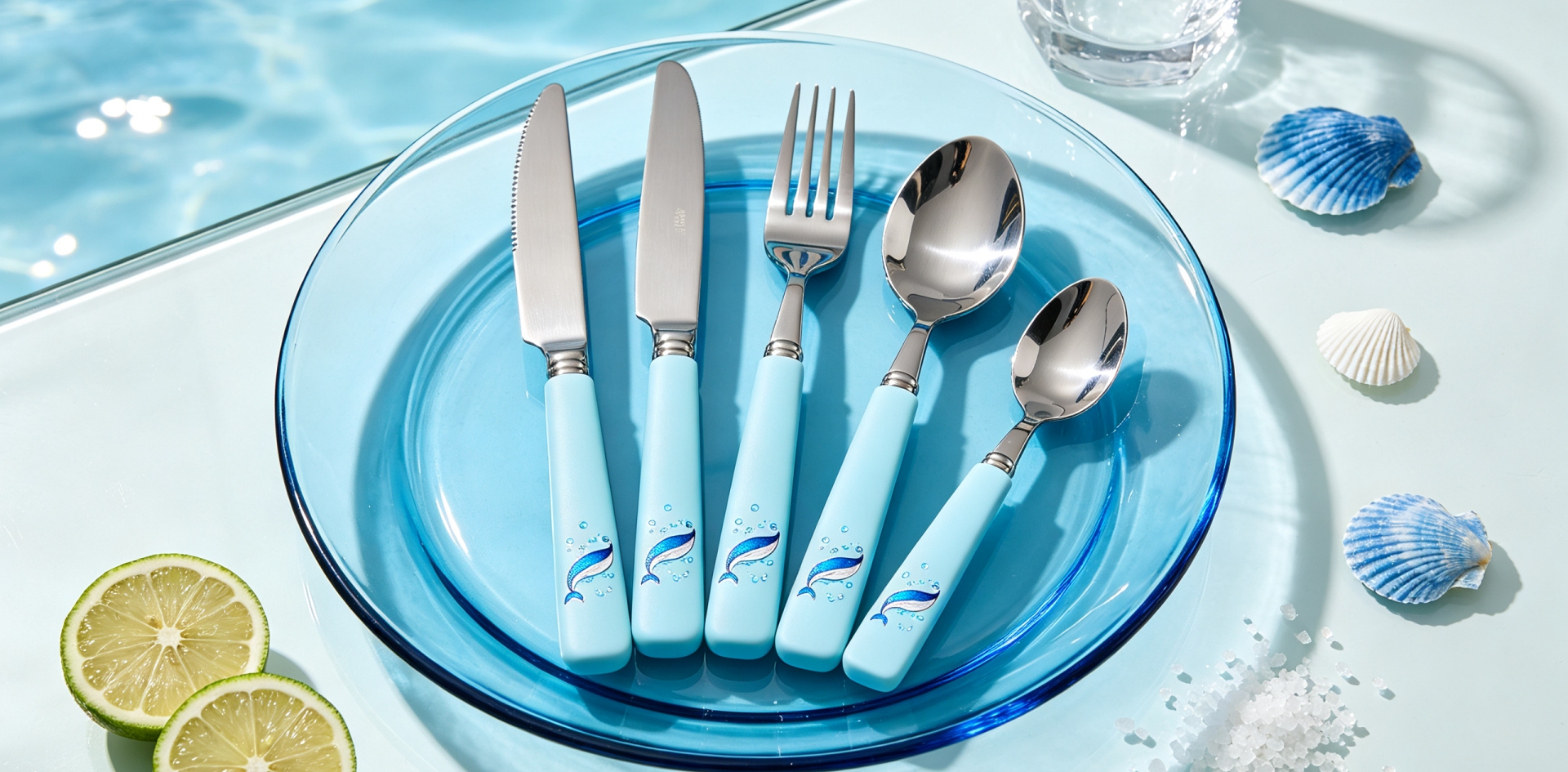
Stainless steel handles can create a clean and coordinated appearance when the knife is part of an all-metal cutlery collection. Other handle concepts may be considered when a brand wants to create a more distinctive visual identity.
For OEM and private label projects, the handle can often become one of the main elements used to distinguish the product from standard market offerings.
The right choice depends on the target customer, expected selling price and relationship between the steak knife and the rest of the brand's product line.
Weight and Balance Matter
A steak knife should feel controlled in the hand.
Weight distribution affects how the knife is handled, while the relationship between the blade and handle influences the overall balance.
For B2B buyers, these details are important because they can affect how customers perceive product quality.
A sample is particularly useful for evaluating this aspect. Instead of relying only on drawings or photographs, buyers can physically hold the knife and assess its balance before confirming a larger order.
Matching the Knife With a Complete Cutlery Collection
A private label steak knife should not look like an unrelated product added to an existing collection.
If the brand already sells stainless steel spoons, forks and table knives, the steak knife can be developed with complementary proportions, finishes and handle details.
This creates a stronger visual relationship across the range.
For brands planning future product expansion, it can also be useful to establish a recognizable design direction that can later be applied to additional cutlery pieces.
This approach allows the steak knife to become part of a larger product family rather than a standalone SKU.
Finishes for Different Markets
Surface finish can significantly change the appearance of a steak knife.
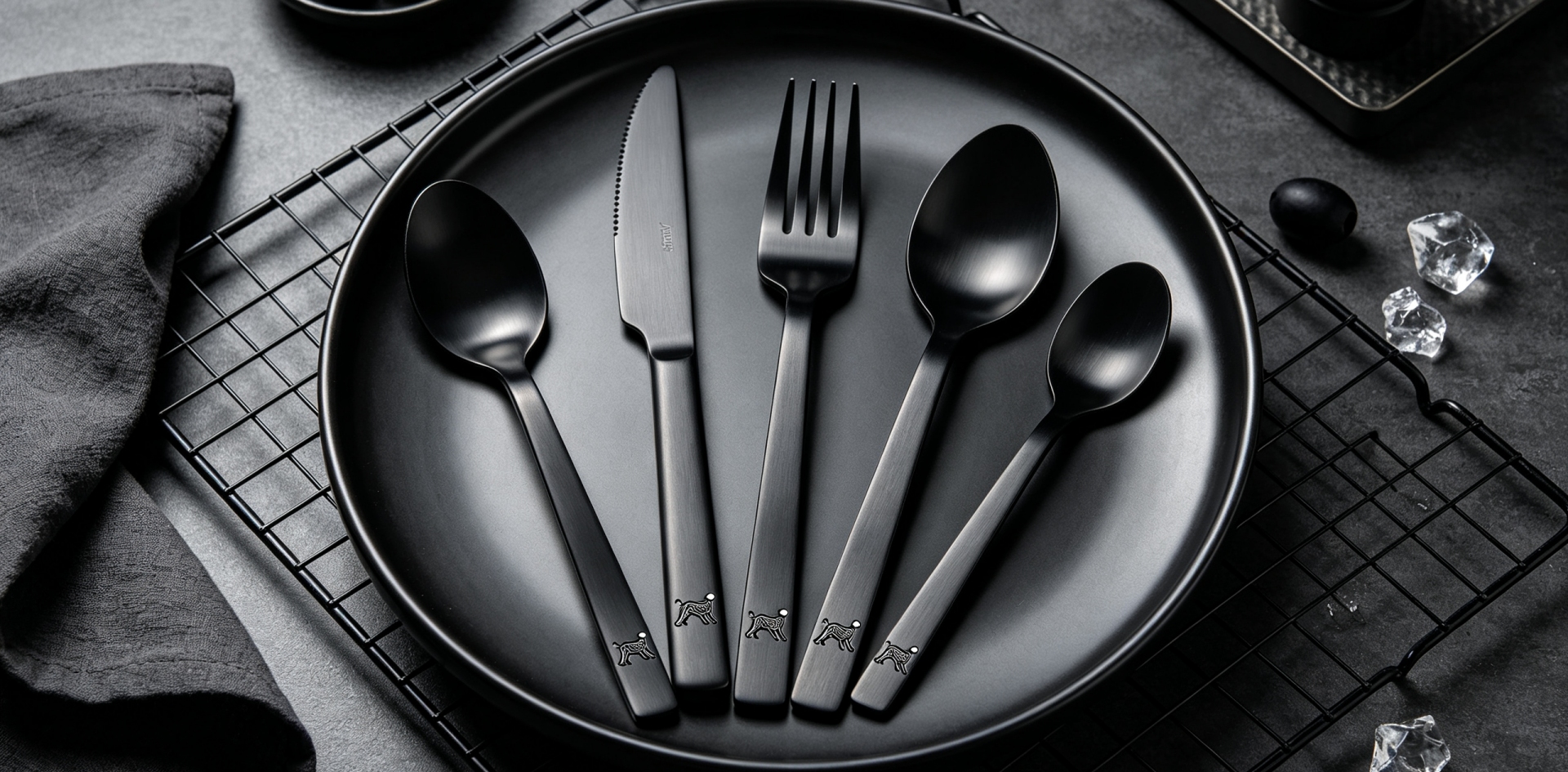
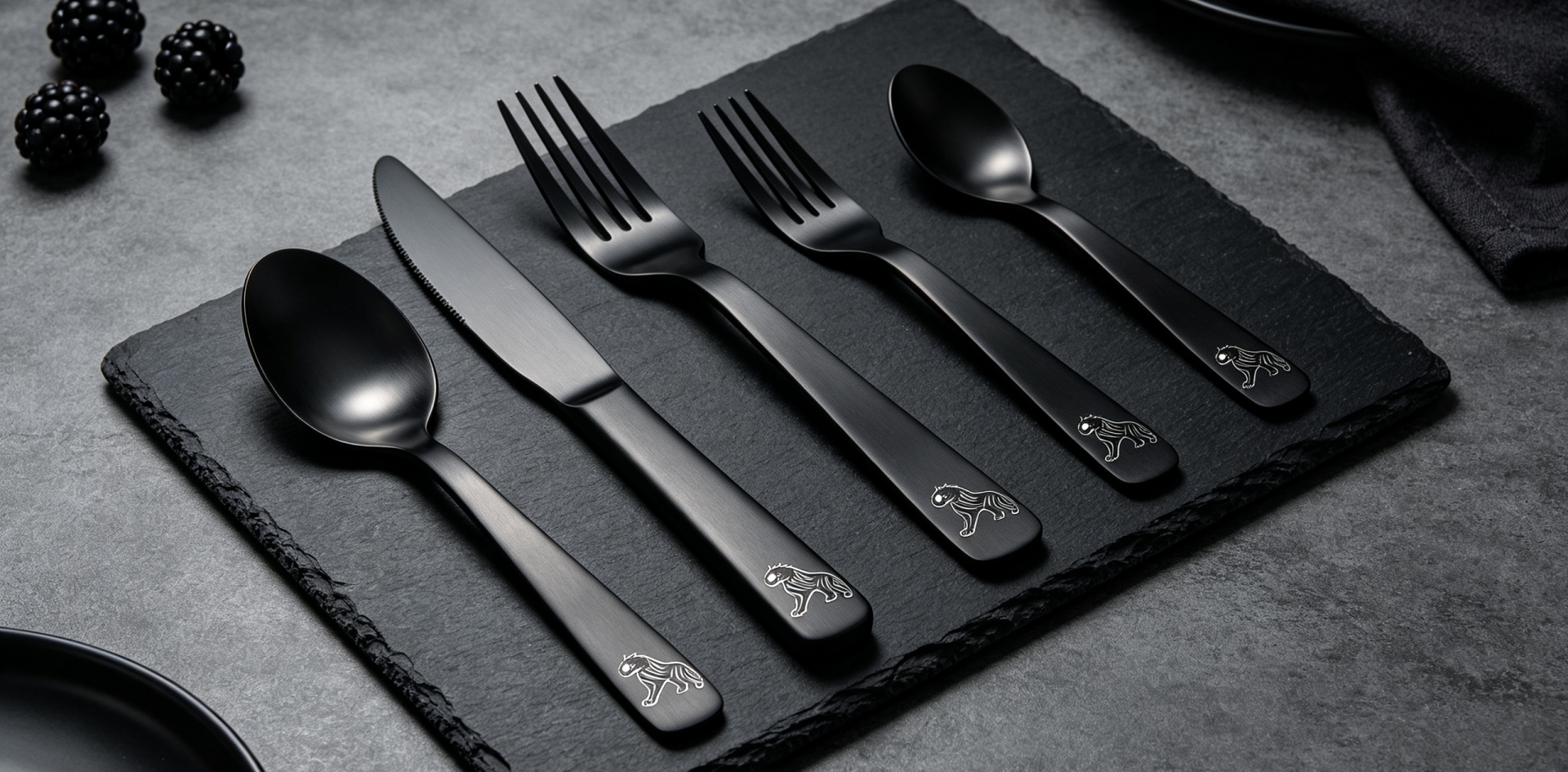
A polished finish can create a bright and traditional look, while a satin or matte finish may suit a more contemporary collection.
The finish should also be considered in relation to other cutlery pieces. If the steak knife is included in a complete set, differences in surface appearance may become immediately noticeable.
For private label products, the finish is therefore not simply a manufacturing detail. It is part of the product's visual identity.
Custom Branding for Private Label Projects
Branding can be incorporated into a steak knife project in different ways.
Depending on the design and project requirements, a brand may request a logo or other identifying detail. Packaging can also carry the brand identity and help position the product within the intended sales channel.
For B2B buyers, branding requirements should be discussed before production begins so that the product, packaging and overall presentation can be planned together.
This is particularly important when the steak knife is being developed as part of a new private label collection.
Wholesale Steak Knives for Distributors
Distributors often need products that can work across different customer groups.
A well-designed stainless steel steak knife can be suitable for restaurant supply, hospitality products, home dining collections and other professional channels.
For wholesale purchasing, consistent product quality becomes particularly important. The knife supplied in a repeat order should maintain the same basic characteristics as the original production.
Clear specifications and an established product sample can help create a reliable reference for future orders.
Developing a Steak Knife Through OEM Production
An OEM project can begin from several different starting points.
A buyer may already have a complete design, a reference product, a drawing or simply an idea about the desired style.
The manufacturer can then evaluate the requirements and work toward a practical specification.
The development stage may involve confirming dimensions, handle design, blade details, surface finish, packaging and other product requirements.
Sample approval provides an opportunity to make adjustments before bulk production.
For brands developing their first steak knife, this process can be especially useful because it allows the product concept to be evaluated in physical form before a large investment is made.
Planning for Repeat Orders
A private label product should be developed with future purchasing in mind.
If the steak knife performs well, the brand may need additional quantities, new packaging or related cutlery pieces later.
For this reason, the final specifications should be clearly established and maintained as a reference for future production.
This is one reason why choosing a manufacturer with experience in long-term B2B cutlery supply can be valuable.
The relationship should support not only the first order but also future product development and replenishment.
Why Work With an Experienced Steak Knife Manufacturer?
For a B2B brand, manufacturing experience can make the development process more predictable.
Homefelt has more than 40 years of experience in the stainless steel cutlery business and works with international B2B customers on stainless steel spoons, forks, knives, cutlery sets and customized projects.
The company has experience supporting well-known international brands and provides OEM and private label solutions for buyers who need products developed around specific commercial requirements.
For a steak knife project, this experience can help connect product design with practical manufacturing and long-term supply considerations.
What to Include in Your Steak Knife Inquiry
A clear inquiry can help the manufacturer understand the project quickly.
Useful information includes the estimated quantity, target market, preferred knife style, blade concept, handle design, material requirements, surface finish and packaging expectations.
If you already have a reference product or image, sharing it can make the initial discussion more efficient.
You can also provide information about the rest of your cutlery collection if the steak knife needs to match existing products.
For projects where some specifications are still open, the manufacturer can start with the main requirements and work through the remaining details during product development.
Building a Distinctive Steak Knife Collection
For private label brands, a steak knife can become an important part of a premium or specialized cutlery range.
The strongest products are not necessarily the most complicated. A well-balanced design, appropriate material, comfortable handle, suitable blade configuration and consistent finish can create a product that feels purposeful and commercially relevant.
When these elements are developed together, the result can be a steak knife that fits naturally into a broader brand collection.
For wholesalers, distributors and private label brands looking to introduce a new steak knife, working with an experienced stainless steel cutlery manufacturer provides a practical path from initial concept to sample development and bulk production.
Request a Private Label Steak Knife Quotation
Develop a Custom Stainless Steel Knife
Stainless Steel Salad Tongs Manufacturer for Wholesale and OEM
Edelstahlbesteck für Kochgeschirr-Sets | OEM & B2B Hersteller
Related Article